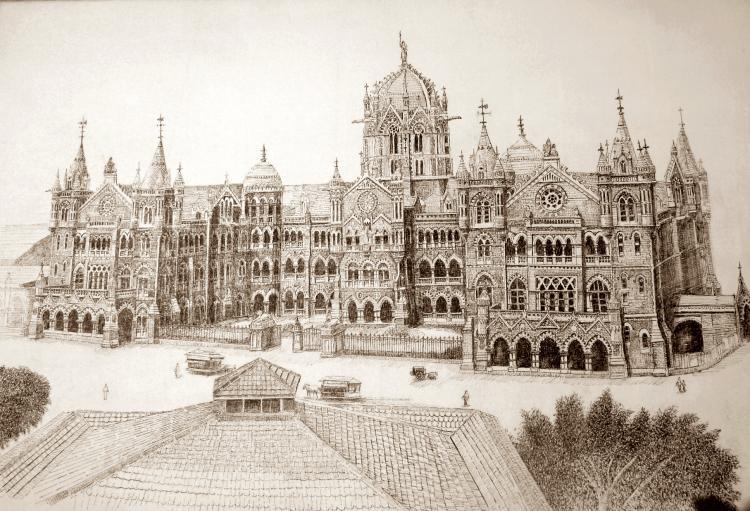
Chhatrapati Shivaji Terminus (Vt)
₹0
● In stock · ★ 4.0 (12)checking live price…
Size
24x30Type
OriginalMaterial
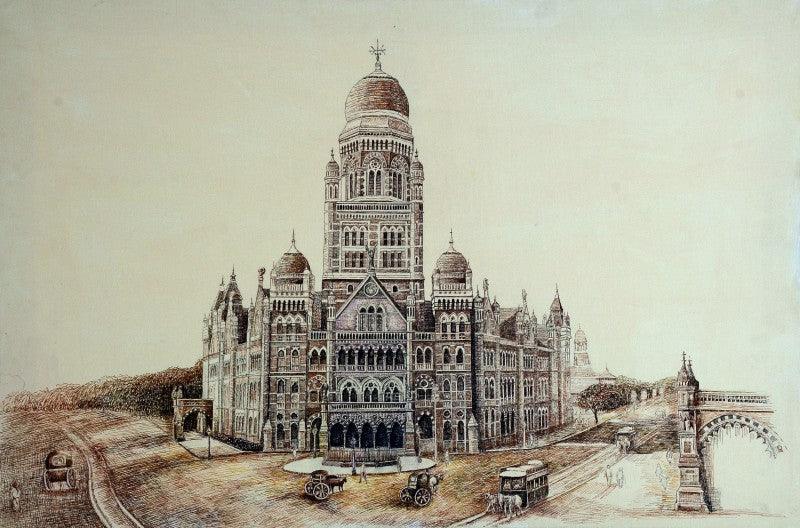
CanvasRendered in a patient lattice of ink-like lines, the grand façade rises as both architecture and memory—its domes and spires stitched together by repetition that feels devotional rather than merely descriptive. The composition holds the building in commanding symmetry while letting the pale, open foreground breathe, as if the city pauses to make room for history’s weight. Light is not painted so much as implied through careful restraint, allowing the shadows in the arches and windows to become the true narrators, whispering of civic grandeur, colonial legacy, and the quiet permanence of stone. In the distance, the monument’s intricate ornamentation reads like a manuscript—an assertion that power can be made beautiful, and beauty, enduring.
Delivery
You may also like
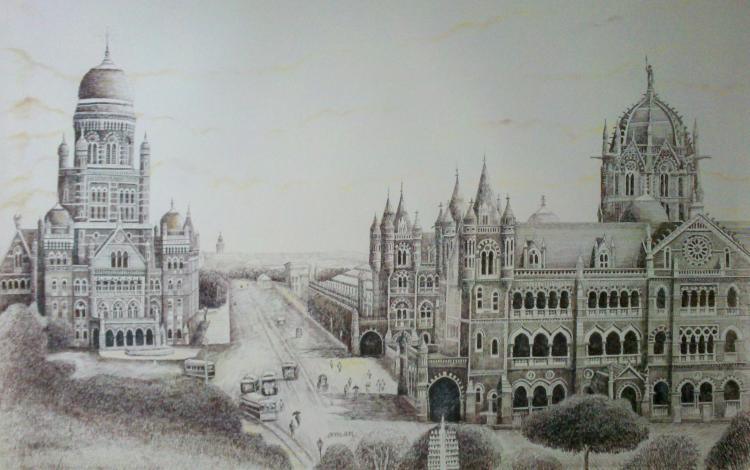
Panorama View Of Bombay Bmc Building & Victoria Terminus (Vt)
Artzolo
₹42,000
out of stock
★ 4.0 (13)
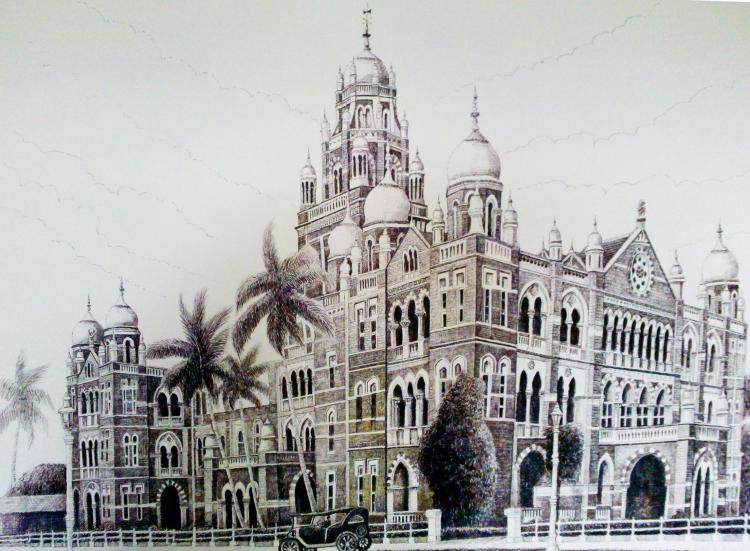
Churchgate W Rly Bldg
Artzolo
₹0
★ 5.0 (14)
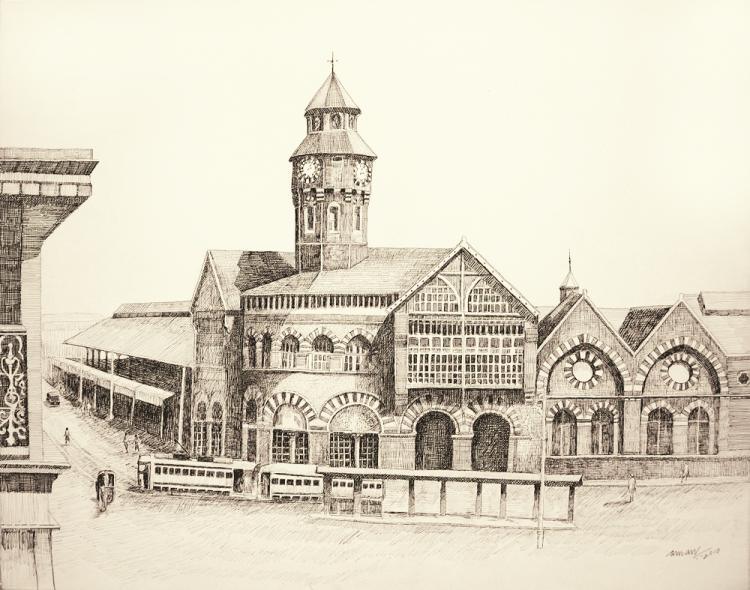
Crawford Market (Crawford Market Sketch)
Artzolo
₹0
★ 4.0 (14)
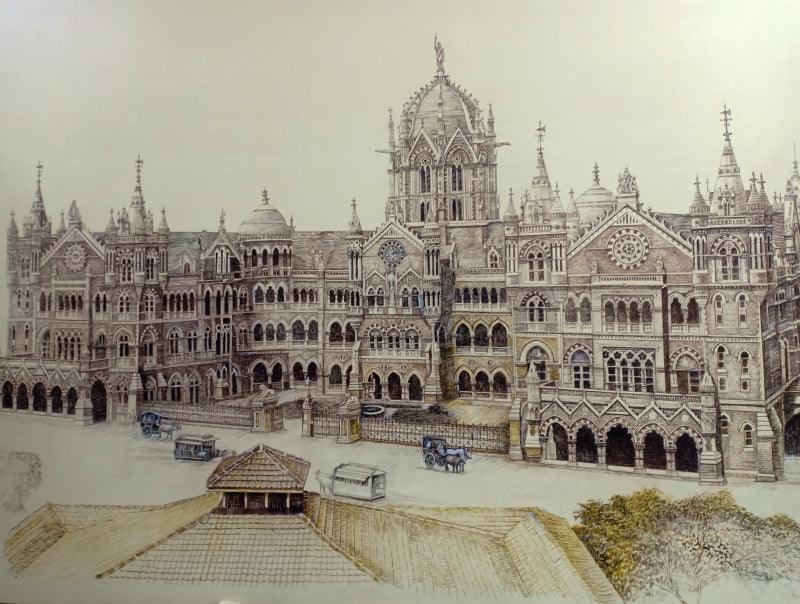
Old Bombay Vt From Capital Cinema Top (Victorian Splendor)
Artzolo
₹0
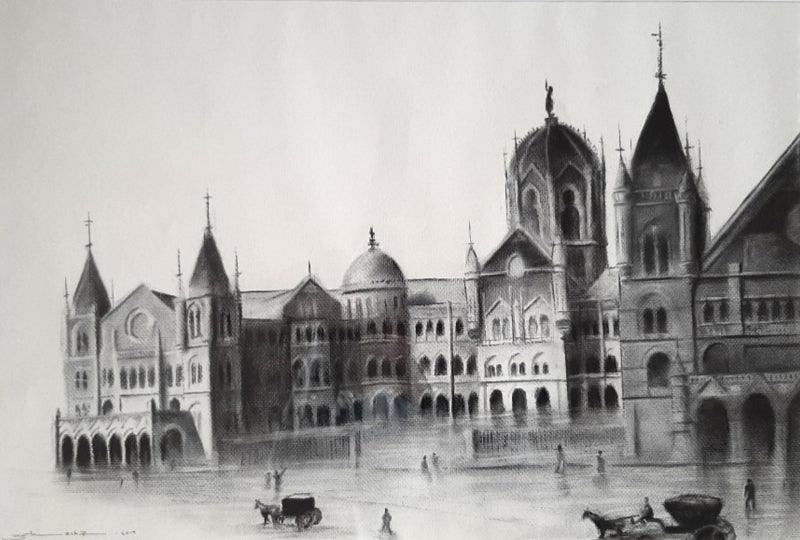
Old Mumbai (Chhatrapati Shivaji Maharaj Terminus)
Artzolo
₹12,000
out of stock
★ 4.0 (14)
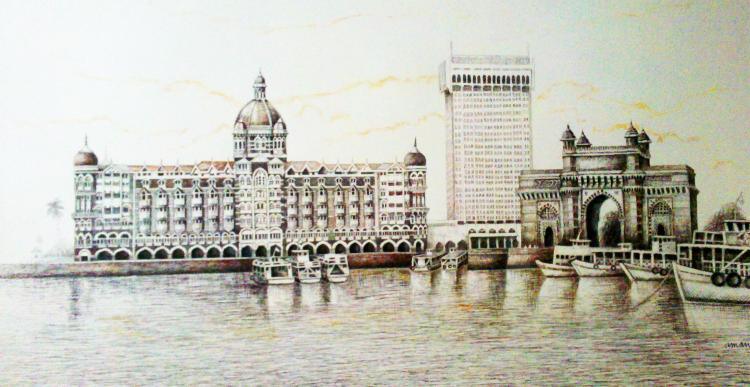
Untitled (Mumbai's Iconic Waterfront)
Artzolo
₹0
★ 4.0 (14)
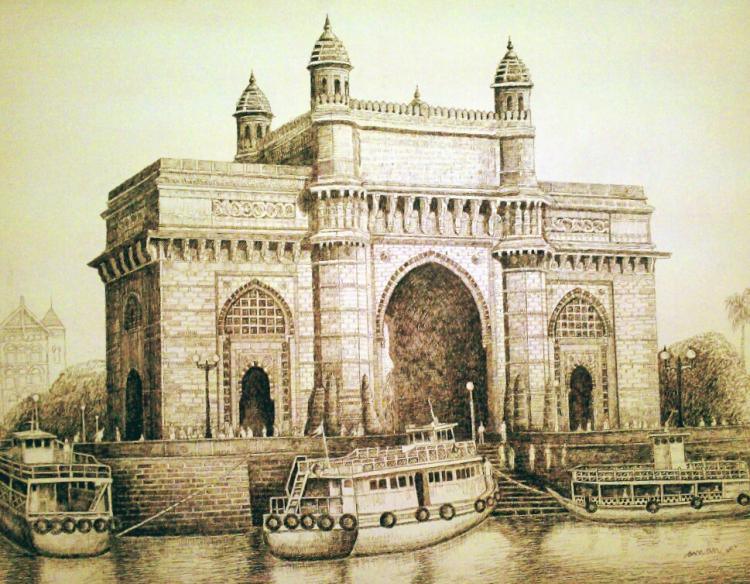
Gateway of India, Mumbai (Gateway of India, Mumbai)
Artzolo
₹0
★ 5.0 (6)
Old Bombay Municipalcorporation Bldg (Municipal Corporation Building, Mumbai)
Artzolo
₹0
★ 4.0 (12)