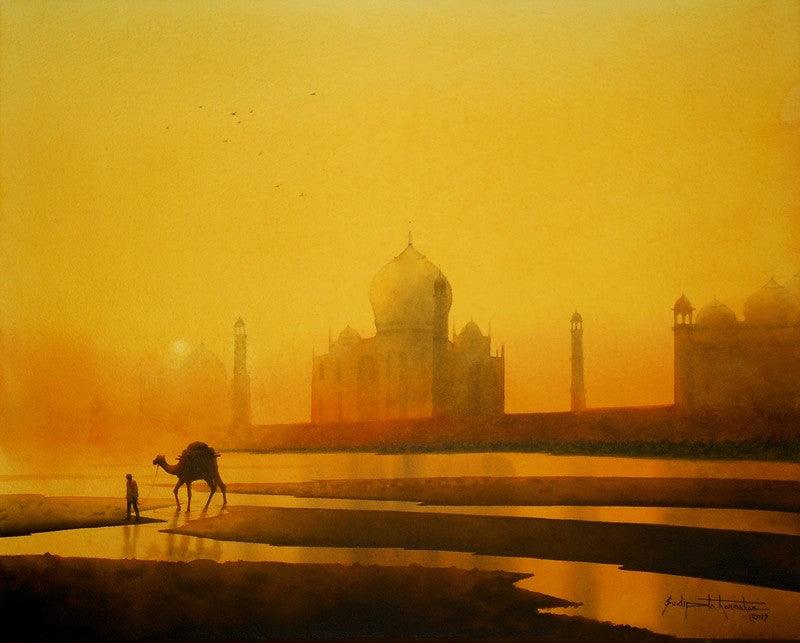
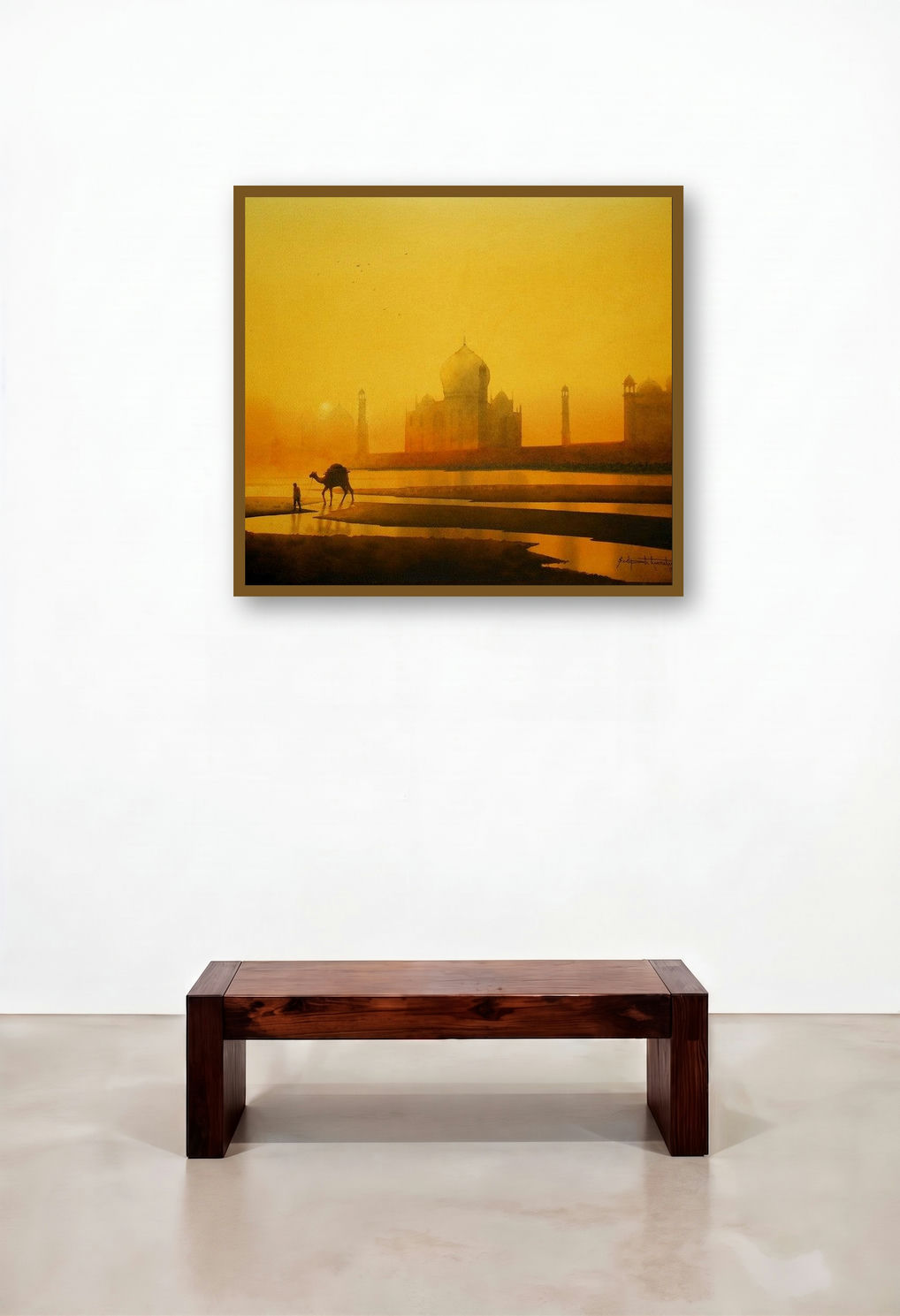
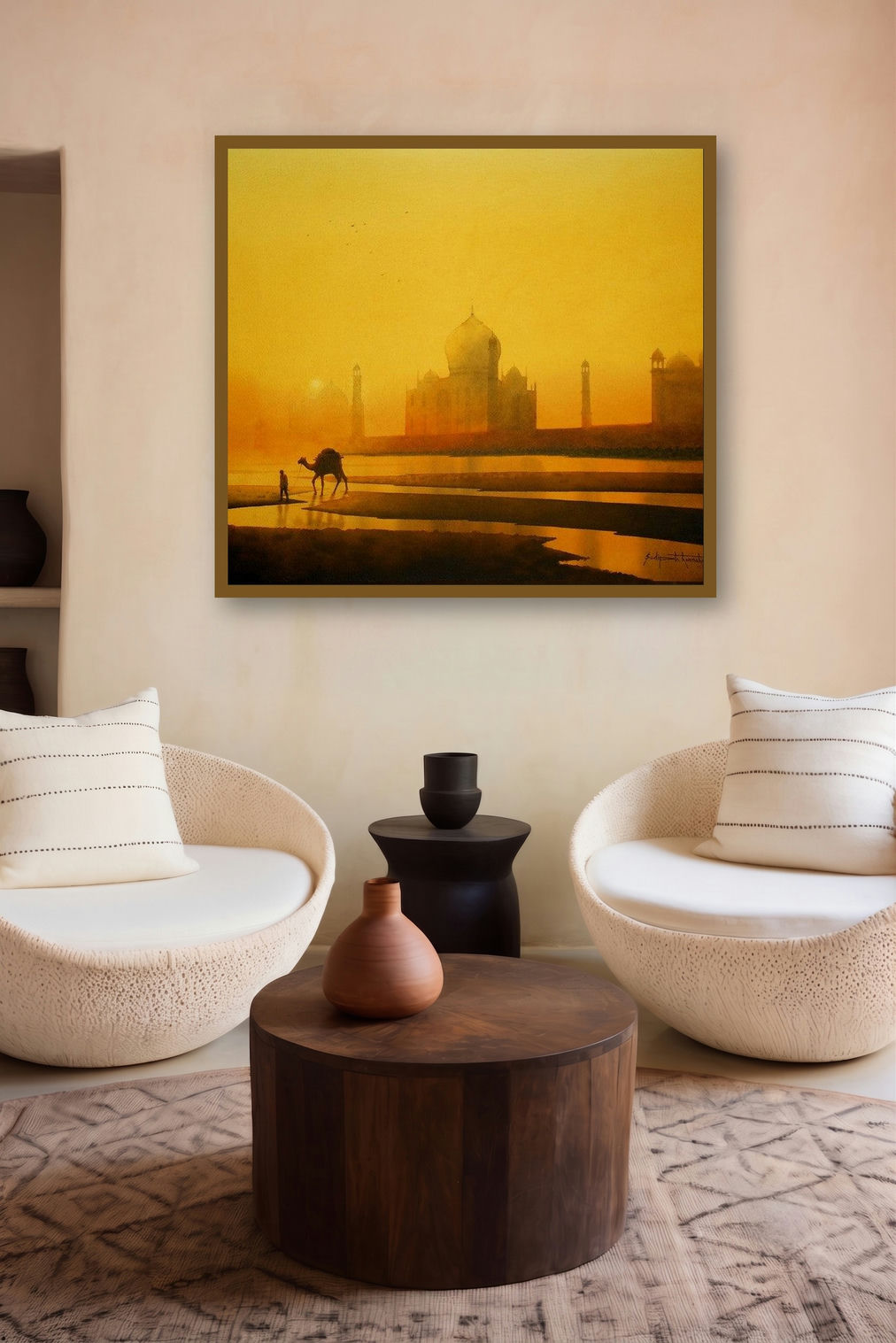
Camel With Taj (Taj Mahal Sunrise)
₹50,000
● In stock · ★ 4.0 (10)checking live price…
Size
18x23Type
OriginalMaterial
PaperBathed in an amber haze, the monumental silhouette of the Taj Mahal seems to rise less as architecture than as memory—its domes and minarets softened into a near-spiritual apparition. The composition anchors the sacred mass in the distance while a lone figure and camel traverse the dark, reflective shallows in the foreground, turning the journey into a quiet counterpoint to grandeur. Light becomes the true subject here: a diffused, honeyed atmosphere that dissolves edges and compresses space, suggesting how reverence and time can blur the boundary between the real and the imagined. In this suspended stillness, the human scale is not diminished but dignified, as if pilgrimage and permanence meet in the same breath.
Delivery
You may also like
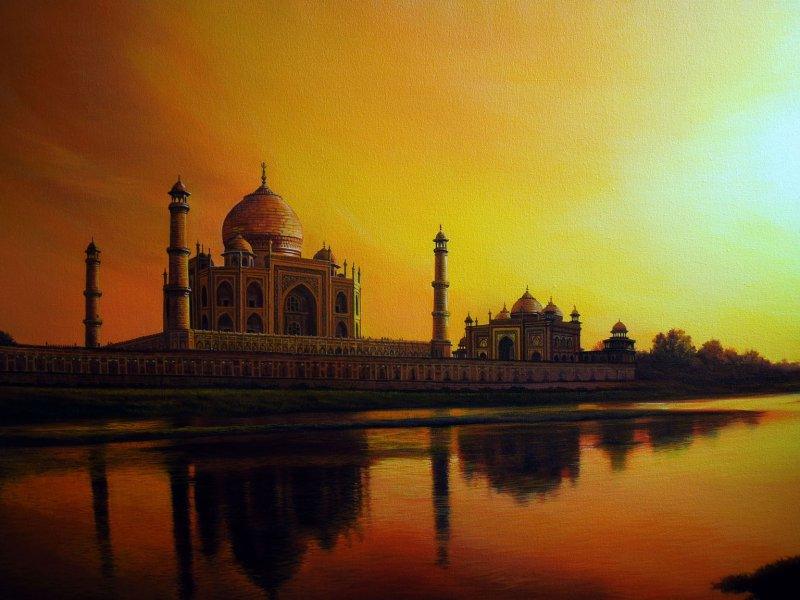
Taj Mahal (Untitled)
Artzolo
₹225,000
★ 5.0 (10)
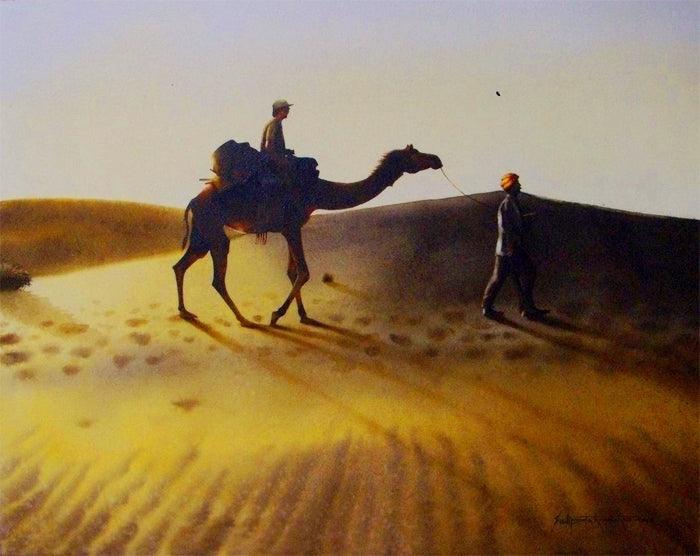
Camael Safari 2 Rajasthan Series (The Desert Trail)
Artzolo
₹50,000
★ 5.0 (12)
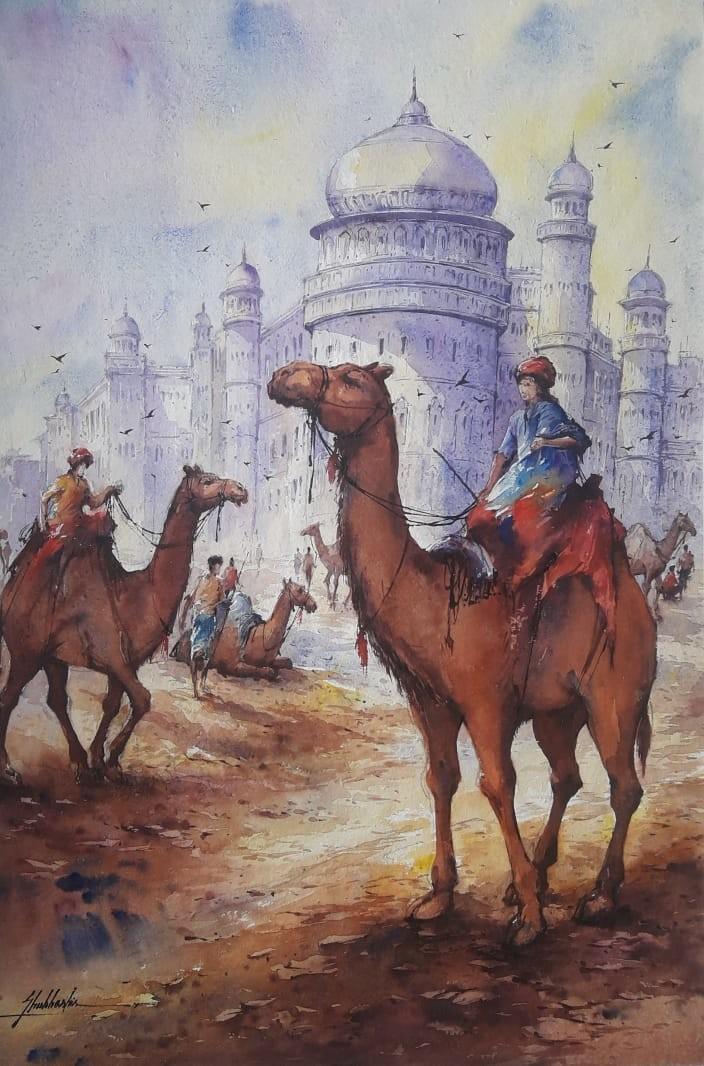
Cityscape 13 (Rajasthan Camels)
Artzolo
₹21,000
★ 5.0 (10)
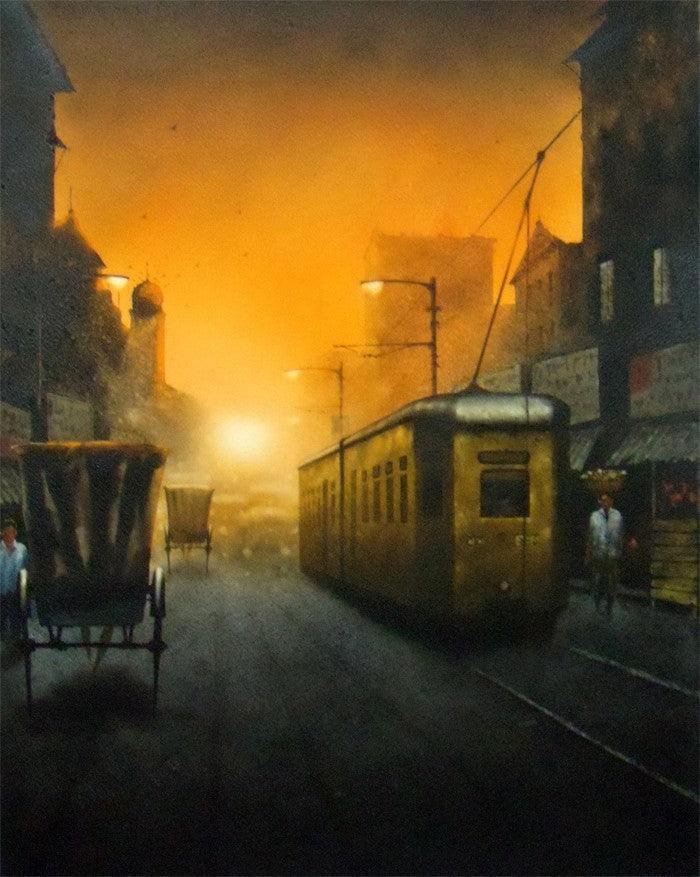
Kolkata 6 Size 22X27 Water Colour On
Artzolo
₹50,000
out of stock
★ 4.0 (14)
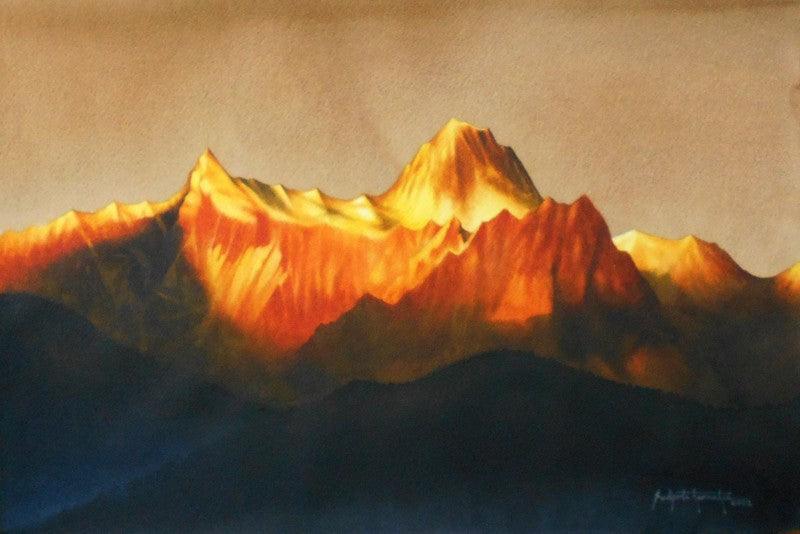
Sunrise Over The Kanchenjunga (Golden Hour)
Artzolo
₹50,000
★ 4.0 (6)
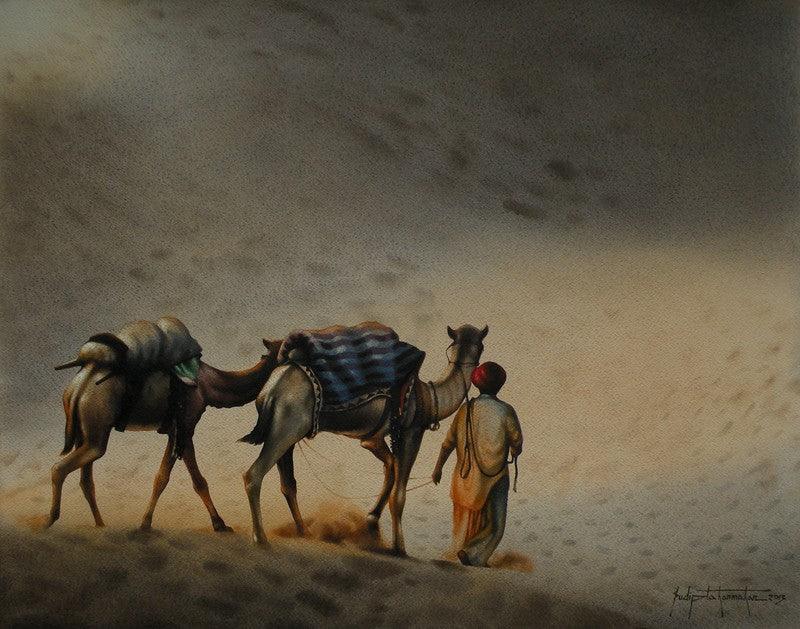
Camael Safari 3 Rajasthan Series Size
Artzolo
₹50,000
out of stock
★ 5.0 (8)
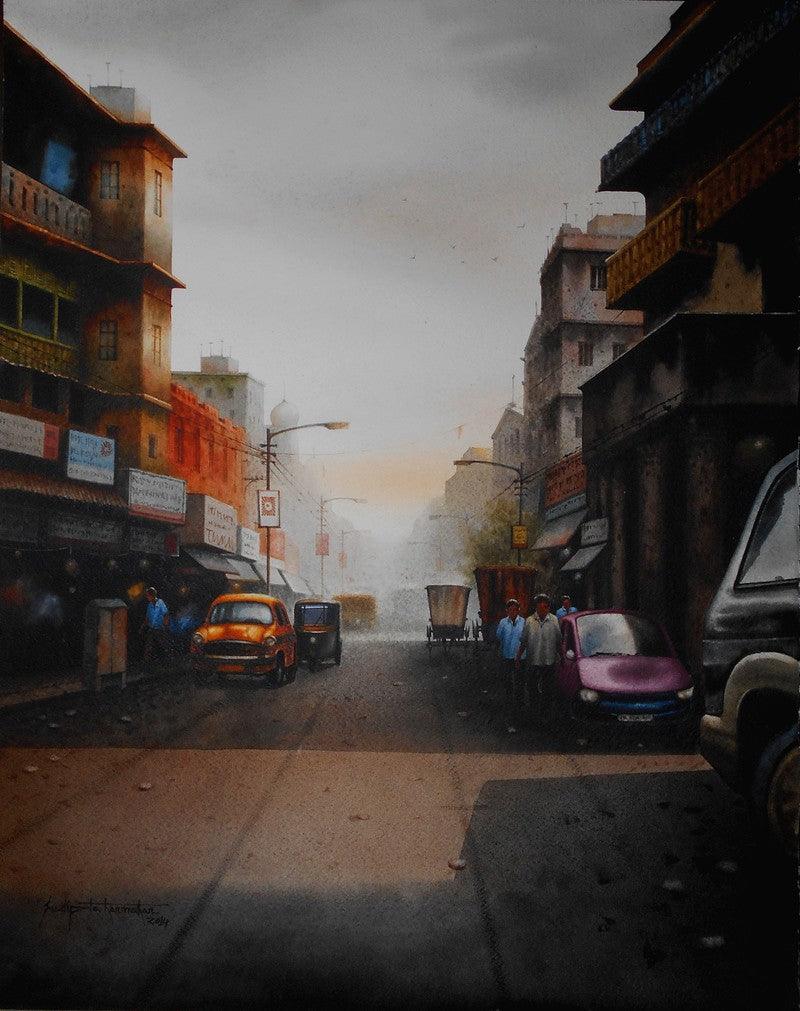
Kolkata 11 (Morning Commute in Kolkata)
Artzolo
₹50,000
★ 5.0 (11)
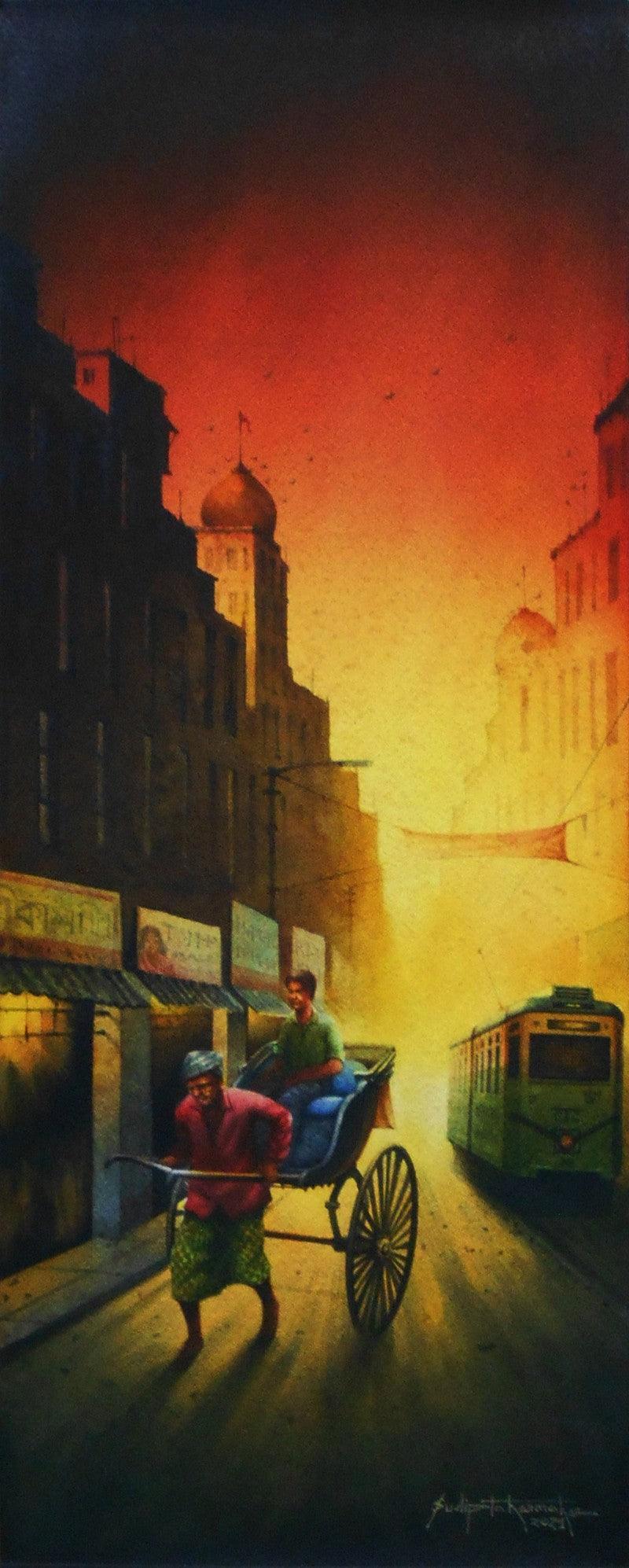
Kolkata Series 41 (Twilight Commute)
Artzolo
₹24,000
★ 4.0 (14)