
Bond Of Love 2
₹1,050,000
Out of stock · ★ 5.0 (6)checking live price…
Size
60x84Type
OriginalMaterial
CanvasSet against a field of bruised crimson, the seated figure in red becomes both anchor and rupture—her pale skin caught in a harsh, theatrical light that turns intimacy into a kind of public exposure. The composition divides into adjoining planes like psychological rooms: a ghosted embrace in the left panel haunts the present, while the ashen figure on the right folds inward, drained of warmth, mirroring desire’s aftermath as isolation. Red functions less as ornament than as atmosphere—sensual, accusatory, and volatile—binding the bodies to a stage where memory, longing, and self-protection negotiate their uneasy truce.
Delivery
You may also like
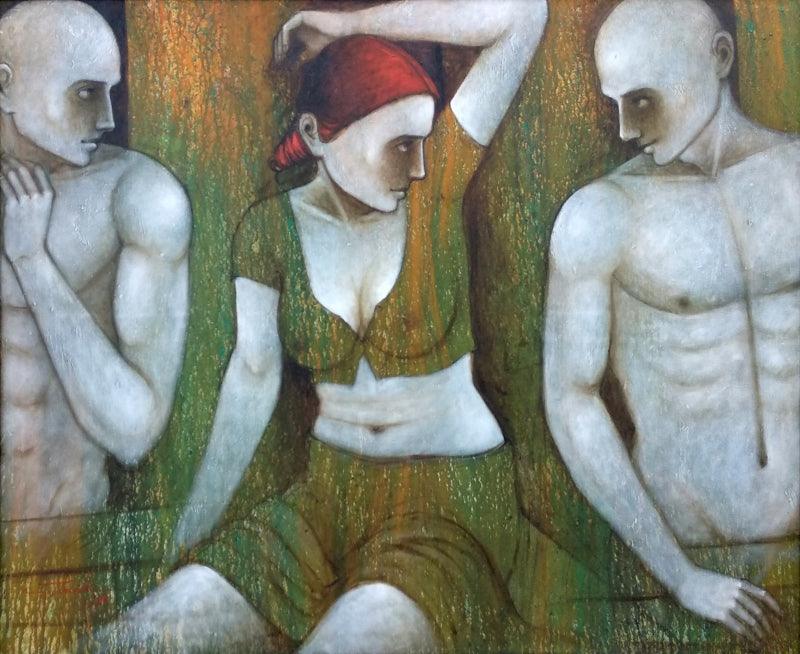
Bond Of Love
Artzolo
₹450,000
out of stock
★ 5.0 (11)
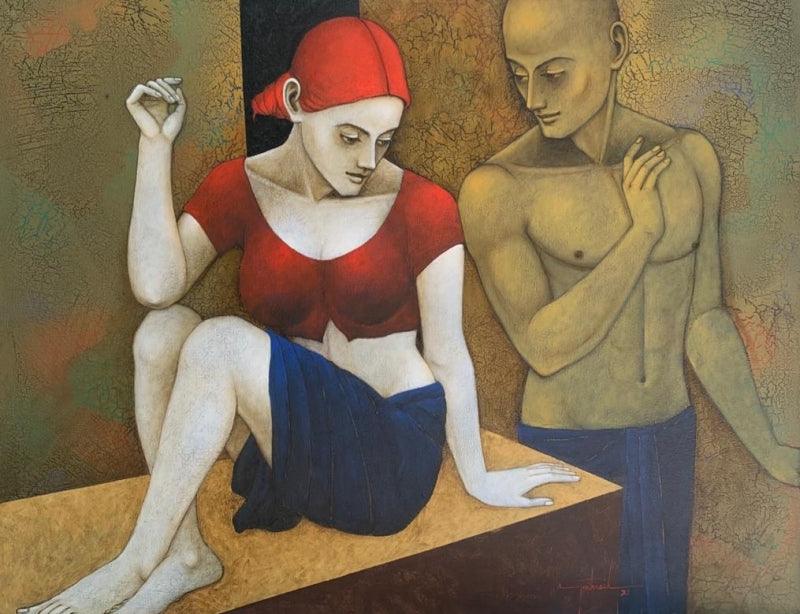
The Gaze 2
Artzolo
₹450,000
out of stock
★ 5.0 (14)
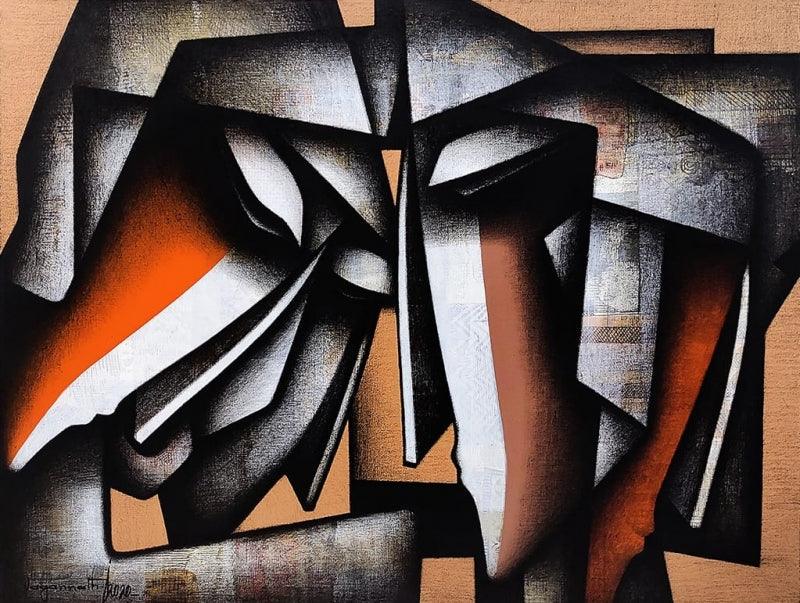
Bond Of Love Series 1
Artzolo
₹270,000
out of stock
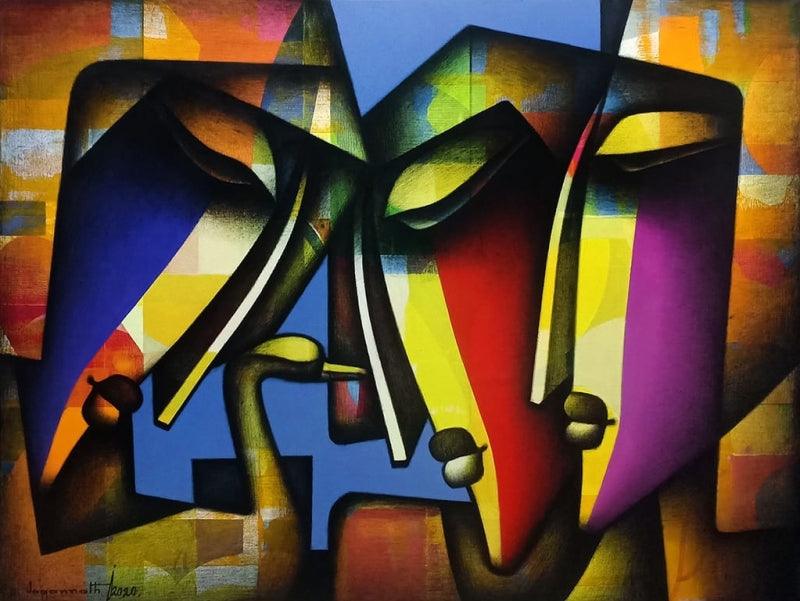
Bond Of Love Series 2
Artzolo
₹270,000
out of stock
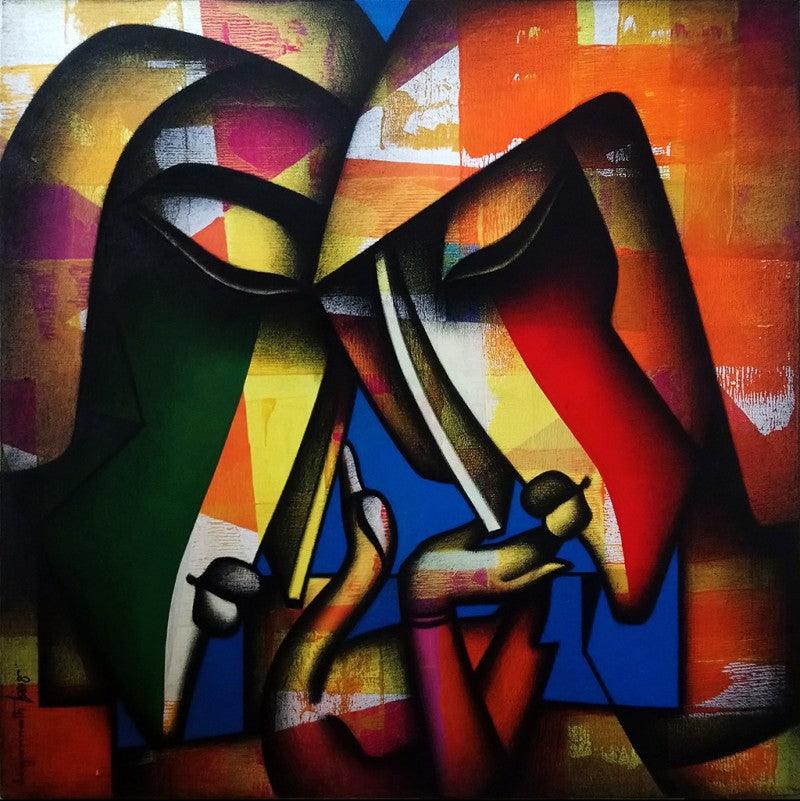
Bond Of Love Series
Artzolo
₹210,000
out of stock
★ 5.0 (14)
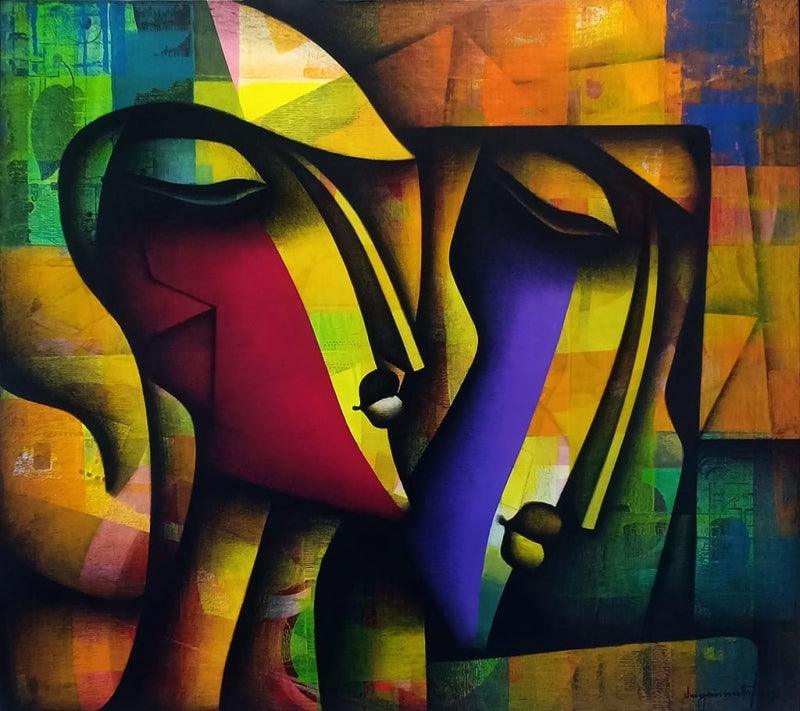
Bond Of Love Series
Artzolo
₹405,000
out of stock

Bond Of Love Series 2
Artzolo
₹200,000
out of stock

The Gaze
Artzolo
₹460,000
out of stock
★ 4.0 (6)