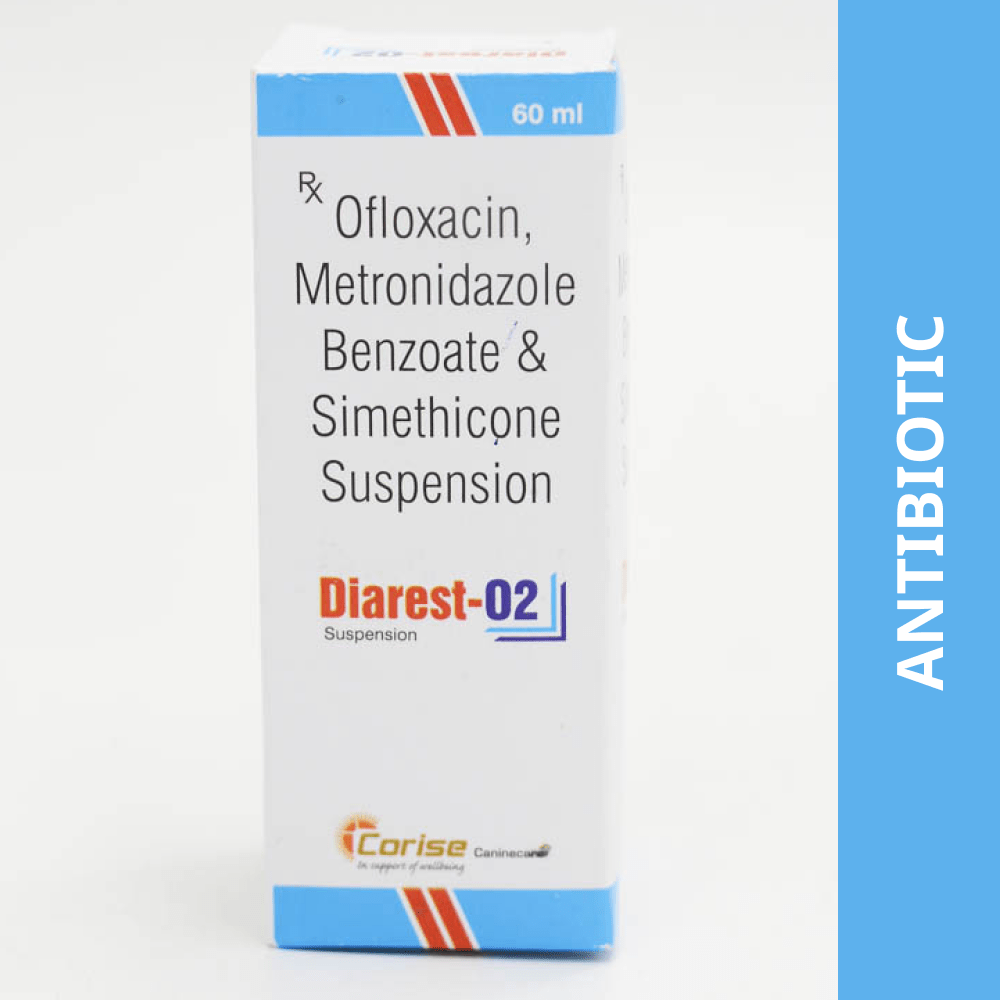
Corise Diarest O2 Suspension Antidiarrheal for Dogs & Cats (60ml)
Corise Diarest O2 Suspension for Dogs and Cats - Fast-Acting Relief for Loose Motions and Gut Discomfort
Diarrhoea in pets is one of those things that demands attention fast. It's uncomfortable for your pet, messy for you, and when it doesn't stop on its own within 24 hours, it's a sign that something in the gut needs medical support - not just rest and water.
The Corise Diarest O2 Suspension is a triple-combination antidiarrheal suspension for dogs and cats that treats the most common causes of loose motions - bacterial infections, protozoal infections, and excess gas - all in one dose. It's a pharmaceutical-grade liquid that's easy to measure and give, and works faster than most single-ingredient alternatives because it's tackling the problem from three different directions at once.
Manufactured and marketed by Corise Healthcare Pvt. Ltd. Each 5 ml of suspension contains: Ofloxacin IP (50 mg), Metronidazole IP (100 mg) and Simethicone IP (10 mg), in a flavoured suspension base.
This is a prescription medication. Always use under veterinary supervision.
What Are the Uses and Benefits of Corise Diarest O2 Suspension?
Diarest O2 is used for diarrhoea and gastrointestinal infections in dogs and cats caused by bacteria or protozoa. Here's what it covers:
- Bacterial diarrhoea - including infections by Escherichia coli, Salmonella, and other gut bacteria - is one of the most common causes of sudden-onset loose motions in Indian pets, particularly after eating something they shouldn't have, exposure to contaminated water, or stress. Ofloxacin in this suspension targets and clears these bacterial infections effectively.
- Protozoal infections - including Giardia, which causes chronic loose, smelly stools and poor weight gain - are covered by Metronidazole, one of the most widely used and effective treatments for protozoal gut infections in dogs and cats.
- Mixed infections, where both bacterial and protozoal causes are involved simultaneously, are where the Ofloxacin + Metronidazole combination genuinely stands out - it covers both types together, which is why vets often reach for combination products like this when the exact cause of diarrhoea hasn't been confirmed yet.
- Gas and bloating alongside diarrhoea are addressed by Simethicone, which relieves the discomfort of excess gut gas - reducing the bloating and abdominal discomfort that often accompanies an active gut infection.
- For more on what causes diarrhoea in dogs and when to worry, the blog on dog diarrhoea - causes, treatment and when to see a vet is a helpful read. For cats, the medicine for cat loose motion guide covers what to look out for and when to act.
What Are the Possible Side Effects?
Diarest O2 is generally well-tolerated, but since it contains two active antimicrobial ingredients, there are a few things to be aware of.
- Mild nausea, reduced appetite, or temporary worsening of digestive symptoms can occasionally occur when starting the suspension, particularly in cats. Giving the dose with or just after a small meal significantly reduces this. Metronidazole can cause an unpleasant metallic taste in the mouth - you may notice your pet drooling or pawing at their mouth briefly after taking the dose. This is harmless and passes quickly.
- In cats especially, avoid overdosing - Metronidazole at excessive doses can cause neurological symptoms including wobbliness and disorientation. At the correct vet-prescribed dose, this is not a concern. But it's why precise dosing by weight - not guessing - is important.
- Do not use this suspension long-term without veterinary monitoring. Ofloxacin is a fluoroquinolone antibiotic, and like all antibiotics, should be used only for the prescribed duration to avoid contributing to antibiotic resistance.
- If your pet shows unusual symptoms after starting Diarest O2 - seizures, extreme lethargy, severe vomiting, or worsening diarrhoea despite treatment - contact your vet immediately.
How Should You Give Diarest O2 Suspension to Your Pet?
- Shake the bottle well before every dose. Measure carefully using a syringe - do not estimate by eye. Give directly into the side of the mouth using the syringe, or mix into a small amount of food.
- Always give with or just after a small meal to improve absorption and reduce the chance of stomach upset.
- General dosing guidance based on body weight:
| Body Weight | Dose Per Administration |
|---|---|
| 0-5 kg | 3-5 ml |
| 5-10 kg | 5-8 ml |
| 10-15 kg | 8-12 ml |
| Above 15 kg | As directed by your vet |
- Dosing frequency and course duration should be confirmed by your vet - typically given twice daily for 5 days, but this varies based on the severity and cause of the diarrhoea. Always complete the full course prescribed even if your pet appears to have recovered early.
- Suitable for puppies, kittens, and adult pets. Use with caution in pregnant animals - see the safety section below.
How Does Diarest O2 Suspension Work?
- The suspension works through three ingredients that each target a different part of the problem.
- Ofloxacin kills the bacteria causing the gut infection. It works by blocking the process bacteria use to copy their own DNA - without which they can't multiply or survive. It covers a wide range of both gram-positive and gram-negative bacteria, which is why it's effective even before the exact bacteria causing the infection has been identified.
- Metronidazole targets protozoal infections like Giardia, as well as anaerobic bacteria (the kind that thrive in low-oxygen environments like the gut). It works by entering the cell of the microorganism and disrupting its DNA, killing it. It also has anti-inflammatory properties in the gut lining, which is part of why it helps with diarrhoea even in cases where a specific organism isn't identified - it calms gut inflammation directly.
- Simethicone doesn't fight infection - it handles the gas. It works by breaking up the surface tension of gas bubbles trapped in the gut, allowing them to be passed or absorbed more easily. This relieves the uncomfortable bloating and pressure that often makes diarrhoea episodes much more distressing for your pet.
- Together, the three ingredients clear the infection, calm gut inflammation, and relieve immediate discomfort - which is why the combination works faster and more comfortably than single-ingredient antidiarrheal products.
What Safety Advice Should You Know Before Using Diarest O2 Suspension?
- Always use under veterinary supervision. Not all diarrhoea requires antibiotic treatment - if the cause is dietary, viral, or stress-related, antibiotics won't help and their use should be avoided. Your vet will determine whether Diarest O2 is the right choice based on your pet's symptoms, history, and clinical signs.
- Use with caution in pregnant animals. Metronidazole may have teratogenic effects in early pregnancy - meaning it may affect fetal development. Do not give to a pregnant dog or cat without explicit vet guidance confirming it is safe at that stage of pregnancy.
- Do not use in pets with known liver disease or severely impaired liver function without veterinary assessment, as both Ofloxacin and Metronidazole are processed by the liver.
- Do not combine with other antibiotics or gut medications without your vet's knowledge - interactions can reduce effectiveness or increase side effects.
- Cats are more sensitive to Metronidazole than dogs - precise weight-based dosing is especially important for cats. Never exceed the recommended dose.
- Wash hands after handling the suspension. Store below 25°C in a cool, dry place away from direct sunlight. Keep the bottle tightly closed between uses. Keep out of reach of children.
What Should You Do If You Miss a Dose?
- If you miss a dose, give it as soon as you remember. If it's almost time for the next scheduled dose, skip the missed one and continue from there. Never give a double dose.
- Consistency is important with an antibiotic course - gaps allow bacteria to partially recover and can slow the resolution of the infection. Set phone alarms for each dose time to stay on track, particularly since Diarest O2 is typically given twice daily.
- Do not stop the course early because your pet's stools have improved - complete the full prescribed duration to ensure the infection is fully cleared.
What Are All the Substitutes for Corise Diarest O2 Suspension?
If Diarest O2 Suspension is unavailable or your vet recommends a different formulation, here are other antidiarrheal and gut infection treatment options for dogs and cats on Supertails:
| Product | Active Ingredient | Form | Notes |
|---|---|---|---|
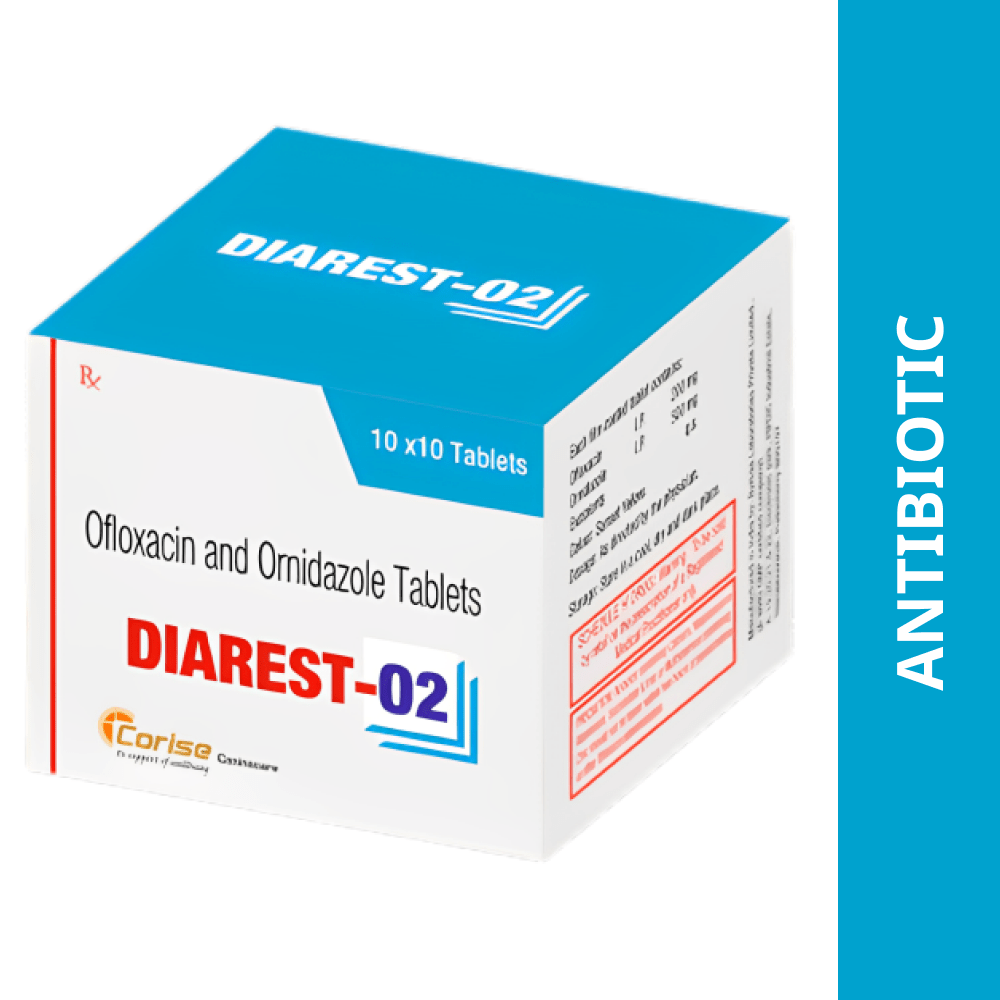
| Corise Diarest O2 Tablets for Dogs & Cats | Ofloxacin + Metronidazole + Simethicone | Tablet | Same formula in tablet form for older pets |
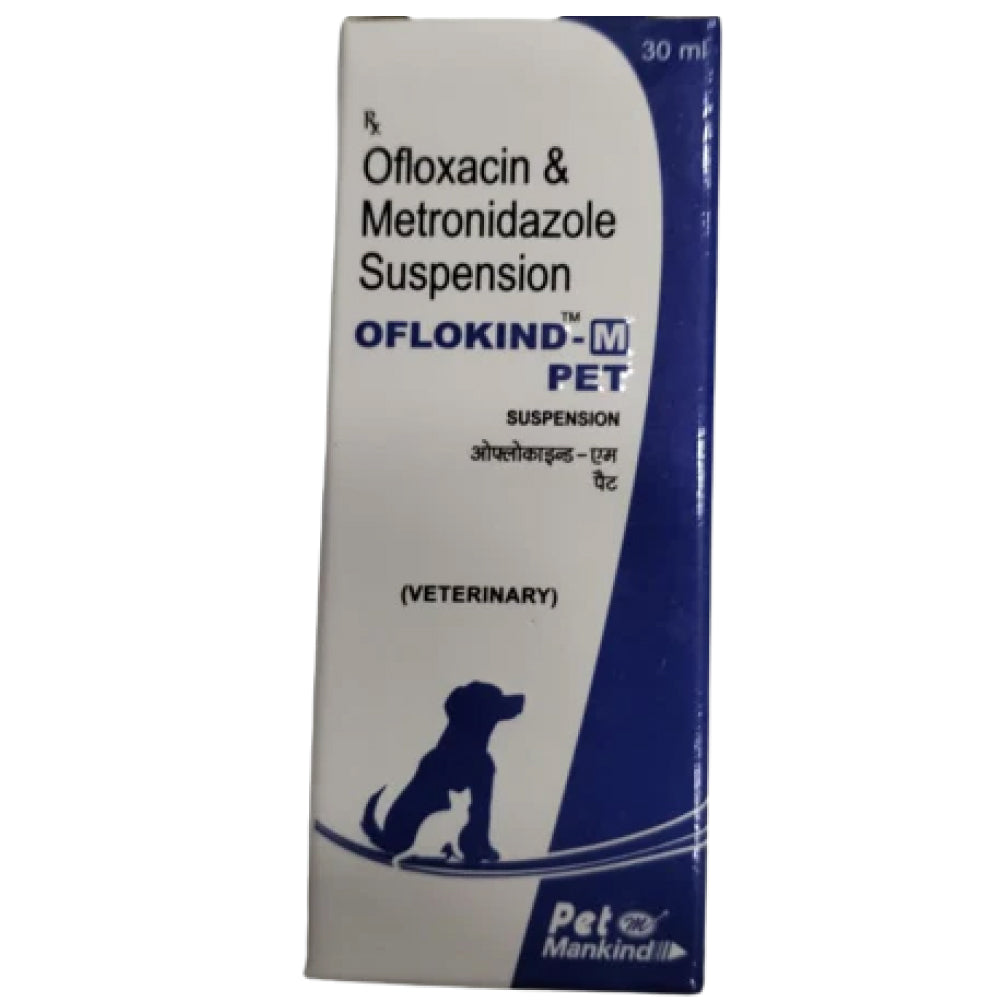
| Mankind Oflokind M Pet Suspension for Dogs & Cats | Ofloxacin + Metronidazole | Suspension | Similar dual-antibiotic suspension |
| Ek Tek Mega Stop Syrup for Dogs & Puppies | Ofloxacin + Ornidazole | Syrup | Ornidazole instead of Metronidazole |
| Neo Kumfurt Pawgest Powder for Dogs & Cats | Probiotics + Prebiotics + Enzymes | Powder | For gut restoration after infection, not primary treatment |
| Protexin Synbiotic DC for Dogs & Cats | Multi-strain probiotics | Capsule | Post-antibiotic gut support |
What Are Some Quick Tips for Managing Diarrhoea in Pets?
- Don't stop food entirely during a diarrhoea episode - many pet parents instinctively do this, but it's not recommended. Small, bland, easily digestible meals (like boiled chicken and rice) are much better than fasting, which can actually worsen gut inflammation.
- Keep your pet well-hydrated. Diarrhoea causes rapid fluid and electrolyte loss, and dehydration can become a real concern - especially in small dogs, kittens, and puppies - within 24-48 hours. Offer fresh water frequently. If your pet isn't drinking, contact your vet.
- After completing a course of Diarest O2, consider adding a probiotic supplement for at least 2 weeks. Antibiotics disrupt the gut's natural bacteria alongside the harmful ones - a good probiotic helps restore that balance. The probiotics for dogs and cats collection on Supertails has vet-approved options.
- Watch the stool closely during treatment. You should see gradual improvement within 24-48 hours of starting the suspension. If stools are getting worse, there's blood or mucus that's increasing, or your pet is becoming lethargic - don't wait it out. Contact your vet.
- Keep the environment clean during a diarrhoea episode - wash bedding, clean the litter box more frequently, and hygienically dispose of soiled material. Some gut infections - including Giardia - can spread between pets in the same household.
Vets Also Recommend...
- The gastric medicines for dogs and cats collection brings together all vet-approved antidiarrheal, antacid, and gut infection treatments in one place - useful for building a complete digestive care kit at home.
- The probiotics for dogs and cats collection has gut restoration supplements many vets recommend during and after antibiotic treatment to help rebuild healthy gut bacteria.
- The dog digestive care collection and cat health and wellness collection have additional gut health support products for pets managing recurring digestive issues.
- If your pet is dealing with recurring diarrhoea - more than two or three episodes in a few months - it's worth getting a proper workup including a stool test. Supertails' online vet consultation service connects you with a vet quickly and can help identify whether a chronic underlying cause like Giardia, food intolerance, or gut dysbiosis is driving the problem.
Disclaimer: Supertails' sole intention is to ensure that its consumers get information that is expert-reviewed, accurate, and trustworthy. However, the information contained herein should NOT be used as a substitute for the advice of a qualified physician. The information provided here is for informational purposes only. This may not cover everything about particular health conditions, lab tests, medicines, all possible side effects, drug interactions, warnings, alerts, etc. Please consult your doctor and discuss all your queries related to any disease or medicine. We intend to support, not replace, the doctor-patient relationship.
Your Pet Shouldn't Have to Suffer Through a Gut Infection - Get the Right Treatment Fast
Loose motions that don't stop on their own need medical support, not just time. The Corise Diarest O2 Suspension gives your vet - and you - a reliable, multi-action tool to tackle the most common causes of diarrhoea in dogs and cats quickly and effectively. One suspension. Three active ingredients. Faster relief than most single-ingredient alternatives.
Shop the Corise Diarest O2 Suspension on Supertails and get it delivered to your door.
FAQs
What is Corise Diarest O2 Suspension used for?
Diarest O2 Suspension is an antidiarrheal medication for dogs and cats. It contains Ofloxacin, Metronidazole, and Simethicone - a combination that treats bacterial gut infections, protozoal infections like Giardia, and relieves gas and bloating alongside diarrhoea. It's used when loose motions are caused or complicated by infection, rather than dietary indiscretion or a mild stomach upset that would resolve on its own.
How quickly does Diarest O2 start working?
Most pet parents notice an improvement in stool consistency within 24-48 hours of starting the suspension when the diarrhoea has an infectious cause. Gas and bloating relief from Simethicone tends to come faster - often within a few hours of the first dose. Always complete the full prescribed course even if improvement is visible early.
Can I give Diarest O2 to my cat?
Yes - it is used in both dogs and cats. However, cats are more sensitive to Metronidazole than dogs, so precise weight-based dosing is especially important. Never exceed the dose your vet has prescribed. Cats who receive too high a dose of Metronidazole can develop neurological symptoms. Always follow your vet's specific instructions for your cat's weight and condition.
Is it safe to use Diarest O2 in puppies and kittens?
Yes - the suspension is suitable for puppies and kittens. The dose is calculated by body weight, so accurate measurement is essential for younger, smaller animals. Always confirm the dose with your vet before giving to a very young or underweight puppy or kitten. Do not estimate the dose without weighing your pet first.
Can I use this suspension if my pet is pregnant?
Use with caution in pregnant animals. Metronidazole may affect fetal development in early pregnancy. Do not give to a pregnant dog or cat without your vet's explicit guidance after assessing the stage of pregnancy and the risk-benefit balance for your specific pet. This decision should never be made without a vet.
Should I add a probiotic after finishing the Diarest O2 course?
Yes - this is what most vets recommend. Ofloxacin and Metronidazole are antimicrobials that clear harmful bacteria but also disturb the gut's natural bacteria in the process. A probiotic supplement given for at least 2 weeks after completing the course helps restore gut flora balance, reduces the chance of a secondary digestive upset, and supports faster recovery. Ask your vet for a recommendation or explore the probiotics for dogs and cats collection on Supertails.
What if my pet's diarrhoea doesn't improve after 48 hours on Diarest O2?
Contact your vet. If there's no improvement within 48 hours despite treatment, the cause of the diarrhoea may not be bacterial or protozoal - it could be viral, parasitic, dietary, or related to a structural gut issue - and a different approach may be needed. Also contact your vet immediately if you see blood in the stool, your pet becomes lethargic, stops eating, or shows signs of dehydration like sunken eyes or dry gums.
Can I use Diarest O2 every time my pet has loose stools?
No - not every episode of diarrhoea needs antibiotic treatment. If the loose motions are mild, your pet is bright and eating normally, and the episode resolves within 24 hours, it likely doesn't need medication at all. Overusing antibiotics can contribute to antibiotic resistance and disrupt the gut microbiome unnecessarily. Use Diarest O2 only when your vet has confirmed it's the right treatment for your pet's specific situation.
Delivery
You may also like