Indian Cinnamon - Plant
Indian Cinnamon - Plant
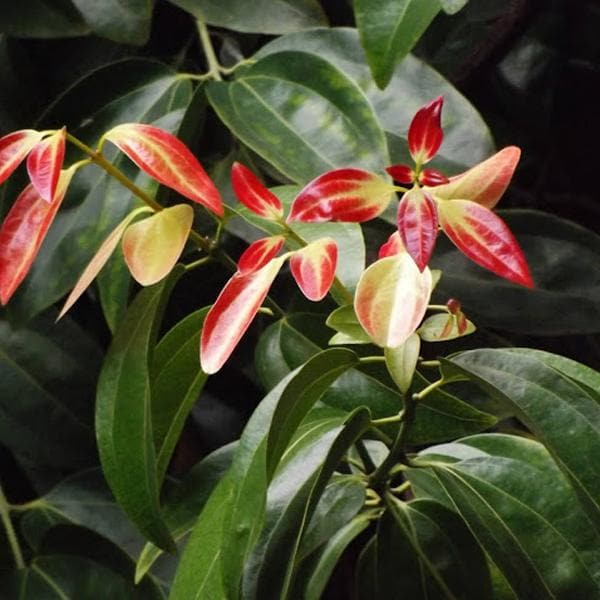
Indian Cinnamon, scientifically known as Cinnamomum verum, is a tropical evergreen tree native to the Indian subcontinent. Renowned for its aromatic bark, this plant is not only a culinary delight but also a treasure trove of health benefits. With its glossy green leaves and delicate yellow flowers, the Indian Cinnamon plant adds beauty to any garden while providing a sustainable source of one of the world's most beloved spices.
What makes Indian Cinnamon special is its unique flavor profile and medicinal properties. Unlike its Cassia counterpart, Indian Cinnamon is sweeter and more fragrant, making it a preferred choice for gourmet cooking. Rich in antioxidants and anti-inflammatory compounds, it has been used in traditional medicine for centuries to aid digestion, regulate blood sugar levels, and boost overall health.
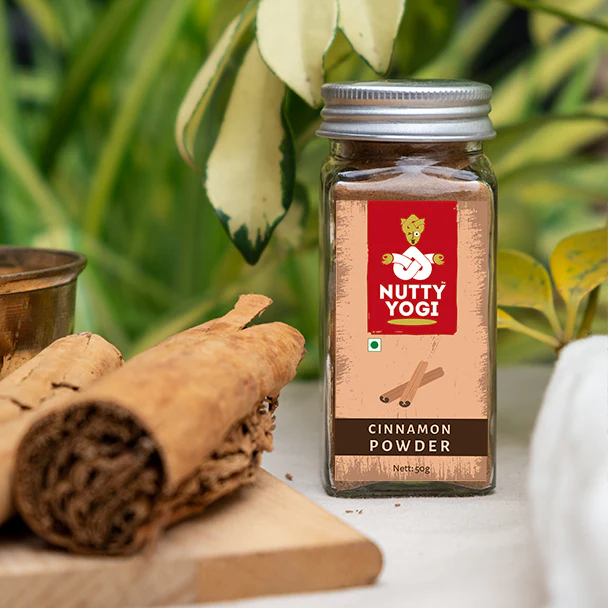
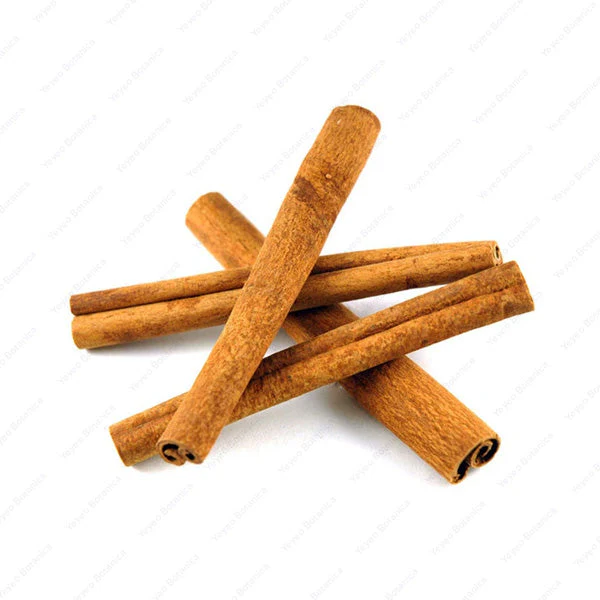
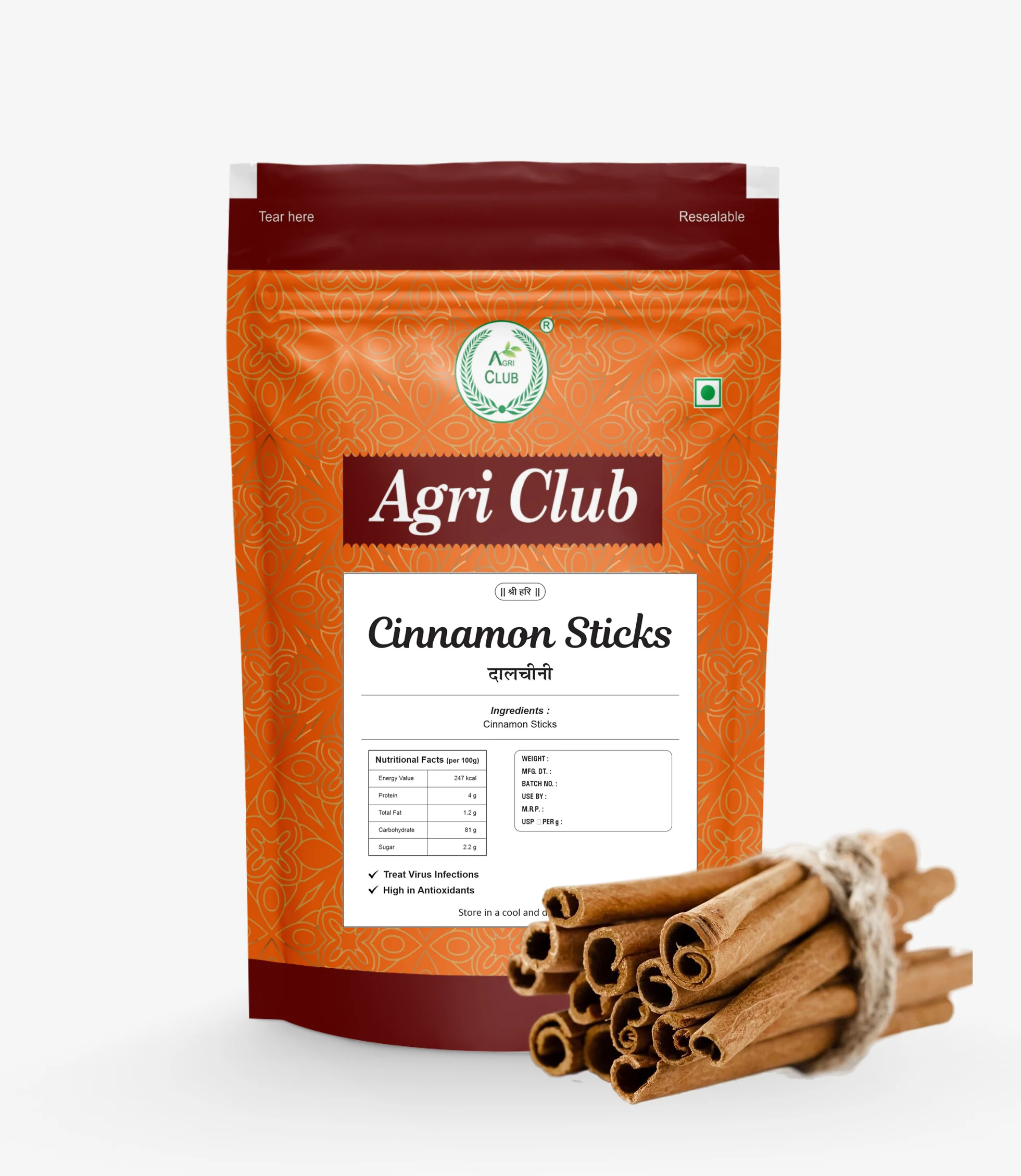
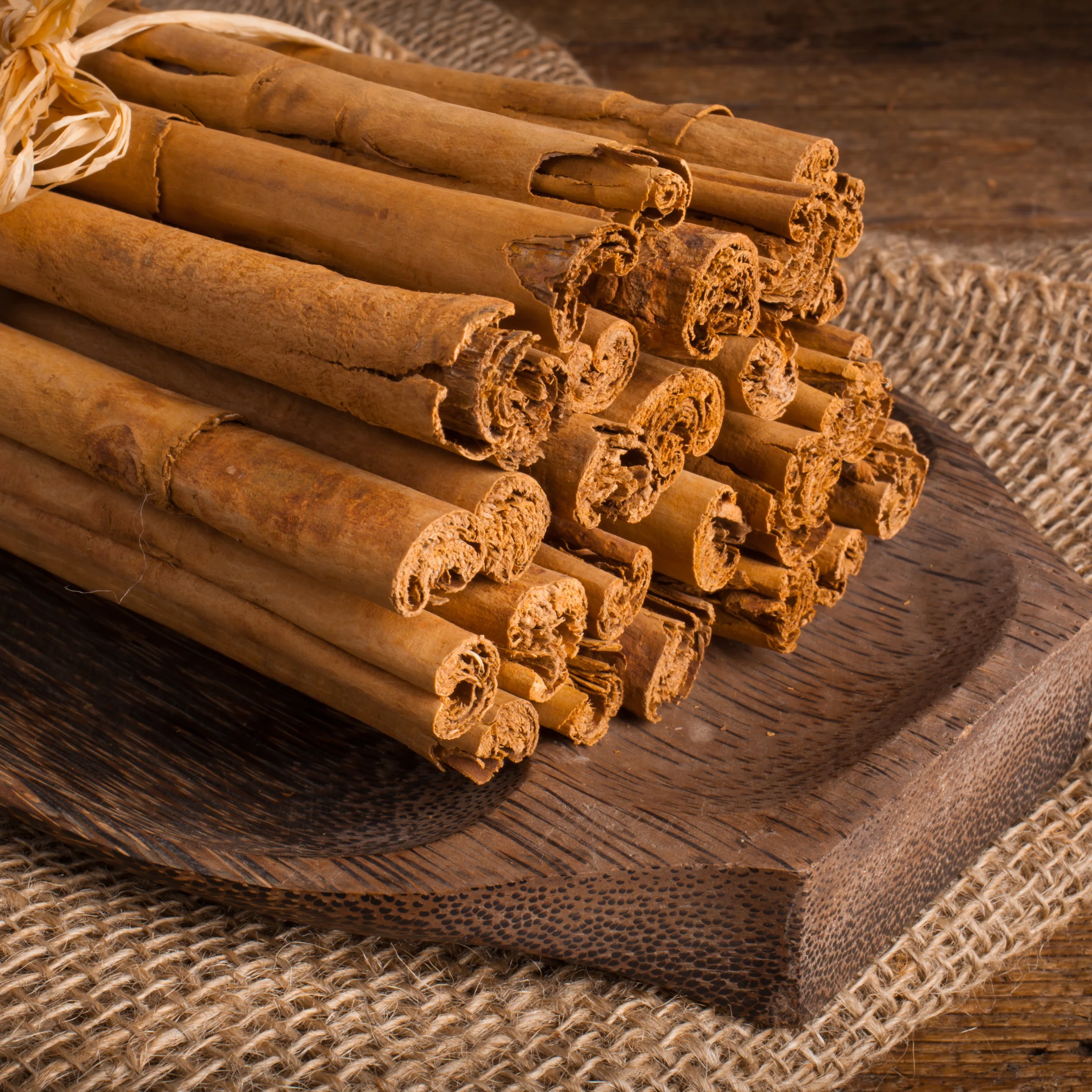
This plant's special feature lies in its bark, which is harvested and dried to produce the aromatic cinnamon sticks we all know. The essential oils extracted from the leaves and bark are also used in aromatherapy and natural remedies, showcasing the plant's versatility and value.
Growing Instructions:
- Plant in well-draining soil with a pH of 5.5 to 6.5.
- Choose a location with full sun to partial shade.
- Water regularly, ensuring the soil remains moist but not waterlogged.
- Fertilize with a balanced fertilizer every 4-6 weeks during the growing season.
- Prune the plant to encourage bushy growth and remove any dead or diseased branches.
Care Instructions:
- Protect from frost; ideal temperature is between 60°F to 80°F (15°C to 27°C).
- Monitor for pests like aphids and spider mites; treat with organic insecticides if necessary.
- Mulch around the base to retain moisture and suppress weeds.
- Repot every 2-3 years to refresh soil and promote healthy growth.
Uses:
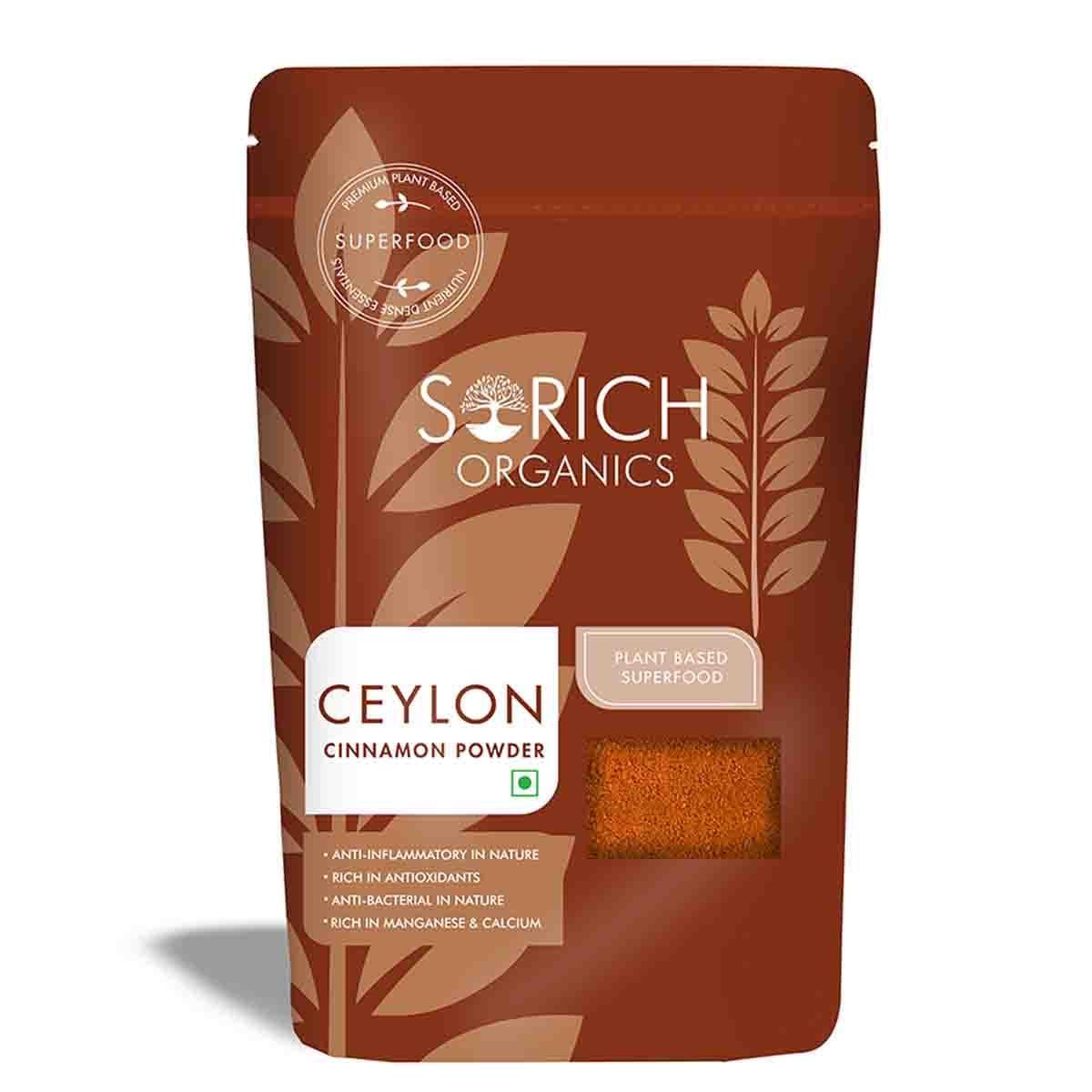
- Use the bark to make cinnamon sticks for cooking and baking.
- Extract essential oils for use in aromatherapy and natural remedies.
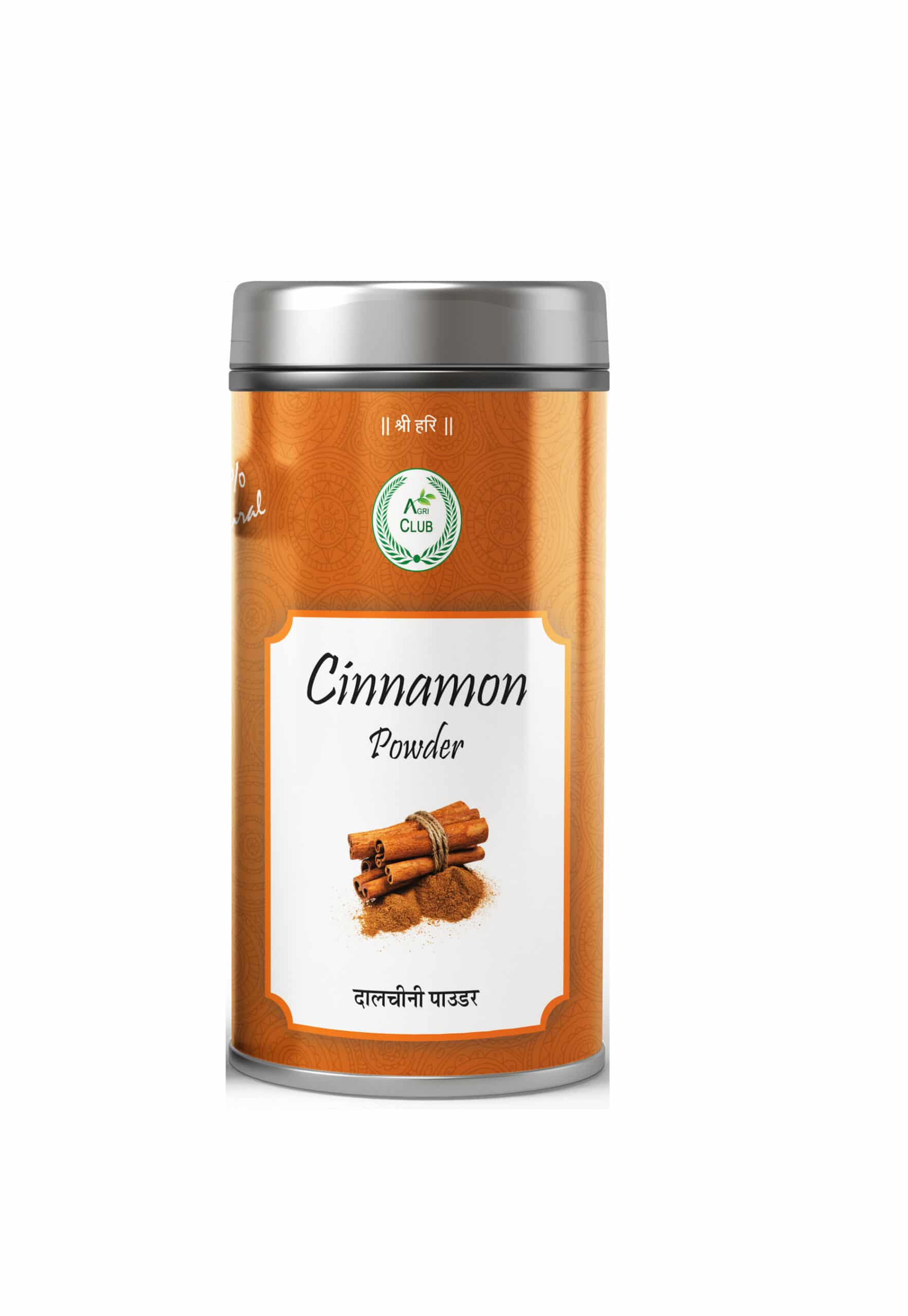
- Add ground cinnamon to beverages, desserts, and savory dishes for enhanced flavor.
- Utilize leaves for herbal teas and traditional medicine.
Fun Facts:
- Indian Cinnamon is often referred to as "true cinnamon" due to its superior quality.
- Historically, it was so valuable that it was used as currency in ancient trade.
- Cinnamon has been found to have antimicrobial properties, making it beneficial for food preservation.
- The tree can grow up to 15-20 meters tall and can live for over 100 years.
Environmental Impact:
Growing Indian Cinnamon contributes positively to the environment by promoting biodiversity and providing habitat for various species. Its cultivation can help prevent soil erosion and improve soil health, making it a sustainable choice for gardeners and farmers alike.
Coupons
Delivery
You may also like