Description
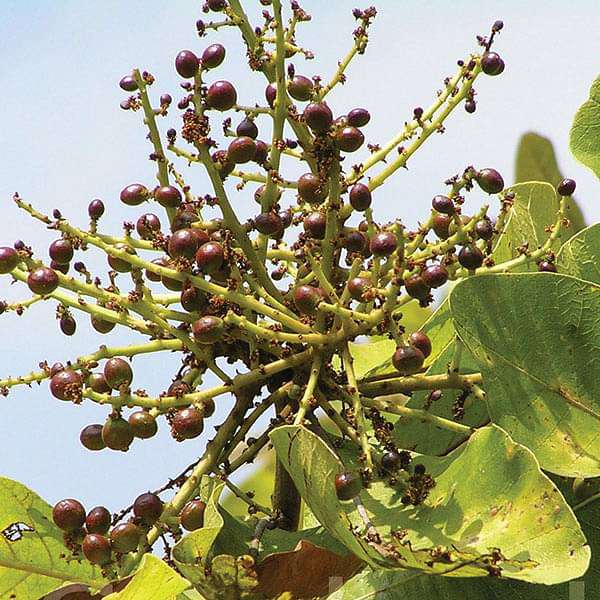
Buchanania latifolia, commonly known as the Indian Wild Almond or the Indian Nut, is a deciduous tree native to the tropical regions of India and Southeast Asia. This remarkable tree can grow up to 20 meters tall and features a broad, spreading crown with glossy, dark green leaves. The tree produces small, fragrant flowers that give way to edible, almond-like fruits, making it a valuable addition to both gardens and natural landscapes.
With its impressive height and lush foliage, Buchanania latifolia not only enhances the aesthetic appeal of any environment but also plays a crucial role in local ecosystems. Its fruits are a food source for various wildlife, while its leaves provide shade and habitat for numerous species.
Why It's Special
Buchanania latifolia is celebrated for its dual purpose: it serves as both an ornamental tree and a source of nutritious nuts. The tree's ability to thrive in diverse soil types and its resilience to drought make it a sustainable choice for reforestation and landscaping projects. Additionally, its nuts are rich in healthy fats and proteins, making them a sought-after food source in many cultures.
Special Features
This tree is not only visually striking but also environmentally beneficial. Its deep root system helps prevent soil erosion, while its dense canopy provides essential shade for undergrowth. Buchanania latifolia is also known for its medicinal properties, with various parts of the tree being used in traditional medicine to treat ailments.
Growing Instructions
- Plant in well-drained soil with good sunlight exposure.
- Ideal planting time is during the monsoon season for optimal growth.
- Space trees at least 10 meters apart to allow for their expansive growth.
Care Instructions
- Water regularly during dry spells, especially in the first two years.
- Apply organic mulch to retain soil moisture and suppress weeds.
- Prune dead or damaged branches annually to promote healthy growth.
Uses
- Edible nuts can be consumed raw or roasted, adding nutritional value to diets.
- Wood is used in construction and furniture making due to its durability.
- Leaves and bark have traditional medicinal uses in various cultures.
Fun Facts
- Buchanania latifolia is often referred to as the "Tree of Life" in local folklore.
- The tree can live for over 100 years, making it a long-term investment for any landscape.
- Its nuts are not only delicious but also have a high oil content, making them a potential source for biofuel.
Environmental Impact
Buchanania latifolia plays a significant role in maintaining biodiversity. Its fruits attract various birds and mammals, contributing to seed dispersal and promoting a healthy ecosystem. Additionally, the tree's ability to sequester carbon makes it an excellent choice for combating climate change.
Benefits
Coupons
Delivery
Reviews
You may also like