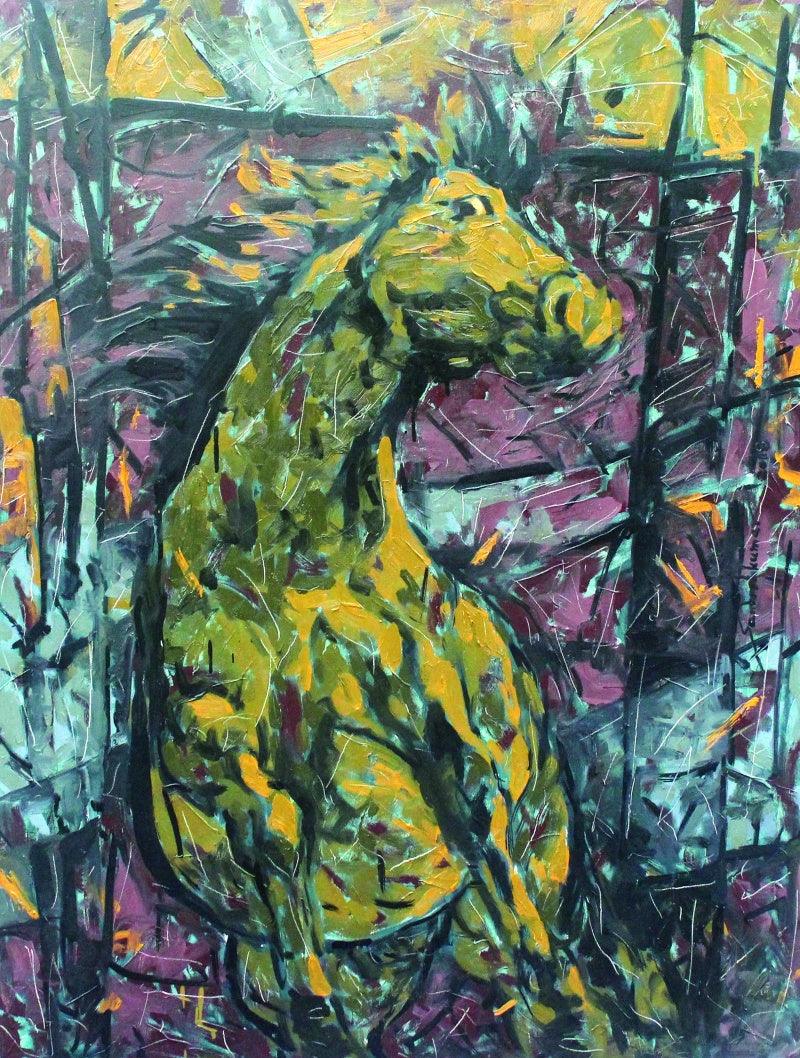
Sold (The Gallop)
₹120,000
Out of stock · ★ 4.0 (7)checking live price…
Size
48x36Type
OriginalMaterial
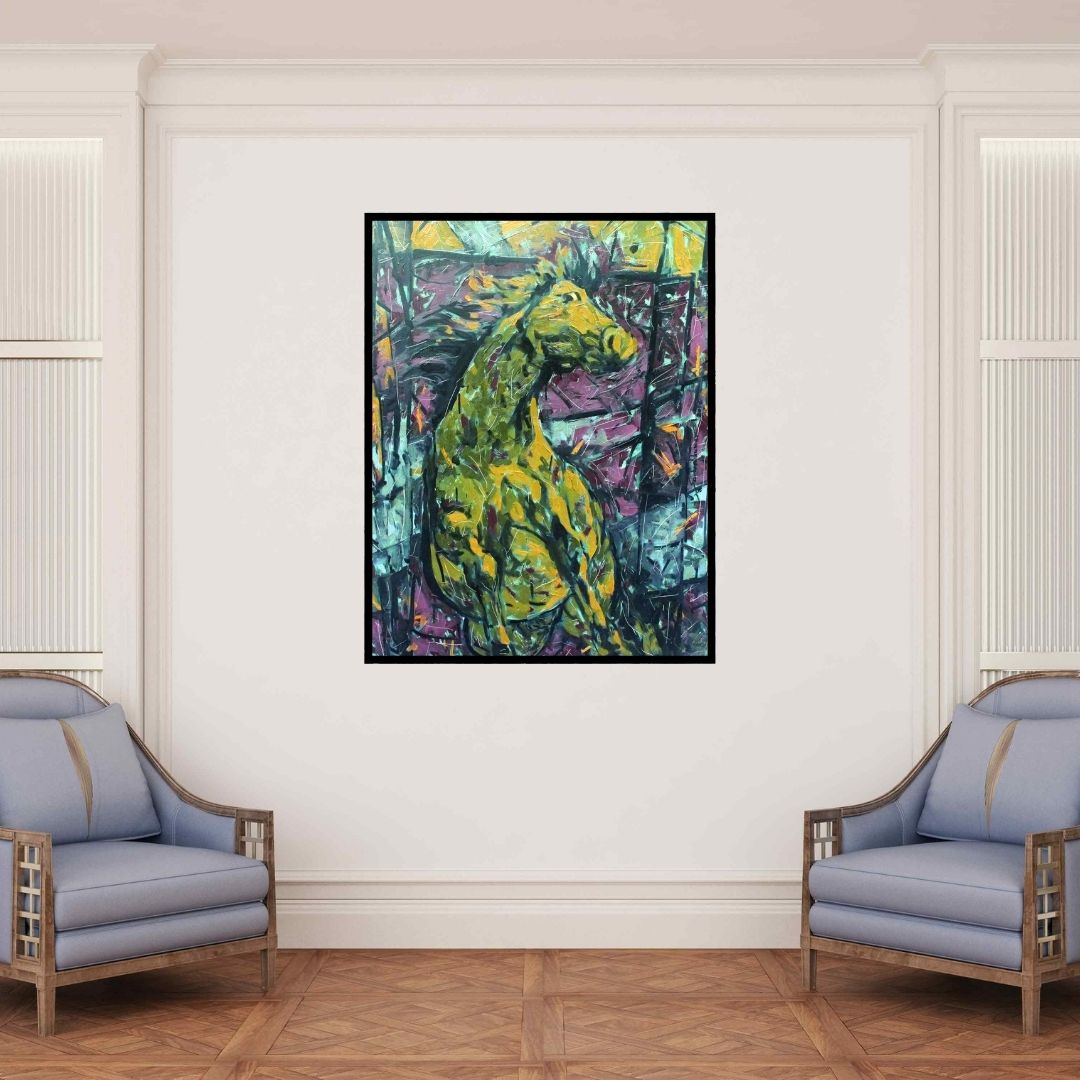
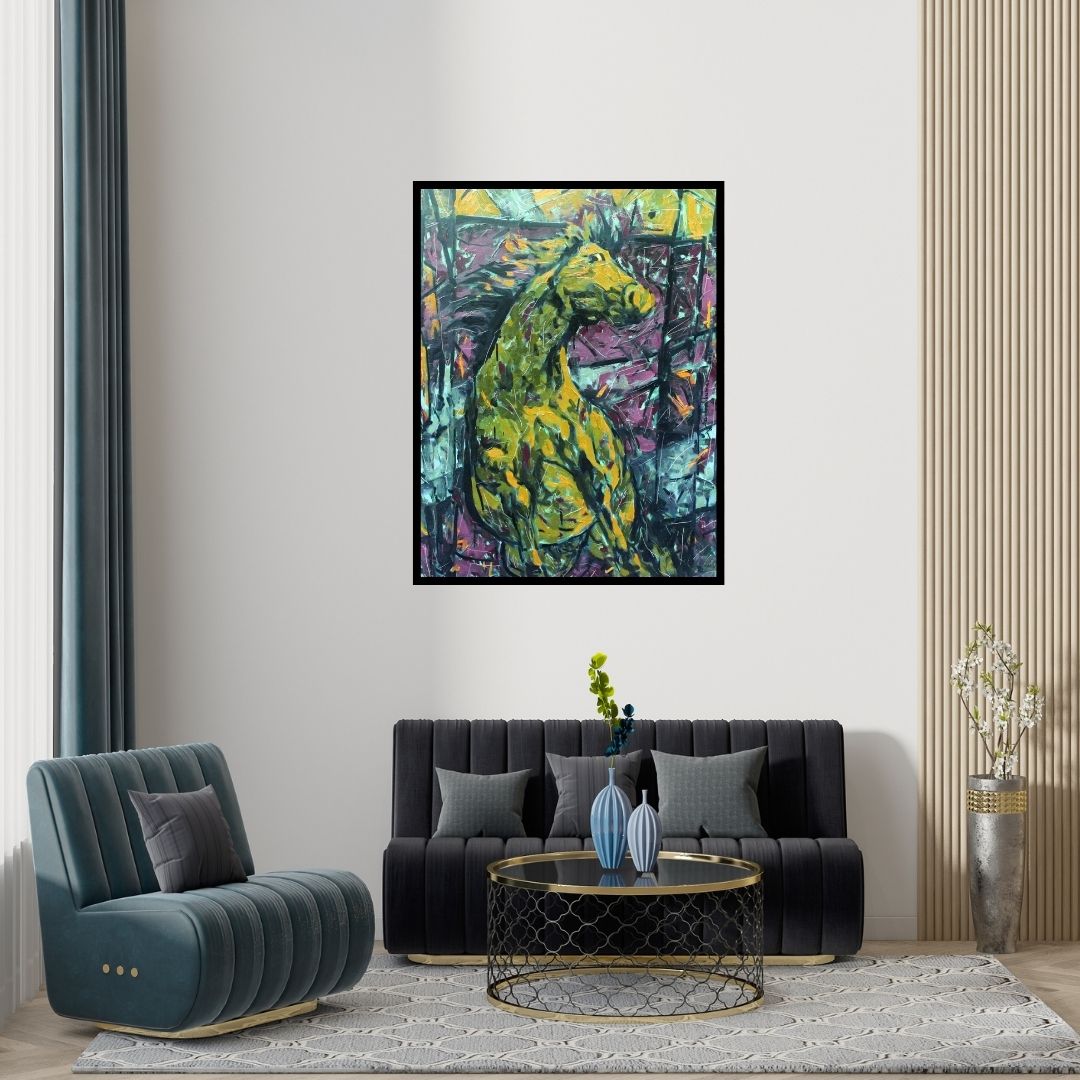
CanvasA solitary horse, rendered in bruised violets and acidic greens, emerges as both body and apparition—its bowed head and arched spine forming a quiet elegy of endurance. The composition is fractured by hard, scaffold-like lines and scratched gestures, as if the animal is held within an urban lattice or a psychological cage, where movement becomes resistance rather than escape. Light is not naturalistic but electrical, flickering in ochres and teal; it chisels the musculature into restless facets, suggesting strength under pressure and the dignity of survival amid confinement. In this tension between painterly ferocity and tender vulnerability, the horse becomes a symbol of instinct trying to breathe inside constructed order.
Delivery
You may also like
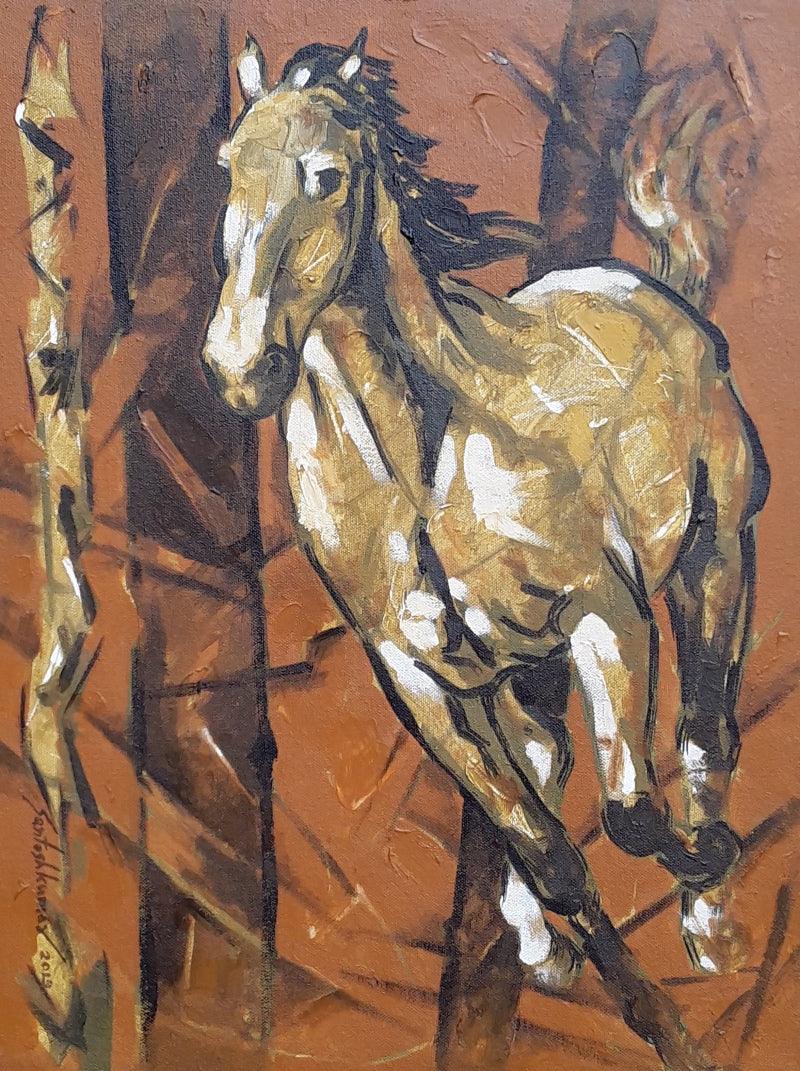
Sold (Galloping Horse)
Artzolo
₹28,000
★ 4.0 (12)
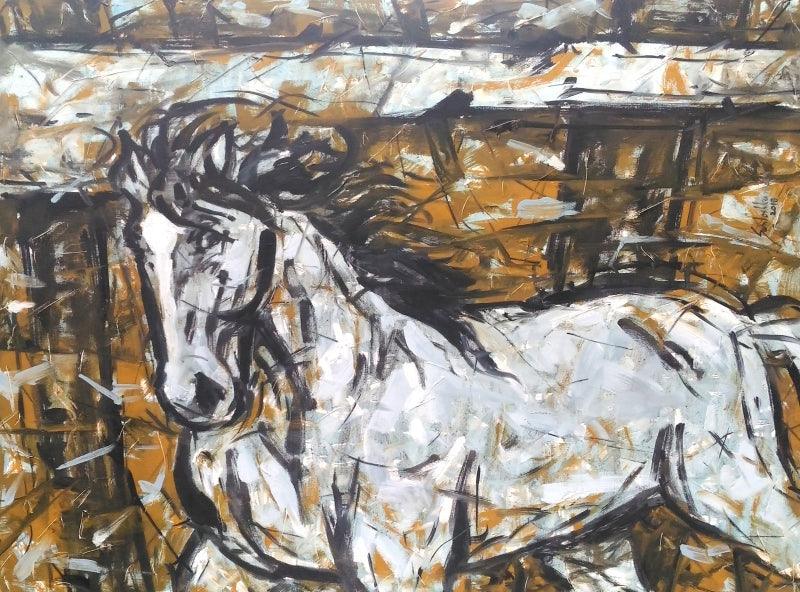
Untitled 71 (The Gallop)
Artzolo
₹120,000
★ 5.0 (11)
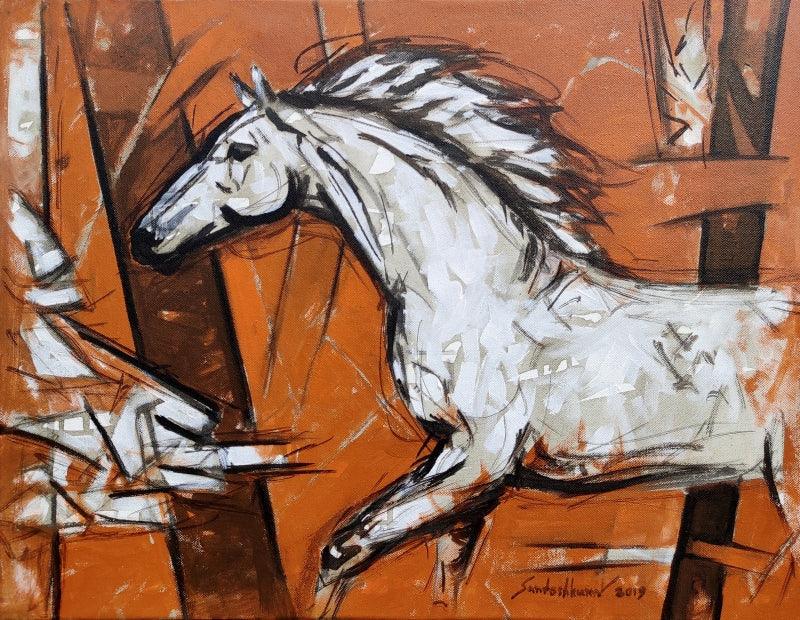
Untitled 75 (The Gallop)
Artzolo
₹25,000
★ 5.0 (9)
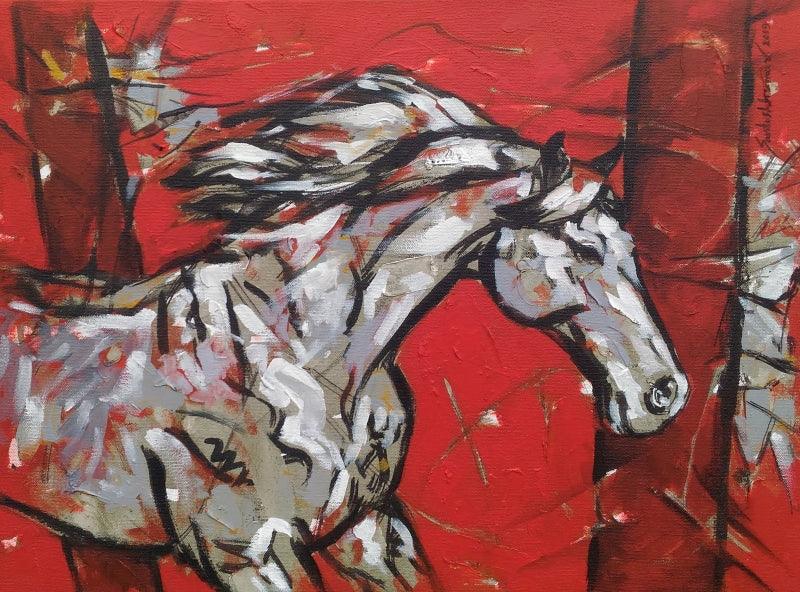
Untitled 72 (The Gallop)
Artzolo
₹28,000
★ 4.0 (11)
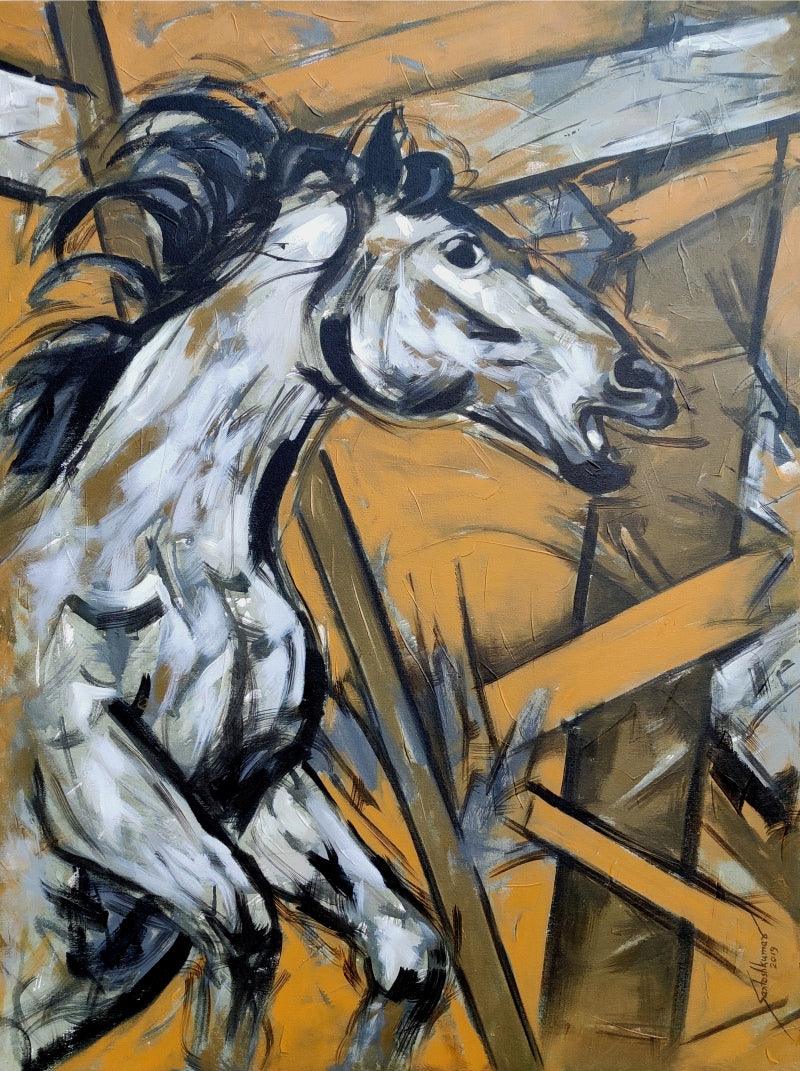
Untitled 76 (Leap of Freedom)
Artzolo
₹96,000
★ 4.0 (14)
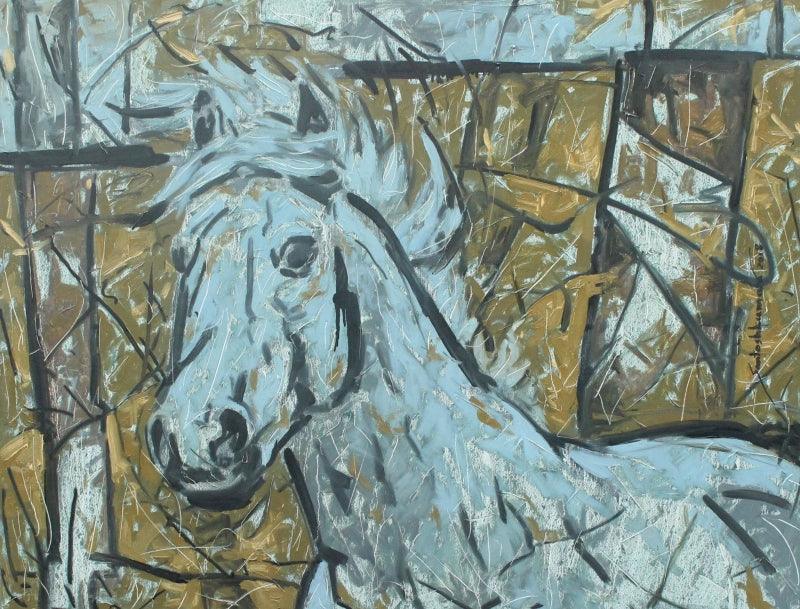
Untitled 61 (Two Horses)
Artzolo
₹120,000
out of stock
★ 4.0 (6)
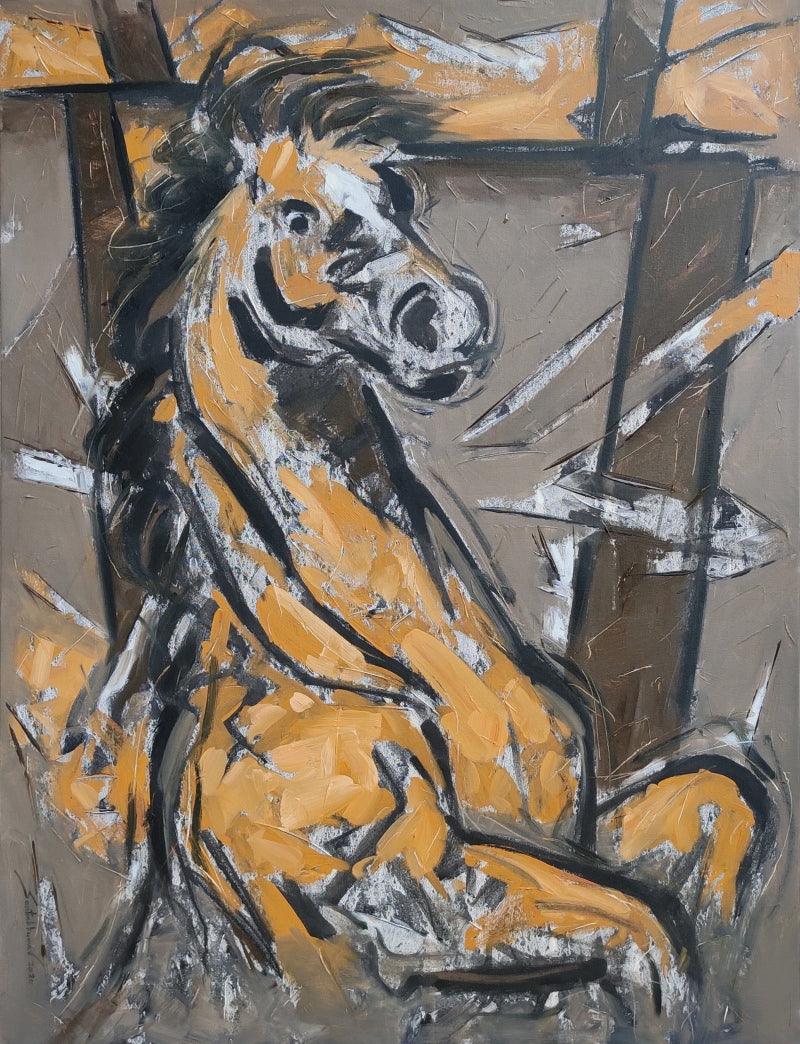
Untitled 95 (The Dreamer)
Artzolo
₹120,000
★ 4.0 (6)
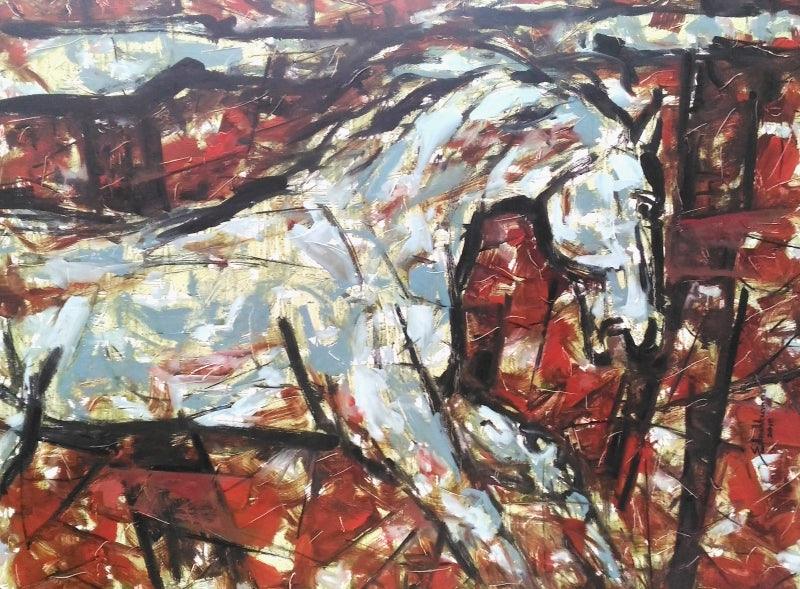
Untitled 70 (The Gallop)
Artzolo
₹120,000
★ 5.0 (8)