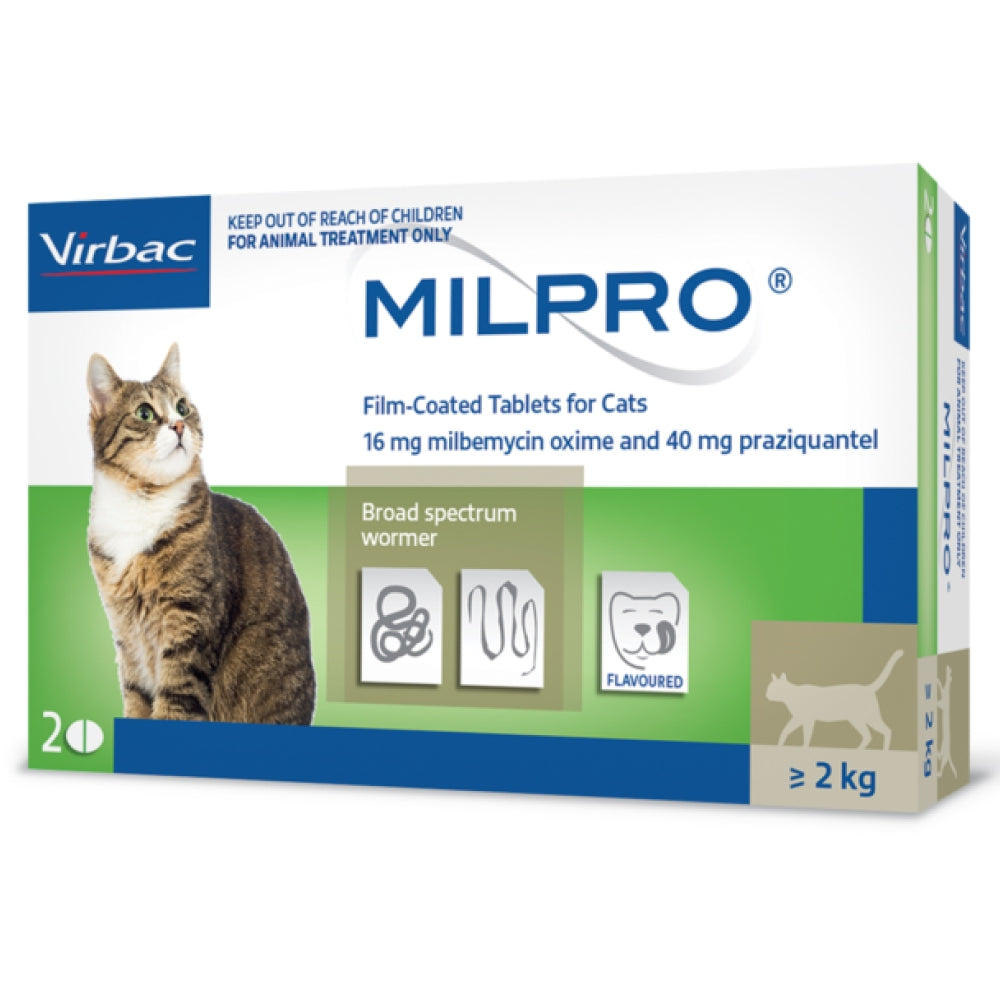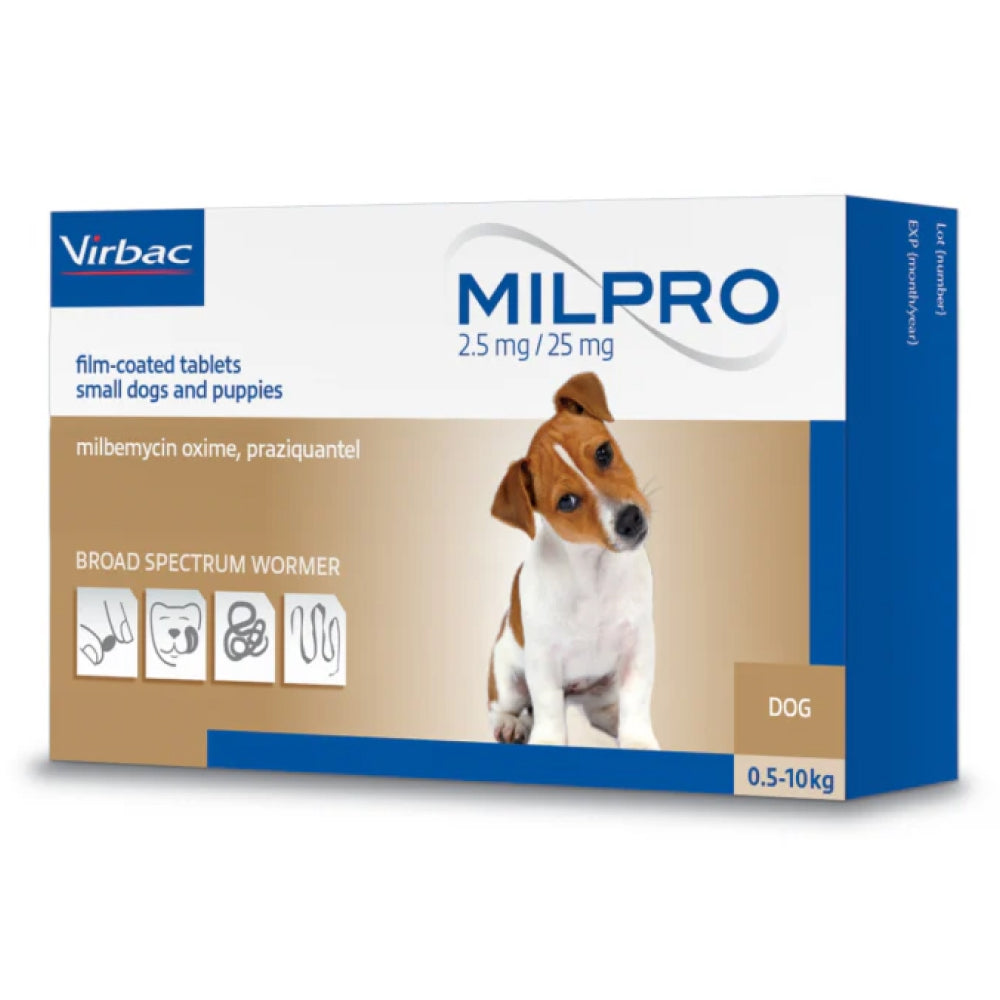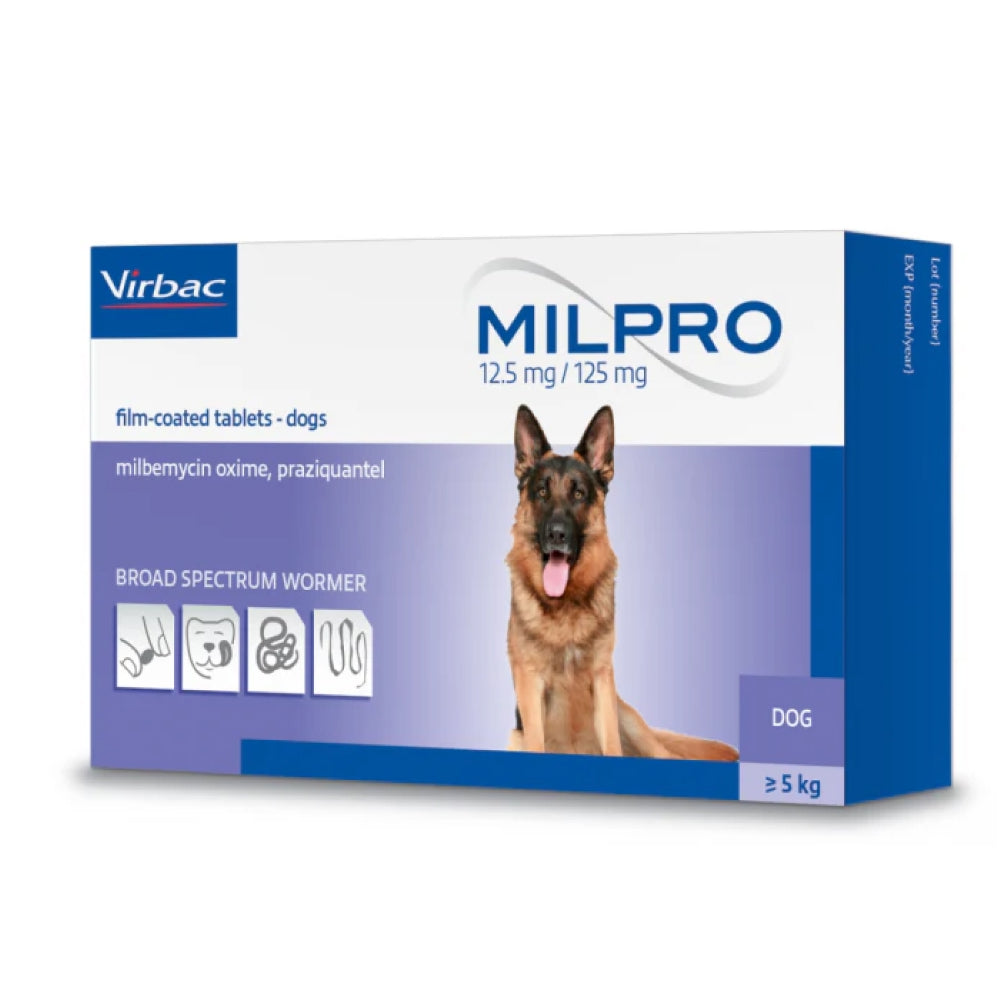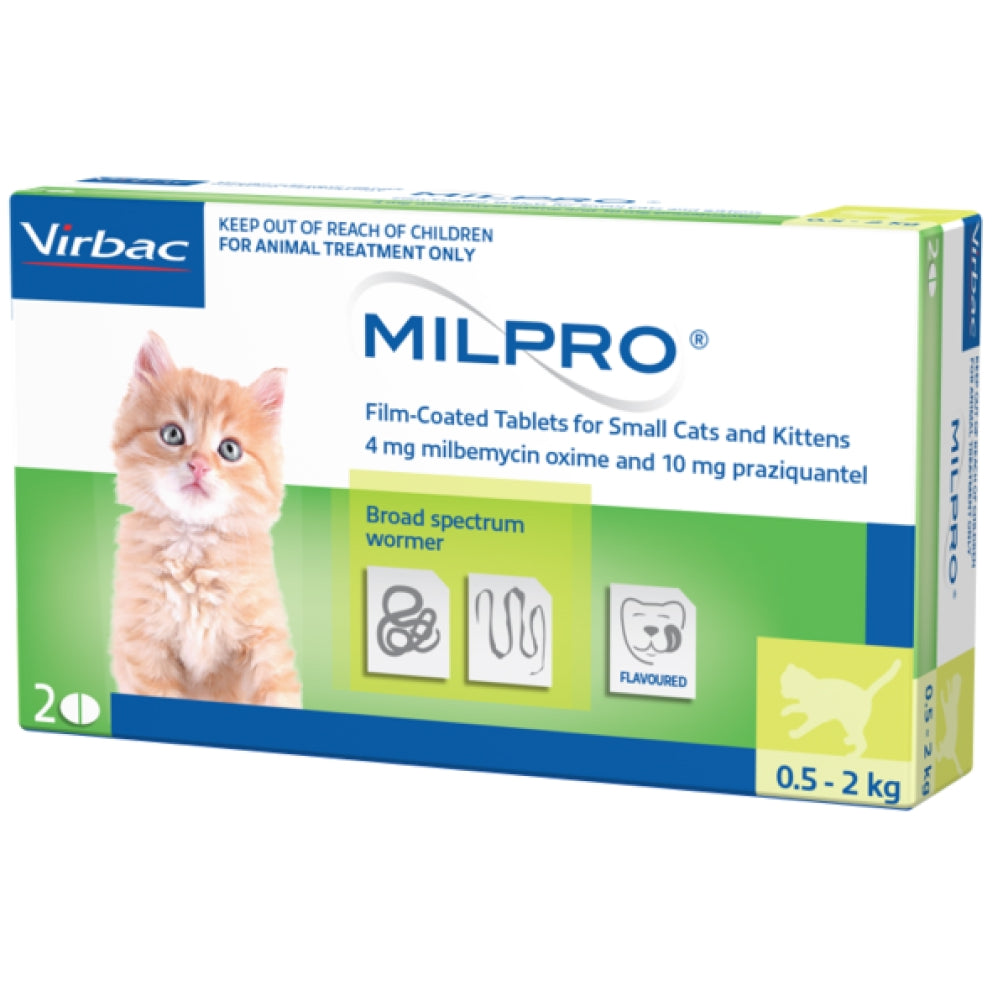
Virbac Milpro Dewormer for Small Cats & Kittens (0.5kg to 2kg)
Virbac Milpro Dewormer for Small Cats & Kittens -- Broad-Spectrum Worm Protection in One Small Tablet
Indoor cats can get worms too. They pick them up while grooming, from accidentally ingesting a flea, or even just from their environment. And because worms live and feed inside your cat's gut -- quietly stealing nutrients and causing discomfort -- many cats show no obvious symptoms until the infestation is already significant.
The Virbac Milpro Dewormer for Small Cats & Kittens is one of the most trusted vet-recommended deworming tablets available in India, designed specifically for small cats and kittens weighing between 0.5 kg and 2 kg. It's a broad-spectrum treatment, meaning it goes after multiple types of worms in a single dose -- not just one. Manufactured by Virbac S.A. in France and marketed in India by Virbac Animal Health India Pvt. Ltd., this is pharmaceutical-grade deworming medicine that vets across the country rely on for both treatment and prevention.
Each tablet contains Milbemycin Oxime (4 mg) and Praziquantel (10 mg). The tablets are small, film-coated, and flavoured with natural poultry liver -- which helps considerably with the universal cat parent challenge of getting a suspicious cat to take medicine willingly.
What Are Its Uses and Benefits?
The Milpro dewormer for small cats and kittens covers a wide range of intestinal worms in a single dose. Here's what it treats:
- Roundworms (Toxocara cati and Toxascaris leonina) are among the most common parasites in cats and kittens in India, especially in rescues. They cause a bloated belly, vomiting, and stunted growth in young cats. Milpro eliminates both larval and adult stages.
- Hookworms (Ancylostoma tubaeforme) attach to the intestinal wall and feed on blood. In kittens especially, this can cause anaemia, weakness, and pale gums. Milpro covers both larval and adult hookworms.
- Tapeworms (Dipylidium caninum, Taenia spp., Echinococcus spp., Mesocestoides spp., Joyeuxiella pasqualei) are flatworms your cat can pick up from ingesting a flea or eating infected prey. You might notice tiny white segments -- they look like grains of rice -- near your cat's rear end or in their stool. Milpro covers all tapeworm life stages.
- Beyond treatment, when given monthly, Milpro also helps prevent heartworm infestation in cases where tapeworm treatment is simultaneously required -- an important bonus given India's mosquito exposure.
- For a deeper read on how worms affect cats and what to watch for, this cat deworming guide on Supertails covers it well.
What Are The Side Effects?
Virbac Milpro is generally very well-tolerated by cats and kittens. Most will have no reaction at all. That said, here's what to be aware of:
- Mild and short-lived digestive upset -- including vomiting, loose stool, or reduced appetite -- can occasionally occur in the 24 hours following administration. This usually resolves on its own. Some cats may seem slightly quieter or less energetic for a day after dosing; again, this tends to pass quickly. In cases of significant overdose (well above the recommended dose), tremors or unsteadiness have been reported in some cats, though these symptoms disappear within a day. At the correct dose, this is not a concern.
- If your cat shows any unusual or prolonged symptoms after taking Milpro, contact your vet. Don't wait and hope it passes on its own.
How to Use The Product?
- The Milpro tablet for small cats and kittens is scored, meaning it can be split in half for very small kittens who fall in the lower weight range. Always weigh your cat or kitten before dosing -- the correct dose is based on body weight, not age alone.
- The dosing guide for this variant (0.5 kg to 2 kg) is as follows:
| Body Weight | Dose |
|---|---|
| 0.5 kg -- 1 kg | ½ tablet |
| 1 kg -- 2 kg | 1 tablet |
- The tablet can be given with food or without -- either works. For cats who are reluctant, you can hide it in a small piece of meat or mix it into a portion of wet food. If you're giving half a tablet, store the remaining half in the original blister pack, sealed as tightly as possible -- it remains usable for up to six months.
- If you're treating multiple cats in the same household, make sure each one gets their individual dose and actually swallows it fully. Watch for a few minutes after giving the tablet to confirm it's been consumed. If your cat spits it out, re-dose with the full amount as soon as possible.
- Kittens should be dewormed at 6, 8, 10, and 12 weeks of age, then monthly until they are 6 months old. After that, adult cats are typically dewormed every 3 months -- though your vet may recommend a different schedule based on your cat's lifestyle and risk exposure. Nursing queens should be treated alongside their kittens.
Here's a video demonstrating how to give the tablet to your cat.
How Does The Drug Work?
- Milpro works through two active ingredients that each target different types of worms -- working together to give complete coverage.
- Milbemycin Oxime handles the roundworms and hookworms. It works by increasing the permeability of the worm's nerve cell membranes to chloride ions, which essentially disrupts the signals their nervous systems depend on. The result is paralysis and the worms are then expelled naturally from your cat's digestive system. This ingredient also prevents the development of heartworm larvae in cats when given monthly.
- Praziquantel takes care of the tapeworms. Rather than paralysing them, it interferes with how the tapeworm manages calcium inside its muscle cells. This causes the tapeworm's muscles to contract uncontrollably, which either kills the worm outright or causes it to detach from the intestinal wall so it can be expelled. It works against all life stages of tapeworms -- which is why Milpro can clear even an established tapeworm infestation in a single dose.
- Neither ingredient leaves significant residue in your cat's body -- the worms are expelled through the digestive system, and the drug clears naturally.
Safety Advice
- This product is for cats and kittens only. Do not use the cat formulation on dogs -- the two versions are formulated differently and should never be swapped.
- Do not use Milpro on kittens under 6 weeks of age, or weighing less than 0.5 kg. Their systems are simply not ready for it.
- Do not use on cats who are severely ill, debilitated, or have known kidney or liver problems without first consulting your vet -- no safety data exists for these cases and a vet's risk assessment is essential.
- Do not use alongside other antiparasitic treatments containing macrocyclic lactones without checking with your vet first, as this combination requires careful consideration.
- If your area has a known heartworm risk, your vet should assess whether your cat should be tested for existing heartworm infection before starting Milpro, since the safety of this product in heartworm-positive cats has not been fully established.
- Wash your hands after handling the tablets. Keep the product stored at or below 30°C in the original packaging. Keep away from children and other animals.
- One more thing worth knowing: some worms -- particularly Echinococcus tapeworms -- can be transmitted from cats to humans. This is called a zoonosis. If this worm type has been confirmed in your cat, follow your vet's specific guidance carefully and take hygiene precautions seriously.
What To Do If You Miss A Dose?
- For kittens on a structured early deworming schedule, timing matters more than with adults -- so if you miss a dose, give it as soon as you remember and then recalculate your schedule from that new date.
- For adult cats on a 3-monthly routine, if you miss a dose, simply give it when you remember and reset from there. Do not double the dose to compensate. One tablet per scheduled dose is all that's needed regardless of how much time has lapsed since the last one.
- Setting a recurring calendar reminder on your phone the day you first deworm your kitten or cat is the simplest way to stay on track. Consistent deworming is the most effective way to keep your cat protected.
What Are The Substitutes For This Product?
If Milpro for small cats and kittens is unavailable, or your vet suggests trying a different formulation, here are other deworming options for cats available on Supertails. Always check with your vet before switching, as different products have different active ingredients, coverage profiles, and appropriate weight ranges.
| Product | Active Ingredient | Form |
|---|---|---|
| Virbac Milpro Dewormer for Cats (above 2 kg) | Milbemycin Oxime + Praziquantel | Tablet |
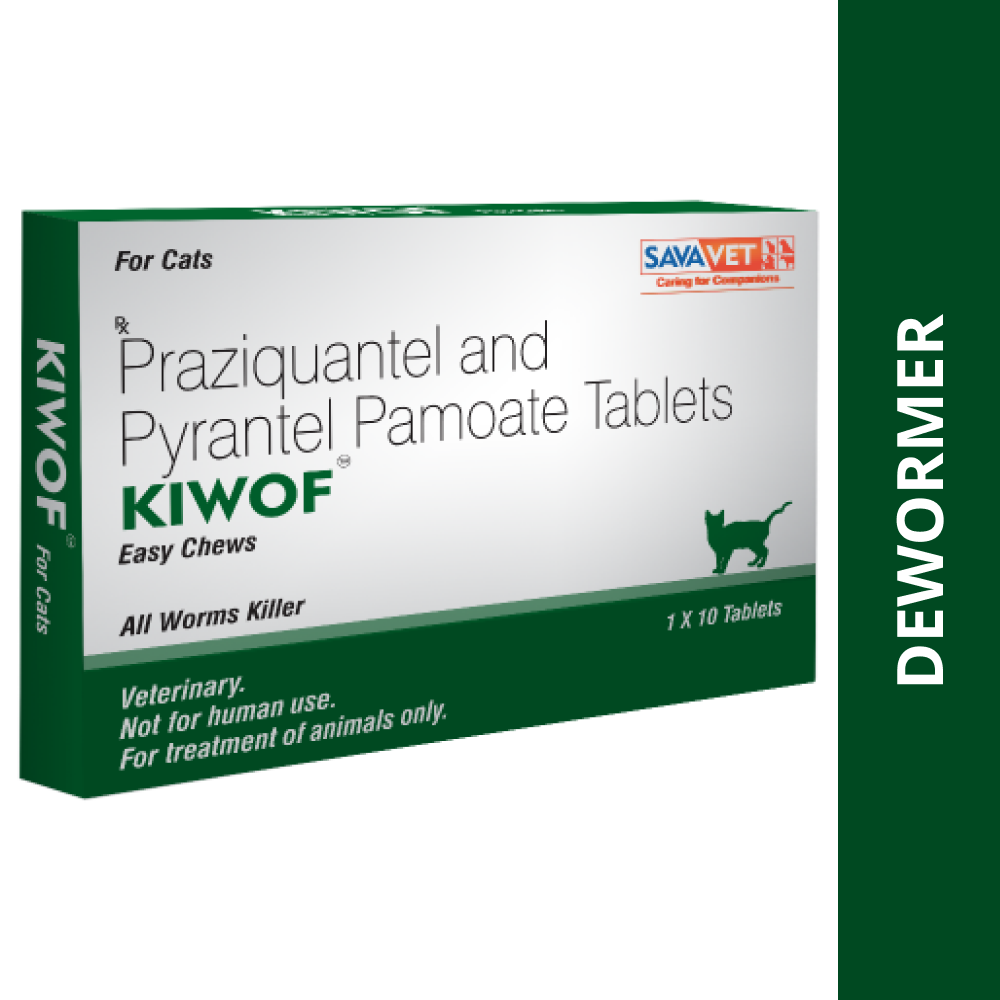
| Savavet Kiwof Cat Deworming Tablet | Pyrantel + Praziquantel | Tablet |
| Areion Vet Feli D Deworming Suspension for Cats | Febantel + Pyrantel + Praziquantel | Liquid Suspension |
Quick Tips
- Weigh your kitten before every dose during their early months -- they grow fast, and the correct dose changes as they cross weight thresholds. A kitchen scale works perfectly.
- If your kitten refuses the tablet even hidden in food, try a different food or hold the tablet briefly between your fingers to warm it slightly -- some cats respond better to a tablet that isn't fridge-cold.
- If you see worms in your cat's litter box or around their bottom after deworming -- don't panic. That's the product working. The worms are being expelled, which is exactly what you want.
- Fleas and tapeworms are closely connected -- a cat who swallows an infected flea while grooming can end up with a tapeworm infestation. If you're treating for worms, make sure you're also managing flea control. The cat fleas and ticks treatment guide on Supertails explains this link clearly.
- Store any unused half-tablets in the original sealed blister pack. Don't transfer them to another container.
- If you have multiple cats, treat all of them at the same time -- even if only one seems unwell. Worms spread easily between cats sharing a space and a litter box.
Vets Also Recommend
- Browse the full deworming medicine for cats collection to compare all available dewormer options by formulation, brand, and cat size.
- For cats who need flea and worm coverage together, the cat fleas and ticks collection has spot-ons and sprays that can be used alongside Milpro for comprehensive protection.
- If you have a new kitten, the kitten corner brings together everything you need in the early months -- from food and supplements to health essentials -- all in one place.
- For cats dealing with digestive discomfort after deworming or in general, the cat health and wellness section has vet-approved supplements and health aids to support recovery and ongoing gut health.
- And if you'd like a vet to guide you on the right deworming schedule, dose, and combination of treatments specifically for your cat's age, weight, and lifestyle -- Supertails' online vet consultation service is available whenever you need it.
Disclaimer: Supertails' sole intention is to ensure that its consumers get information that is expert-reviewed, accurate, and trustworthy. However, the information contained herein should NOT be used as a substitute for the advice of a qualified physician. The information provided here is for informational purposes only. This may not cover everything about particular health conditions, lab tests, medicines, all possible side effects, drug interactions, warnings, alerts, etc. Please consult your doctor and discuss all your queries related to any disease or medicine. We intend to support, not replace, the doctor-patient relationship.
Your Kitten Deserves a Worm-Free Start -- Make It Happen Today
Worms are one of the most preventable threats to your kitten's health, and Virbac Milpro is one of the most straightforward ways to stay on top of them. One small, palatable tablet. Complete coverage against roundworms, hookworms, and tapeworms. And a deworming schedule that fits into your routine without any drama.
Don't wait for symptoms to show up -- by the time you see them, the infestation is often already well-established. Consistent, scheduled deworming is the kindest thing you can do for your kitten's growing body. Shop the Virbac Milpro Dewormer for Small Cats & Kittens on Supertails and get it delivered right to your door.
FAQs
At what age can I start giving Milpro to my kitten?
Milpro for small cats and kittens can be given from 6 weeks of age, provided your kitten weighs at least 0.5 kg. Kittens should be dewormed at 6, 8, 10, and 12 weeks, then monthly until 6 months old. After that, a deworming dose every 3 months is the standard recommendation for most adult cats, though your vet may adjust this based on lifestyle.
Can I give Milpro to my cat with or without food?
Either works. The tablet can be given before, during, or after meals. For cats who are reluctant to take tablets, hiding it in a small amount of wet food or a piece of meat tends to work well. If you're mixing it into food, make sure your cat eats the entire portion so they get the full dose.
How do I know if the dewormer is working?
The most obvious sign is seeing dead or dying worms in your cat's litter box or around their bottom -- this is the product doing exactly what it should. Some cats also become more energetic and start eating better within a few days of deworming, as their body is no longer sharing nutrients with parasites. If symptoms like bloating or vomiting persist after 48 hours, speak to your vet.
My cat is pregnant -- can I give Milpro?
Nursing queens should be treated at the same time as their kittens. For pregnant cats, always consult your vet before administering any deworming medication -- including Milpro. Your vet will assess the timing and whether Milpro is appropriate given your cat's specific stage of pregnancy and overall health.
My indoor cat never goes outside. Does she still need deworming?
Yes. Indoor cats can still pick up worms -- through grooming themselves, from accidentally ingesting a flea (which can carry tapeworm larvae), or from parasites that get tracked indoors on shoes or clothing. Indian vets typically recommend deworming even indoor cats every 3 months as a preventive measure, not just when symptoms appear.
Can I use the cat version of Milpro on my dog?
No. The cat and dog formulations are different in both active ingredient concentrations and composition. Never interchange them. Always use the version specifically labelled for the species and weight range of the animal you are treating.
What should I do if my cat vomits the tablet shortly after taking it?
If your cat vomits within about an hour of taking the tablet and you're not sure whether the dose was absorbed, contact your vet for guidance. In most cases, re-dosing with the full amount is recommended, but it's always best to confirm with your vet rather than guessing.
How should I store the leftover half-tablet after splitting it?
Place the remaining half back into the original blister pack and press the foil back down as tightly as possible. Store it at or below 30°C, away from direct sunlight and moisture. A half-tablet stored this way in its original blister can be kept for up to 6 months before the next scheduled dose.
Delivery
You may also like