Khair, Senegalia Catechu - Plant
Khair (Senegalia Catechu) - The Versatile Plant
Khair, scientifically known as Senegalia catechu, is a remarkable tree native to the Indian subcontinent and Southeast Asia. Renowned for its durable wood and medicinal properties, Khair has been utilized for centuries in traditional medicine and construction. The tree thrives in a variety of soil types, making it an adaptable choice for both urban and rural landscapes.
Why It's Special
Khair is celebrated not only for its ecological benefits but also for its cultural significance. The heartwood of the tree is rich in tannins, which are used in dyeing and tanning industries. Additionally, Khair plays a vital role in soil conservation and provides habitat for various wildlife species, making it an essential component of its ecosystem.
Special Features
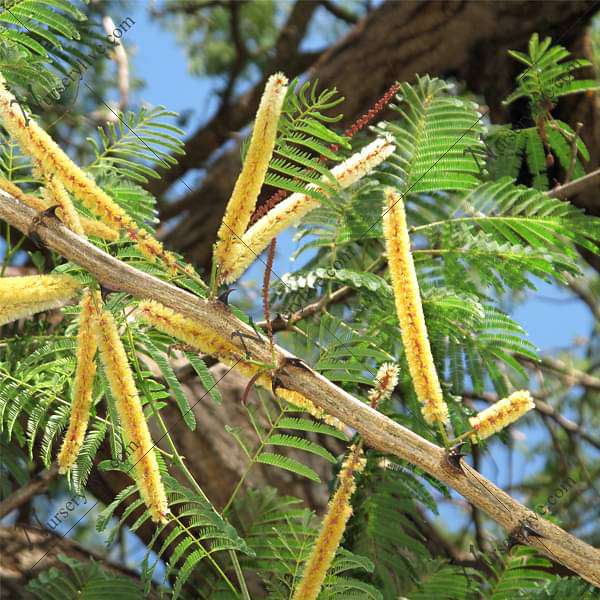
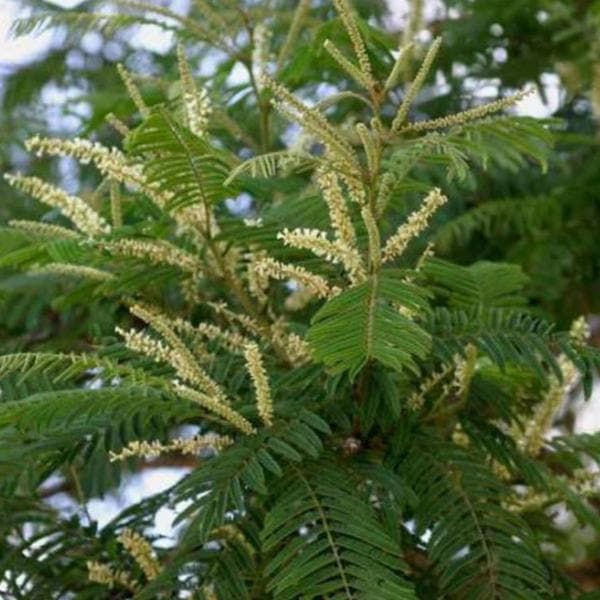
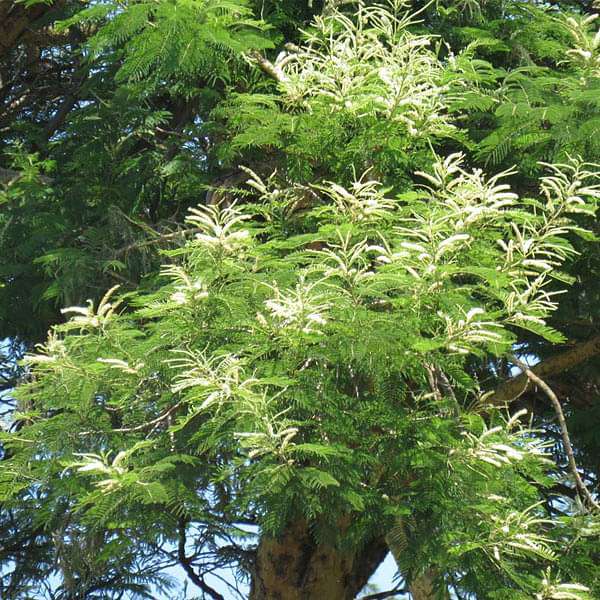
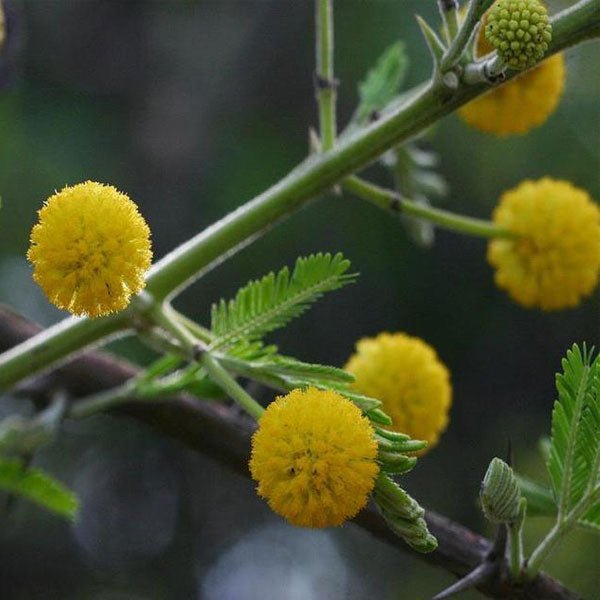
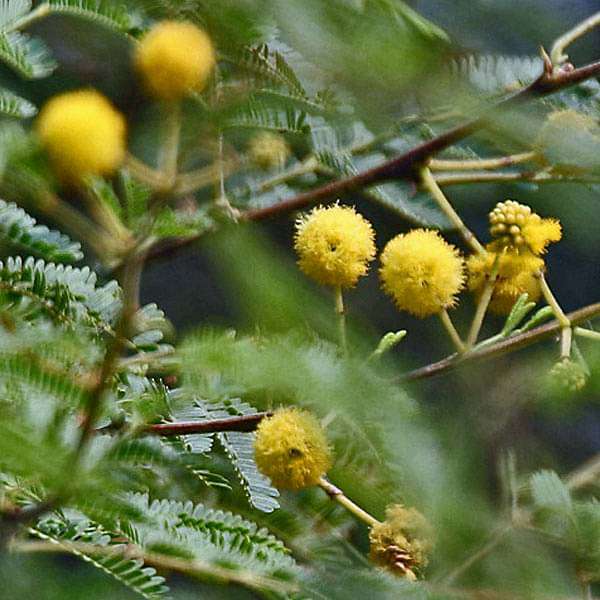
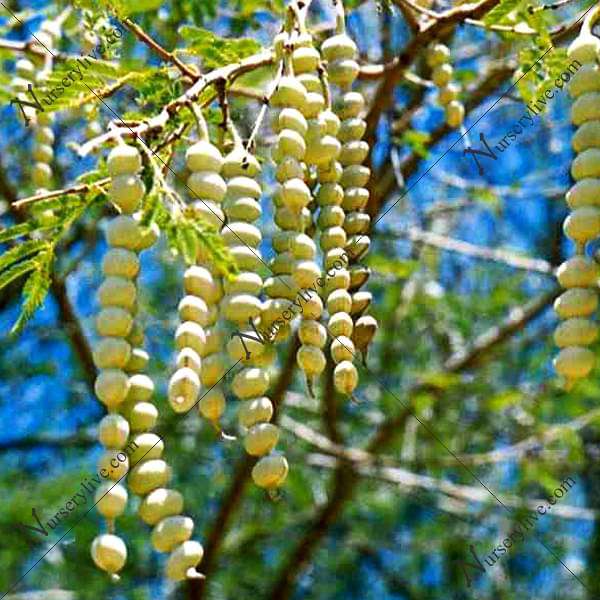
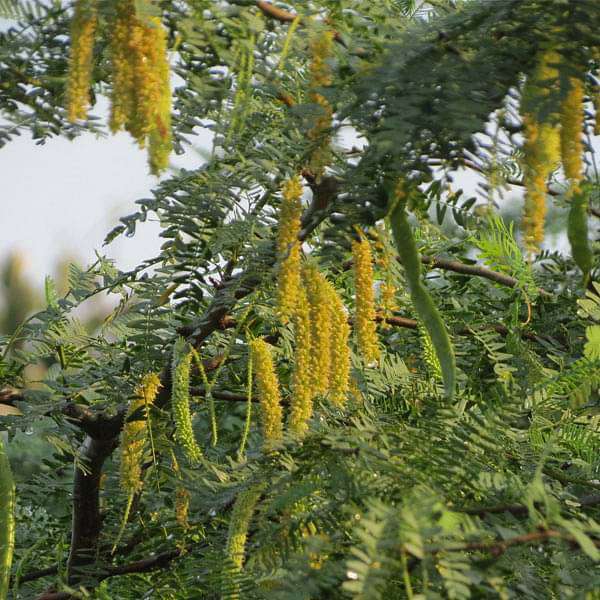
This deciduous tree can grow up to 20 meters tall and features a broad canopy that provides ample shade. Its small, fragrant flowers attract pollinators, while its pods are a food source for various animals. Khair's resilience to drought and poor soil conditions makes it a sustainable choice for reforestation projects.
Growing Instructions
- Plant in well-drained soil with a pH of 6.0 to 7.5.
- Choose a sunny location, as Khair thrives in full sunlight.
- Space plants at least 10-15 feet apart to allow for growth.
- Water regularly during the first year to establish roots.
Care Instructions
- Prune annually to maintain shape and remove dead branches.
- Fertilize with a balanced fertilizer during the growing season.
- Monitor for pests and diseases; treat with organic solutions if necessary.
- Mulch around the base to retain moisture and suppress weeds.
Uses
- Wood is used in construction, furniture making, and crafts.
- Extracts from the bark are used in traditional medicine for various ailments.
- Leaves can be used as fodder for livestock.
- Pods are utilized in the production of natural dyes.
Fun Facts
- Khair has been used in Ayurvedic medicine for over 3,000 years.
- The tree is known for its ability to improve soil fertility through nitrogen fixation.
- Khair is often referred to as "catechu" in the commercial market, especially in the tanning industry.
- It is a favorite among beekeepers due to its nectar-rich flowers.
Environmental Impact
Khair trees play a crucial role in combating soil erosion and improving biodiversity. Their deep root systems help stabilize the soil, while their foliage provides habitat for various species. By planting Khair, you contribute to a healthier ecosystem and promote sustainable land use practices.
Benefits
Coupons
Delivery
You may also like