Flower of Kerala, Bahava - Plant
Flower of Kerala, Bahava - Plant
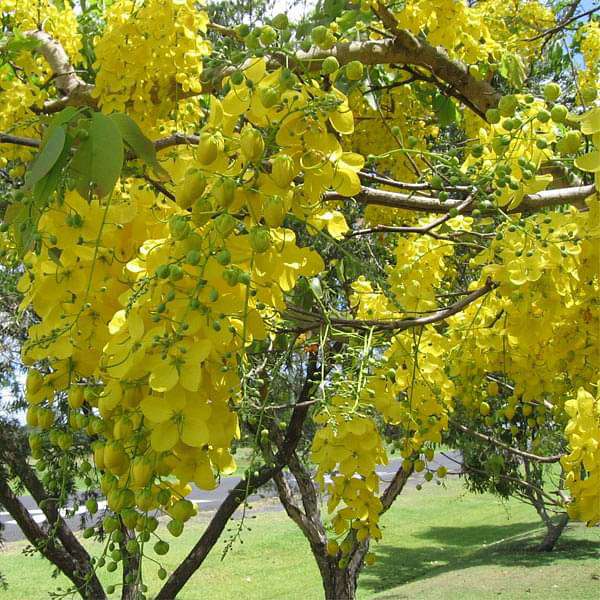
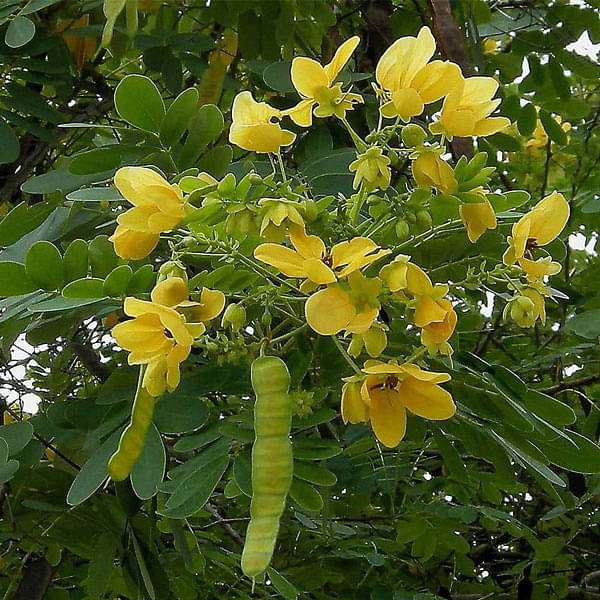
The Bahava plant, scientifically known as Vigna radiata, is a cherished flowering plant native to the lush landscapes of Kerala, India. Known for its vibrant yellow blooms and lush green foliage, this plant not only enhances the beauty of gardens but also plays a vital role in local ecosystems. The Bahava is often referred to as the "Flower of Kerala," symbolizing the rich biodiversity and cultural heritage of the region.
What makes the Bahava plant special is its ability to thrive in tropical climates while providing essential nutrients to the soil. This leguminous plant is a natural nitrogen fixer, improving soil fertility and promoting sustainable agriculture. Its flowers attract a variety of pollinators, contributing to the ecological balance and supporting local wildlife.
One of the standout features of the Bahava plant is its resilience and adaptability. It can flourish in various soil types and withstands periods of drought, making it an ideal choice for both novice and experienced gardeners. Additionally, its striking blooms can be used in traditional ceremonies, adding cultural significance to its aesthetic appeal.
Growing Instructions:
- Plant in well-drained soil with a pH of 6.0 to 7.0.
- Choose a sunny location that receives at least 6 hours of sunlight daily.
- Space plants 12-18 inches apart to allow for growth.
- Water regularly, especially during dry spells, but avoid waterlogging.
Care Instructions:
- Fertilize with a balanced fertilizer every 4-6 weeks during the growing season.
- Prune dead or damaged leaves to promote healthy growth.
- Monitor for pests and diseases; treat with organic solutions when necessary.
- Mulch around the base to retain moisture and suppress weeds.
Uses:
- Ornamental plant for gardens and landscapes.
- Used in traditional medicine for its anti-inflammatory properties.
- Flowers can be used in local festivals and ceremonies.
- Improves soil health, making it ideal for crop rotation.
Fun Facts:
- The Bahava plant is often associated with prosperity and fertility in Kerala's culture.
- It is a favorite among local pollinators, including bees and butterflies.
- Historically, the plant has been used in Ayurvedic medicine for its health benefits.
- Its ability to fix nitrogen makes it a valuable crop for sustainable farming practices.
Environmental Impact:
The Bahava plant plays a crucial role in promoting biodiversity and enhancing soil health. By fixing nitrogen in the soil, it reduces the need for chemical fertilizers, thus minimizing environmental pollution. Its flowers support local pollinator populations, contributing to the overall health of the ecosystem.
Coupons
Delivery
You may also like