Sambucus Nigra, Elderberry, Black Elder - Plant
Sambucus Nigra - Elderberry Plant
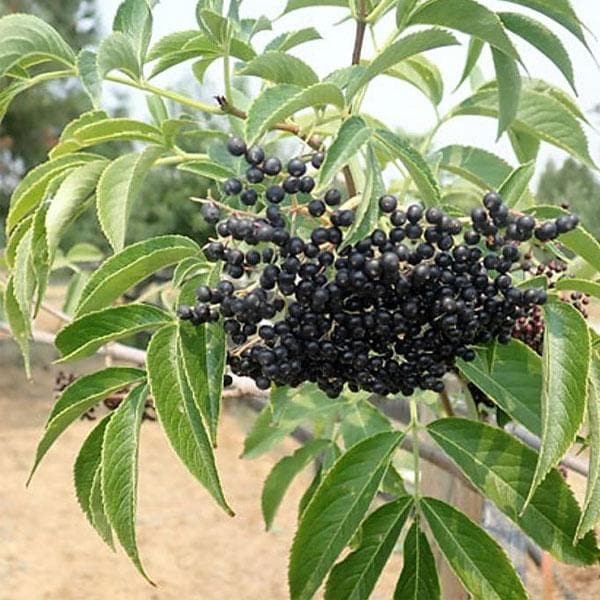
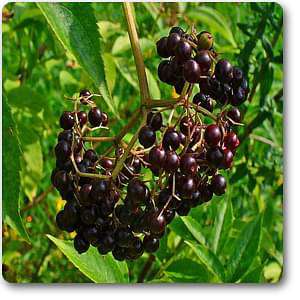
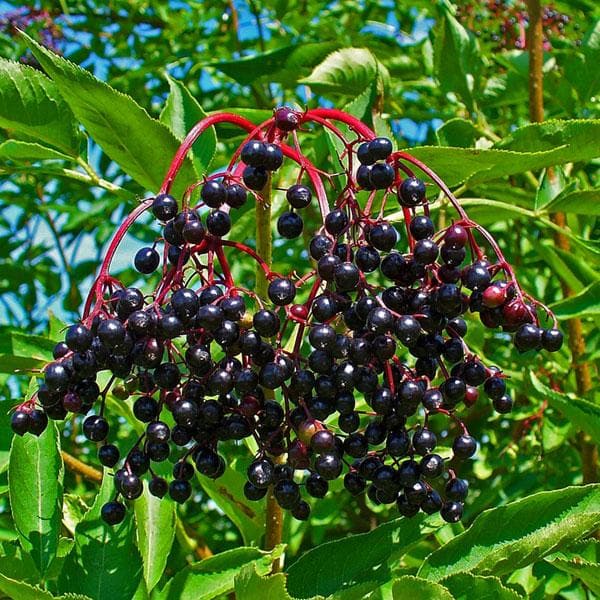
The Sambucus Nigra, commonly known as Elderberry or Black Elder, is a deciduous shrub renowned for its striking clusters of white flowers and dark purple berries. This versatile plant thrives in various environments, making it a favorite among gardeners and herbalists alike. Historically, elderberries have been used for centuries in traditional medicine, celebrated for their immune-boosting properties and rich antioxidant content.
What makes the Elderberry plant special is its dual purpose: not only does it enhance garden aesthetics with its beautiful blooms, but it also provides a bounty of nutritious berries that can be transformed into syrups, jams, and wines. The plant is also a vital food source for birds and beneficial insects, promoting biodiversity in your garden.
One of the standout features of the Sambucus Nigra is its adaptability. It can flourish in a variety of soil types and conditions, making it an excellent choice for both novice and experienced gardeners. Additionally, its berries are packed with vitamins A, C, and antioxidants, making them a powerhouse for health enthusiasts.
Growing Instructions:
- Plant in well-drained soil with a pH of 5.5 to 6.5.
- Choose a location with full sun to partial shade.
- Space plants 6-10 feet apart to allow for growth.
- Water regularly, especially during dry spells.
Care Instructions:
- Prune in late winter to promote healthy growth.
- Fertilize in early spring with a balanced fertilizer.
- Monitor for pests like aphids and spider mites.
- Mulch around the base to retain moisture and suppress weeds.
Uses:
- Make elderberry syrup for immune support.
- Use berries in jams, jellies, and pies.
- Infuse flowers in teas or cordials.
- Utilize dried berries in herbal remedies.
Fun Facts:
- Elderberries have been used in folk medicine for centuries.
- The plant is often associated with folklore and mythology.
- All parts of the plant are edible when cooked, except for the seeds.
- Elderberry flowers attract pollinators, enhancing garden biodiversity.
Environmental Impact:
The Sambucus Nigra plays a crucial role in supporting local ecosystems. Its flowers provide nectar for bees and butterflies, while the berries serve as a food source for various bird species. By planting elderberries, you contribute to the health of your local environment and promote biodiversity.
Coupons
Delivery
You may also like