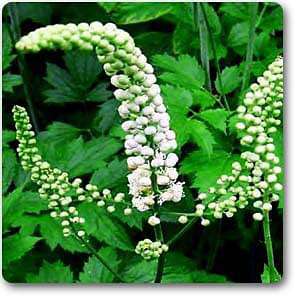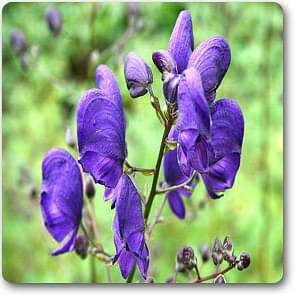
Monk's Hood - Aconitum
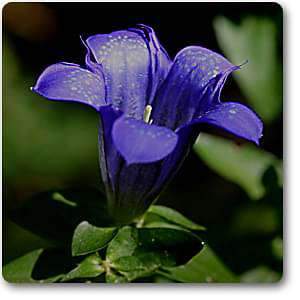
Monk's Hood, scientifically known as Aconitum, is a striking perennial plant renowned for its unique hood-shaped flowers that bloom in shades of blue, purple, and white. This plant, native to mountainous regions of Europe and Asia, thrives in cool, moist environments, making it a favorite among gardeners seeking to add a touch of drama to their landscapes. However, it is essential to note that all parts of the plant are toxic if ingested, so caution is advised.
Why It's Special
Monk's Hood is not just a pretty face; it has a rich history in herbal medicine, where it was traditionally used for its analgesic properties. Its striking appearance and unique flower structure make it a standout in any garden, attracting pollinators like bees and butterflies. Additionally, its ability to thrive in shaded areas makes it a versatile choice for various garden designs.
Special Features
This plant is known for its tall stature, reaching heights of up to 4 feet, and its long-lasting blooms that can last from late summer to early fall. Monk's Hood is also deer-resistant, making it an excellent choice for gardens in areas with high deer populations. Its deep roots help prevent soil erosion, contributing positively to the environment.
Growing Instructions
- Plant in well-drained, rich soil with a pH of 6.0 to 7.0.
- Choose a location that receives partial to full shade.
- Space plants 12 to 18 inches apart to allow for growth.
- Water regularly to keep the soil moist but not soggy.
Care Instructions
- Mulch around the base to retain moisture and suppress weeds.
- Fertilize with a balanced fertilizer in early spring.
- Cut back spent flowers to encourage new growth.
- Monitor for pests like aphids and treat as necessary.
Uses
- Ideal for shaded garden beds and borders.
- Can be used in cut flower arrangements for a dramatic effect.
- Historically used in traditional medicine (consult a professional before use).
Fun Facts
- Monk's Hood is also known as "Wolf's Bane" due to its historical use in poisoning wolves.
- The plant has been used in folklore and mythology, often associated with witches and magic.
- Despite its toxicity, it has been studied for potential medicinal properties, including pain relief.
Environmental Impact
Monk's Hood plays a role in supporting local ecosystems by attracting pollinators. Its deep root system helps stabilize soil, preventing erosion and promoting healthy soil structure. However, due to its toxicity, it should be planted with care to avoid accidental ingestion by pets and wildlife.
Benefits
Coupons
Delivery
You may also like