Ziffi
πŸ›’
Nursery Live

Anantmool, Dambel, Tylophora Indica - Plant

β‚Ή209
Out of stock Β· β˜… 4.13 (153)checking live price…
View on Nursery Live store β†—

Anantmool, Dambel, Tylophora Indica - Plant

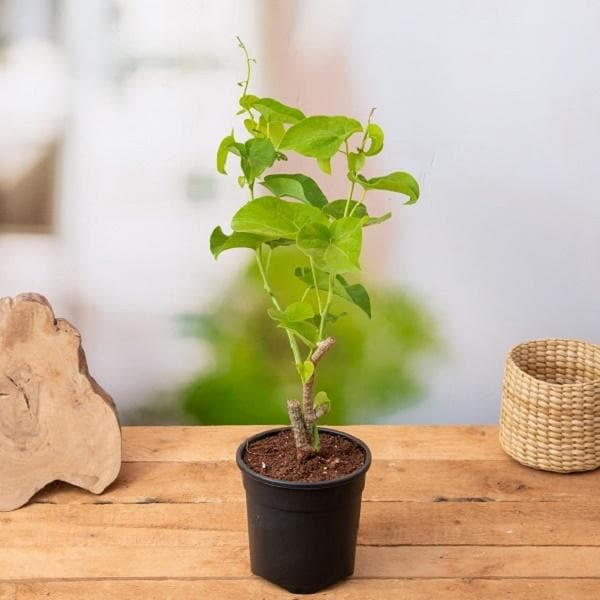
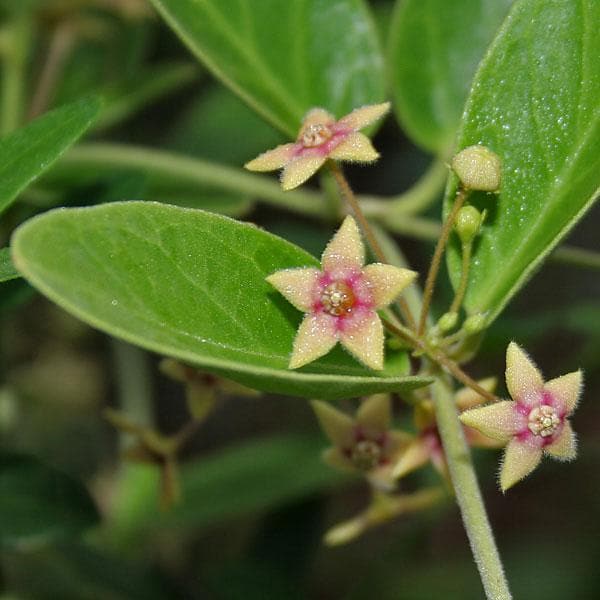
Anantmool, scientifically known as Tylophora Indica, is a perennial climbing plant native to the tropical regions of Asia. Revered in traditional medicine, this plant is known for its remarkable therapeutic properties, particularly in treating respiratory ailments and skin disorders. Its roots and leaves are rich in alkaloids, making it a valuable addition to herbal remedies.

This plant not only enhances your garden's aesthetic appeal but also contributes positively to the environment by improving air quality. With its lush green foliage and delicate flowers, Anantmool is a perfect choice for both indoor and outdoor spaces, promoting biodiversity and attracting beneficial insects.

Why It's Special

Anantmool stands out due to its extensive medicinal uses, particularly in Ayurveda, where it is celebrated for its anti-inflammatory and immunomodulatory properties. Its ability to thrive in various conditions makes it a resilient choice for gardeners and herbalists alike.

Special Features

This plant is not only a natural remedy but also a sustainable choice for eco-conscious gardeners. Its deep root system helps prevent soil erosion, while its ability to purify the air makes it an excellent addition to any green space.

Growing Instructions

  • Soil: Well-drained, loamy soil enriched with organic matter.
  • Light: Prefers partial shade to full sunlight.
  • Water: Keep the soil consistently moist but not waterlogged.
  • Temperature: Thrives in warm, humid conditions (20-30Β°C).
  • Propagation: Can be propagated through seeds or cuttings.

Care Instructions

  • Fertilization: Use a balanced fertilizer every 4-6 weeks during the growing season.
  • Pest Control: Monitor for aphids and spider mites; use organic insecticides if necessary.
  • Pruning: Trim back overgrown vines to encourage bushier growth.
  • Repotting: Repot every 2-3 years to refresh the soil and promote growth.

Uses

  • Medicinal: Used in traditional medicine for respiratory issues, skin diseases, and as an anti-inflammatory.
  • Culinary: Young leaves can be used in salads or cooked dishes.
  • Ornamental: Ideal for trellises, fences, or as ground cover.

Fun Facts

  • Anantmool has been used in Ayurvedic practices for centuries, showcasing its historical significance.
  • The plant is known to attract pollinators, making it beneficial for local ecosystems.
  • Its name "Anantmool" translates to "endless root," symbolizing its extensive medicinal properties.

Environmental Impact

By cultivating Anantmool, you contribute to biodiversity and help combat soil erosion. Its ability to absorb carbon dioxide and release oxygen makes it an excellent choice for improving air quality in urban areas.

Benefits

Anantmool stands out due to its extensive medicinal uses, particularly in Ayurveda, where it is celebrated for its anti-inflammatory and immunomodulatory properties. Its ability to thrive in various conditions makes it a resilient choice for gardeners and herbalists alike. Special Features This plant is not only a natural remedy but also a sustainable choice for eco-conscious gardeners. Its deep root system helps prevent soil erosion, while its ability to purify the air makes it an excellent addition to any green space. Growing Instructions Soil: Well-drained, loamy soil enriched with organic matter. Light: Prefers partial shade to full sunlight. Water: Keep the soil consistently moist but not waterlogged. Temperature: Thrives in warm, humid conditions (20-30Β°C). Propagation: Can be propagated through seeds or cuttings. Care Instructions Fertilization: Use a balanced fertilizer every 4-6 weeks during the growing season. Pest Control: Monitor for aphids and spider mites; use organic insecticides if necessary. Pruning: Trim back overgrown vines to encourage bushier growth. Repotting: Repot every 2-3 years to refresh the soil and promote growth. Uses Medicinal: Used in traditional medicine for respiratory issues, skin diseases, and as an anti-inflammatory. Culinary: Young leaves can be used in salads or cooked dishes. Ornamental: Ideal for trellises, fences, or as ground cover. Fun Facts Anantmool has been used in Ayurvedic practices for centuries, showcasing its historical significance. The plant is known to attract pollinators, making it beneficial for local ecosystems. Its name "Anantmool" translates to "endless root," symbolizing its extensive medicinal properties. Environmental Impact By cultivating Anantmool, you contribute to biodiversity and help combat soil erosion. Its ability to absorb carbon dioxide and release oxygen makes it an excellent choice for improving air quality in urban areas.

Coupons

FIRST β€” β‚Ή570 off
FLAT20 β€” β‚Ή570 off
WELCOME15 β€” β‚Ή427 off
NURSERYLIVE10 β€” β‚Ή285 off
WELCOME10 β€” β‚Ή285 off
FIRSTBUY β€” β‚Ή200 off

Delivery

COD available

uid sha:4ce600b1d2ad9bfad5cc12a3fcb3fe48e256b755

You may also like

Hemidesmus indicus
Nursery Live
β‚Ή249
out of stock
β˜… 4.0 (79)
Pergularia daemia
Nursery Live
β‚Ή249
out of stock
β˜… 3.96 (79)
Aristolochia indica
Nursery Live
β‚Ή249
out of stock
β˜… 4.25 (75)
Rauvolfia Serpentina, Sarpgandha - Plant
Nursery Live
β‚Ή299
out of stock
β˜… 4.09 (153)
Rauvolfia Serpentina, Sarpgandha - 0.5 kg Seeds
Nursery Live
β‚Ή8,113β‚Ή9,54515% off
β˜… 3.99 (82)
Leptadenia reticulate
Nursery Live
β‚Ή249
out of stock
β˜… 4.04 (75)
Giloy Plant, Gulvel - Plant
Nursery Live
β‚Ή244
out of stock
β˜… 4.35 (274)
Paederia foetida
Nursery Live
β‚Ή249
out of stock
β˜… 4.01 (76)