Cananga - The Exotic Ylang-Ylang Plant
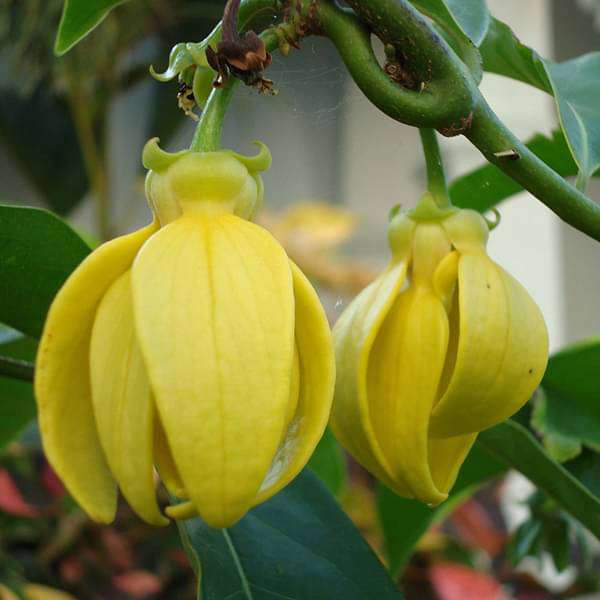
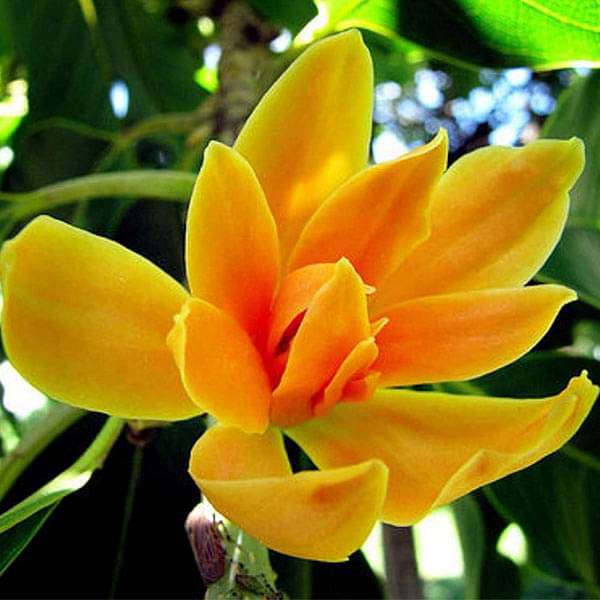
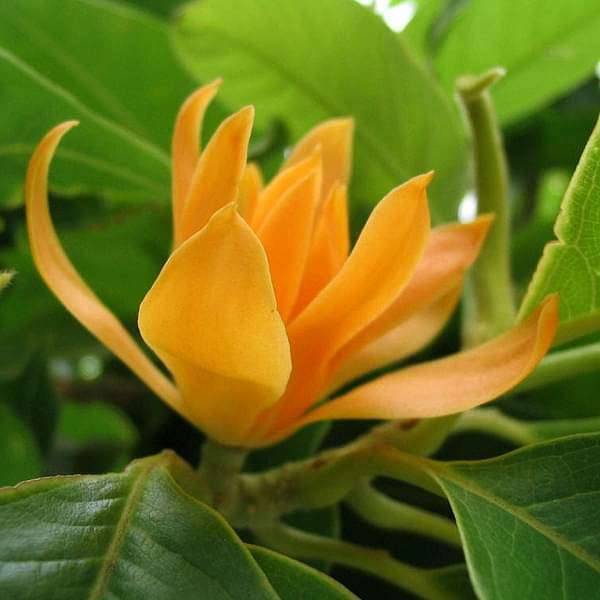
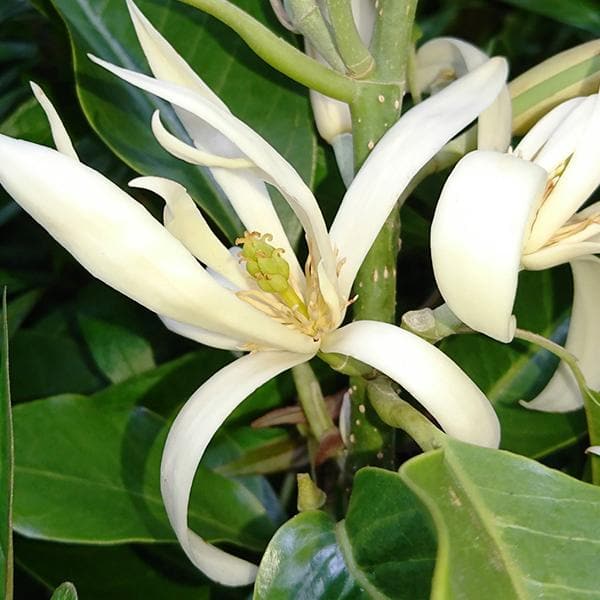
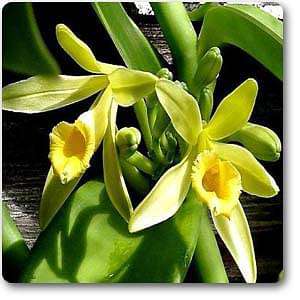
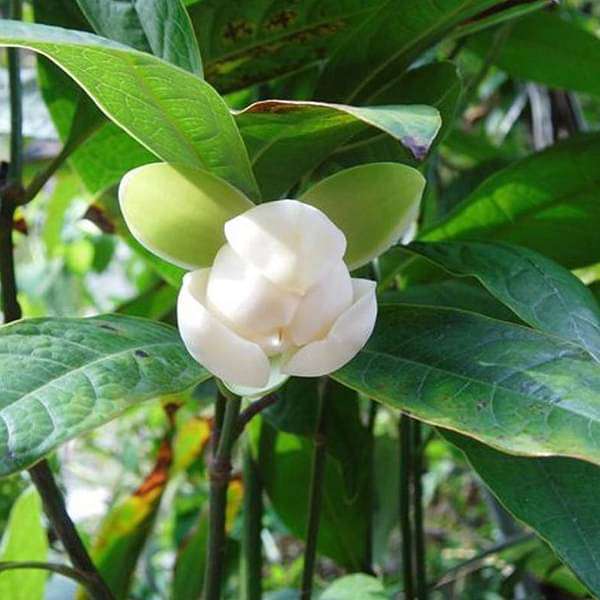
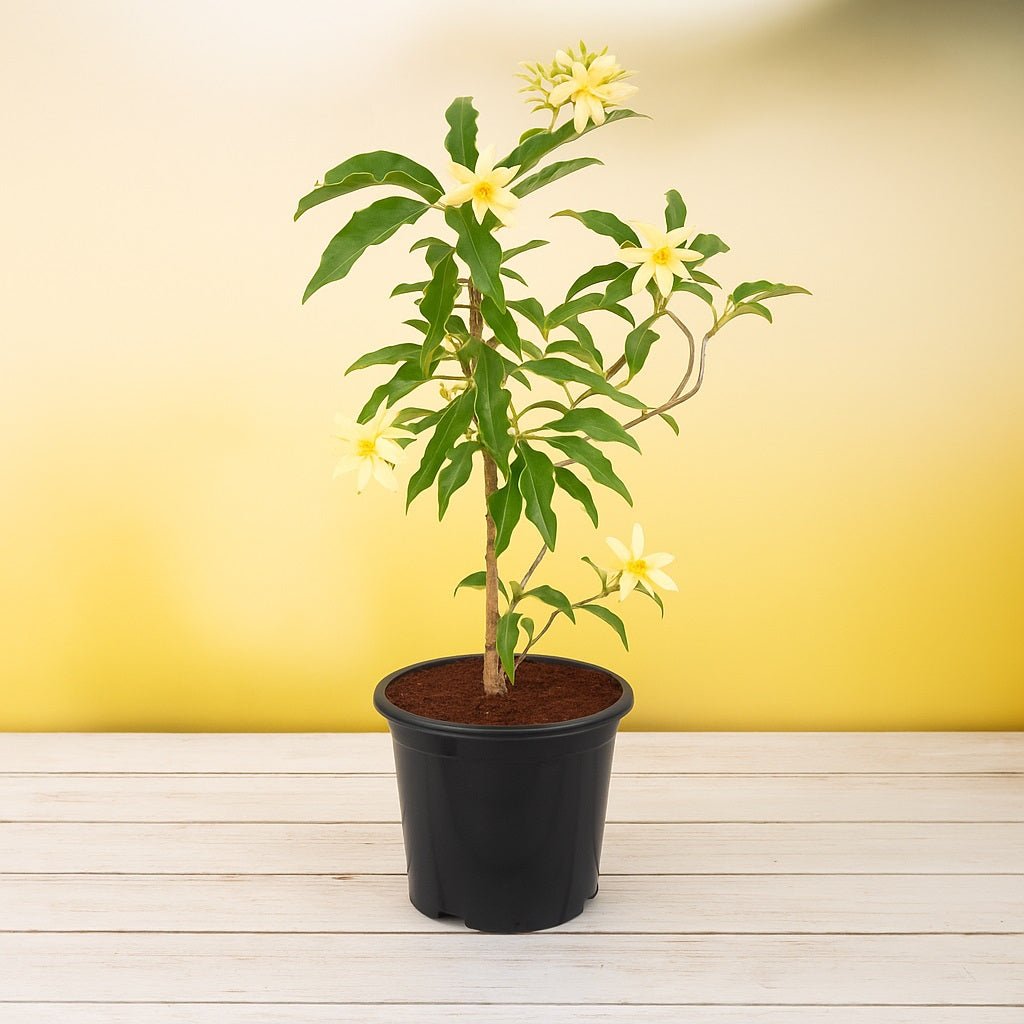
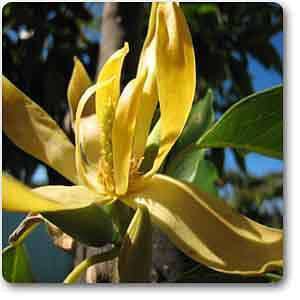
The Cananga plant, commonly known as Ylang-Ylang (Cananga odorata), is a tropical tree native to Southeast Asia. Renowned for its fragrant yellow flowers, this plant is not only a visual delight but also a powerhouse of essential oils. The flowers are harvested for their aromatic properties, making them a staple in perfumery and aromatherapy. With its lush green foliage and stunning blossoms, Cananga adds a touch of the tropics to any garden or indoor space.
What makes Cananga special is its rich history and cultural significance. Traditionally used in various ceremonies and rituals, the Ylang-Ylang flower symbolizes love and beauty. Its essential oil is celebrated for its calming and uplifting properties, making it a favorite in holistic practices. The plant also plays a vital role in local ecosystems, providing habitat and food for various pollinators.
One of the standout features of the Cananga plant is its ability to thrive in diverse environments. It can grow in both humid and dry conditions, making it adaptable to different climates. Additionally, the flowers bloom in waves, ensuring a continuous display of beauty and fragrance throughout the year.
Growing Instructions
- Plant in well-draining soil with a pH of 6.0 to 7.0.
- Choose a location with full sun to partial shade.
- Water regularly, allowing the soil to dry slightly between waterings.
- Fertilize with a balanced fertilizer every 4-6 weeks during the growing season.
Care Instructions
- Prune regularly to maintain shape and encourage bushy growth.
- Monitor for pests such as aphids and spider mites; treat with organic insecticides if necessary.
- Provide support for taller plants to prevent breakage.
- Protect from frost; consider bringing potted plants indoors during colder months.
Uses
- Extracted essential oil is used in perfumes and cosmetics.
- Utilized in aromatherapy for its calming effects.
- Flowers can be used in traditional ceremonies and as decorative elements.
- Cananga oil is also used in culinary applications in some cultures.
Fun Facts
- The name "Ylang-Ylang" means "flower of flowers" in Tagalog.
- Cananga odorata is known for its unique ability to attract pollinators, particularly moths and bees.
- Historically, Ylang-Ylang flowers were used to adorn the beds of newlyweds in some cultures, symbolizing love and romance.
- The essential oil is often referred to as "the poor man's jasmine" due to its similar scent profile.
Environmental Impact
Cananga plants contribute positively to their ecosystems by providing food and habitat for various species. Their cultivation can promote biodiversity and support local economies through sustainable harvesting practices. Additionally, the essential oils derived from Cananga can be a more eco-friendly alternative to synthetic fragrances, reducing the environmental footprint of the fragrance industry.
Coupons
Delivery
You may also like