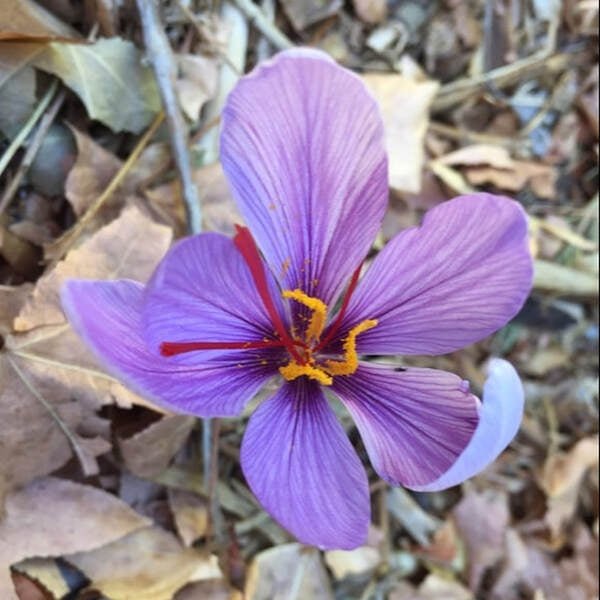
Kesar (crocus) - Plant
Kesar (Crocus sativus) - Plant
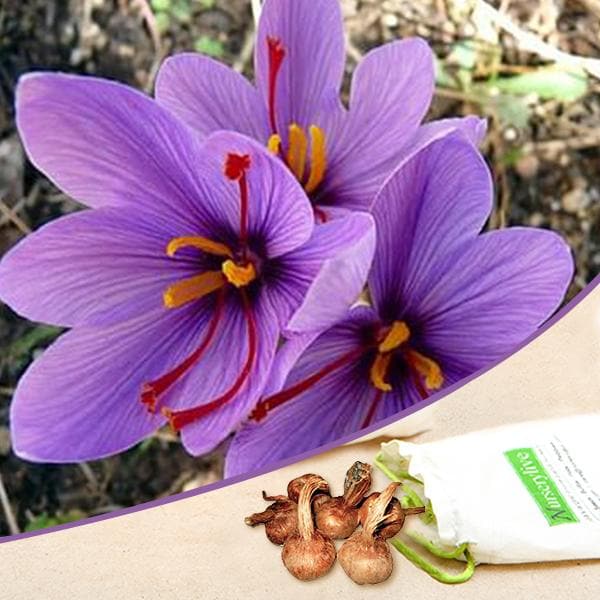
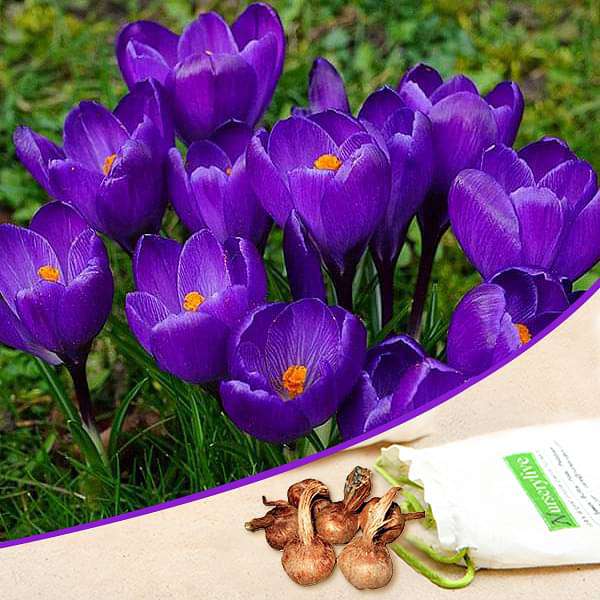
Kesar, commonly known as saffron, is a highly prized spice derived from the flower of Crocus sativus. This vibrant purple flower blooms in the fall, producing delicate red stigmas that are hand-harvested to create the world’s most expensive spice. Renowned for its unique flavor, aroma, and color, Kesar is not only a culinary delight but also a symbol of luxury and sophistication.
What makes Kesar special is its rich history and cultural significance. Used for over 3,000 years, saffron has been a staple in various cuisines and traditional medicines across the globe. Its cultivation requires specific climatic conditions, making it a rare and cherished plant. The labor-intensive harvesting process contributes to its high market value, making it a sought-after commodity.
The special feature of Kesar lies in its health benefits. Rich in antioxidants, it is known to improve mood, enhance memory, and promote overall well-being. Additionally, saffron is used in various beauty products for its skin-enhancing properties, making it a versatile addition to any garden.
Growing Instructions:
- Plant Kesar bulbs in well-drained soil with a pH of 6-8.
- Choose a sunny location, as Kesar thrives in full sunlight.
- Plant bulbs 4-6 inches deep and 6-8 inches apart in late summer to early fall.
- Water sparingly; allow the soil to dry out between watering.
Care Instructions:
- Fertilize with a balanced fertilizer in early spring.
- Remove weeds regularly to prevent competition for nutrients.
- Mulch to retain moisture and regulate soil temperature.
- Protect from extreme weather conditions, especially frost.
Uses:
- Utilize Kesar in culinary dishes for flavor and color enhancement.
- Incorporate saffron in herbal teas for its health benefits.
- Use in skincare products for its anti-aging properties.
- Explore traditional medicine applications for mood enhancement.
Fun Facts:
- It takes approximately 150,000 flowers to produce just one kilogram of saffron.
- Saffron was used as a dye in ancient times, coloring fabrics and food.
- In ancient Persia, saffron was considered more valuable than gold.
- The name "Kesar" is derived from the Persian word for saffron, "zarparan," meaning "golden flower."
Environmental Impact:
Kesar cultivation promotes biodiversity and supports local ecosystems. As a low-water crop, it is well-suited for arid regions, helping to conserve water resources. Additionally, saffron farming can provide economic opportunities for rural communities, fostering sustainable agricultural practices.
Coupons
Delivery
You may also like