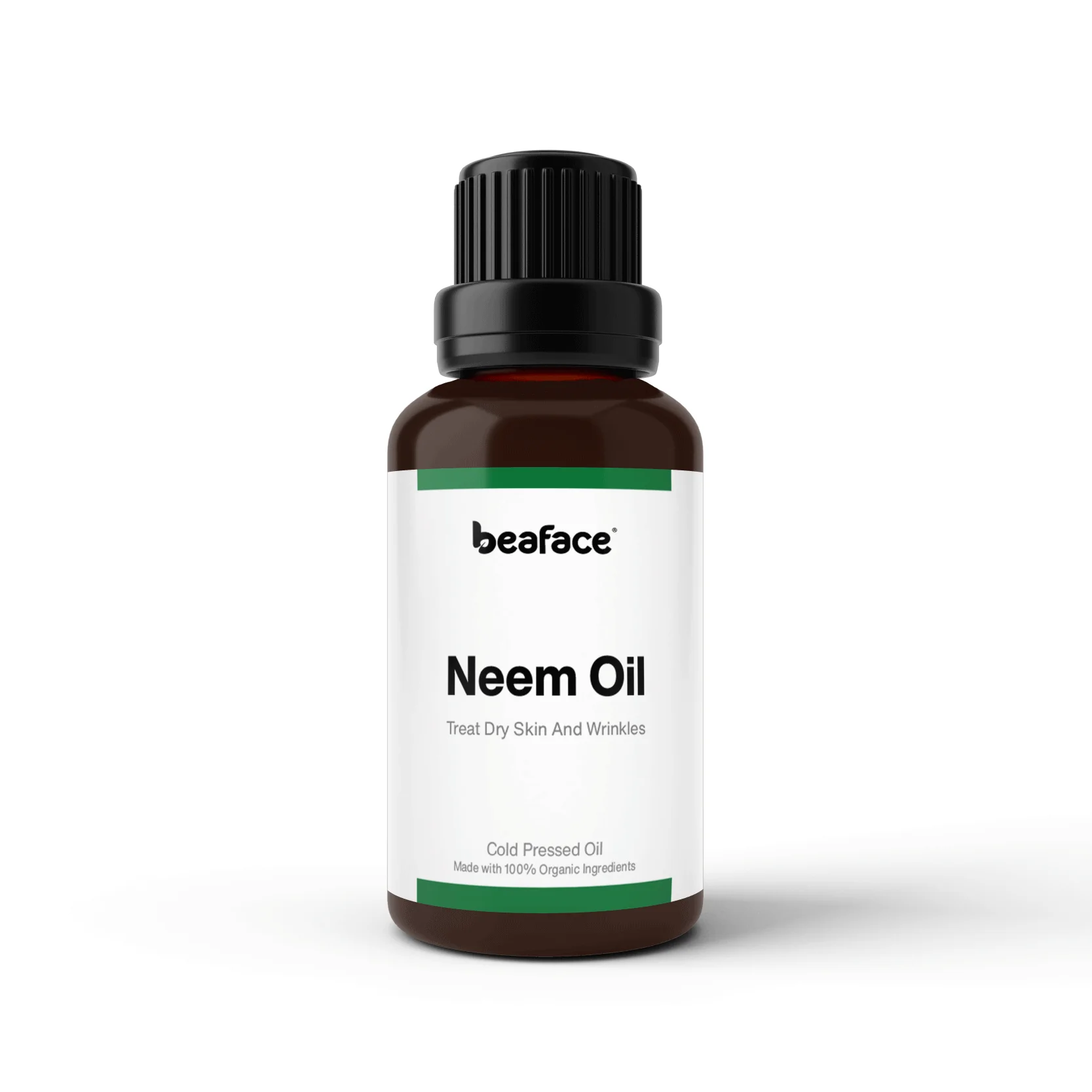
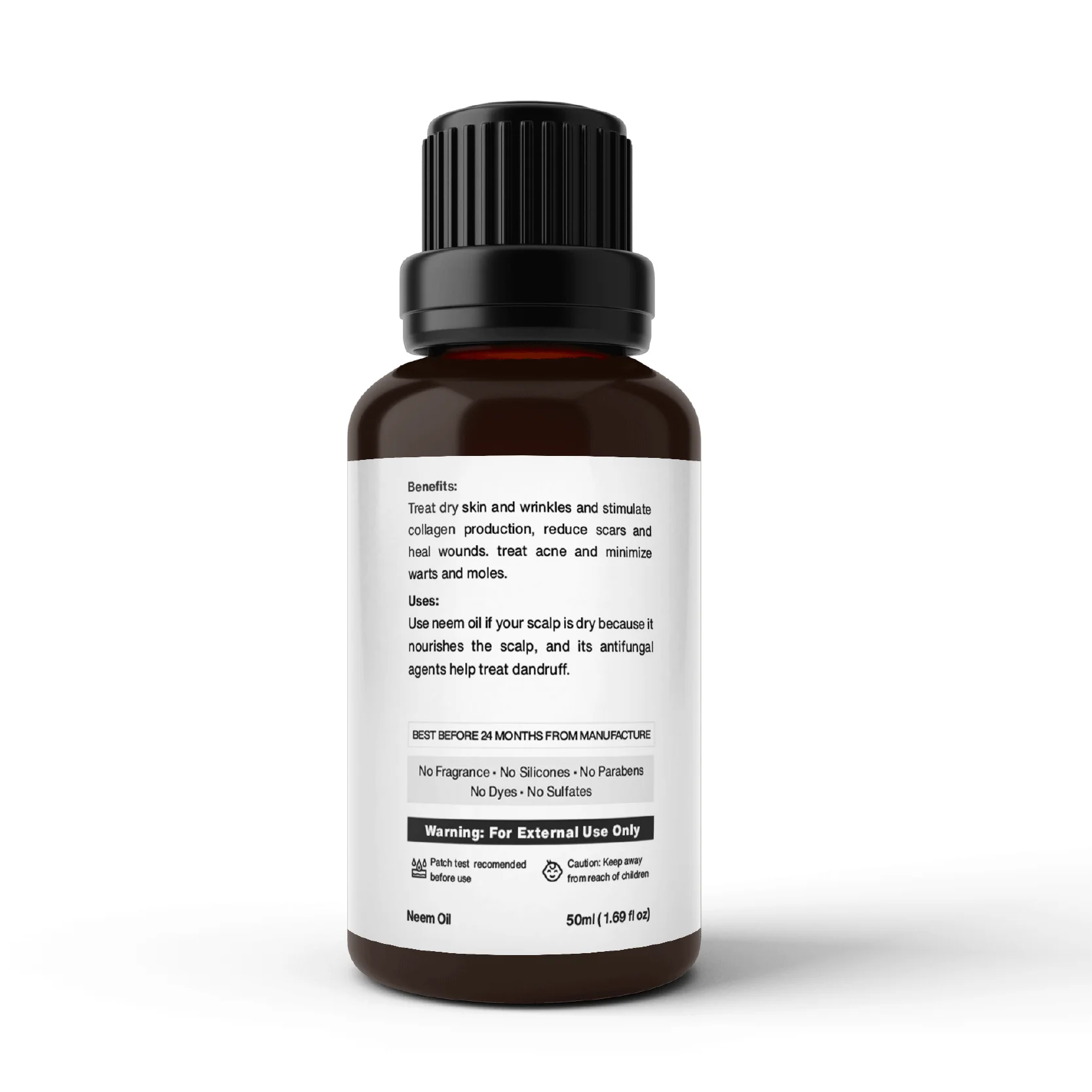
Neem-oil-skin-infection-moisturize-treat -acne
Yes, neem oil is known for its antifungal properties and can be effective in treating certain fungal skin infections, although more research is needed to confirm its effectiveness in humans.
Here's a more detailed explanation:
Antifungal Properties:
Neem oil, derived from the neem tree, contains compounds that have shown antifungal activity in laboratory studies.
Traditional Use:
Neem oil has a long history of use in traditional medicine, including for treating skin conditions and infections.
Potential Benefits:
Fungal Infections: Neem oil can help to inhibit the growth of certain fungi that cause skin infections.
Skin Health: It can also soothe irritated skin, reduce inflammation, and moisturize the skin.
How to Use:
Spot Treatment: You can apply neem oil directly to the affected area, but it's important to do a patch test first to check for any allergic reactions.
Dilution: For sensitive skin, you may want to dilute neem oil with a carrier oil, such as coconut oil or olive oil.
Other Uses: Neem oil can also be used to treat other skin conditions, such as acne, wounds, and insect bites.
Research:
While there's evidence of neem oil's antifungal properties in lab settings, more research is needed to confirm its effectiveness and safety in humans.
Consult a Doctor:
If you have a fungal skin infection, it's always best to consult with a doctor or dermatologist for proper diagnosis and treatment.
Safety:
Neem oil is generally considered safe for topical use, but it's important to be aware of potential side effects, such as skin irritation or allergic reactions.
Benefits
How To Use
Delivery
You may also like