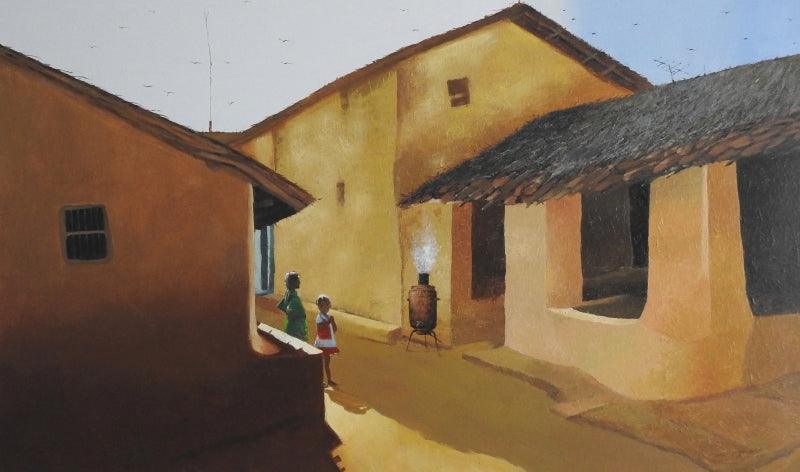
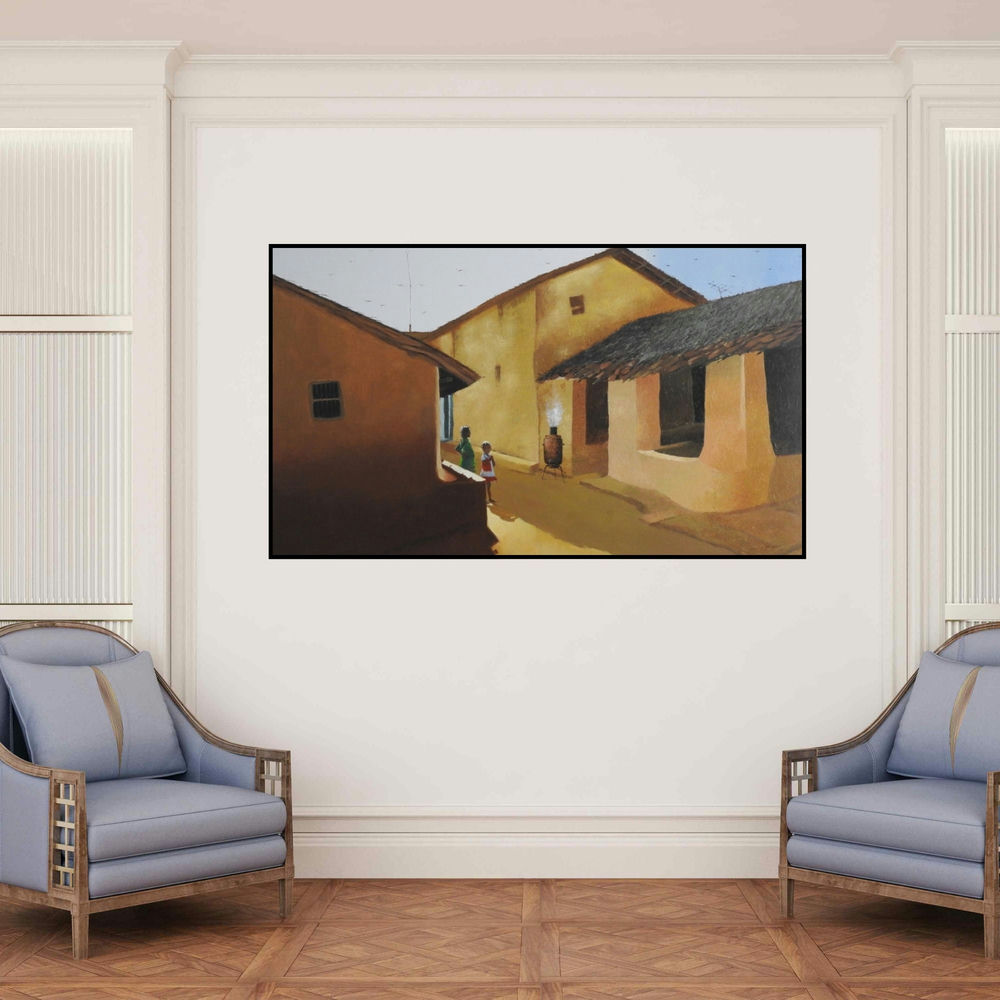
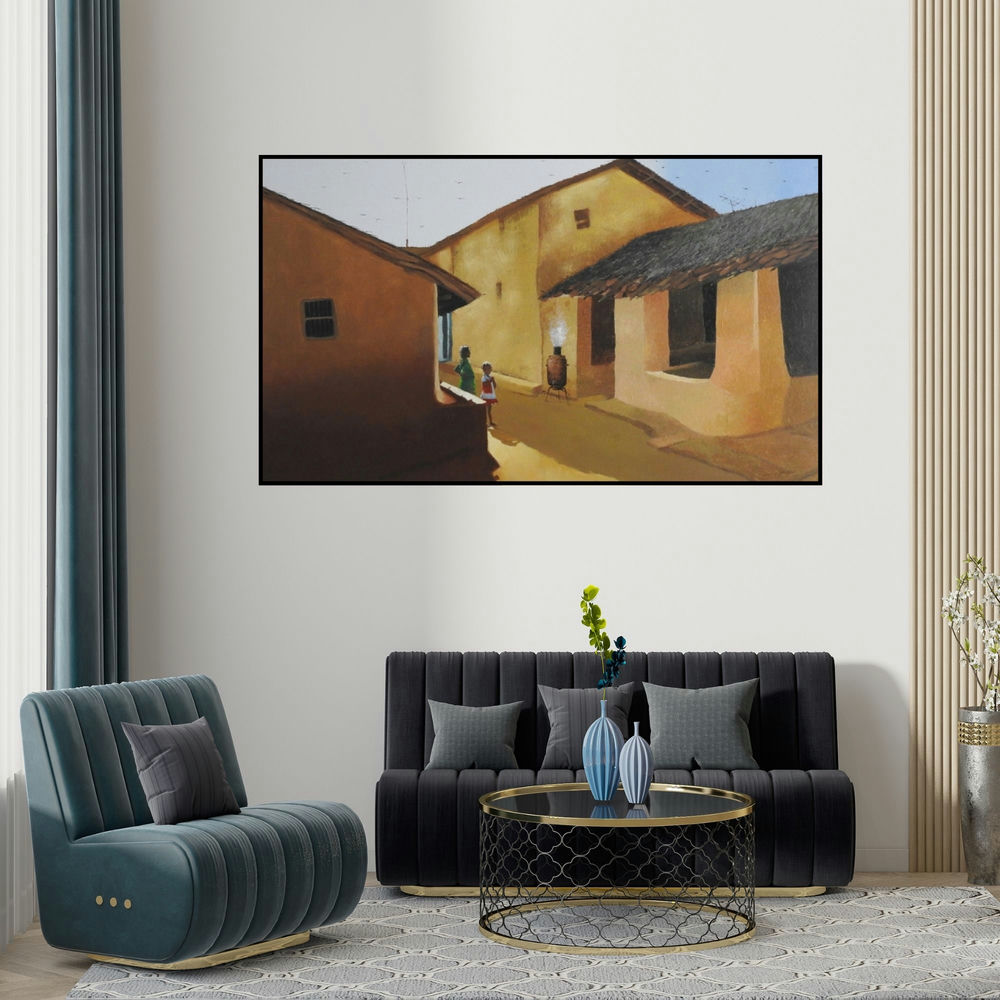
Childhood Memories 1 (A Village Morning)
₹300,000
Out of stock · ★ 4.0 (5)checking live price…
Size
36x60Type
OriginalMaterial
CanvasBathed in a honeyed, late-afternoon light, the village lane becomes a quiet theatre where architecture outweighs the human presence, yet gently frames it with care. The broad planes of ochre and umber, cut by decisive shadows, compress space into a warm stillness that feels both protective and austere, as if time itself has slowed to listen. Two small figures pause near the threshold of open air and enclosure, while the faint plume from a stove-like vessel reads as the day’s soft breath—an emblem of domestic labor and continuity. In this restrained choreography of light, wall, and walkway, the work speaks to belonging: how ordinary routines acquire dignity when held within enduring, sun-worn forms.
Delivery
You may also like
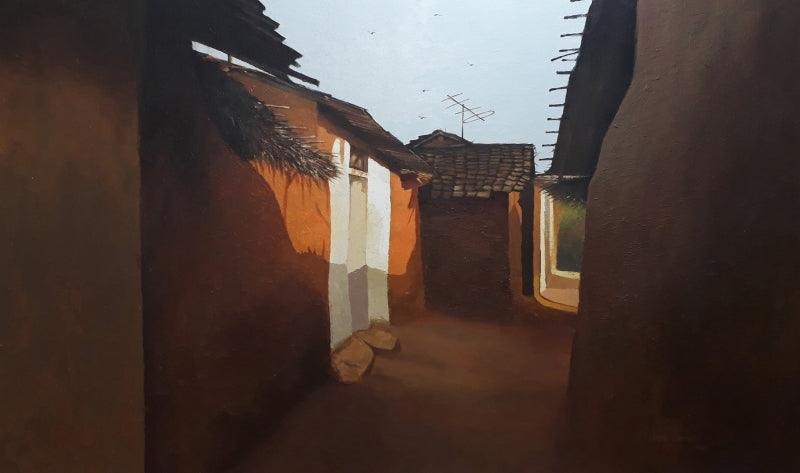
Childhood Memories (Quiet Corner)
Artzolo
₹300,000
out of stock
★ 5.0 (11)
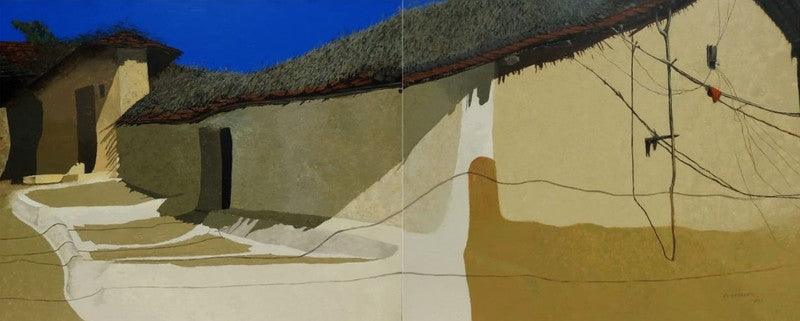
Childhood Memories 6 (Village Life)
Artzolo
₹800,000
out of stock
★ 5.0 (10)
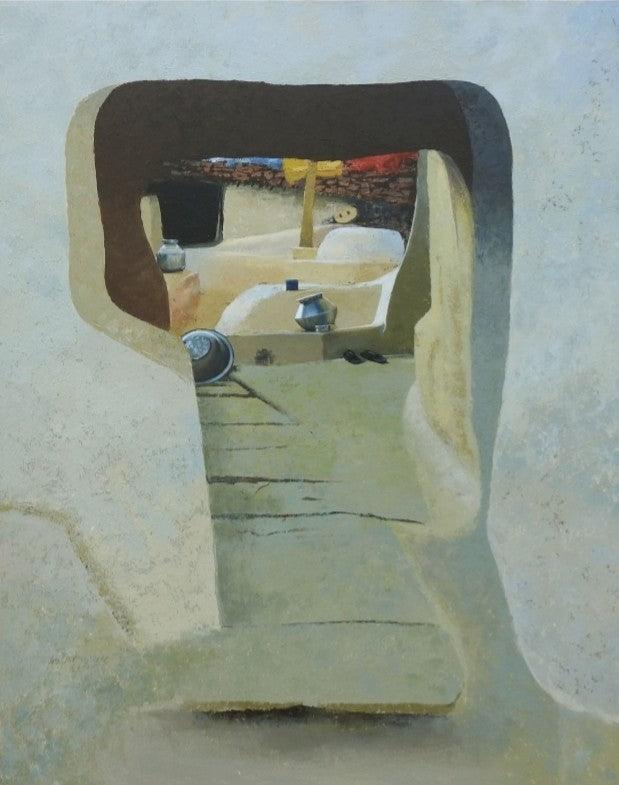
Childhood Memories 4 (Sanctuary)
Artzolo
₹400,000
out of stock
★ 5.0 (6)
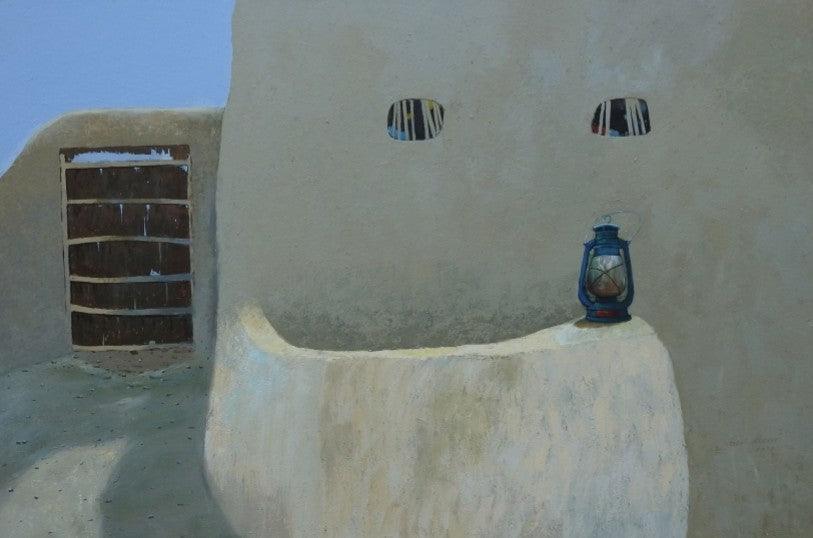
Childhood Memories (Solitude)
Artzolo
₹480,000
out of stock
★ 4.0 (15)
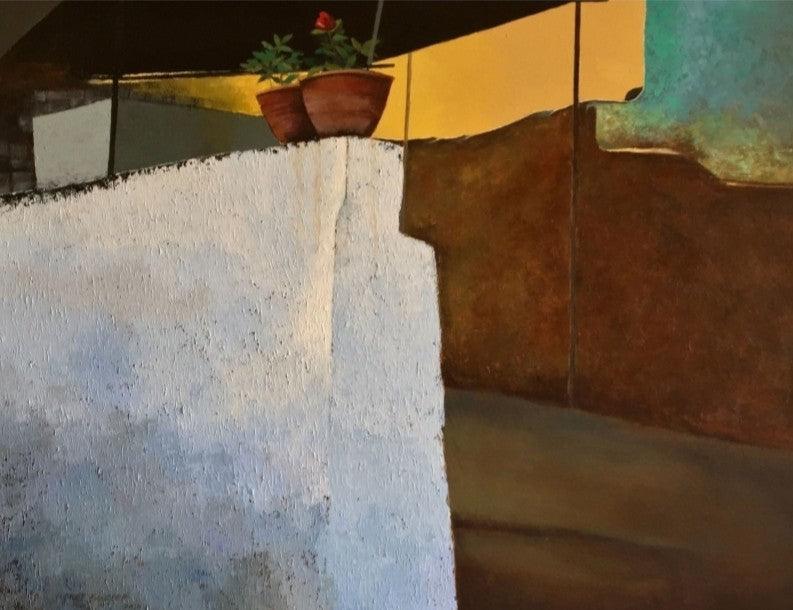
Childhood Memories 5 (Tranquil Corner)
Artzolo
₹400,000
out of stock
★ 4.0 (11)
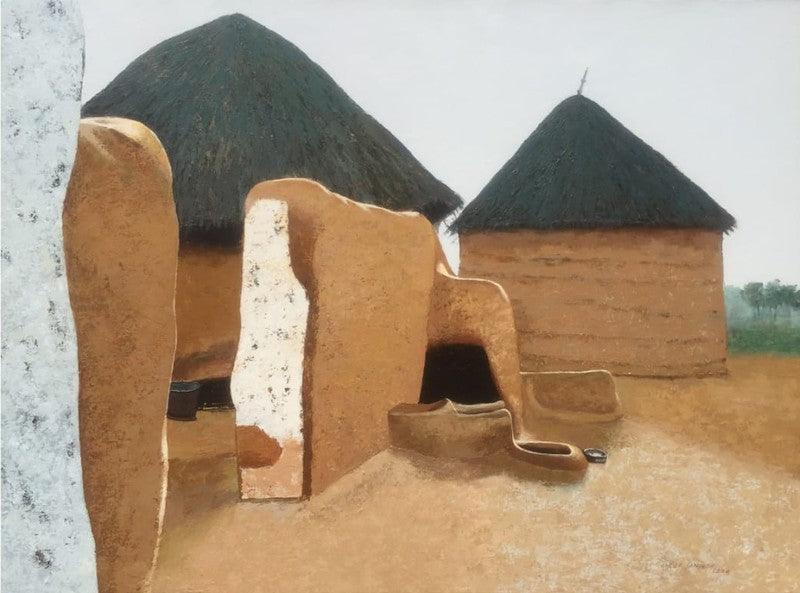
Childhood Memories 3 (Village Homes)
Artzolo
₹240,000
out of stock
★ 4.0 (8)
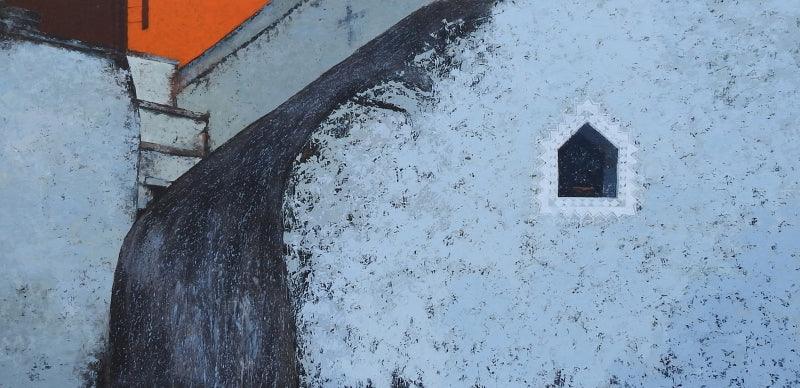
Childhood Memories 2 (Weathered Walls)
Artzolo
₹455,000
out of stock
★ 4.0 (14)
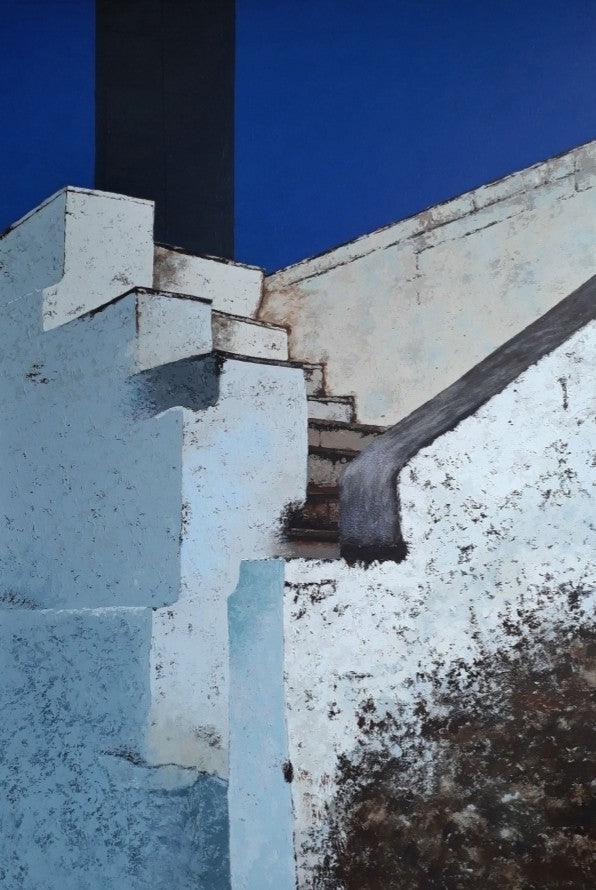
Childhood Memories 2 (Framework)
Artzolo
₹480,000
out of stock
★ 5.0 (5)