Insulin Plant, Costus igneus - Plant
Insulin Plant, Costus igneus - Plant
Description
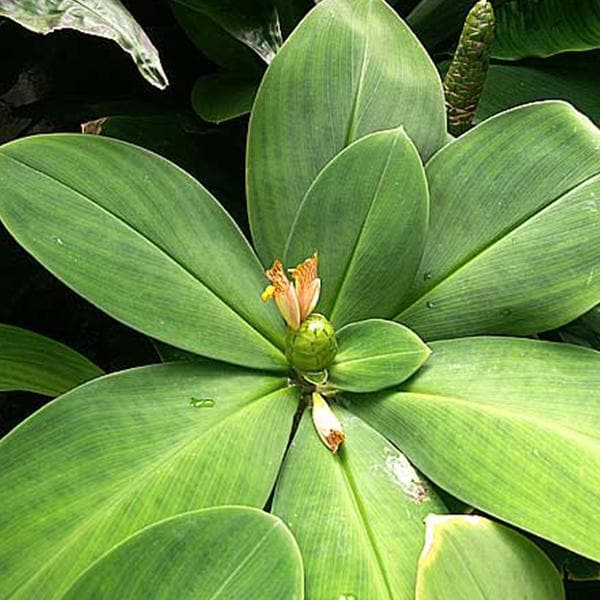
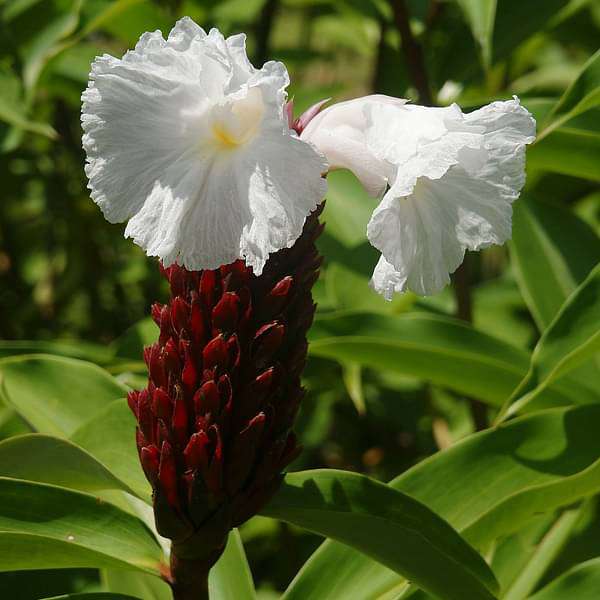
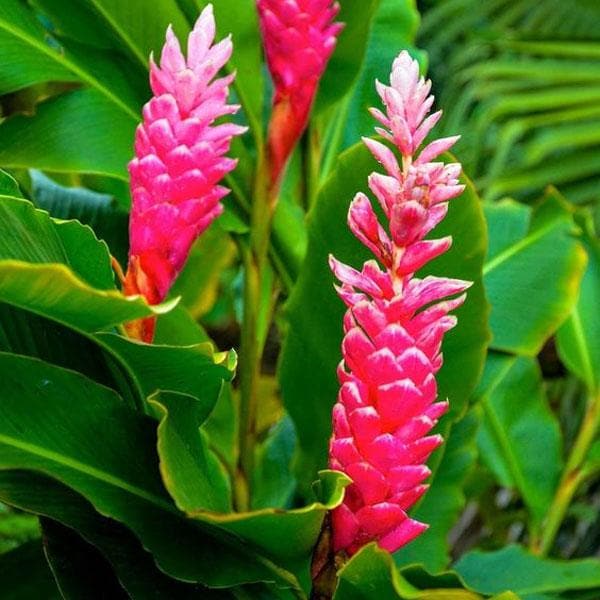
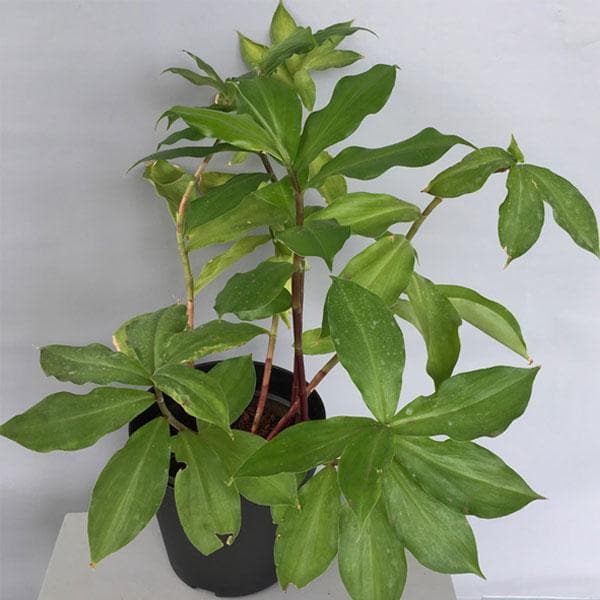
The Insulin Plant, scientifically known as Costus igneus, is a vibrant perennial herb native to Southeast Asia. Renowned for its striking spiral-shaped foliage and bright orange flowers, this plant is not only a visual delight but also a powerhouse of medicinal properties. Often referred to as the "Fiery Costus," it thrives in tropical climates and is a popular choice for both indoor and outdoor gardens.
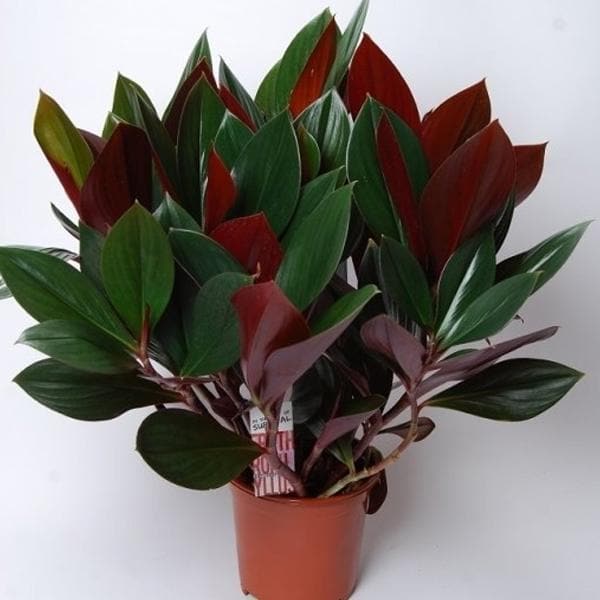
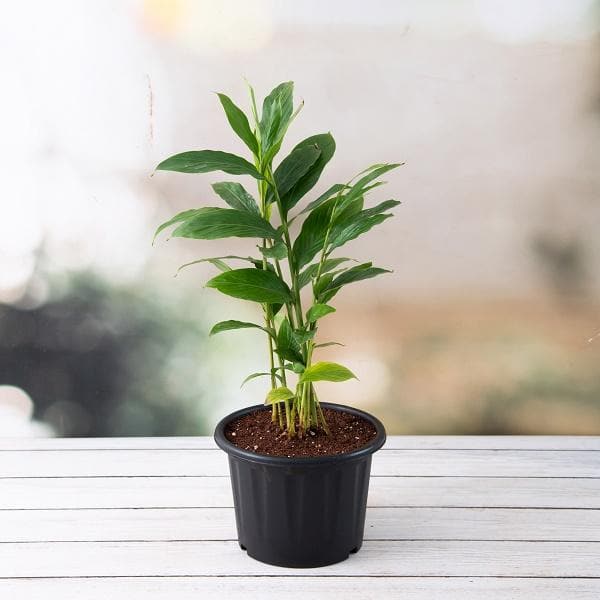
With its lush green leaves and unique growth pattern, the Insulin Plant adds an exotic touch to any garden. Its ability to adapt to various soil types makes it a versatile addition to your plant collection. Whether you're a seasoned gardener or a beginner, this plant is easy to grow and maintain, making it a favorite among plant enthusiasts.
Why It's Special
The Insulin Plant is celebrated for its potential health benefits, particularly in managing blood sugar levels. It has been traditionally used in Ayurvedic medicine to support diabetes management, earning it the nickname "Insulin Plant." The leaves are rich in corosolic acid, which is believed to enhance insulin sensitivity and lower blood glucose levels.
Beyond its medicinal properties, the Insulin Plant is a symbol of resilience and adaptability. Its ability to thrive in diverse environments makes it a testament to nature's ingenuity. This plant not only beautifies your space but also contributes to a healthier lifestyle.
Special Features
The Insulin Plant is distinguished by its spiral growth pattern, which is both aesthetically pleasing and functional. This unique feature allows the plant to maximize sunlight exposure, promoting healthy growth. The vibrant orange flowers attract pollinators, supporting local biodiversity and enhancing the ecological balance of your garden.
Its low-maintenance nature and ability to purify the air make it an ideal choice for urban environments. The Insulin Plant is also known for its rapid growth, providing quick results for those looking to enhance their green spaces.
Growing Instructions
- Plant in well-drained soil with a pH level between 6.0 and 7.5.
- Position in partial to full sunlight for optimal growth.
- Water regularly, ensuring the soil remains moist but not waterlogged.
- Fertilize with a balanced, water-soluble fertilizer every 4-6 weeks during the growing season.
- Prune dead or damaged leaves to encourage new growth.
Care Instructions
- Maintain humidity levels by misting the leaves regularly, especially in dry climates.
- Protect from frost and extreme cold by bringing indoors or covering during winter months.
- Monitor for pests such as aphids and spider mites, and treat with organic insecticides if necessary.
- Repot every 2-3 years to refresh the soil and provide room for growth.
Uses
- Traditionally used in herbal medicine to support diabetes management.
- Leaves can be consumed fresh or dried for tea to harness potential health benefits.
- Acts as a natural air purifier, improving indoor air quality.
- Enhances garden aesthetics with its vibrant foliage and flowers.
Fun Facts
The Insulin Plant is often called the "Spiral Flag" due to its unique leaf arrangement. Historically, it has been used in various cultures for its medicinal properties, and recent studies continue to explore its potential health benefits. Its ability to attract pollinators makes it a valuable addition to any eco-friendly garden, supporting local wildlife and promoting biodiversity.
In addition to its health benefits, the Insulin Plant is known for its environmental impact, as it helps reduce carbon dioxide levels and improve air quality. This makes it an excellent choice for urban gardens and indoor spaces, where air purification is essential.
Benefits
Coupons
Delivery
You may also like