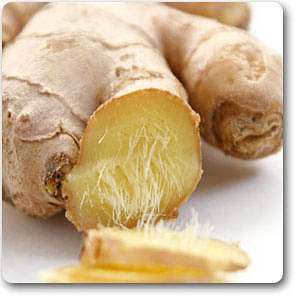
Ginger - Plant
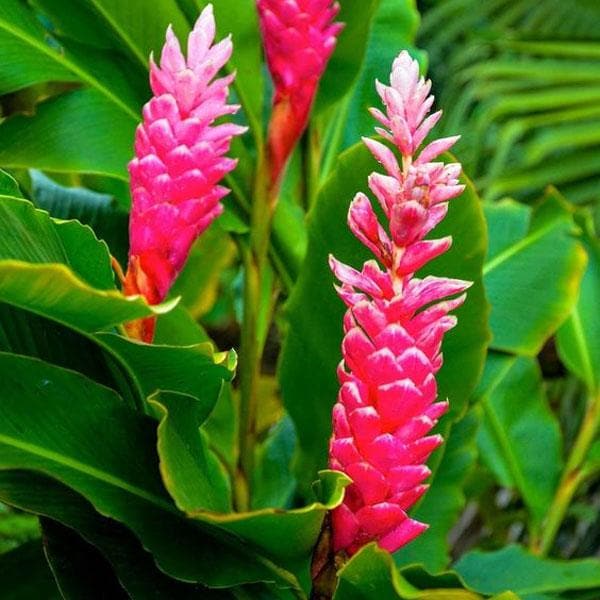
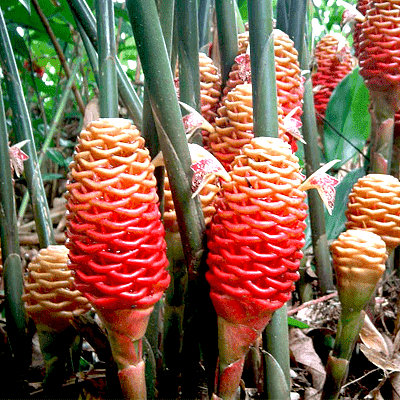
Ginger (Zingiber officinale) is a tropical flowering plant renowned for its aromatic rhizome, widely used in culinary and medicinal applications. This versatile herb thrives in warm, humid environments and is cherished for its unique flavor and numerous health benefits. Rich in antioxidants and anti-inflammatory compounds, ginger has been a staple in traditional medicine for centuries, promoting digestive health and alleviating nausea.
What makes ginger special is its ability to enhance both flavor and wellness. Its pungent, spicy taste elevates dishes while its medicinal properties support overall health. Ginger is not just a kitchen staple; it’s a powerhouse of nutrients that can boost your immune system and improve digestion.
One of ginger's standout features is its adaptability. It can be grown in pots or gardens, making it accessible for both novice and experienced gardeners. With proper care, ginger can flourish indoors or outdoors, providing fresh rhizomes for culinary use year-round.
Growing Instructions
- Choose a warm, humid location with partial shade.
- Plant ginger rhizomes in well-draining, rich soil, about 2-4 inches deep.
- Water regularly to keep the soil moist but not soggy.
- Fertilize every few weeks with a balanced fertilizer.
- Harvest after 8-10 months when the leaves start to yellow.
Care Instructions
- Maintain consistent moisture, especially during dry spells.
- Protect from frost; bring potted plants indoors in colder months.
- Remove any dead or yellowing leaves to promote healthy growth.
- Monitor for pests like aphids and spider mites; treat promptly.
Uses
- Add fresh ginger to teas, smoothies, and stir-fries for a spicy kick.
- Use ginger in baking for flavor and health benefits.
- Make ginger-infused oils or syrups for culinary creations.
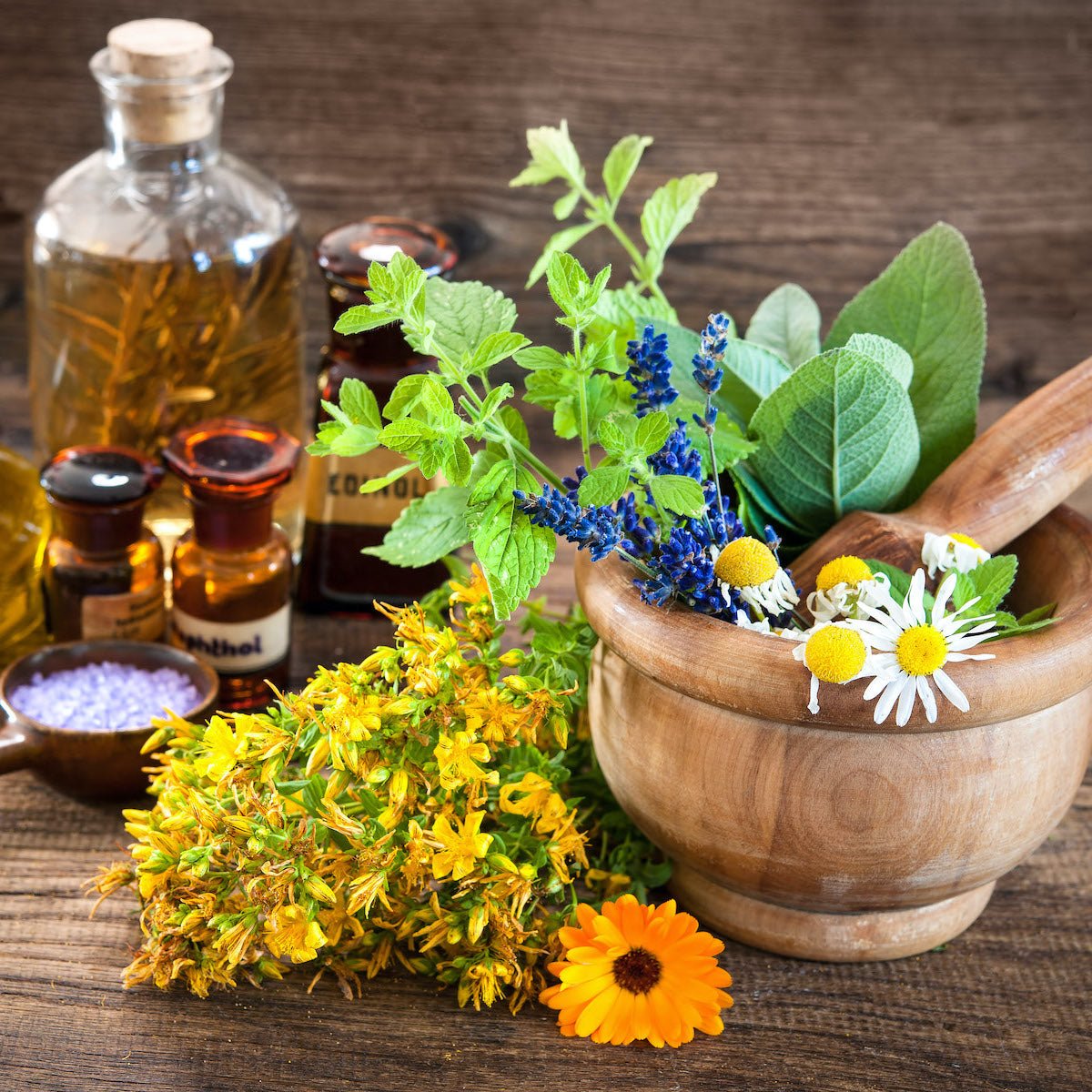
- Utilize ginger in herbal remedies for nausea and digestive issues.
Fun Facts
- Ginger has been used for over 2,000 years in traditional medicine.
- It is a member of the Zingiberaceae family, which includes turmeric and cardamom.
- Ginger can grow up to 4 feet tall and produces beautiful yellow flowers.
- It is believed that ginger can help reduce muscle pain and soreness.
Environmental Impact
Ginger cultivation can contribute positively to the environment by promoting biodiversity and improving soil health. As a perennial plant, it helps prevent soil erosion and can be grown in sustainable farming practices, reducing the need for chemical fertilizers and pesticides.
Coupons
Delivery
You may also like