Treescape 59
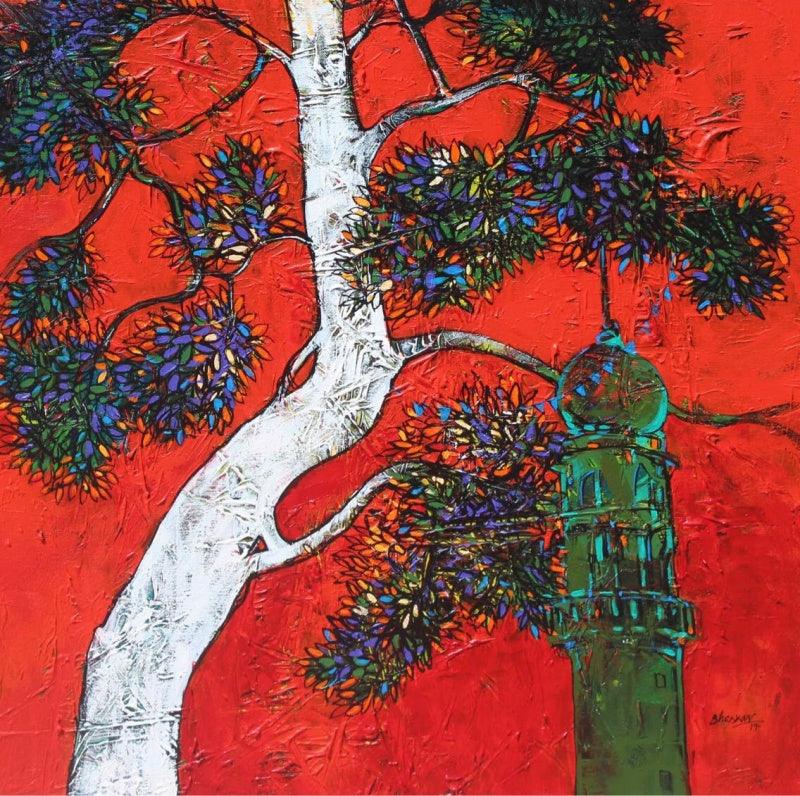
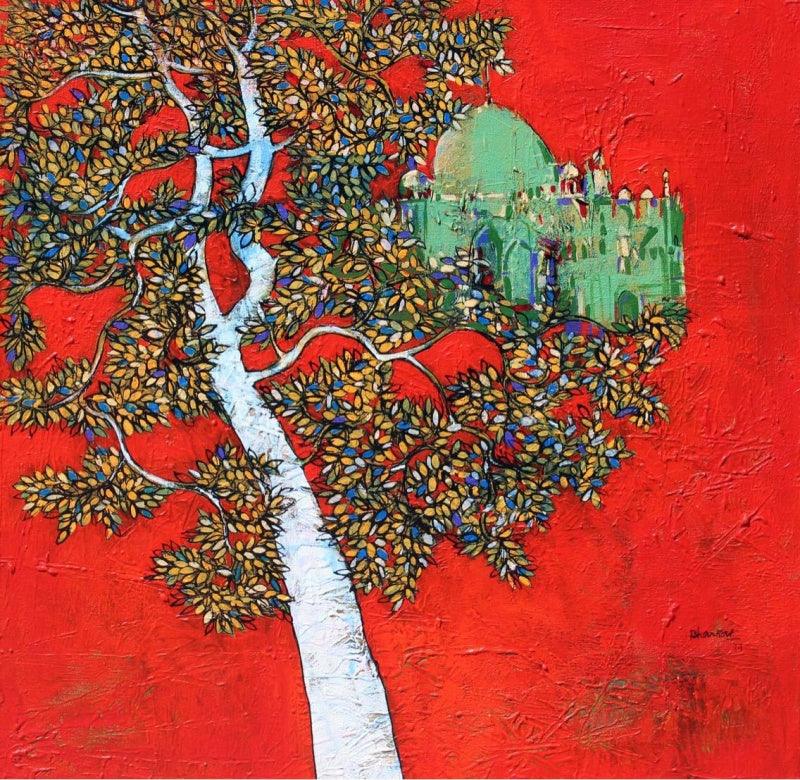
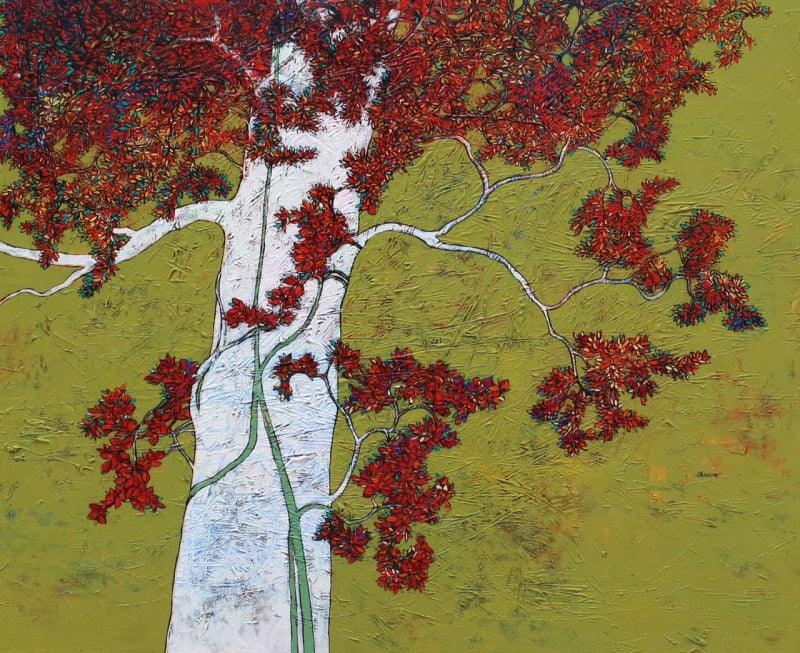
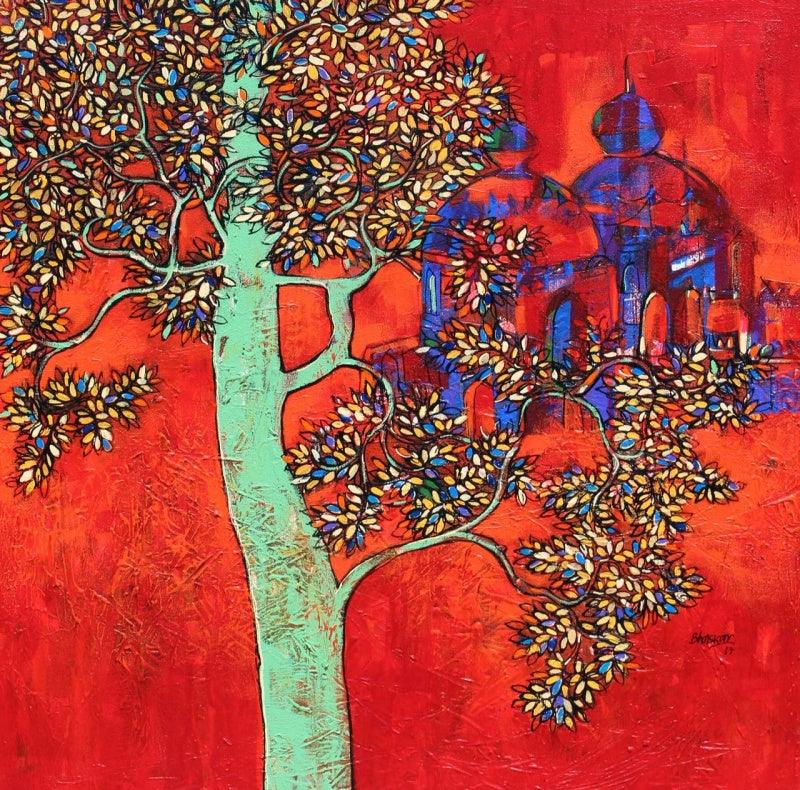
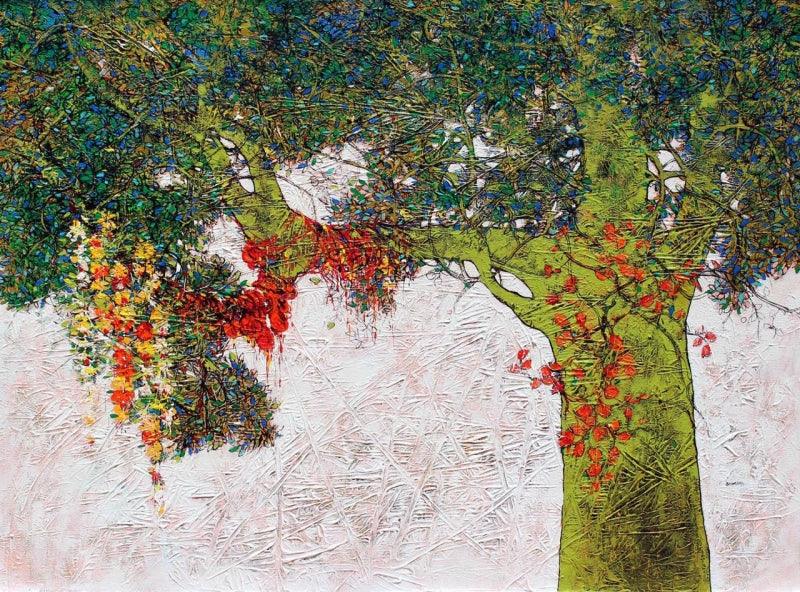
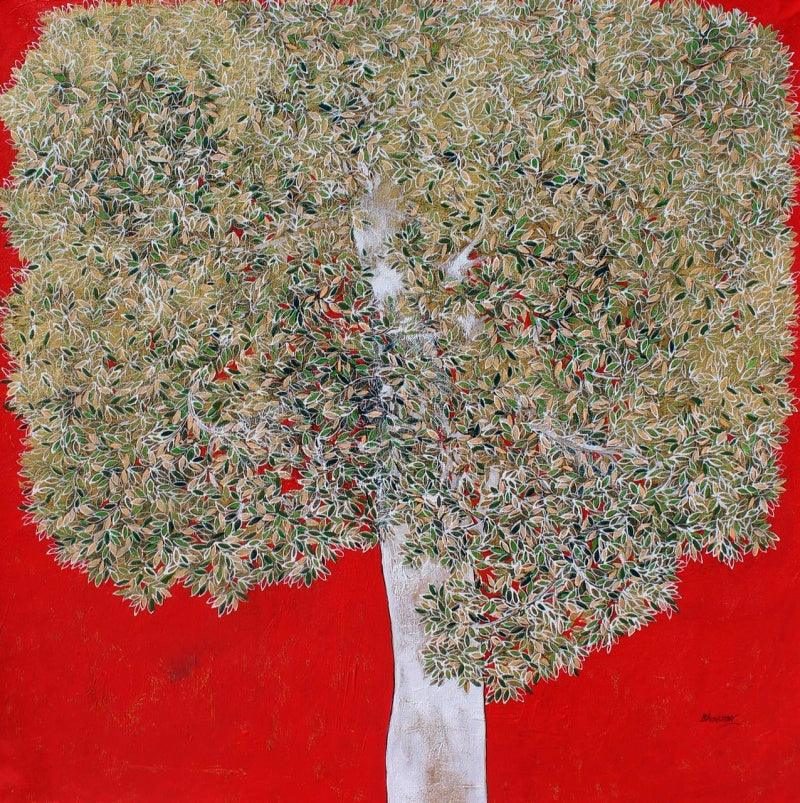
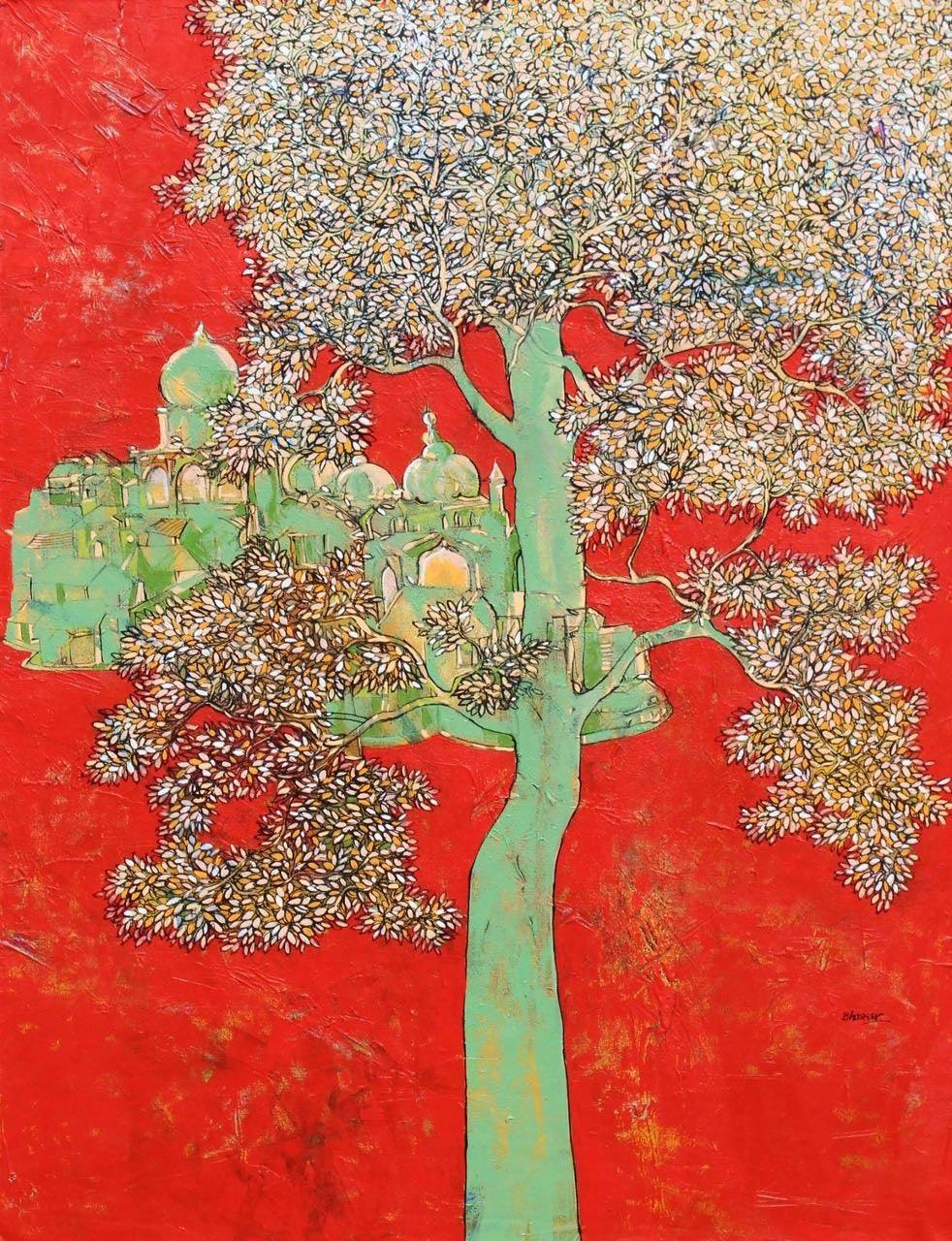
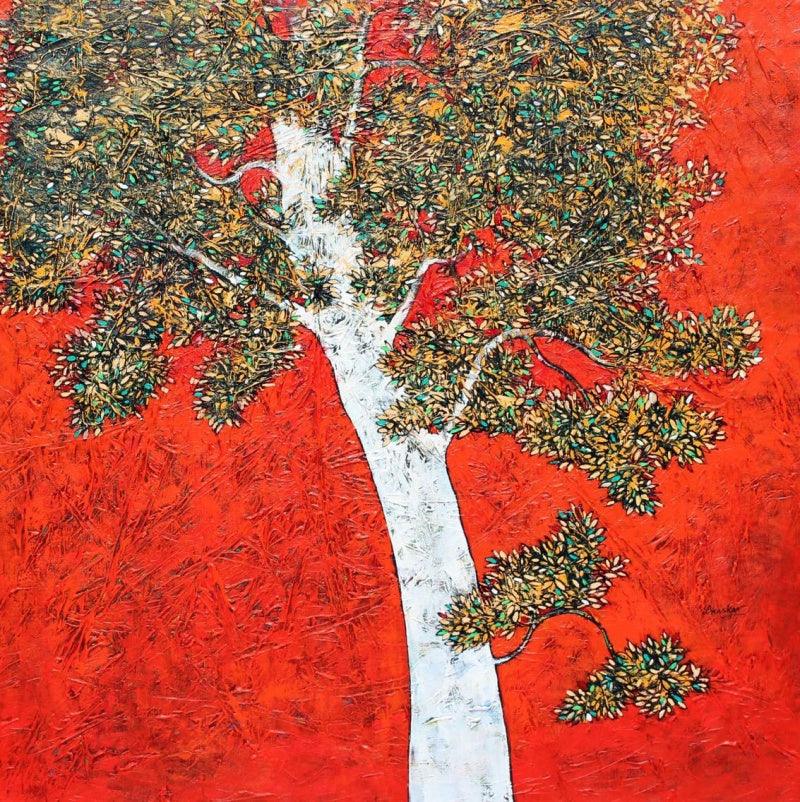
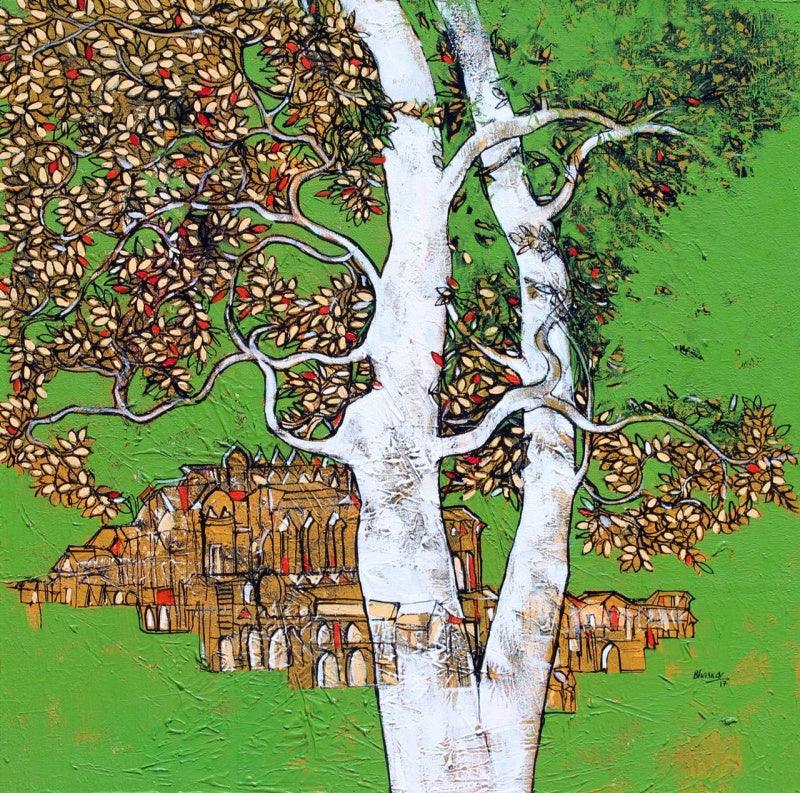
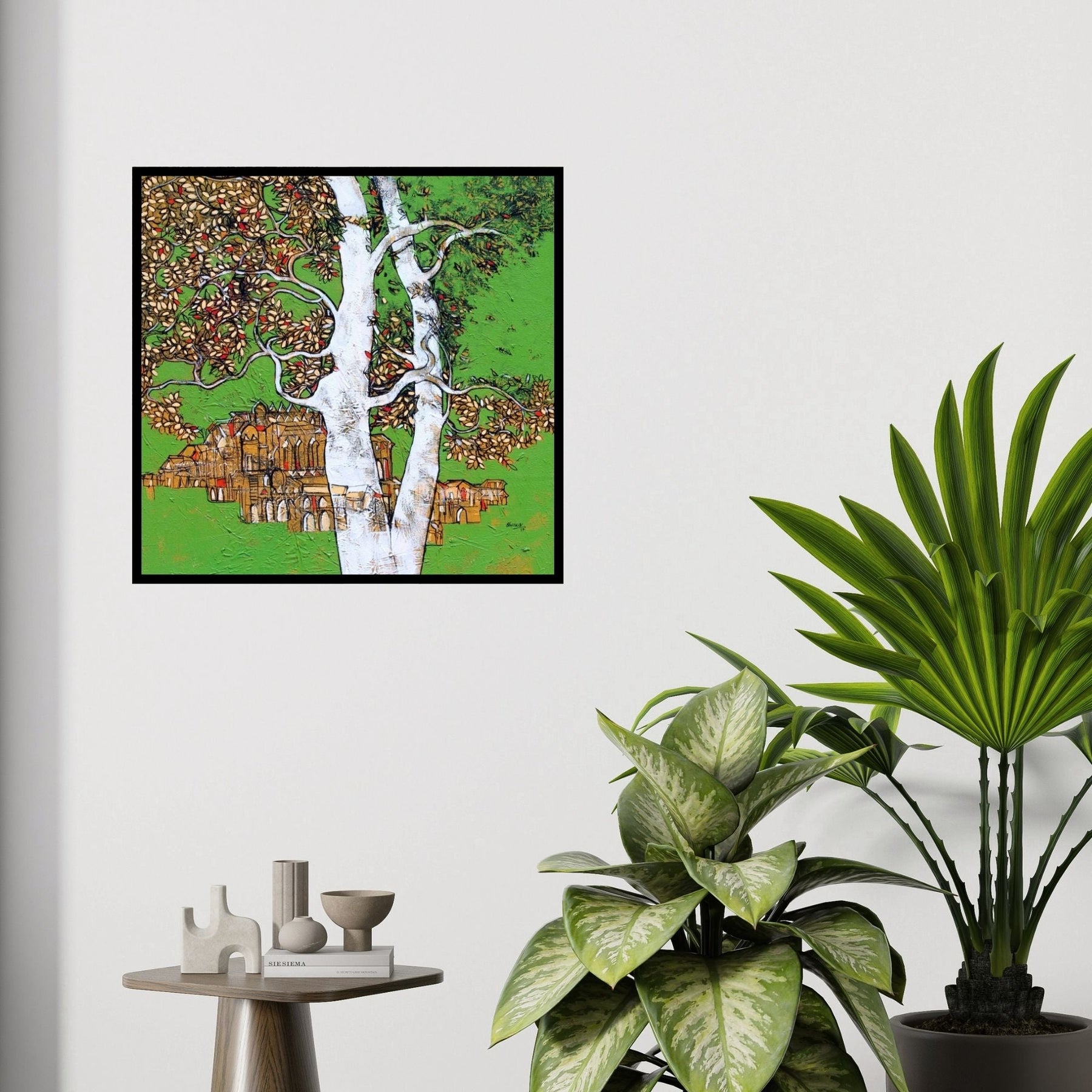
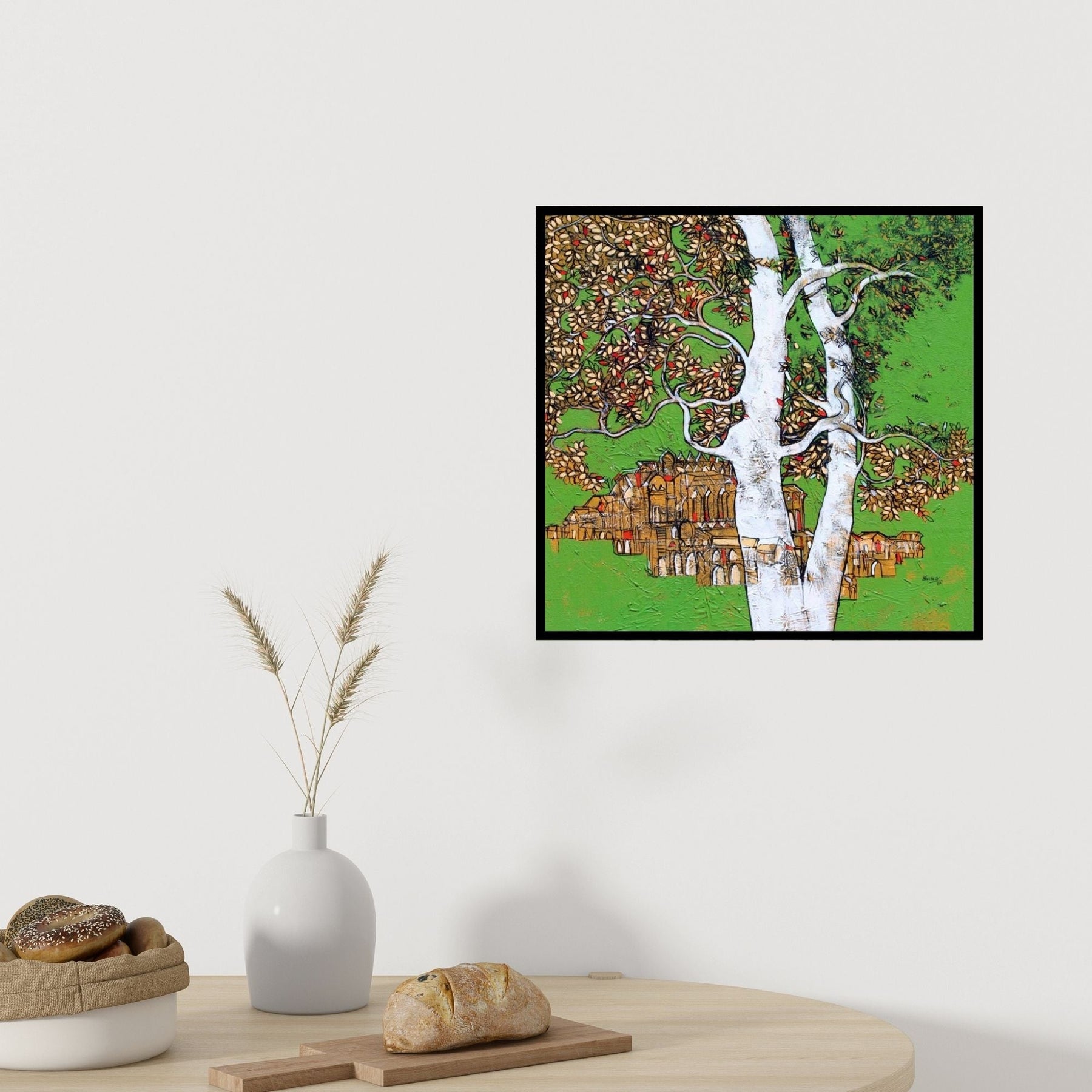
A luminous white-barked tree rises like a quiet guardian, its branching lines scribing a delicate calligraphy against a field of saturated green that feels both pastoral and psychologically charged. The clustered leaves—ochres kissed with ember-red—create a rhythmic canopy, while the faintly etched architecture below reads like memory surfacing through paint, a city held in suspension between shelter and exposure. Light is not merely depicted but asserted: the trunk’s stark brilliance becomes a moral axis, suggesting endurance and renewal as the built world recedes into fragile, earthen geometry. The composition stages a tender negotiation between nature’s expansive presence and human habitation’s intricate vulnerability, as if the landscape is reclaiming the narrative with benevolent insistence.
Delivery
You may also like