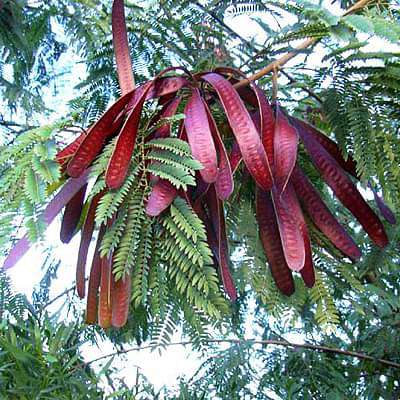
Leucaena Leucocephala, Subabool - Plant
Leucaena Leucocephala - Subabool Plant
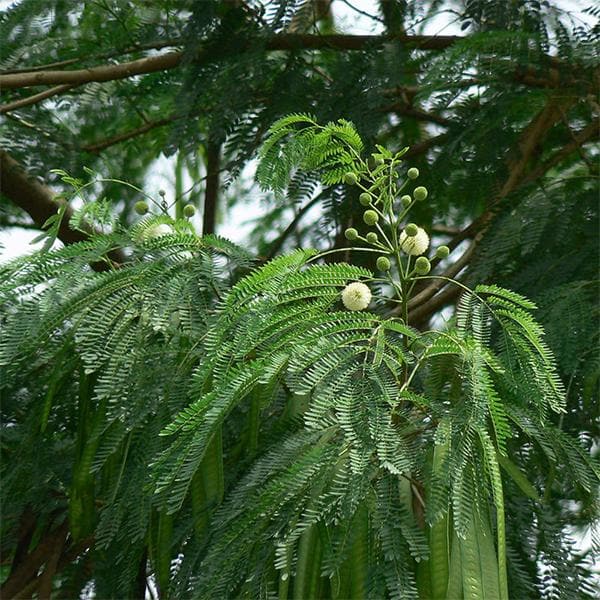
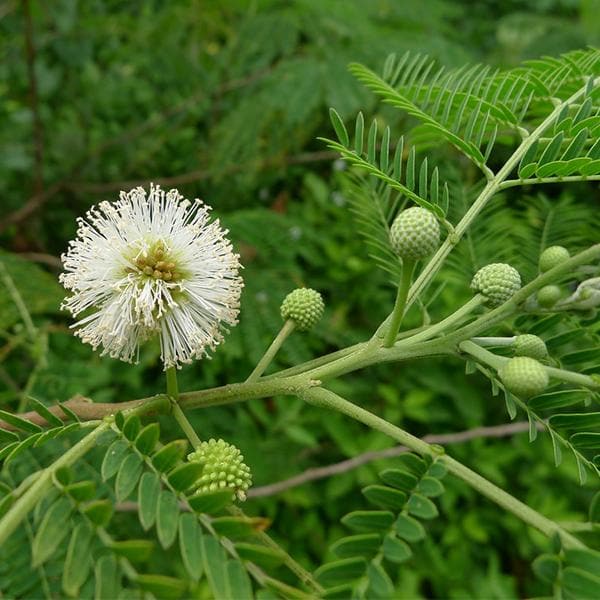
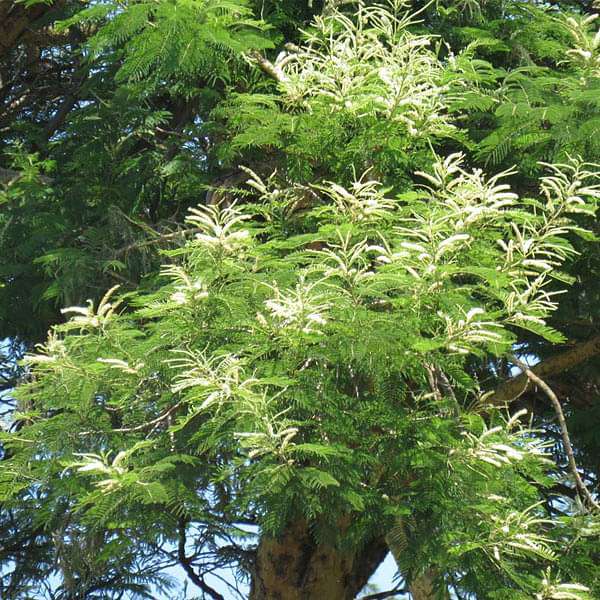
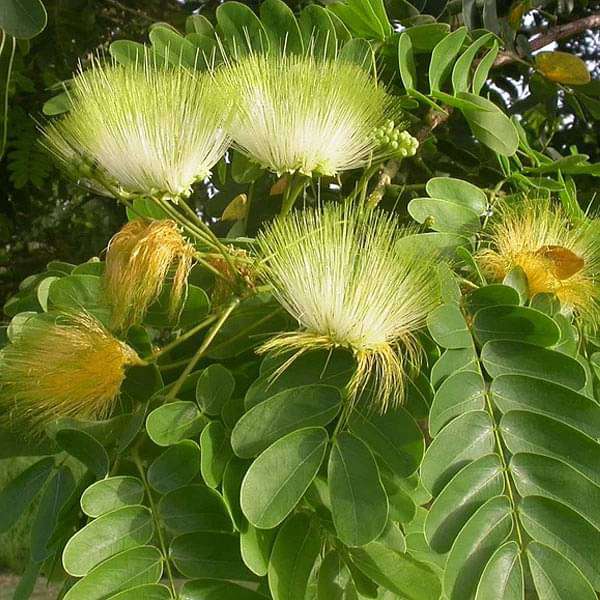
Leucaena Leucocephala, commonly known as Subabool, is a fast-growing, perennial tree native to Central America and Mexico. This remarkable plant is renowned for its nitrogen-fixing capabilities, making it an excellent choice for sustainable agriculture and reforestation projects. With its feathery foliage and beautiful white flower clusters, Subabool not only enhances the landscape but also contributes positively to soil health.
What makes Leucaena Leucocephala special is its versatility. It serves multiple purposes, from providing shade and fodder for livestock to being a source of timber and fuelwood. Its rapid growth and ability to thrive in various soil types make it a favorite among farmers and environmentalists alike.
One of the standout features of Subabool is its exceptional adaptability. It can grow in arid and semi-arid regions, making it a vital resource for combating desertification. Additionally, its leaves are rich in protein, making them an excellent feed for livestock, thus supporting sustainable farming practices.
Growing Instructions
- Plant in well-drained soil with a pH of 5.5 to 7.5.
- Choose a sunny location, as Subabool thrives in full sunlight.
- Space plants 3 to 5 meters apart to allow for their expansive growth.
- Water regularly during the first few months to establish roots.
Care Instructions
- Prune regularly to maintain shape and encourage bushier growth.
- Monitor for pests; use organic pesticides if necessary.
- Fertilize with a balanced fertilizer during the growing season.
- Mulch around the base to retain moisture and suppress weeds.
Uses
- Used as fodder for livestock due to its high protein content.
- Serves as a windbreak and shade tree in agricultural settings.
- Utilized in agroforestry systems to improve soil fertility.
- Wood is used for fuel, construction, and making furniture.
Fun Facts
- Leucaena Leucocephala can grow up to 20 feet tall in optimal conditions.
- This plant is known to fix up to 200 kg of nitrogen per hectare annually.
- Historically, it has been used in traditional medicine for its anti-inflammatory properties.
- Subabool is often planted in erosion-prone areas to stabilize soil and prevent land degradation.
Environmental Impact
Leucaena Leucocephala plays a crucial role in improving soil health and combating climate change. Its ability to fix atmospheric nitrogen enriches the soil, promoting biodiversity and enhancing agricultural productivity. By planting Subabool, communities can restore degraded lands and create sustainable ecosystems that benefit both people and wildlife.
Coupons
Delivery
You may also like