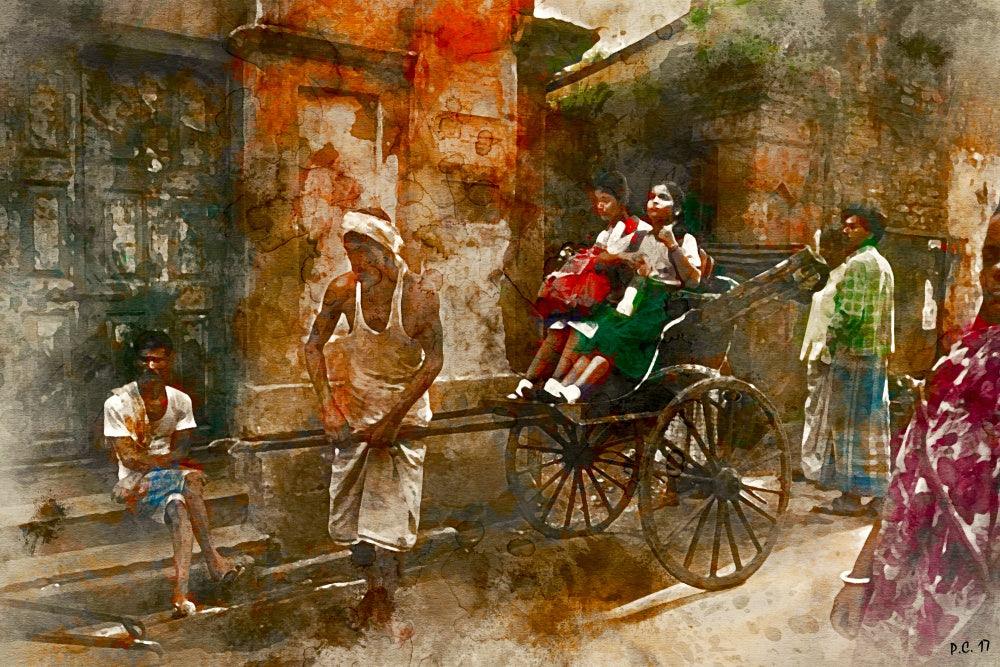
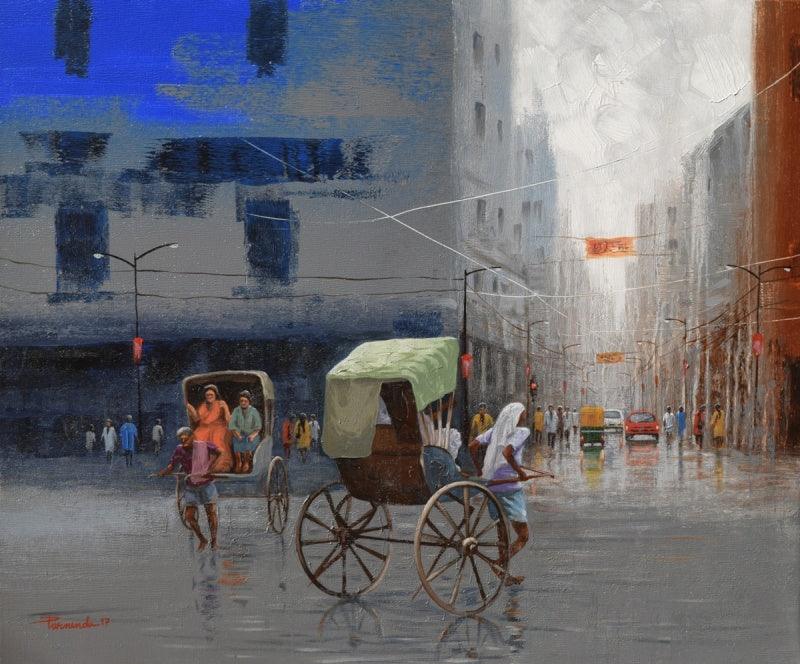
Rickshaw Puller 1 (Rickshaw Puller)
₹2,381
● In stock · ★ 5.0 (13)checking live price…
Size
14x2112x1820x3016x2418x2711x17Type
PrintMaterial
CanvasRendered in a weathered, watercolor-like patina, the scene turns an ordinary street into a meditation on endurance—rusted ochres and soot-greys staining the architecture like accumulated memory. The rickshaw’s hard geometry and spoked wheels anchor the composition, while the children’s bright uniforms puncture the dust-toned world, suggesting innocence carried through constraint rather than sheltered from it. Figures are placed in quiet counterpoint—resting, waiting, bearing weight—so that movement feels less like speed than the slow, relentless rhythm of daily passage. Light is not celebratory here; it is a thin, persistent wash that reveals how labor, care, and city life interlock in a single fragile equilibrium.
Delivery
You may also like
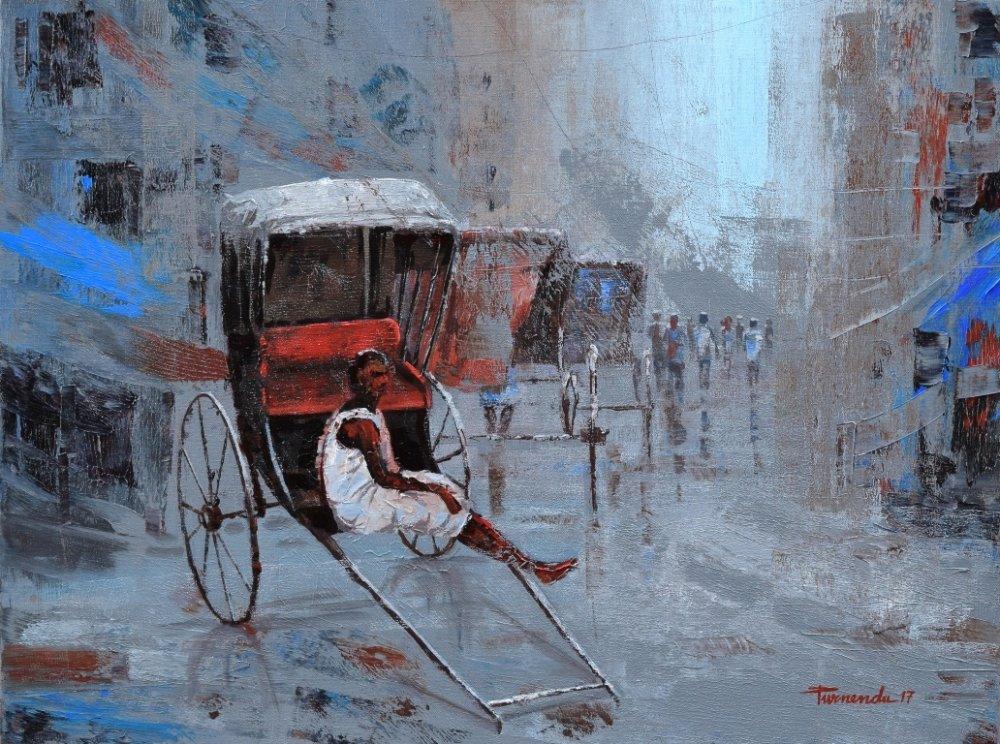
Rickshaw Puller In Kolkata
Artzolo
₹38,500
out of stock
★ 5.0 (10)
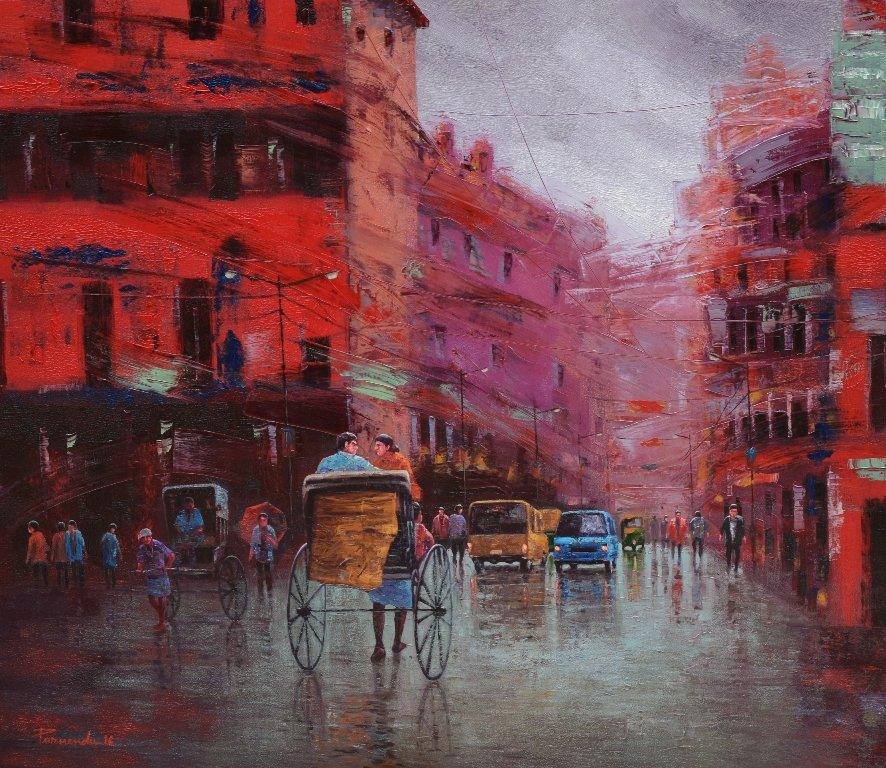
Rickshaw Puller In Kolkata 4
Artzolo
₹130,000
out of stock
★ 5.0 (14)
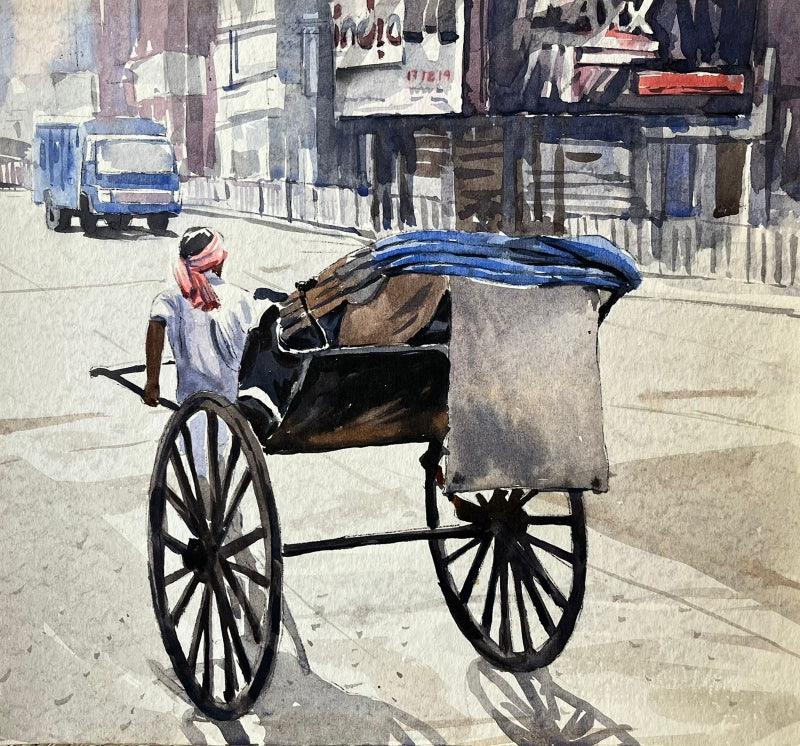
Kolkata Series 15 (Rickshaw Wallah)
Artzolo
₹8,000
out of stock
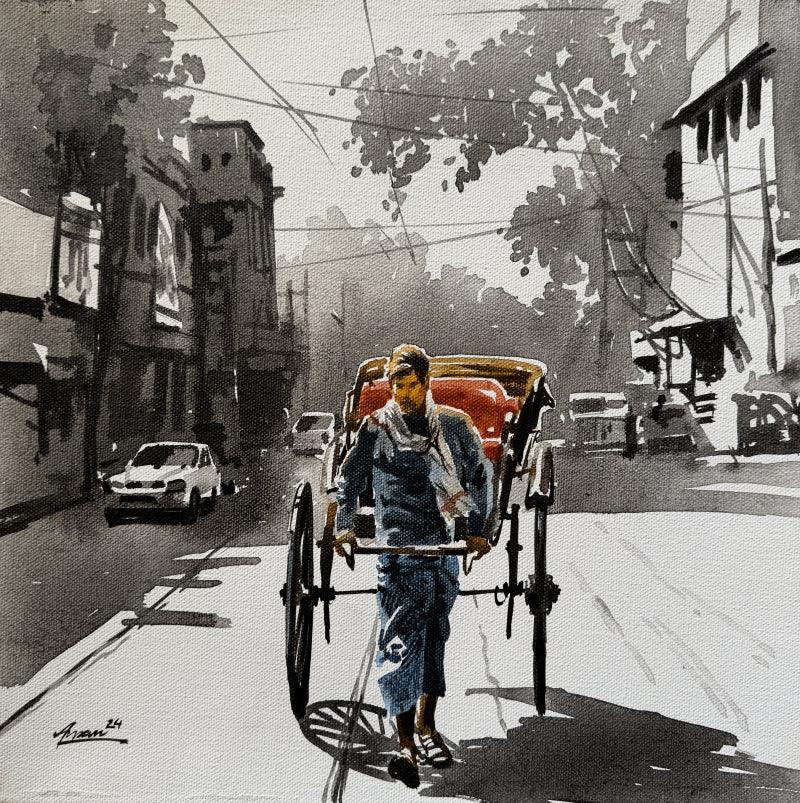
Rickshaw Puller 2 In Kolkata
Artzolo
₹40,000
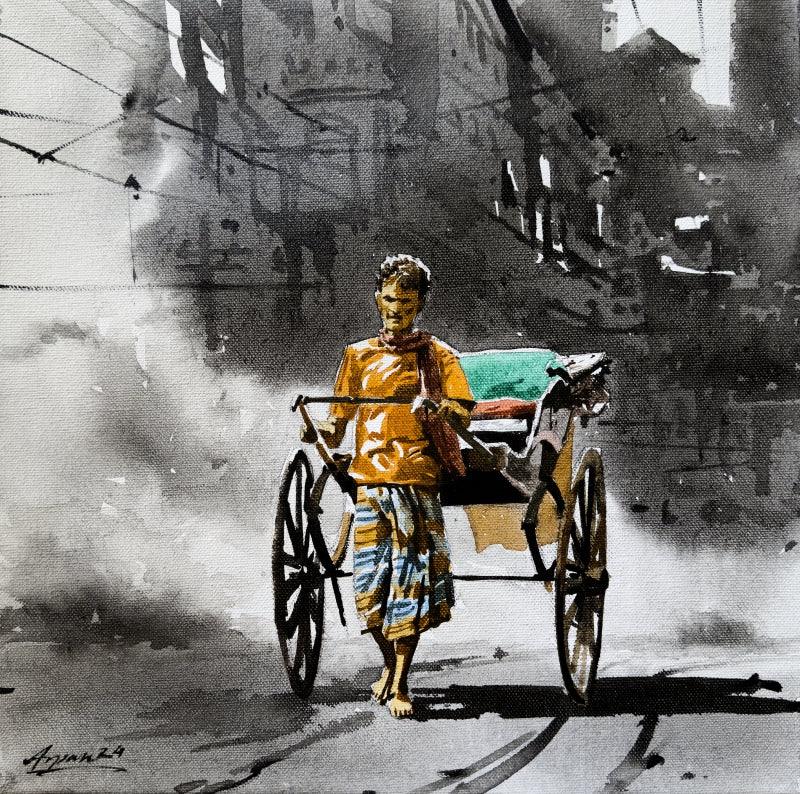
Rickshaw Puller In Kolkata
Artzolo
₹40,000
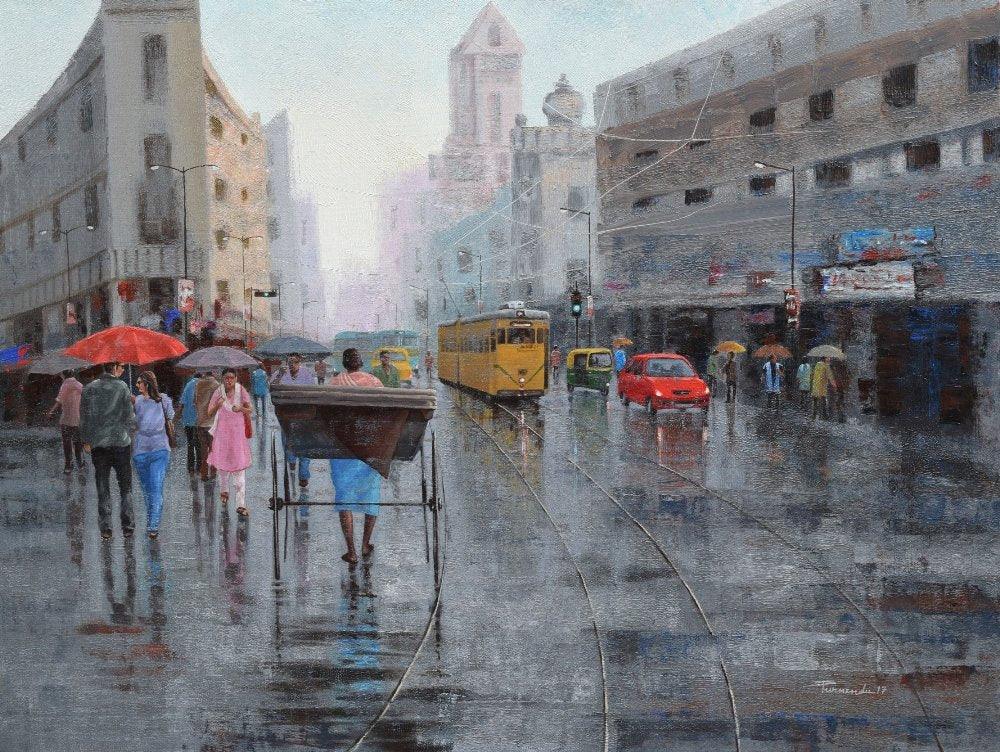
Rickshaw Puller In Kolkata 5
Artzolo
₹144,000
out of stock
★ 4.0 (6)
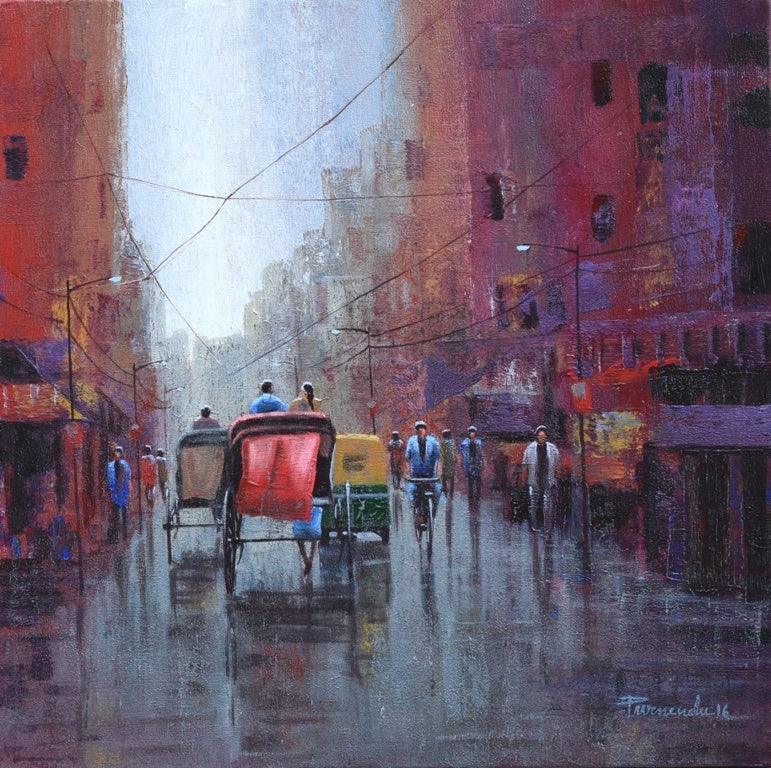
Rickshaw Puller In Kolkata
Artzolo
₹45,000
out of stock
★ 4.0 (9)
Rickshaw Puller In Kolkata
Artzolo
₹150,000
out of stock
★ 4.0 (5)