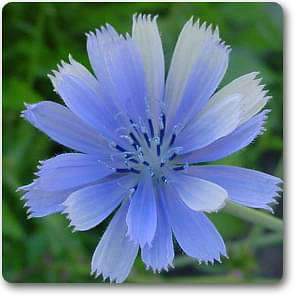
Chicory - The Versatile Plant
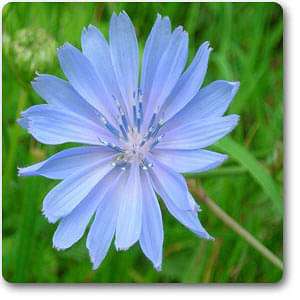
Chicory (Cichorium intybus) is a perennial herbaceous plant known for its vibrant blue flowers and deep taproot. This hardy plant thrives in various climates and is often found in wild meadows and along roadsides. Chicory is not only a beautiful addition to any garden but also offers numerous health benefits, making it a popular choice among herbalists and health enthusiasts.
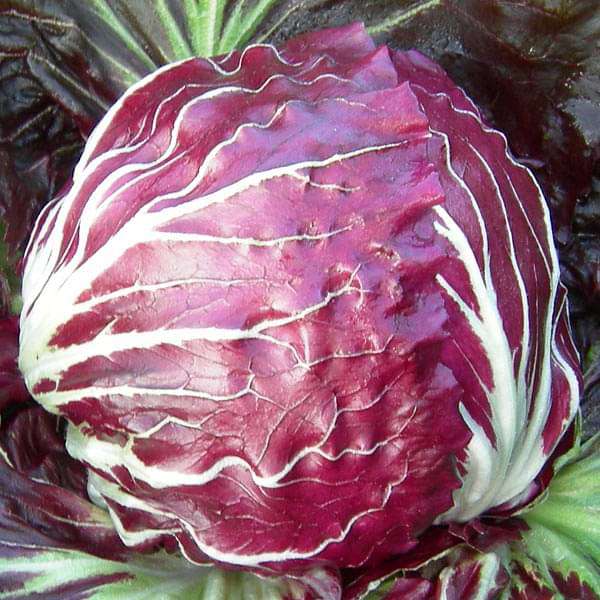
What makes chicory special is its rich history and diverse uses. Traditionally, it has been used as a coffee substitute and a digestive aid. Its leaves can be consumed as a salad green, while the roots are often roasted and ground to create a caffeine-free coffee alternative. With its high inulin content, chicory supports gut health and promotes a healthy digestive system.
Chicory is also an environmentally friendly plant, attracting pollinators and improving soil health through its deep root system. Its ability to thrive in poor soil conditions makes it a sustainable choice for gardeners looking to enhance biodiversity.
Special Features
- Rich in inulin, a prebiotic fiber that supports gut health.
- Attracts beneficial pollinators like bees and butterflies.
- Can be grown in a variety of soil types and conditions.
Growing Instructions
- Plant chicory seeds in early spring or late summer.
- Choose a sunny location with well-drained soil.
- Space seeds about 12 inches apart to allow for growth.
- Water regularly, especially during dry spells.
Care Instructions
- Mulch around the base to retain moisture and suppress weeds.
- Fertilize with a balanced organic fertilizer in early spring.
- Prune dead or damaged leaves to encourage new growth.
Uses
- Leaves can be used in salads or cooked as greens.
- Roots can be roasted and ground for a caffeine-free coffee substitute.
- Used in herbal teas for digestive health.
Fun Facts
- Chicory has been cultivated since ancient Egypt and was used by the Romans for its medicinal properties.
- The plant's flowers open in the morning and close in the afternoon, a phenomenon known as "nyctinasty."
- Chicory is often used as a cover crop to improve soil health and prevent erosion.
Environmental Impact
Chicory plays a significant role in promoting biodiversity. Its deep roots help to aerate the soil, improving its structure and nutrient content. Additionally, by attracting pollinators, chicory supports the ecosystem and contributes to the overall health of the environment.
Coupons
Delivery
You may also like