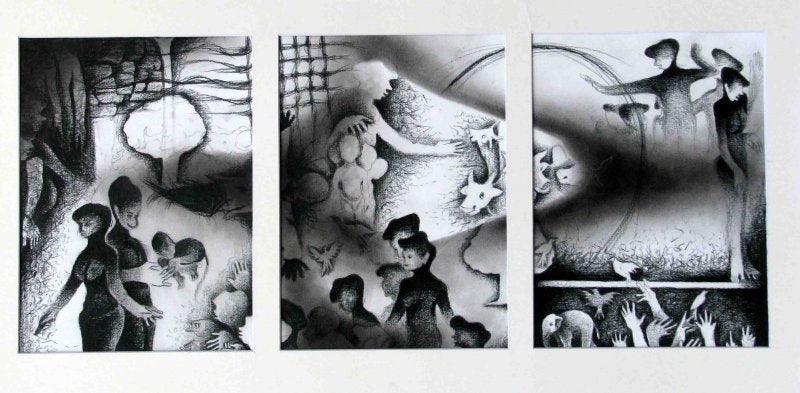
The Village Life
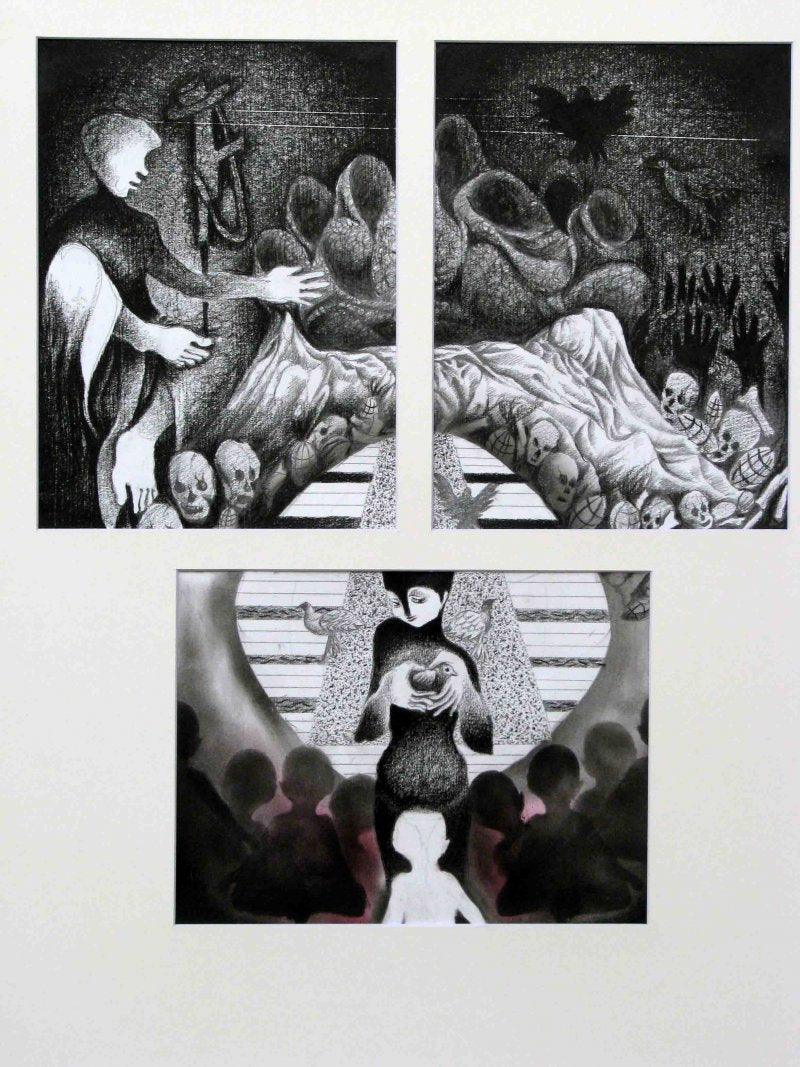
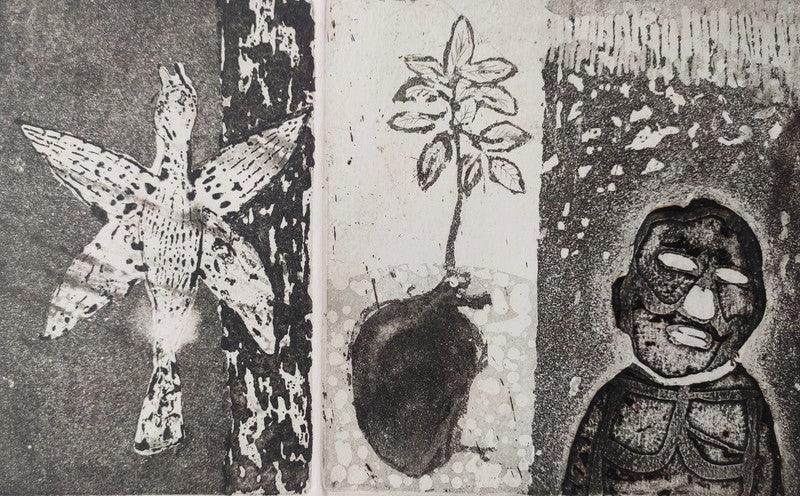
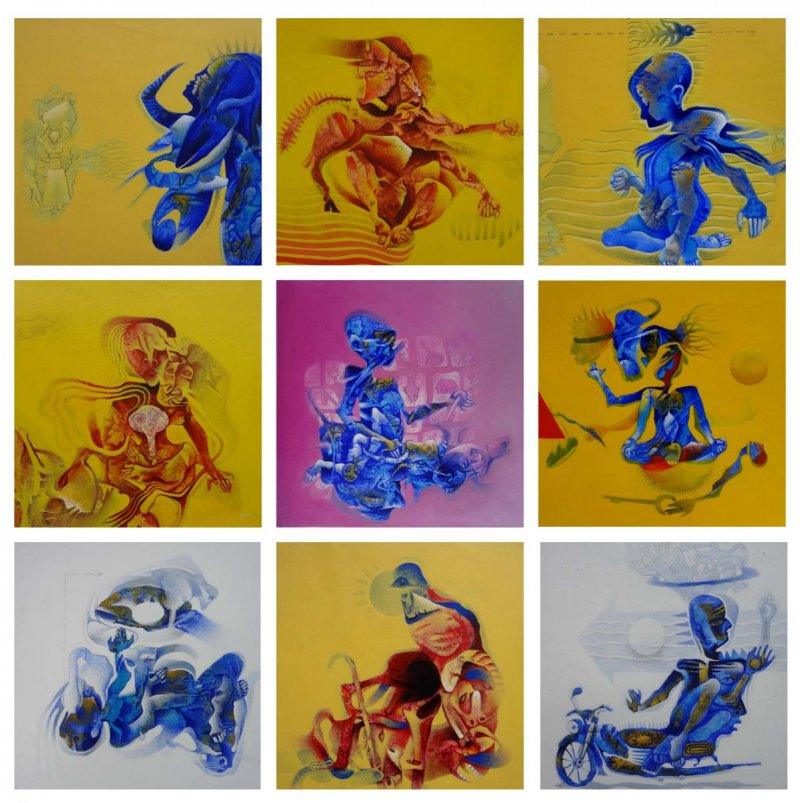
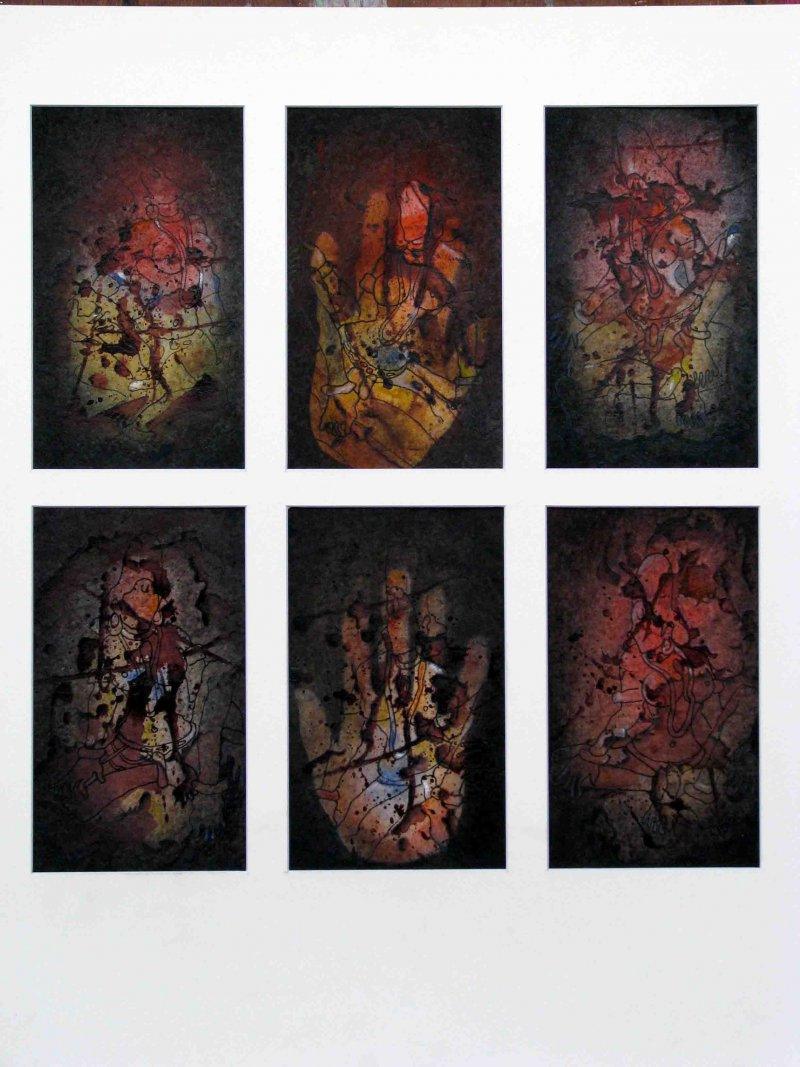
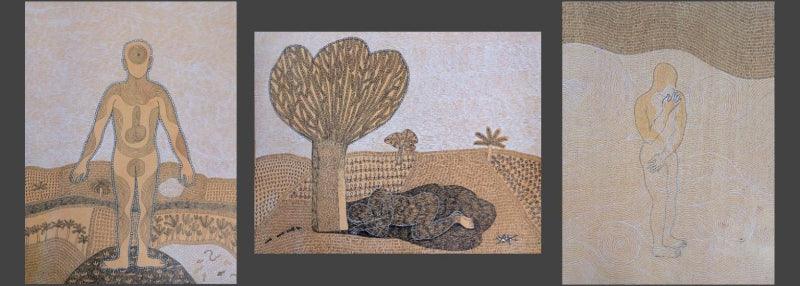
In this triptych, figures emerge like memories developed in a darkroom—soft-edged silhouettes pushed forward by harsh diagonals of light that slice the scene into stages of witness, appeal, and judgment. The central panel’s outstretched gesture reads as both invitation and warning, while the surrounding bodies—partly erased, partly accused—suggest a collective psyche negotiating intimacy, violence, and survival. Charcoal-like tonal gradients thicken into a fog of anonymity, turning negative space into a moral atmosphere where the crowd’s raised hands become a chorus of longing, protest, or surrender. Across the three frames, the work moves less as narrative than as ritual, proposing that what we “see” in others is always haunted by what remains unspoken.
Delivery
You may also like