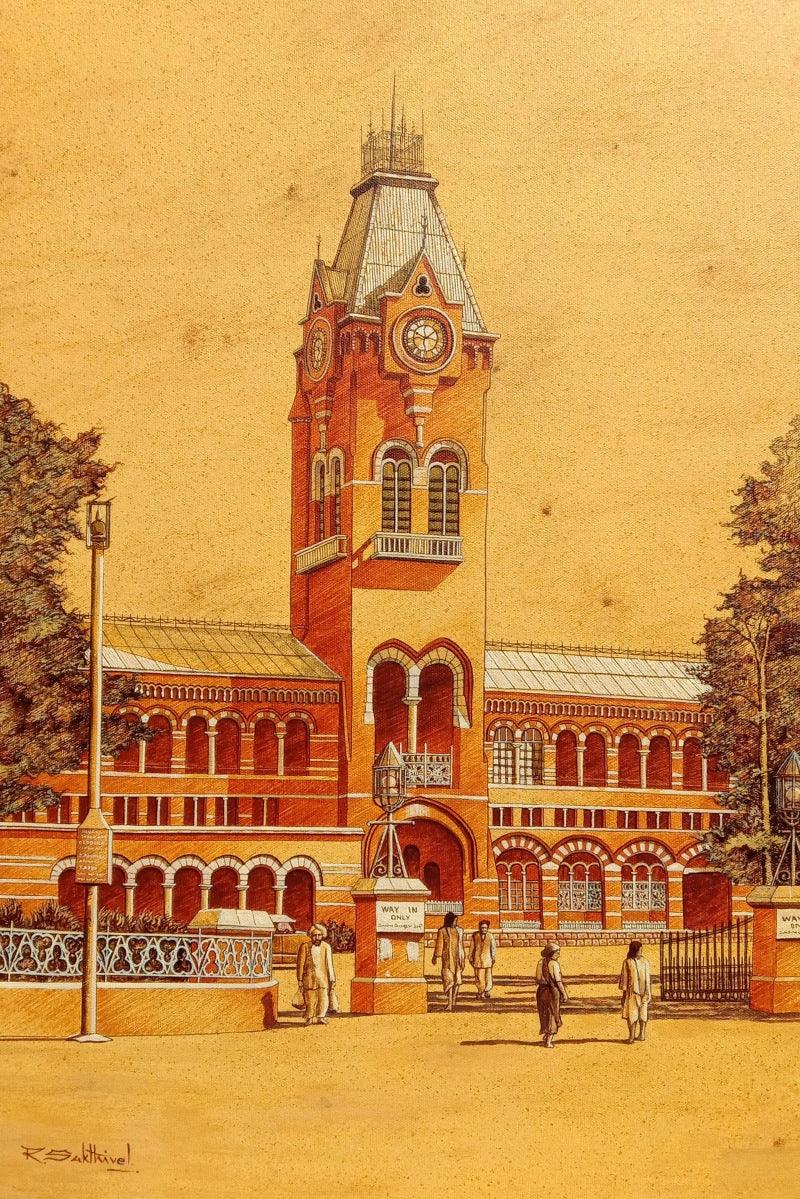
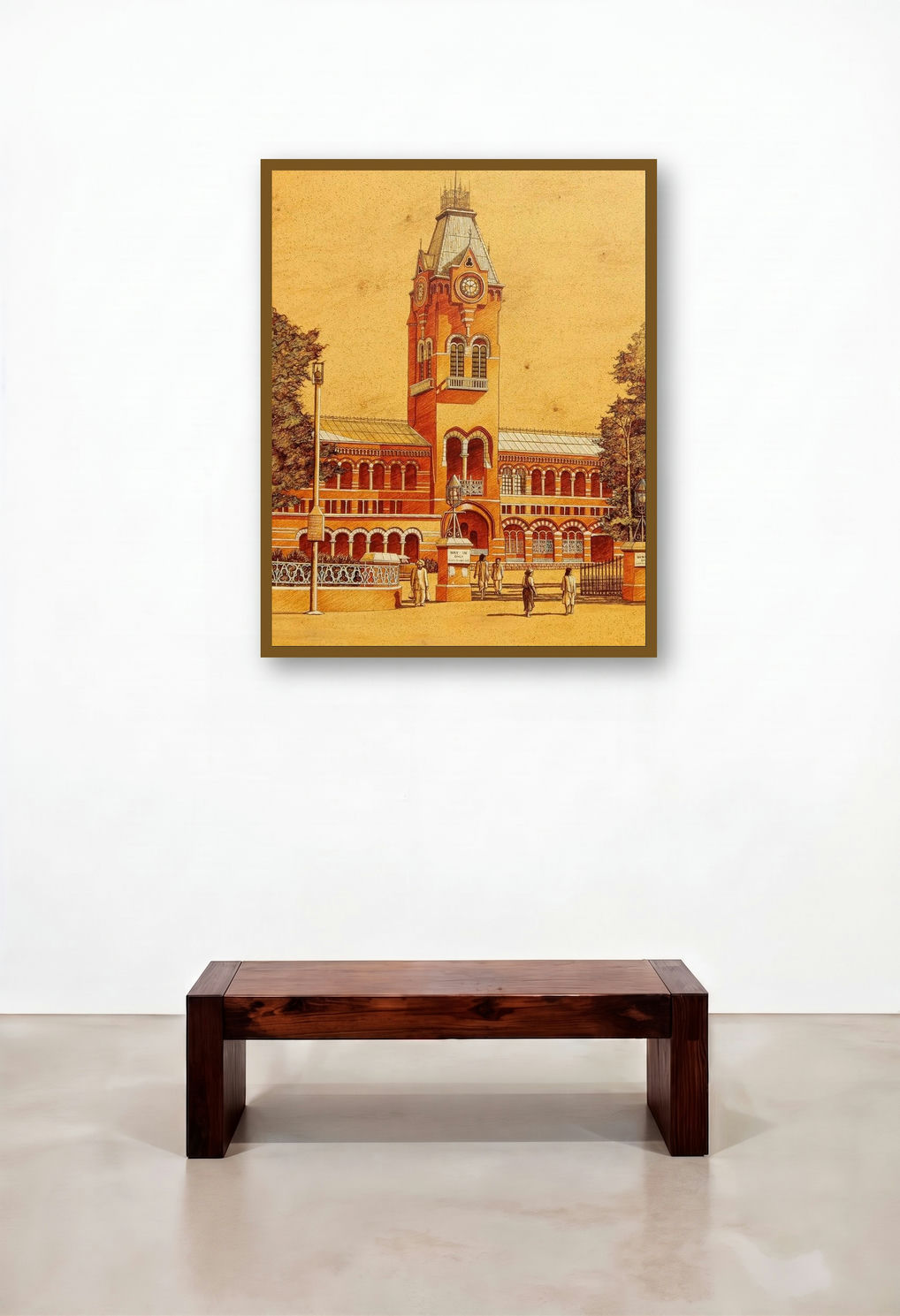
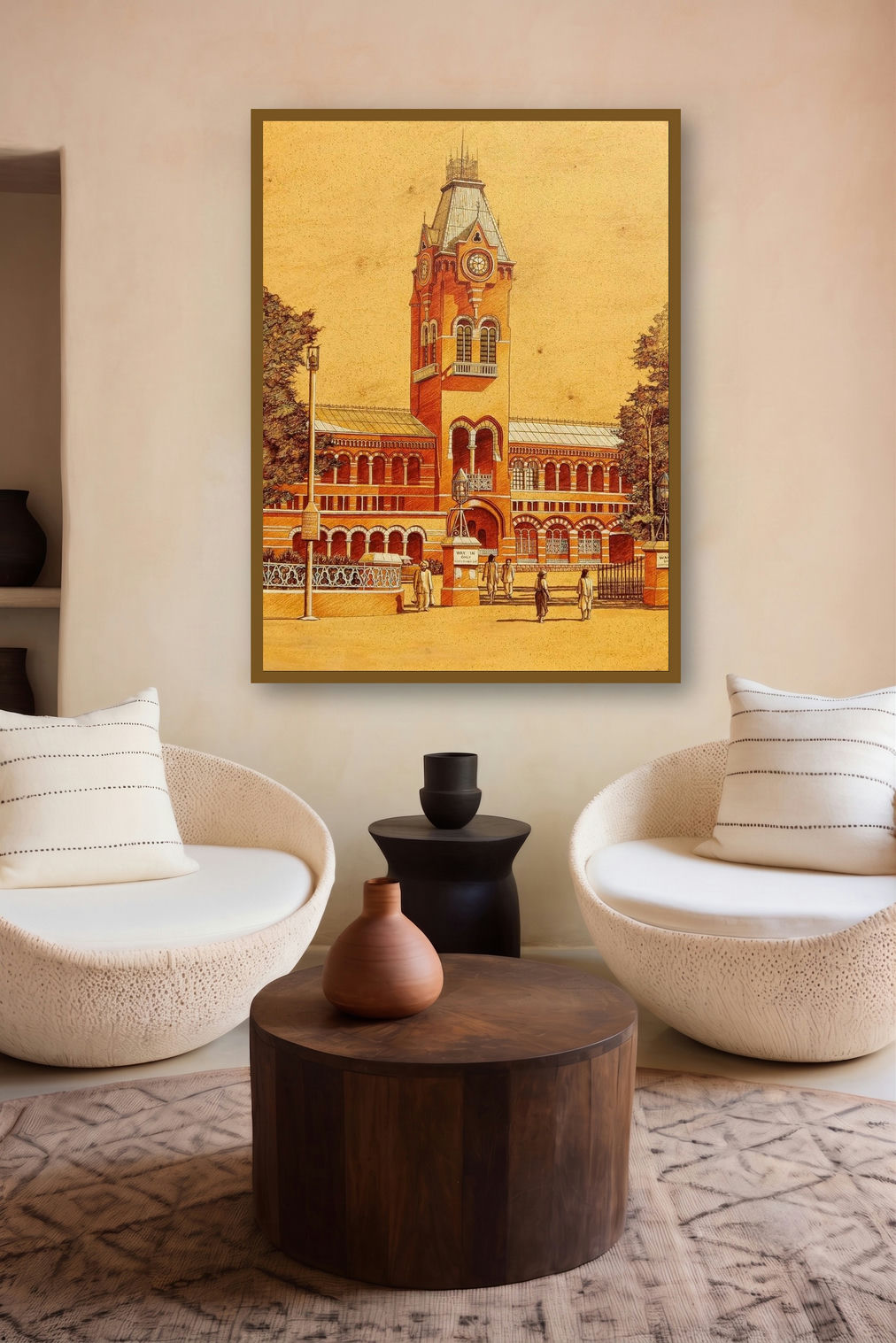
Old Madras Central (The Chennai Clock Tower)
₹35,000
● In stock · ★ 5.0 (11)checking live price…
Size
24x16Type
OriginalMaterial
CanvasBathed in a honeyed, sepia atmosphere, the clock-towered façade rises with a ceremonial calm, its brick reds and creamy ochres staged like memory made architectural. The composition is rigorously symmetrical yet softened by hand-drawn texture, allowing the building’s measured geometry to feel lived-in rather than monumental. Small figures at the threshold animate the scene as quiet witnesses to civic time—suggesting an institution that both orders daily life and absorbs it, one footstep at a time. Light here is less illumination than nostalgia, turning the structure into a reliquary of public routine and enduring presence.
Delivery
You may also like
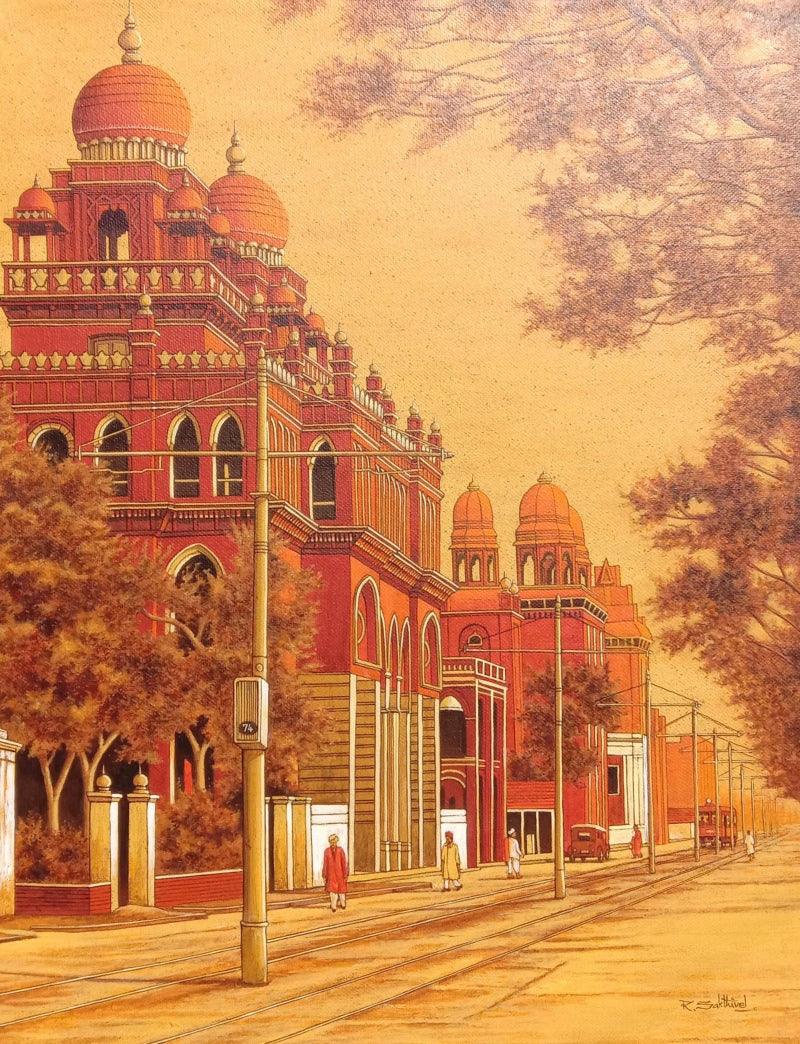
Old Madras Beach Road (A Stroll Down Chennai Street)
Artzolo
₹52,000
★ 4.0 (14)
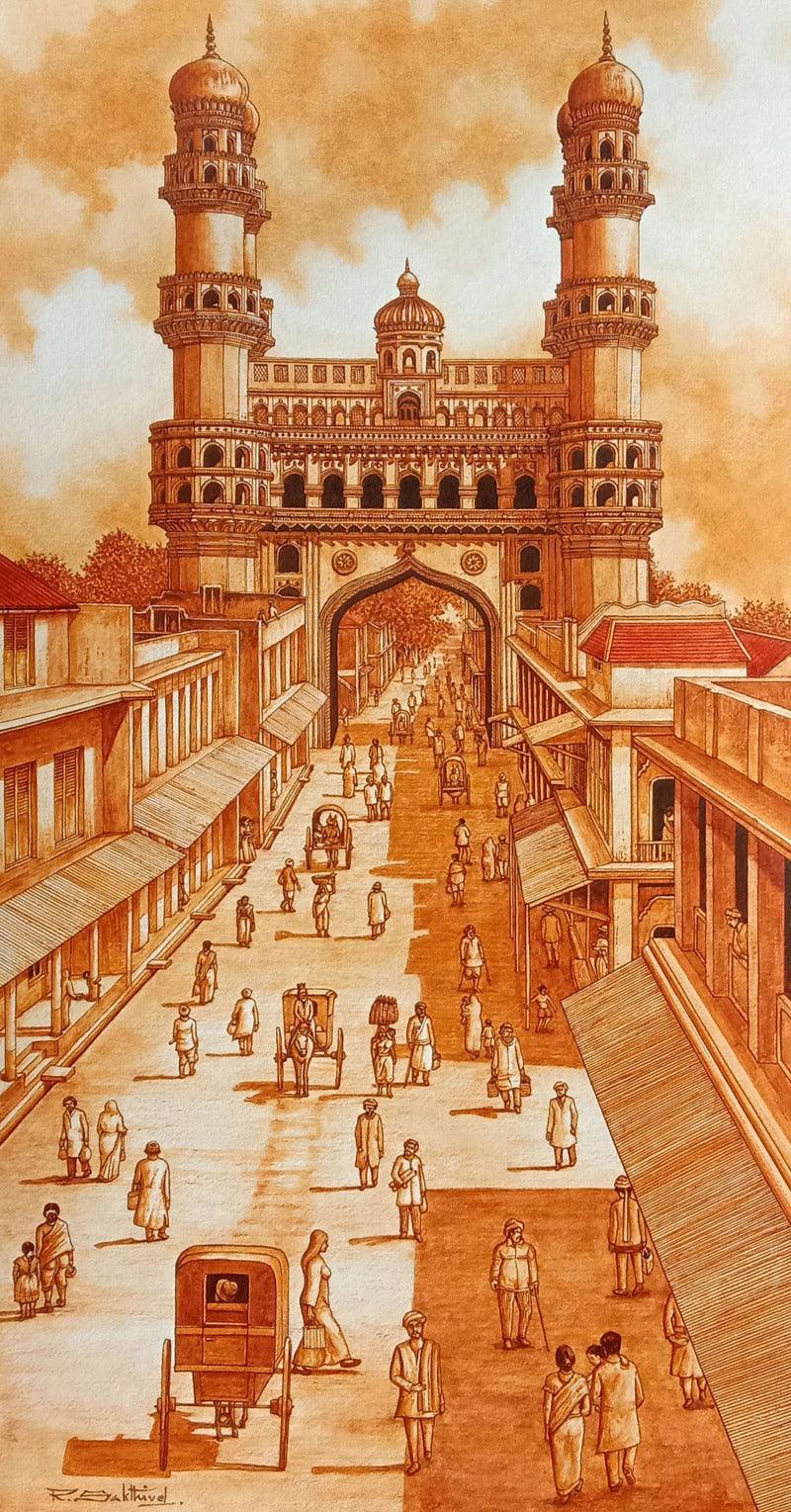
Old Hyderabad Charminor (Charminar and its Surroundings)
Artzolo
₹50,000
out of stock
★ 5.0 (12)
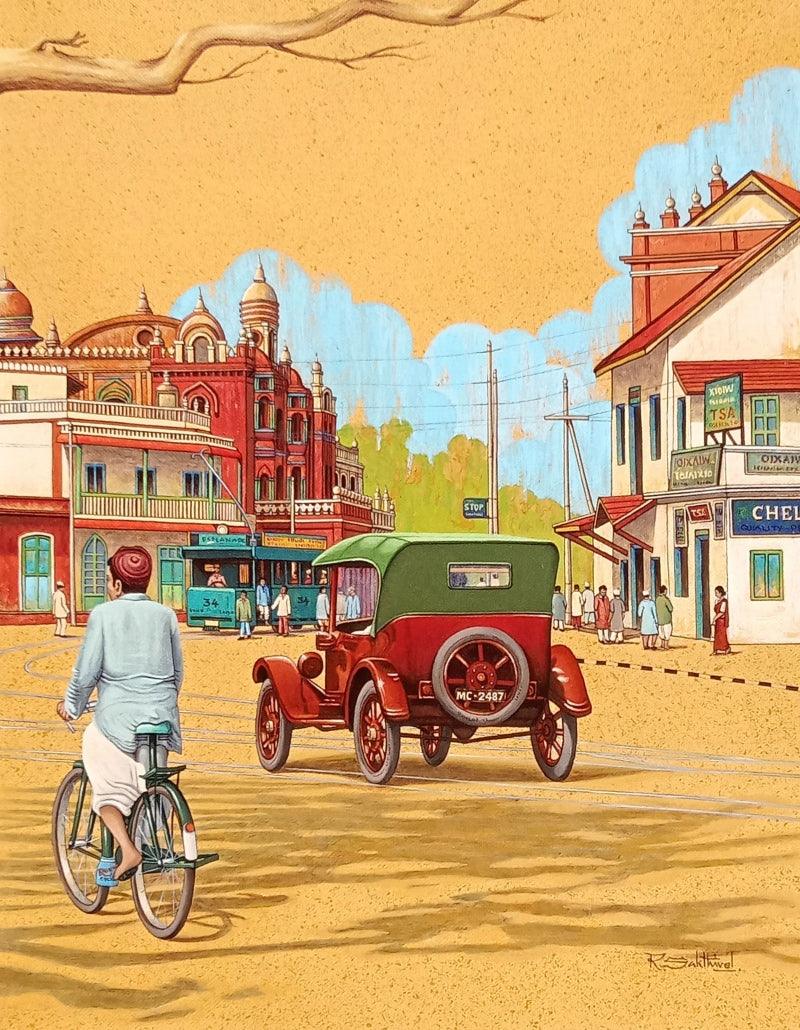
Old Madras Mount Road (A Day in the City)
Artzolo
₹42,000
out of stock
★ 5.0 (9)
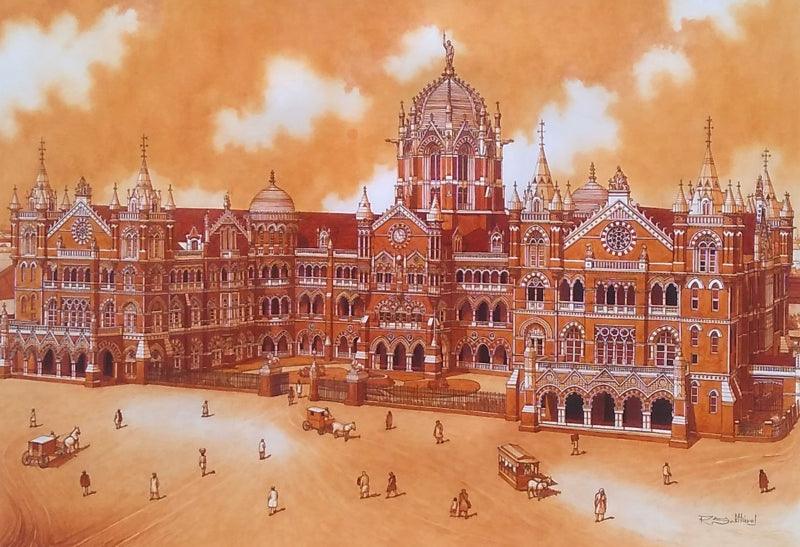
Old Bombay V T Station (Gateway to Mumbai)
Artzolo
₹135,000
out of stock
★ 4.0 (7)
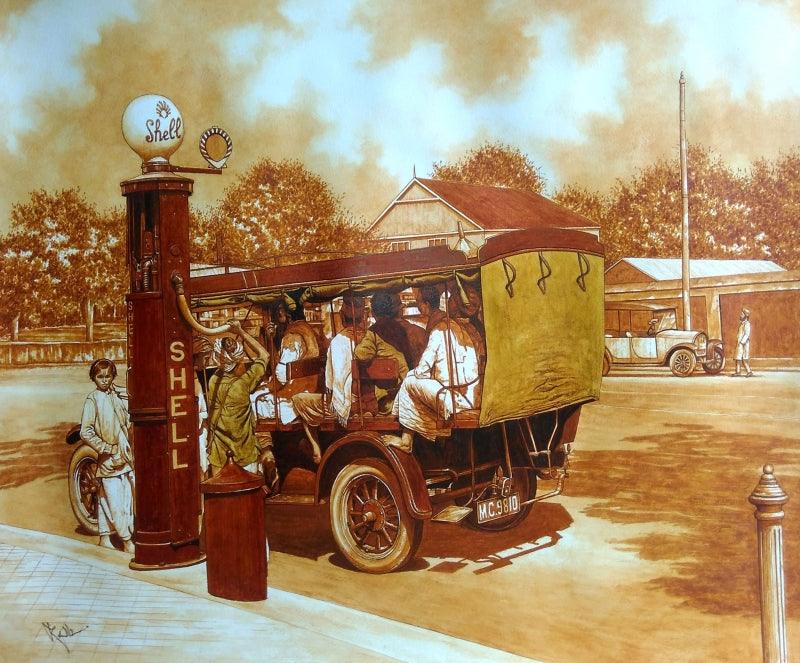
Old Madras Shell (A Shell of a Memory)
Artzolo
₹37,000
out of stock
★ 5.0 (7)
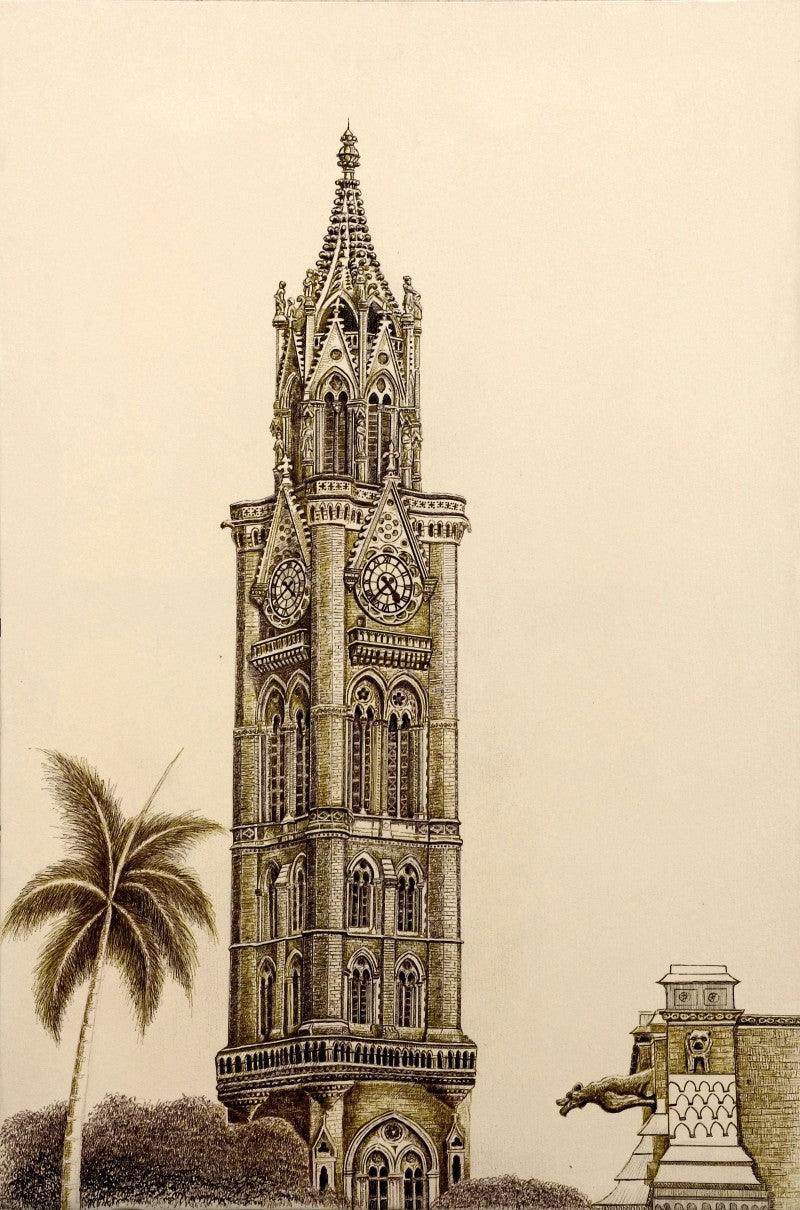
Rajabai Clock Tower Bombay University (Rajabai Clock Tower, Mumbai)
Artzolo
₹0
★ 5.0 (6)
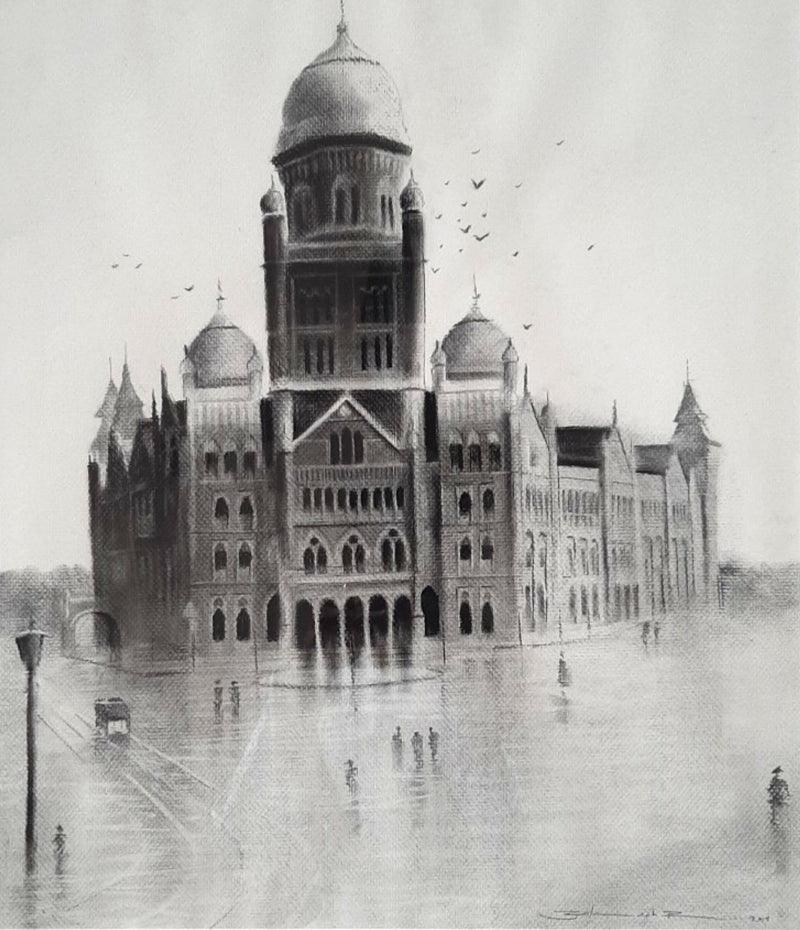
Old Mumbai 2 (Chhatrapati Shivaji Maharaj Terminus)
Artzolo
₹10,000
out of stock
★ 4.0 (7)
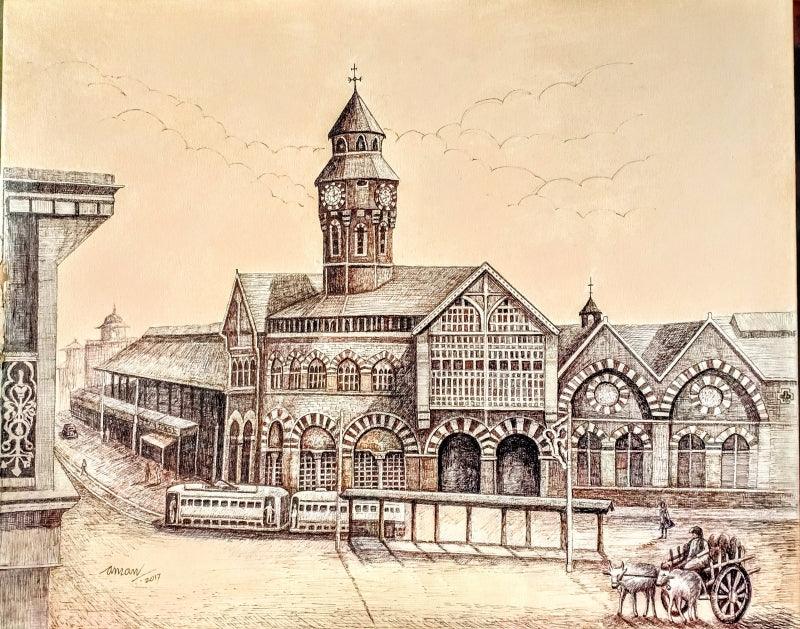
Old Crawford Market Mumbai (Crawford Market)
Artzolo
₹0