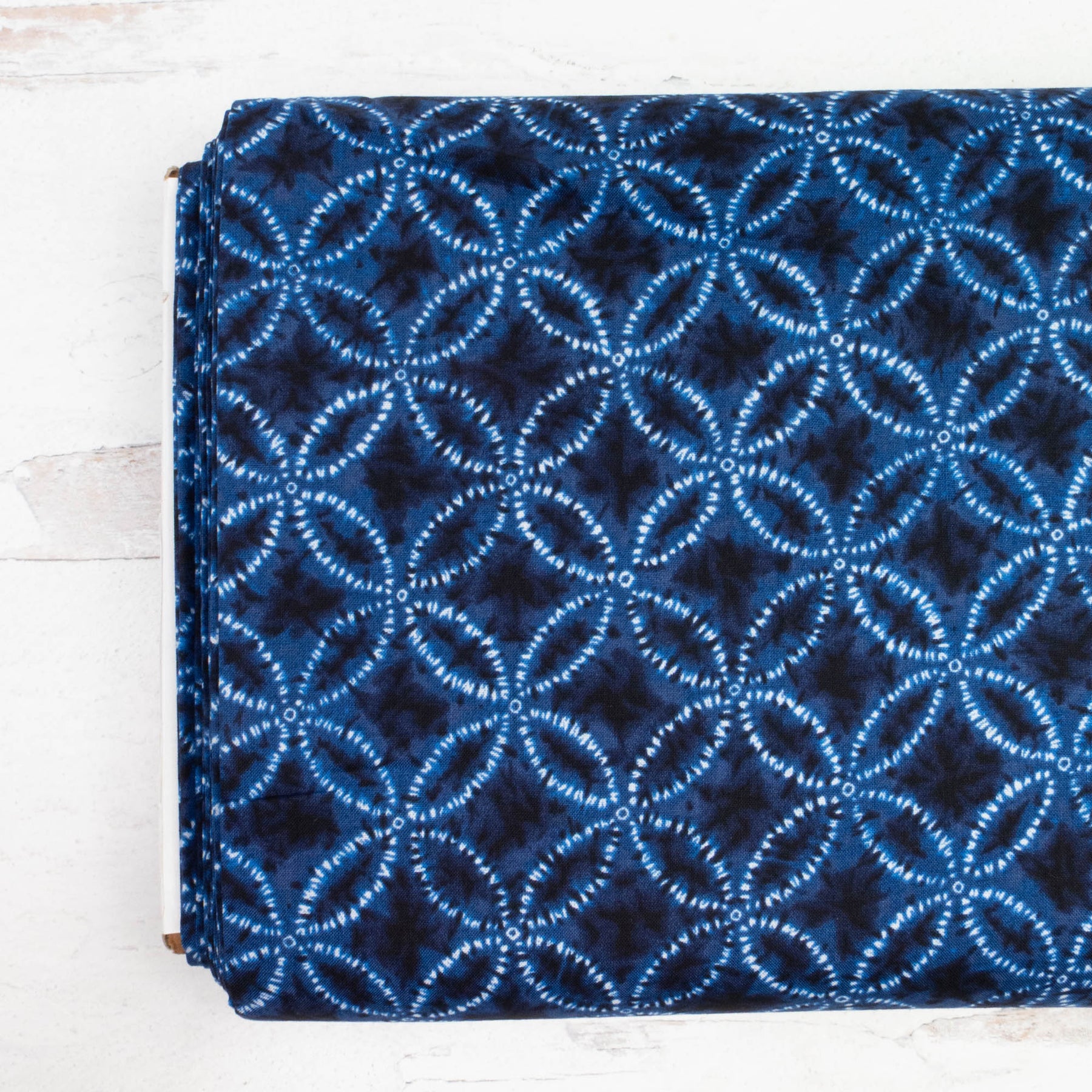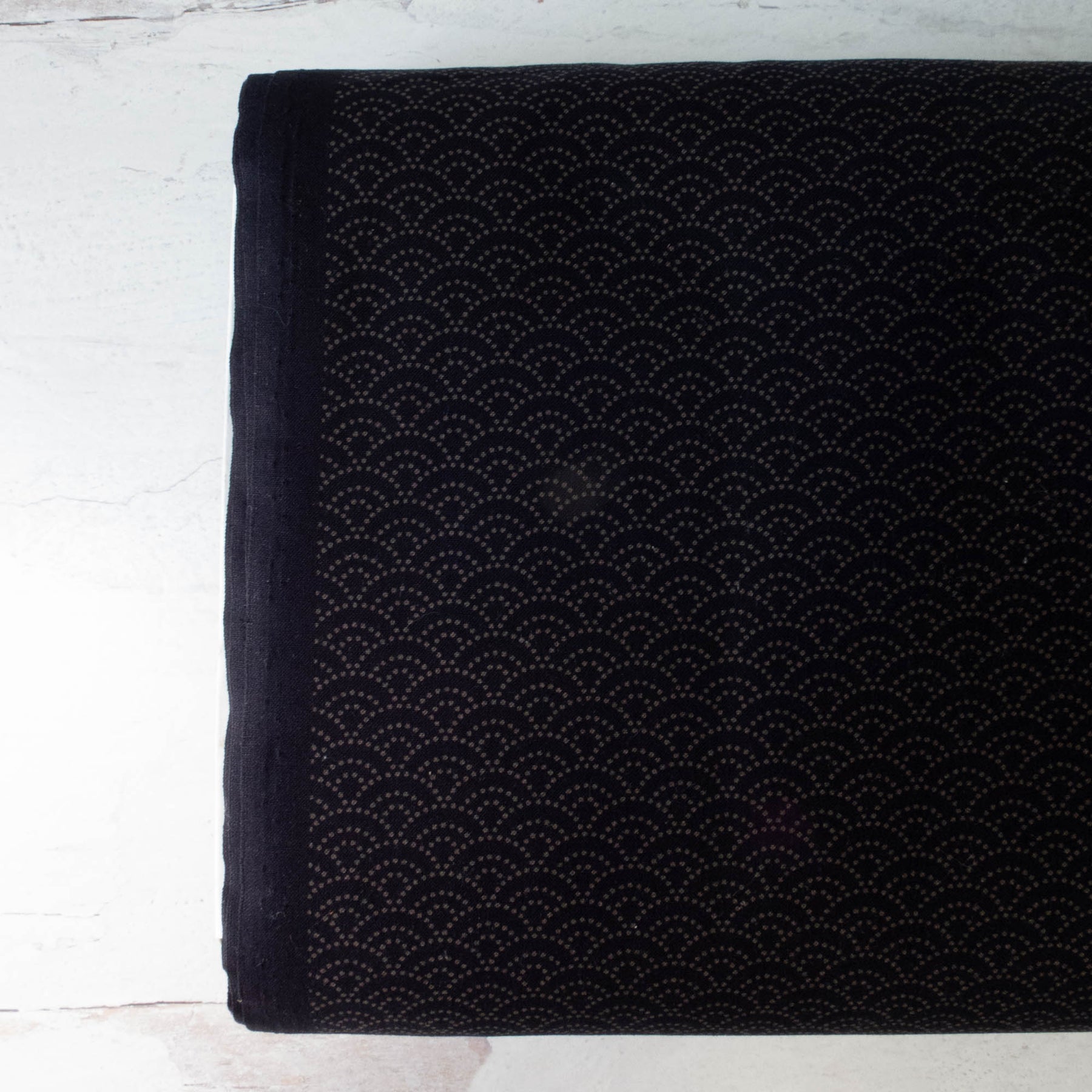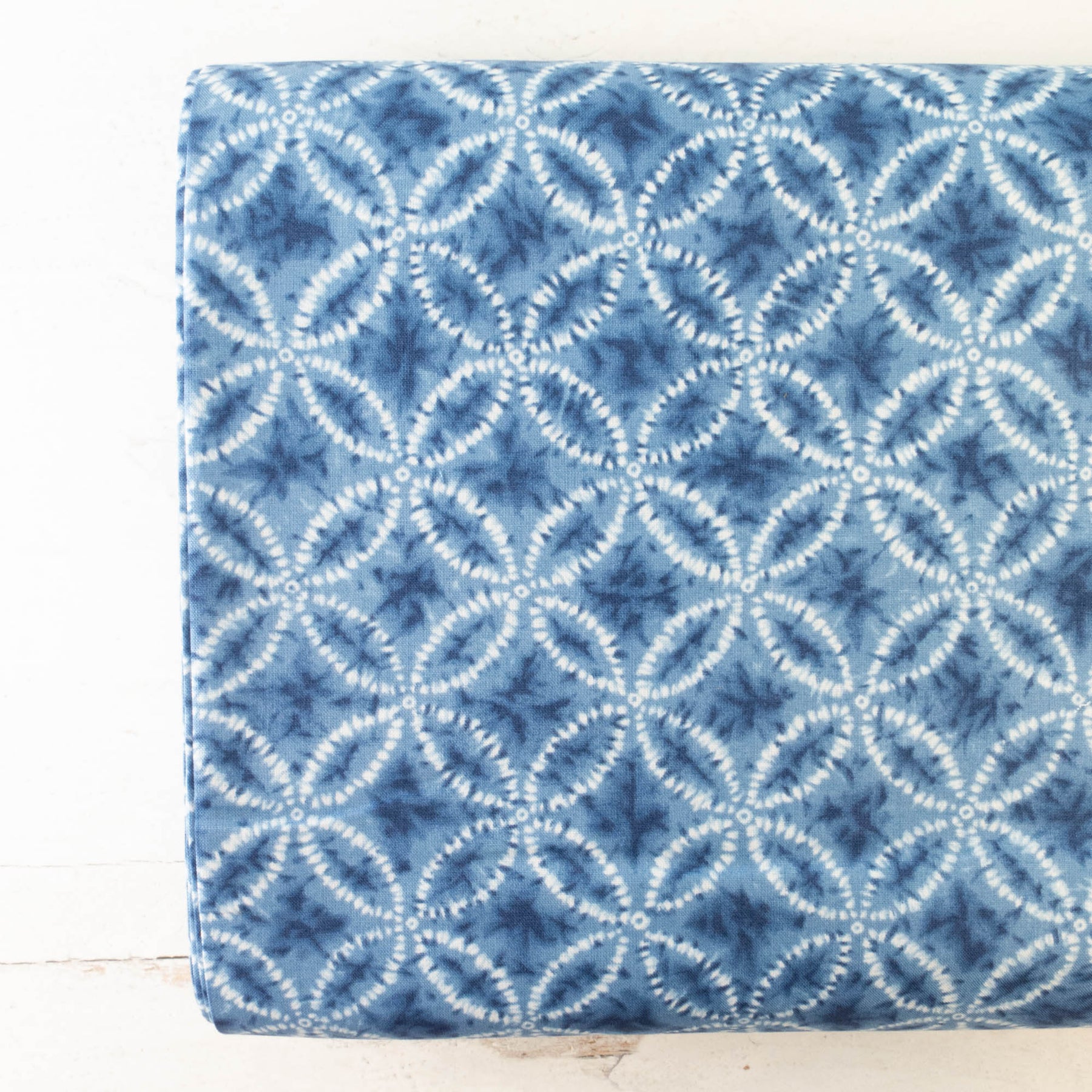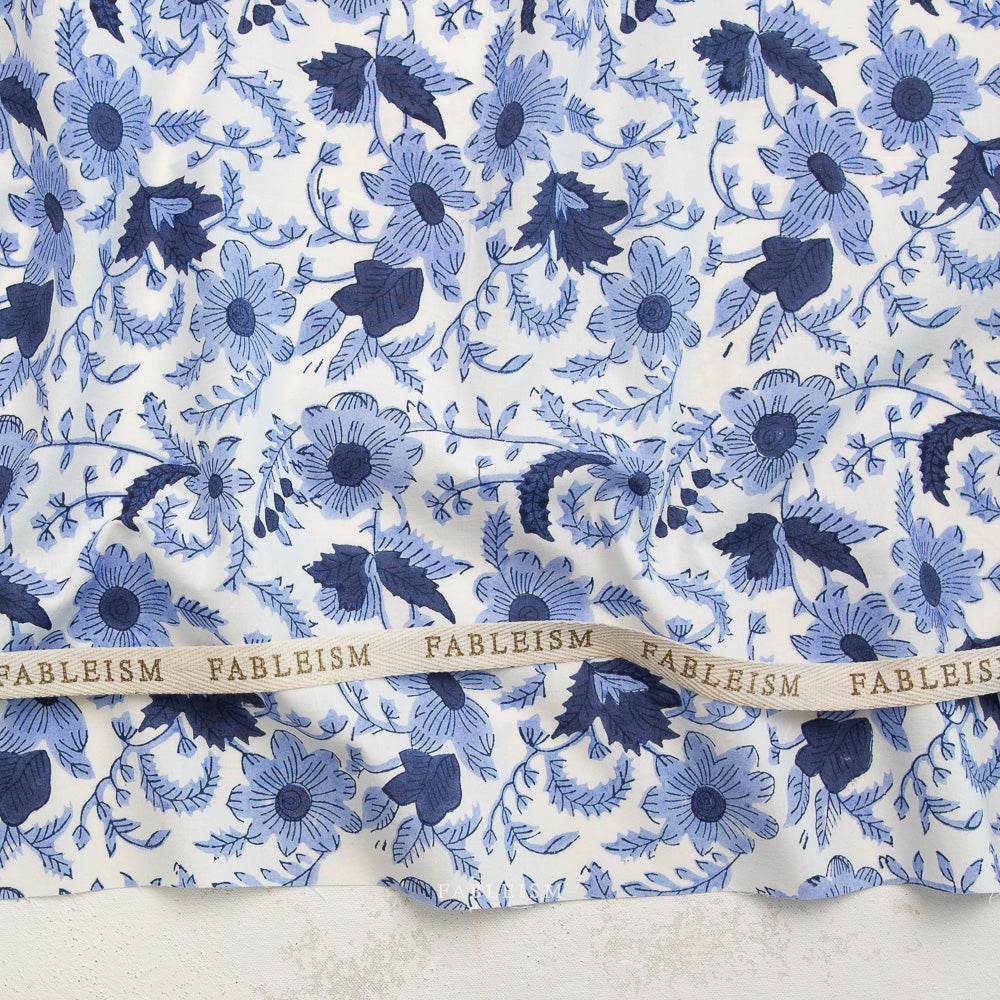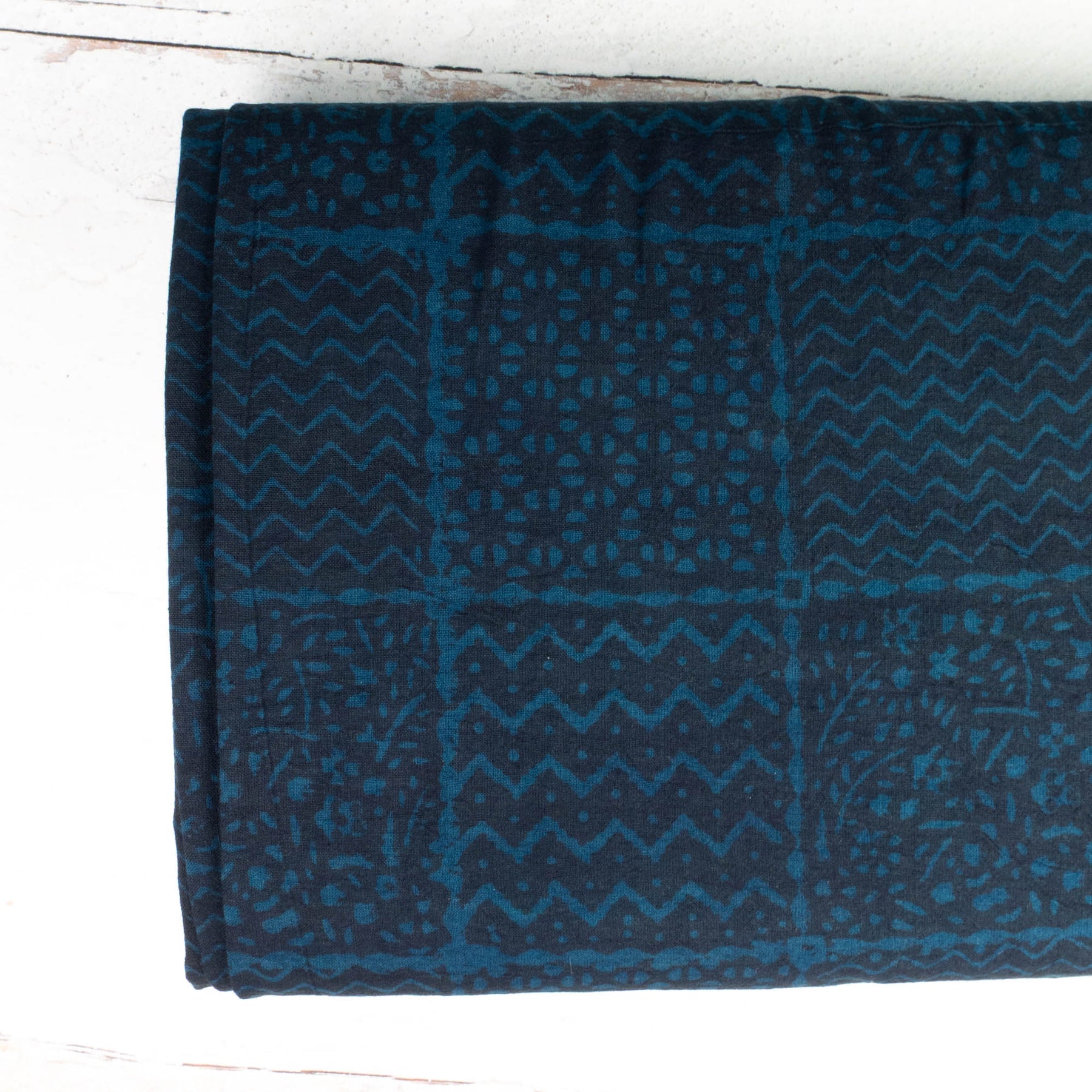
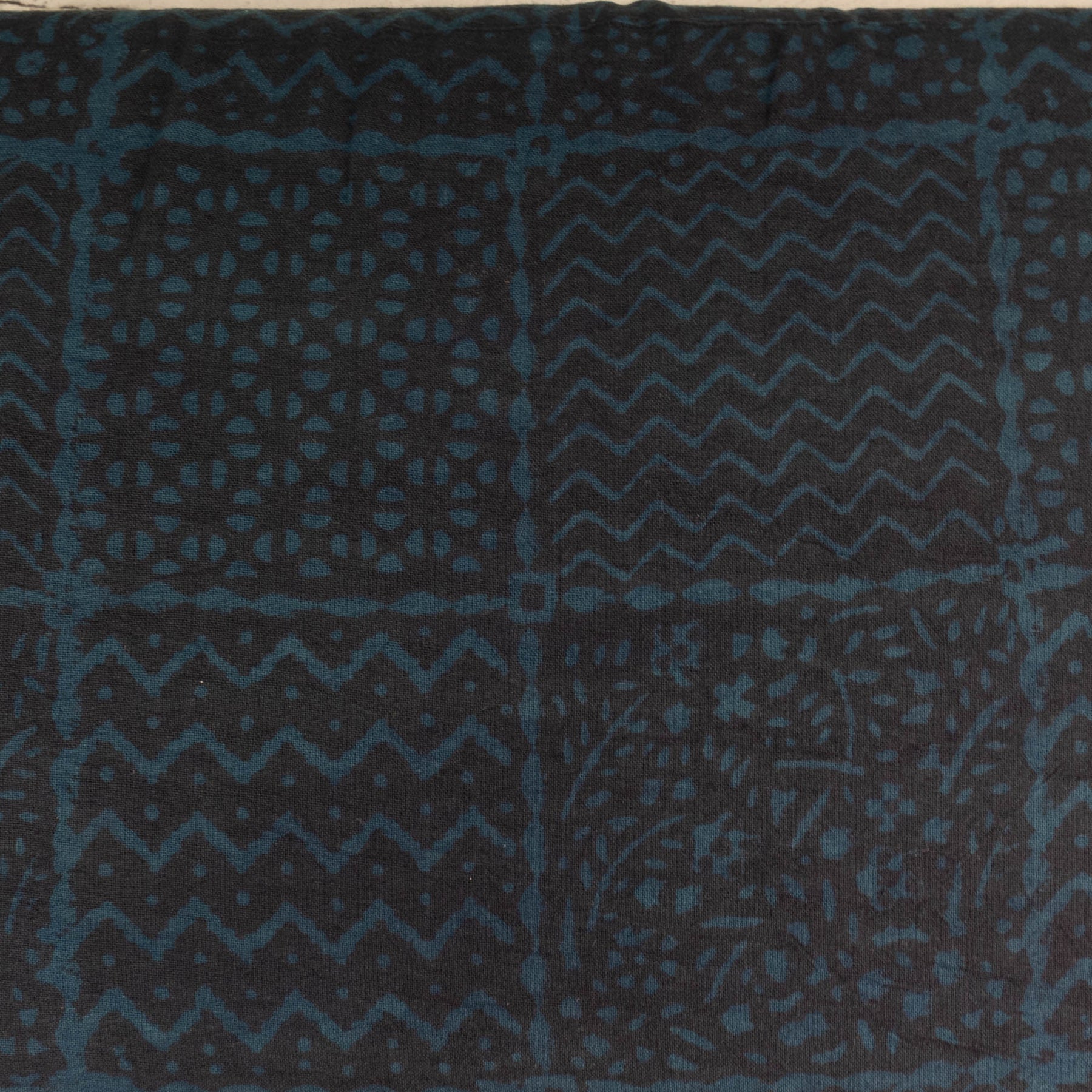
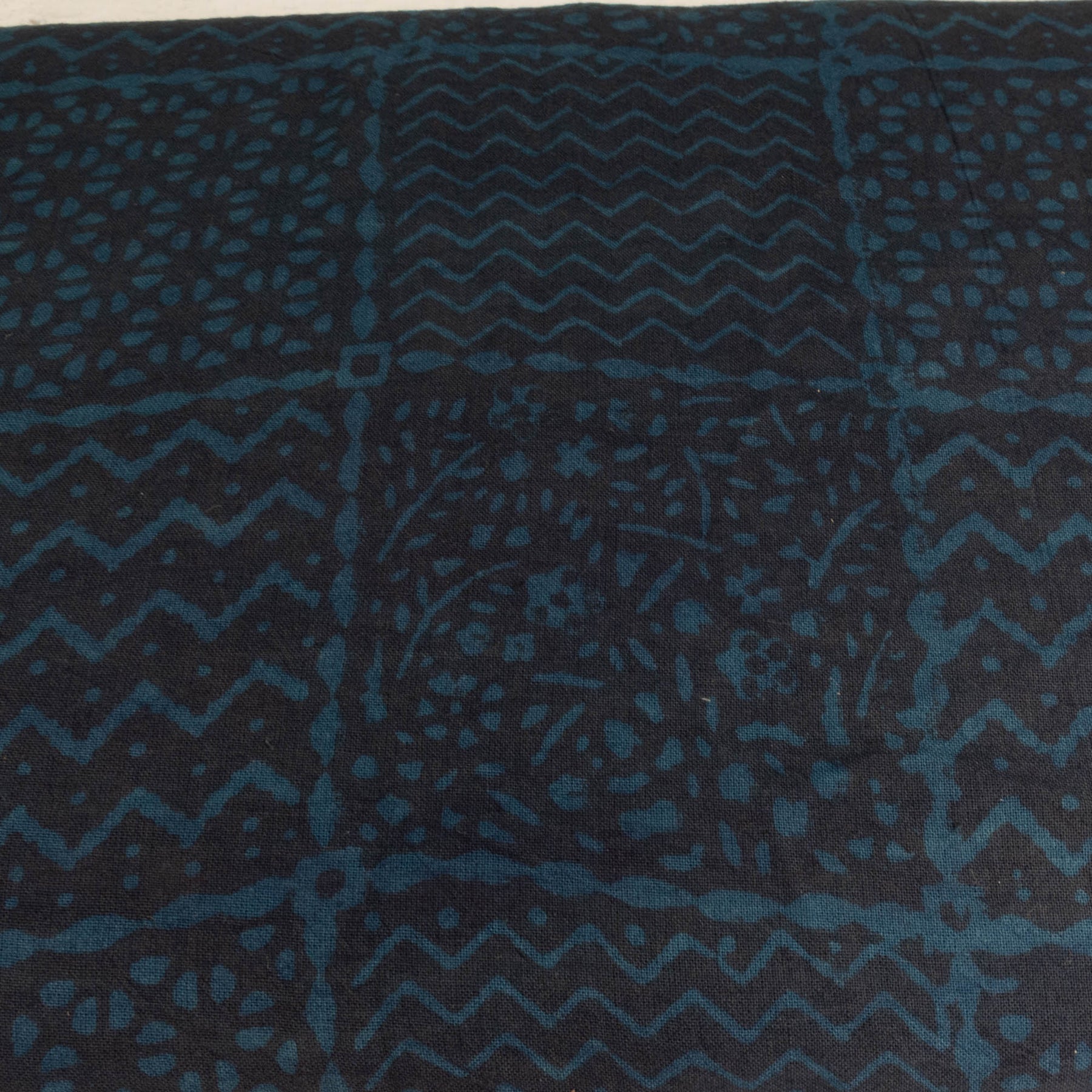
Indian Block Print Cotton Fabric - Natural Mud Dye Resist
All of our fabric is sold in 1/2 yard increments; Quantity 1 = 1/2 yard of fabric. Please click on the Size Chart link above for a conversion chart if you need assistance figuring out how much quantity to order for a specific yardage length.
The Dabu Technique is a traditional Indian resist-dyeing method that creates stunning, organic patterns on cotton fabric. In this process, mud paste—mixed with natural binders—is applied to cotton cloth in intricate designs. The mud acts as a barrier, protecting those areas from absorbing dye. Once the mud is removed, it reveals crisp, contrasting patterns underneath.
This ancient technique produces the characteristic soft, earthy aesthetic you see in block-printed textiles. Because the process relies on natural materials and hand application, each piece carries subtle variations that make it truly one-of-a-kind. The resulting fabric develops a beautiful patina over time as the naturally color-fast dyes gently fade, enhancing the vintage charm that makes Dabu-dyed textiles so prized by sewers and textile artists. Perfect for quilting, embroidery projects, and heirloom garments, this 100% cotton fabric brings authentic craftsmanship and timeless appeal to your creative work.
PRODUCT DETAILS:
- Designer: Holistic Needle Craft
- Fabric: Natural Mud Dye Resist
- Color: Dark Indigo Navy
- Fabric Length: 1/2 Yard (cut continuously)
- Fabric Width (Selvage to Selvage): 44" (107 cm)
- 100% Cotton
Fabric is cut to order from the bolt continuously and sold in 1/2 yard increments. So, an order for a quantity of 3 equals a 1.5 yard piece of fabric.
Please Note: Due to the nature and process of traditionally block printed fabrics, block prints will experience a natural fade over time. The inks are color fast and will not bleed, but a slow fade is part of their beauty, charm, and lends to their unique vintage look.
Details
| Net Quantity | Please click on the Size Chart link above for a conversion chart if you need assistance figuring out how much quantity to order for a specific yardage length. The Dabu Technique is a traditional Indian resist-dyeing method that creates stunning, organic patterns on cotton fabric. In this process, mud paste—mixed with natural binders—is applied to cotton cloth in intricate designs. The mud acts as a barrier, protecting those areas from absorbing dye. Once the mud is removed, it reveals crisp, contrasting patterns underneath. |
Delivery
You may also like