Carum carvi - Plant
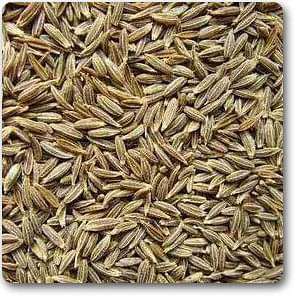
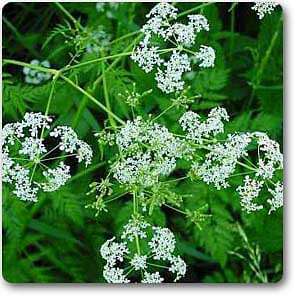
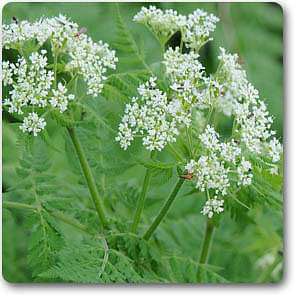
Carum carvi, commonly known as caraway, is a biennial herbaceous plant belonging to the Apiaceae family. Renowned for its aromatic seeds, caraway has been cultivated for centuries for culinary and medicinal purposes. The plant features feathery, fern-like leaves and produces small white flowers that bloom in umbels, attracting beneficial insects. Caraway seeds are rich in essential oils, making them a popular spice in various cuisines, particularly in European dishes.
What makes Carum carvi special is its unique flavor profile, which combines hints of anise and citrus, adding depth to both sweet and savory dishes. Historically, caraway has been used not only as a spice but also for its digestive properties, making it a staple in traditional medicine. Its resilience and adaptability to various soil types make it an excellent choice for home gardeners and commercial growers alike.
The special feature of Carum carvi lies in its dual-purpose nature; it serves as both a culinary herb and a medicinal plant. The seeds are known for their carminative properties, aiding in digestion and alleviating bloating. Additionally, caraway is a sustainable crop that can thrive in diverse environments, contributing positively to soil health and biodiversity.
Growing Instructions
- Plant seeds in well-drained soil with a pH of 6.0 to 7.0.
- Choose a sunny location, as caraway thrives in full sun.
- Sow seeds directly in the garden in early spring or late summer.
- Space seeds about 12 inches apart to allow for growth.
Care Instructions
- Water regularly, ensuring the soil remains moist but not waterlogged.
- Apply a balanced fertilizer during the growing season to promote healthy growth.
- Mulch around the plants to retain moisture and suppress weeds.
- Monitor for pests and diseases, using organic methods for control when necessary.
Uses
- Use caraway seeds in baking, particularly in rye bread and pastries.
- Add seeds to soups, stews, and pickles for enhanced flavor.
- Infuse caraway in herbal teas for digestive benefits.
- Utilize the leaves as a fresh herb in salads and garnishes.
Fun Facts
- Caraway seeds have been found in ancient Egyptian tombs, indicating their historical significance.
- The plant is often referred to as "meridian fennel" due to its resemblance to fennel.
- Caraway is a natural pest repellent, making it beneficial for companion planting.
- In folklore, caraway seeds were believed to protect against witchcraft and were often carried as charms.
Coupons
Delivery
You may also like