Old Heritage (A Glimpse of History)
₹225,000
● In stockchecking live price…
Size
30x40Type
OriginalMaterial
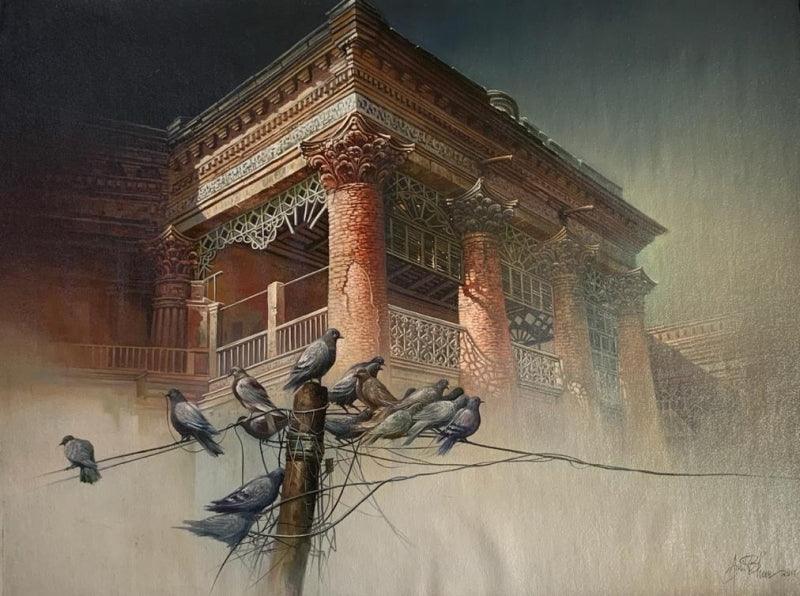
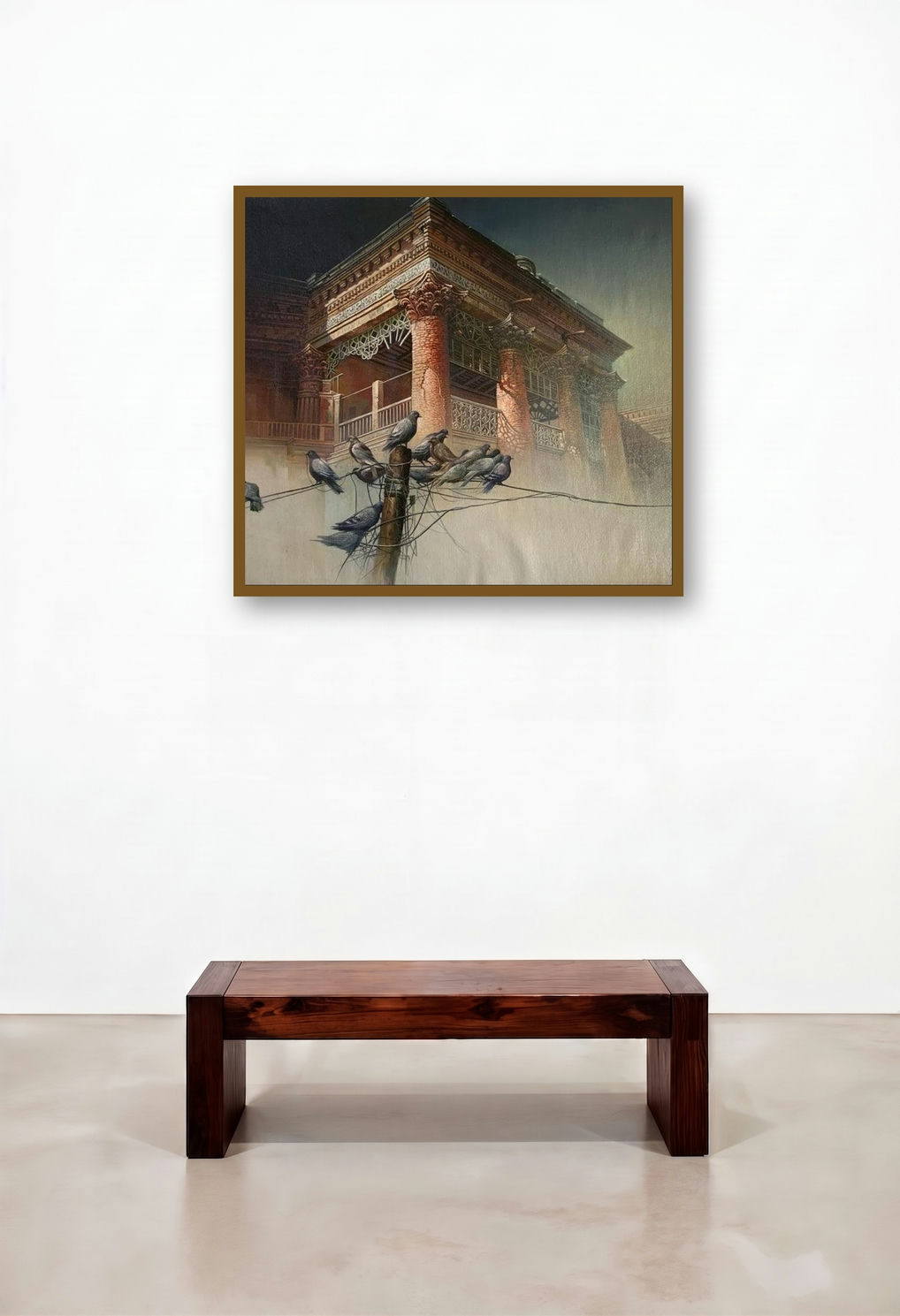
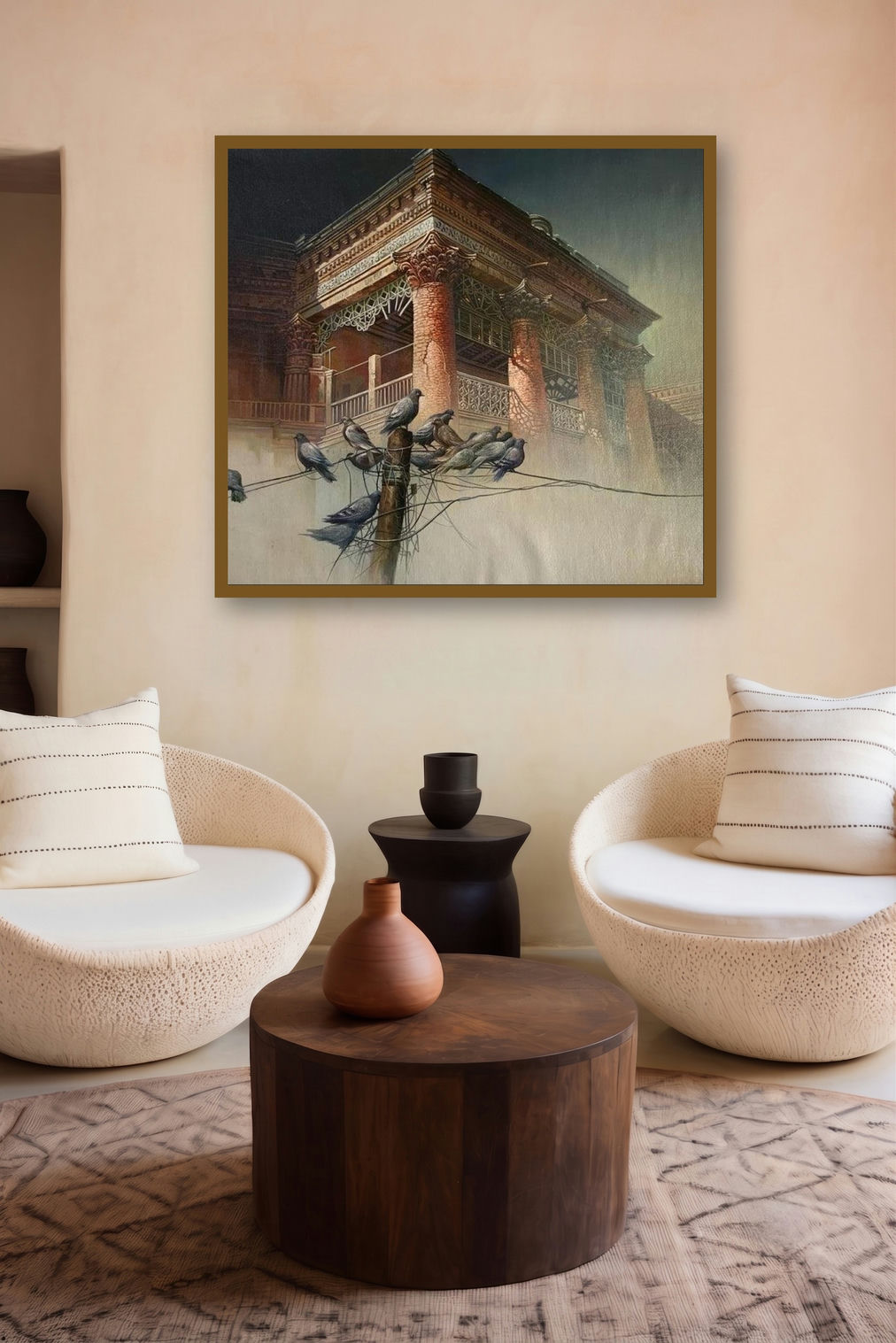
CanvasA timeworn façade rises from a veil of haze, its carved columns and filigreed balconies rendered with reverence, as though architecture itself were a memory refusing to fade. The composition pivots on the humble utility pole—webbed with wires and crowded by pigeons—where living, ordinary weight counterbalances the building’s ornamental grandeur. Warm brick tones press against a muted, misted atmosphere, turning light into a soft erasure that suggests both neglect and tenderness. In this quiet collision of heritage and daily survival, the work reads as a meditation on how cities endure: not as monuments alone, but as habitats where permanence and transience share the same perch.
Delivery
You may also like
Old Heritage 2
Artzolo
₹110,000
out of stock
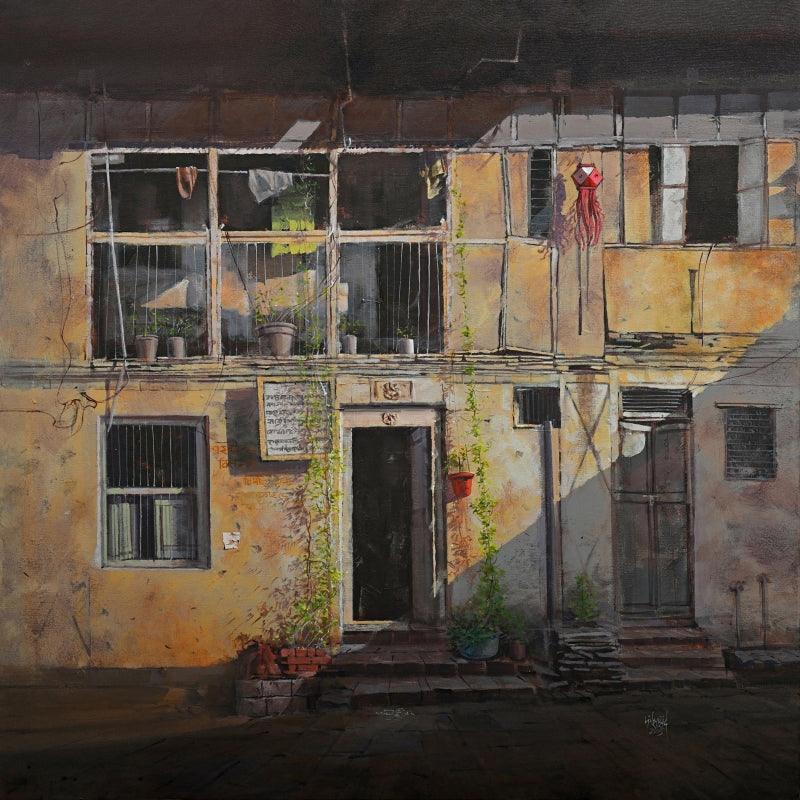
Heritage (Mumbai Memories)
Artzolo
₹90,000
★ 4.0 (9)
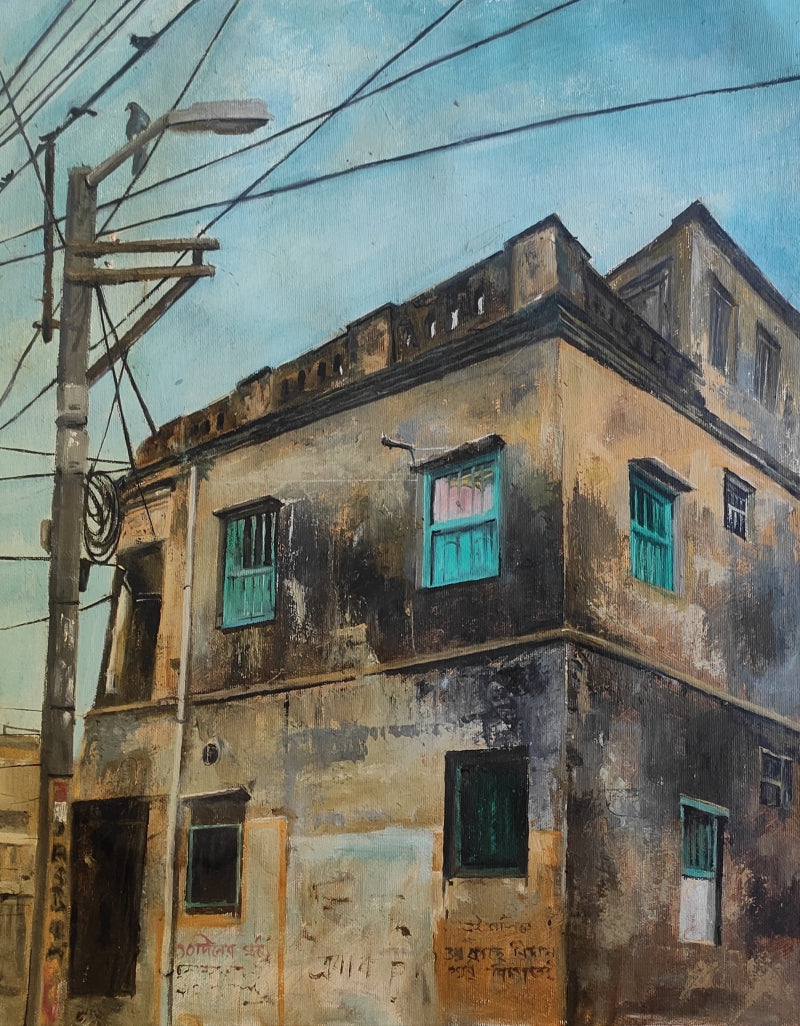
Old Building
Artzolo
₹40,000
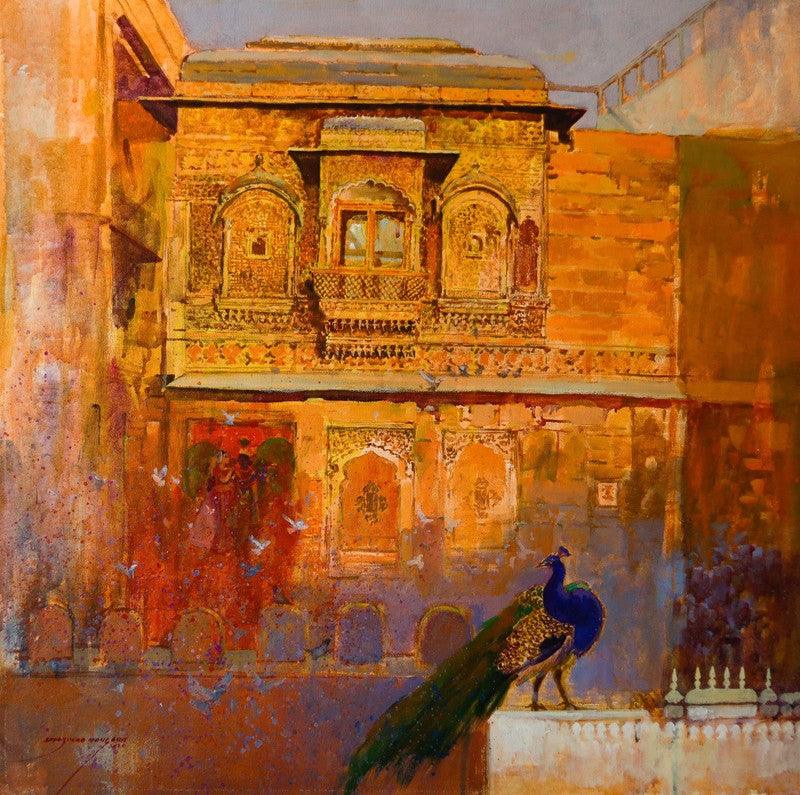
Heritage 1 (Morning in Jaipur)
Artzolo
₹115,000
★ 5.0 (13)
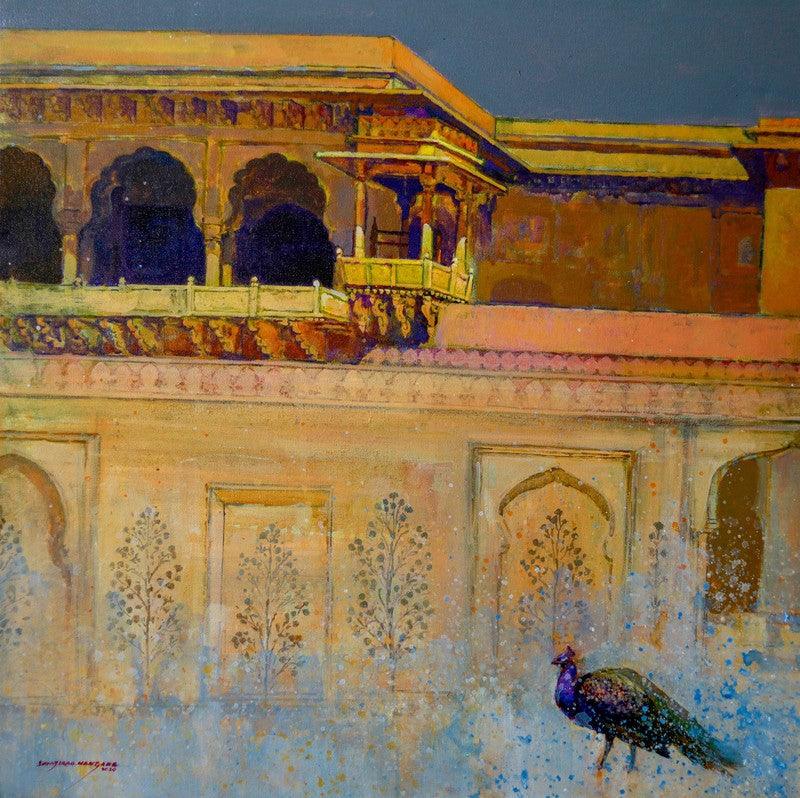
Heritage 2 (The Peacock's Promenade)
Artzolo
₹115,000
★ 5.0 (11)
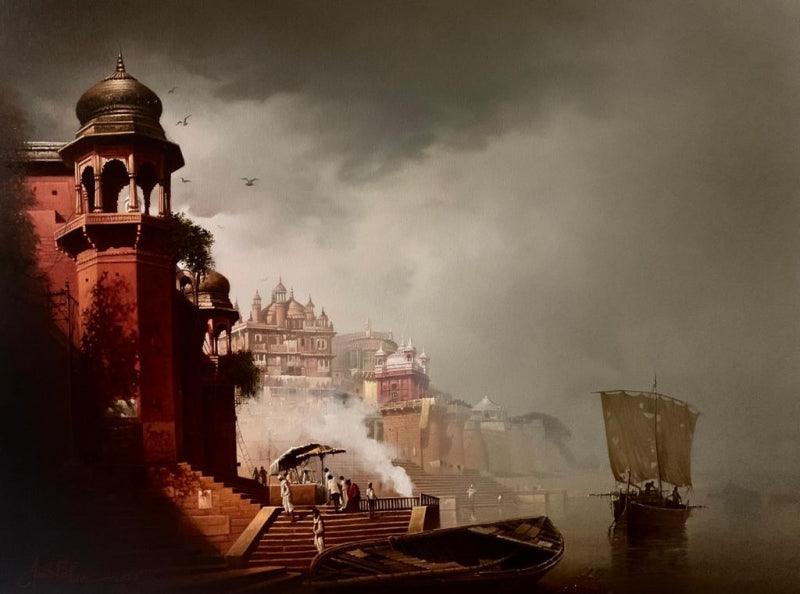
Banaras Ghat (Mystic Dawn)
Artzolo
₹250,000
out of stock
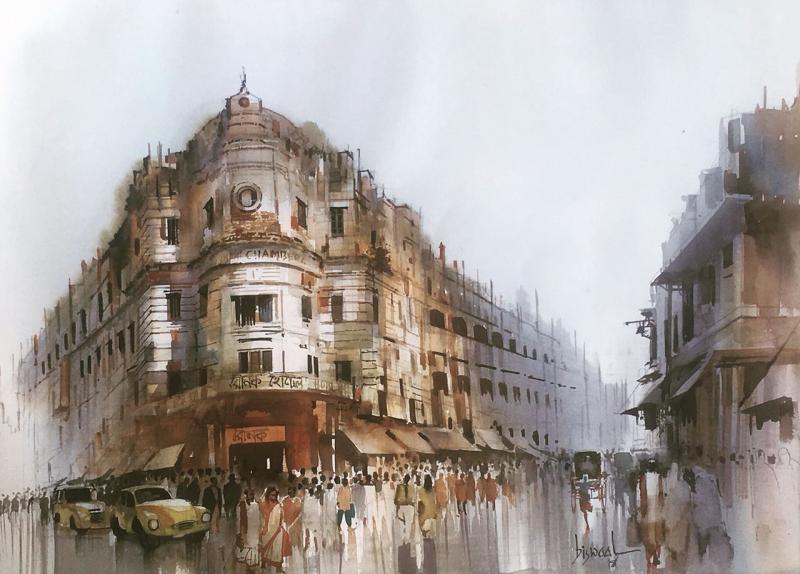
Old Calcutta (Untitled)
Artzolo
₹45,000
out of stock
★ 4.0 (8)
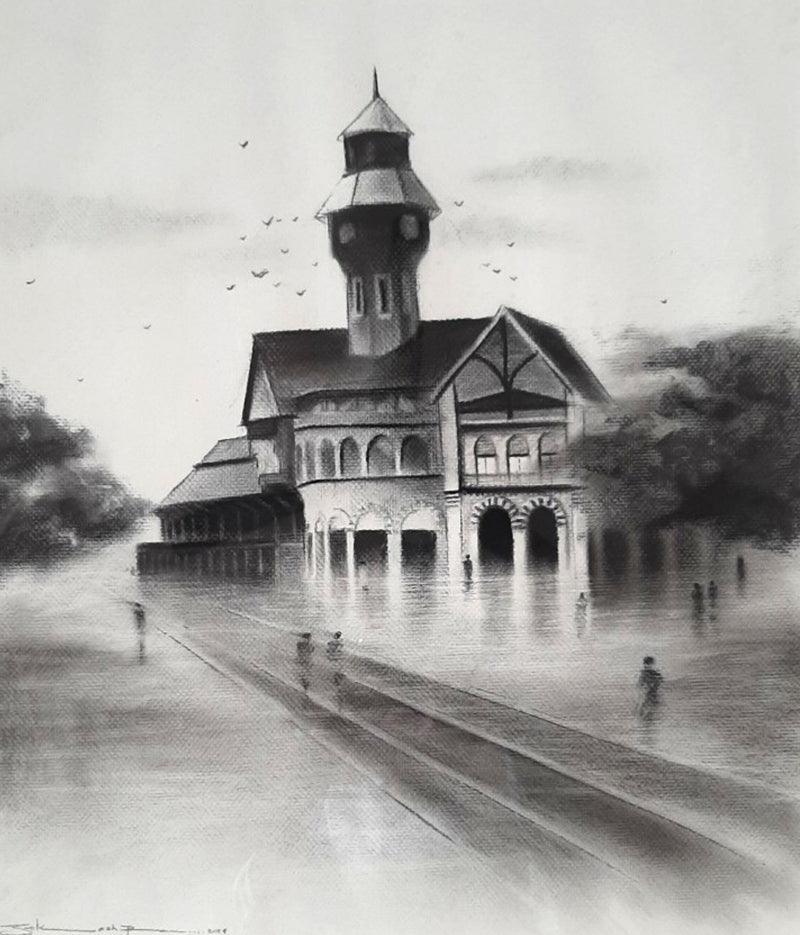
Old Mumbai 4 (A Haunting Beauty)
Artzolo
₹10,000
out of stock
★ 5.0 (12)