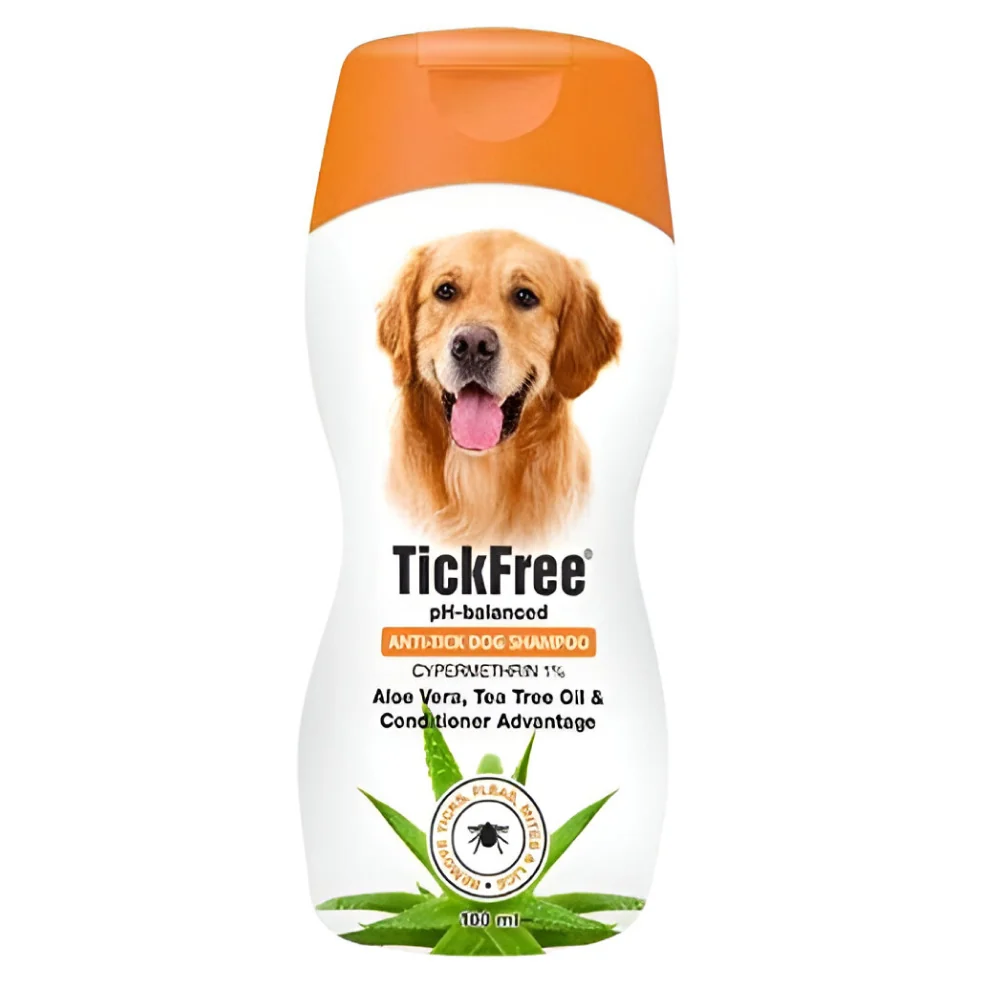
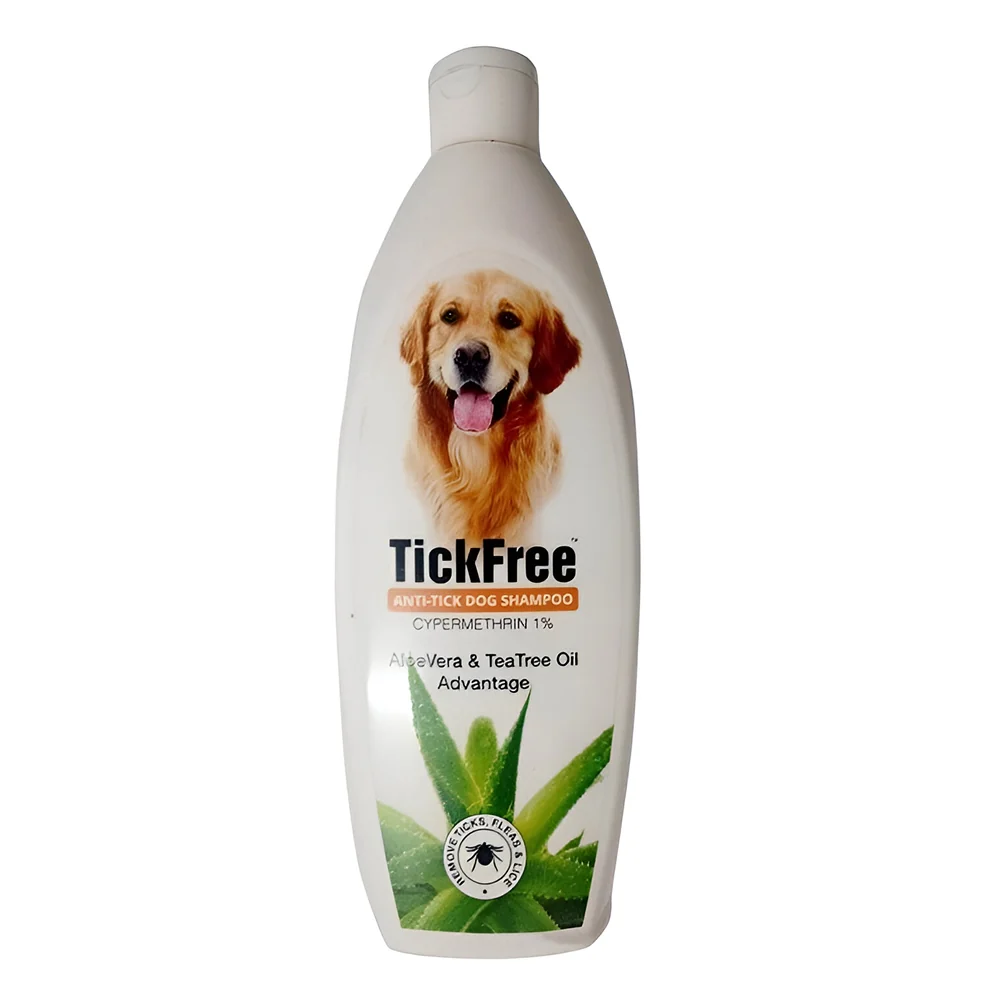
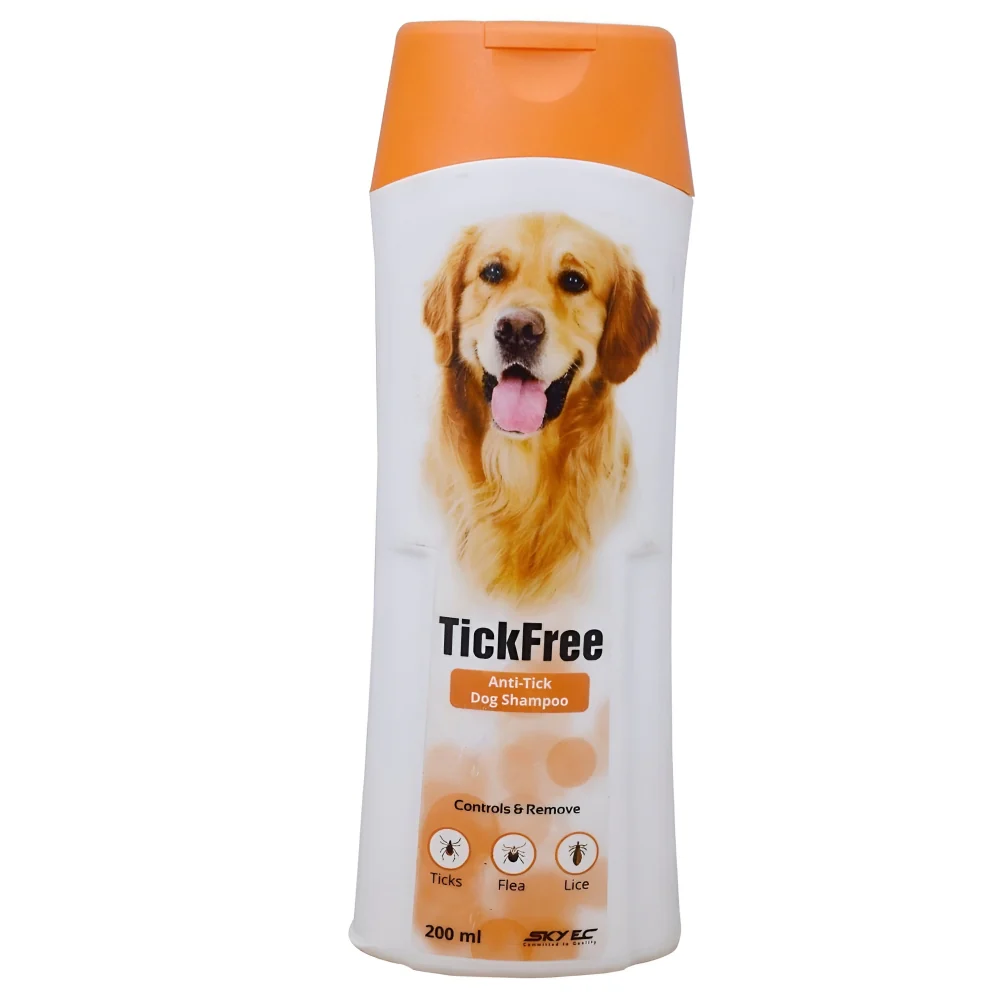
Skyec Tick Free (Cypermethrin) Shampoo for Dogs
Skyec Tick Free Shampoo for Dogs -- The Anti-Tick Bath Your Dog Has Needed
Bath time just became the most useful 15 minutes of your dog's week. The Skyec Tick Free Shampoo for Dogs is a veterinary-grade anti-tick and flea shampoo that goes beyond cleaning -- it actively kills ticks, fleas, and lice on contact while you lather. For dogs dealing with a visible tick infestation, or for pet parents who want a reliable, vet-formulated defence built into their regular grooming routine, this is one of the most straightforward options available in India.
Manufactured and marketed by SkyEC Drugs and Pharmaceuticals Pvt. Ltd., this is a pharmaceutical-formulated dog shampoo built around Cypermethrin 1% w/w -- a proven synthetic insecticide from the pyrethroid family -- enriched with Tea Tree Oil, Aloe Vera, and Coconut Oil as natural conditioning agents. The result is a shampoo that kills parasites while also being gentle enough on the coat to leave it clean, conditioned, and visibly healthier after every wash.
Available in three sizes to suit every household:
| Size | Price | MRP |
|---|---|---|
| 100 ml | ₹140 | ₹141 |
| 200 ml | ₹258 | ₹263 (1% off) |
| 500 ml | ₹577 | ₹595 (3% off) |
For multi-dog households or anyone who bathes their dog frequently through the monsoon months, the 500 ml offers the best value per 100 ml at ₹115/100g.
What Are the Uses and Benefits of Skyec Tick Free Shampoo?
- The Tick Free Shampoo works as a contact-kill anti-tick treatment -- meaning the parasites don't need to bite your dog for it to work. The moment the lathered shampoo comes into contact with ticks, fleas, and lice during the bath, it begins killing them. Here's what it covers:
- Ticks are the primary target. In India's warm and humid climate -- particularly during and after the monsoon -- ticks thrive, and dogs who spend any time outdoors, in parks, or on grass are at constant exposure risk. Tick infestations aren't just uncomfortable for your dog; they're a health risk. Ticks can transmit tick fever (ehrlichiosis and other tick-borne diseases) which can be serious and even life-threatening if not caught early. Using a regular anti-tick shampoo like this one is one of the most practical ways to manage and reduce tick load between other treatments. You can read more about what tick fever looks like and how to prevent it in this blog on tick fever in dogs -- symptoms, treatment and prevention.
- Fleas are killed on contact during the bath. The shampoo helps relieve the scratching and skin irritation caused by flea activity, and for dogs already showing signs of Flea Allergy Dermatitis -- an itchy, patchy skin reaction triggered by flea saliva -- regular use helps reduce the flea burden causing it.
- Chewing lice are also eliminated during shampooing. Lice infestations are less common than fleas or ticks but cause intense itching and coat damage when they do occur.
- The Tea Tree Oil in the formula has natural antimicrobial and soothing properties. Aloe Vera conditions the skin and helps calm any irritation caused by scratching. Coconut Oil adds moisture to the coat, leaving it softer and shinier. So beyond the parasite control, your dog gets a genuinely good shampoo -- not just a functional one.
- For a broader guide on how to identify ticks and safely remove them, the blog on how to identify and remove ticks from your dog is worth a read.
What Are the Possible Side Effects?
- When used correctly and as directed -- which means on dogs only, with careful attention to sensitive areas -- the Skyec Tick Free Shampoo is well-tolerated by most dogs.
- The most common reaction is mild skin or eye irritation if the shampoo accidentally contacts the eyes, ears, or mouth. This is why avoiding these areas during application is so important. If contact does occur, rinse the affected area immediately and thoroughly with clean water.
- Some dogs with very sensitive skin may experience temporary redness or mild irritation at the application site -- particularly in dogs with pre-existing skin conditions. If this occurs or persists, wash the shampoo off immediately with plenty of water and contact your vet.
- Do not use on dogs with extensive open wounds or broken skin. The active ingredient can be absorbed more rapidly through damaged skin, which increases the risk of irritation or adverse reactions.
- If you notice unusual symptoms after bathing -- excessive drooling, trembling, or unusual lethargy -- rinse your dog thoroughly and contact your vet promptly.
- Crucially: Do not use this shampoo on cats. Cypermethrin, like all pyrethroids, is safe for dogs but toxic to cats. If you have both dogs and cats in your home, keep them separated until your dog's coat is completely dry after bathing.
How Should You Use Skyec Tick Free Shampoo?
- Using the Tick Free Shampoo correctly is what makes it effective. The contact time -- how long the lather stays on the coat -- is the most important step most pet parents rush through.
- Wet your dog's coat thoroughly with water before applying the shampoo. Dry or damp fur won't allow the shampoo to spread and lather properly.
- Apply the Tick Free Shampoo liberally across the entire coat. Massage it in well, working into a rich lather and making sure it reaches the skin -- not just sitting on top of the fur. Pay particular attention to areas where ticks and fleas tend to hide: around the neck, behind the ears, in the armpits, between the toes, and in the groin area. These are the spots parasites prefer.
- Carefully avoid the eyes, ears, nose, and mouth throughout. You can protect these areas by applying a small amount of plain petroleum jelly around the eyes before you begin.
- Let the lather remain on your dog's coat for 5 to 10 minutes before rinsing. This is non-negotiable -- the contact time is what allows the cypermethrin to do its work. Don't rush this step.
- Rinse thoroughly with plenty of clean water. Make sure no shampoo residue remains on the coat or skin.
- Dry your dog fully after the bath, especially if the weather is cool. A damp coat in an air-conditioned environment can cause your dog to become uncomfortable or unwell.
- Repeat as directed by your vet, or based on the level of infestation and your dog's exposure. Many pet parents use an anti-tick shampoo weekly during peak tick season and less frequently otherwise.
How Does Skyec Tick Free Shampoo Work?
- The active ingredient -- Cypermethrin 1% w/w -- is a synthetic pyrethroid insecticide. It works by targeting the nervous systems of ticks, fleas, and lice. When the lathered shampoo comes into contact with a parasite during the bath, the cypermethrin disrupts the electrical signals in the insect's nerves -- specifically by keeping sodium ion channels open and in an uncontrolled state. This leads to repeated, uncontrolled nerve firing, causing paralysis and death of the parasite.
- Importantly, cypermethrin is a contact killer. The parasite does not need to bite your dog for it to work -- mere contact with the lather during the bath is enough. This makes it particularly useful for dogs prone to Flea Allergy Dermatitis, since it kills fleas before they get the chance to bite.
- Cypermethrin is broken down efficiently by the liver and kidneys in dogs -- which is why it sits within a wide safety margin for dogs at the correct concentration, even though it is harmful to cats and aquatic organisms.
- The Tea Tree Oil, Aloe Vera, and Coconut Oil in the formula don't add antiparasitic action -- they handle the shampoo side of things. Tea Tree Oil has antimicrobial properties that help manage surface skin bacteria; Aloe Vera soothes and calms irritated skin; Coconut Oil conditions the coat and adds natural shine. Together, they make the bathing experience genuinely pleasant for your dog, rather than just functional.
What Safety Advice Should You Know Before Using This Shampoo?
- For dogs only. Never use this product on cats. Cypermethrin is toxic to cats -- even incidental exposure from grooming a recently bathed dog can cause serious harm to a cat.
- Do not use on puppies without first consulting your vet. Young puppies have more permeable skin and their systems are not fully developed -- always check with your vet before introducing any insecticidal shampoo to a very young dog.
- Do not use on dogs with extensive skin wounds, open sores, or severe skin conditions without veterinary guidance. Broken skin allows faster absorption of the active ingredient than intended.
- Do not use on sick, convalescing, or severely debilitated dogs without a vet's advice.
- Keep the shampoo out of eyes, ears, nose, and mouth during application. If accidental contact occurs, rinse the affected area immediately and thoroughly with plenty of clean water.
- If a child accidentally swallows or is exposed to this product, seek medical advice immediately.
- Do not let the shampoo or rinse water enter drains, ponds, or waterways -- cypermethrin can be harmful to fish and aquatic organisms.
- Wash your hands thoroughly after bathing your dog. Store at room temperature in the original container, away from direct sunlight and out of reach of children.
One final note: anti-tick shampoos are contact killers -- they work during the bath and for a short window afterwards. They do not provide the month-long systemic protection that spot-on treatments or oral medications do. For dogs with heavy or recurring tick infestations, your vet will typically recommend pairing a shampoo like this with a longer-acting treatment such as a spot-on.
What Should You Do If You Miss a Dose?
- Since this is a grooming shampoo rather than a medication with a fixed dosing interval, there's no strict missed dose scenario. However, consistency matters -- especially during peak tick season in India (typically post-monsoon, from July through October) when tick populations are highest.
- If you use this shampoo as part of a regular grooming routine -- say, every two weeks or once a week during heavy tick season -- and you skip a scheduled bath, simply resume at your next bath. Don't double-up product amounts to compensate. Use the normal quantity as directed every time.
- If your dog has had significant tick exposure during a gap in bathing, check their coat carefully by running your fingers through the fur -- particularly around the neck, ears, and between the toes. For safe, thorough tick removal guidance, this blog on getting rid of fleas and ticks from dogs is a helpful read.
What Are All the Substitutes for Skyec Tick Free Shampoo?
If the Skyec Tick Free Shampoo is unavailable, or you'd like to try a different formulation, here are other anti-tick shampoos for dogs available on Supertails:
| Product | Key Ingredient | Notes |
|---|---|---|
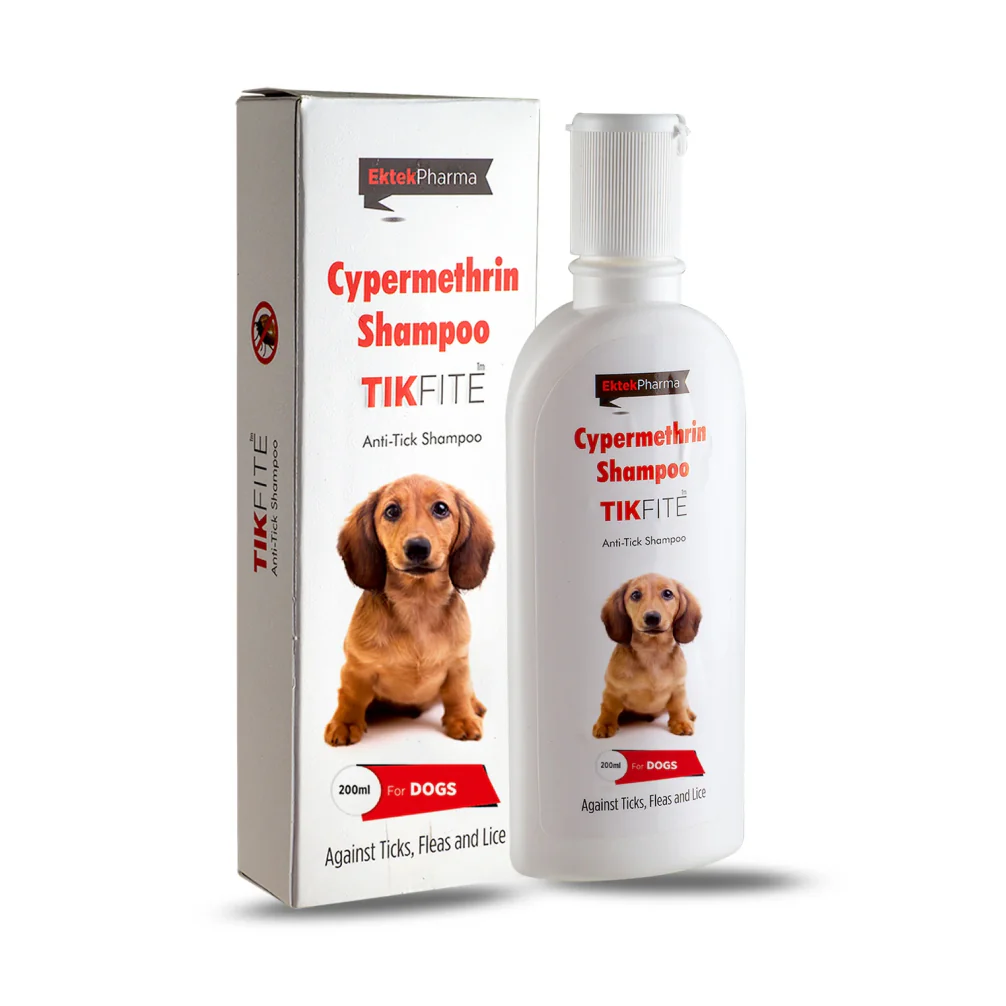
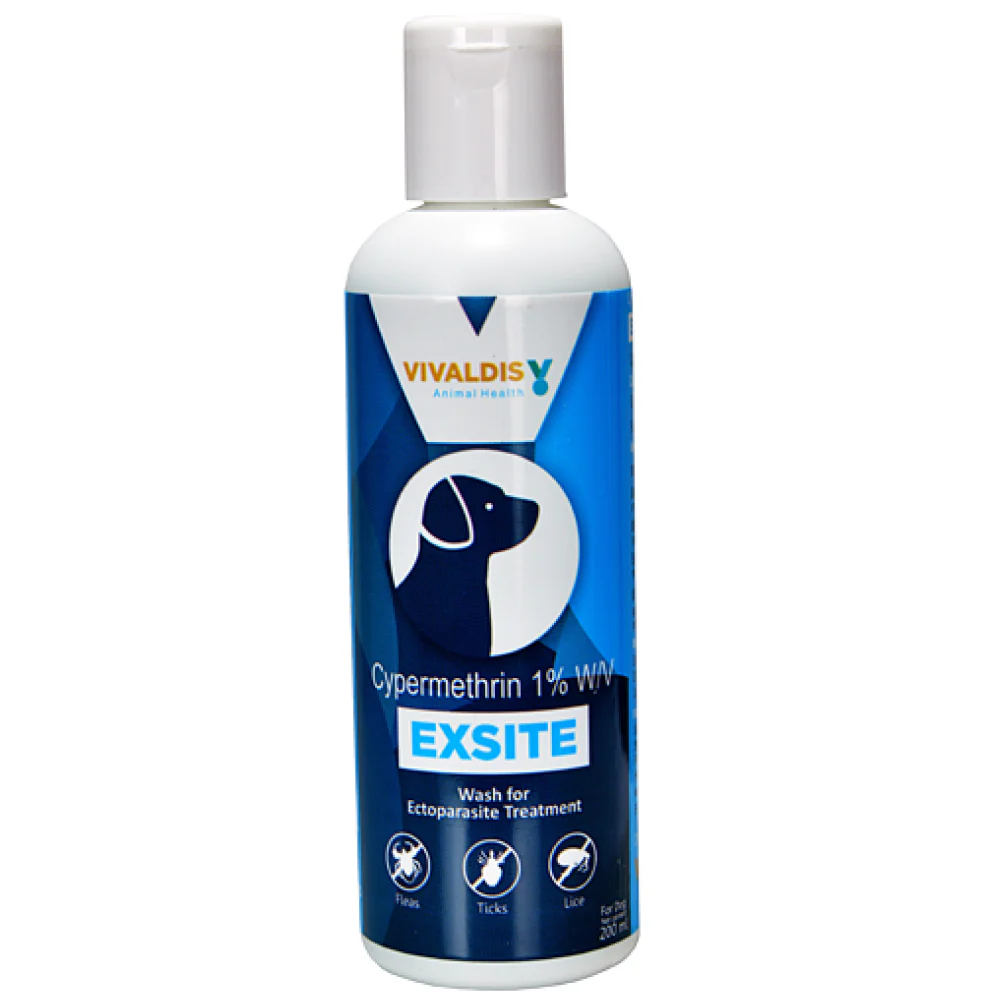
| Vivaldis Exsite Anti-Tick & Flea Shampoo for Dogs | Cypermethrin | Similar cypermethrin-based formula |
| Vetoquinol Reltix Tick and Flea Shampoo for Dogs | Deltamethrin | Synthetic pyrethroid, different active |
| Wahl Flea and Tick Shampoo for Dogs | Natural actives | Milder, natural formula |
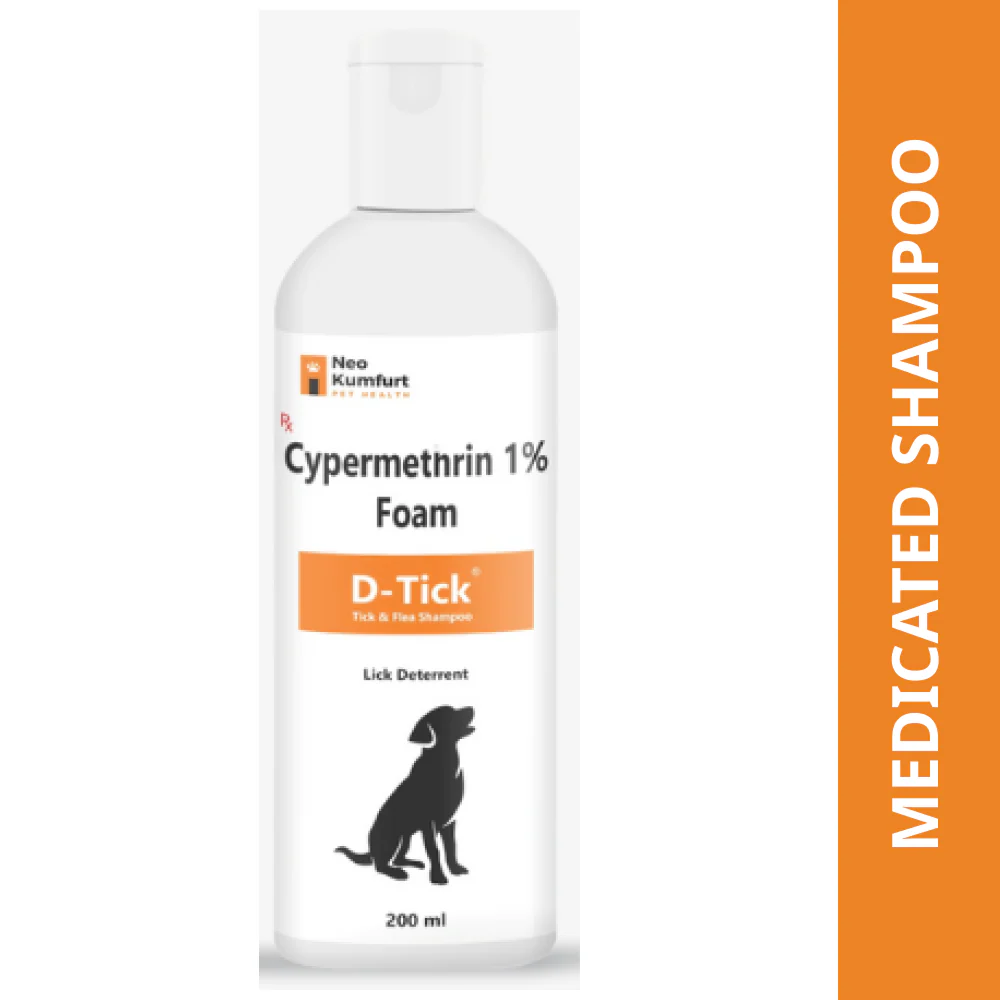
| Neo Kumfurt D Tick Flea Shampoo for Dogs and Cats | Natural actives | Safe for cats too |
| Dr. Goel's Me & My Anti-Tick Flea Shampoo for Dogs and Cats | Natural actives | Herbal-based, gentle formula |
| Petswill Tick and Flea Shampoo for Dogs and Cats | Natural actives | Safe for cats too |
What Are Some Quick Tips for Getting the Most Out of This Shampoo?
- Don't rush the 5--10 minute contact time. This is the step most pet parents skip -- and it's the most important one. Set a timer if needed. Rinse only once you've hit the minimum 5 minutes.
- Use lukewarm water, not hot. Hot water dilates blood vessels in the skin and can increase the absorption of the active ingredient beyond what's intended.
- Work the lather into the groin, armpits, between the toes, and around the base of the tail -- these are the warmest, most sheltered spots on your dog's body and where ticks prefer to hide and feed.
- For active tick infestations, you can use a fine-toothed flea comb after rinsing to remove dead or dying ticks from the coat. Many will fall out on their own, but combing helps with stragglers. This blog on how to identify and remove ticks from your dog covers the safe removal technique clearly.
- Remember that this shampoo is a contact killer -- it handles what's currently on your dog during the bath. It doesn't provide lasting prevention the way a spot-on does. For dogs with ongoing or recurring tick problems, pair it with a vet-recommended spot-on treatment from the dog fleas and ticks collection for complete, continuous coverage.
- If you have cats at home, keep them in a separate room until your dog is fully dry after bathing. Even incidental exposure to wet fur treated with cypermethrin can be harmful to cats.
You Might Also Be Interested In...
- Browse the full dog tick and flea shampoo collection to compare all anti-tick shampoo options available in India -- from pharma-grade cypermethrin formulas to natural and herbal alternatives.
- For longer-lasting, between-bath tick protection, the dog fleas and ticks collection brings together vet-approved spot-ons, sprays, and other topical treatments that provide continuous protection for up to 30 days.
- The dog grooming supplies collection has everything you need to make bath time and coat care a complete, enjoyable routine -- from brushes and combs to conditioners and ear cleaning products.
- For dogs who've had skin irritation or secondary infections from tick bites, the dog skin and coat care collection has vet-approved shampoos, conditioners, and supplements focused specifically on skin recovery and coat health.
- And if you want a vet to assess your dog's tick situation and recommend the right combination of treatments for your specific dog -- breed, size, lifestyle, and all -- Supertails' online vet consultation service is available whenever you need it.
Give Your Dog a Tick-Free Bath They'll Actually Benefit From
Bath time doesn't have to just be about getting clean. With the Skyec Tick Free Shampoo, every wash is also an active step towards protecting your dog from ticks, fleas, and lice -- the parasites that cause everything from constant scratching to serious tick-borne illness. One well-lathered bath, 5--10 minutes of contact time, and your dog gets genuine relief.
And with three size options -- 100 ml for occasional use, 200 ml for regular routines, and 500 ml for multi-dog households or year-round use -- there's a pack size that suits every family. Shop the Skyec Tick Free Shampoo for Dogs on Supertails and get it delivered to your door.
FAQs
How often should I use the Skyec Tick Free Shampoo on my dog?
Frequency depends on your dog's exposure level and the severity of infestation. During peak tick season -- typically the monsoon and post-monsoon months in India -- many pet parents use an anti-tick shampoo once every 1--2 weeks. For light or preventive use, once a month is a reasonable starting point. Follow your vet's recommendation for your specific dog's situation and level of outdoor exposure.
Can I use this shampoo on my puppy?
Consult your vet before using any insecticidal shampoo on puppies, particularly very young ones. Puppies have more delicate, permeable skin, and their systems respond differently to active ingredients like cypermethrin. Your vet will advise the appropriate age and frequency based on your puppy's size, breed, and health status.
My household has both a dog and a cat. Is it safe to use this shampoo?
The shampoo itself is for dogs only -- never apply it to your cat. However, if you use it on your dog, make sure to keep your cat completely away from your dog until their coat is fully dry. Cats can be harmed by incidental exposure to cypermethrin, including from grooming a damp dog that's been bathed with this product. Once the coat is dry, it is safe for your pets to interact again.
Does this shampoo prevent future tick infestations, or only treat existing ones?
Anti-tick shampoos are contact killers -- they kill ticks, fleas, and lice present on your dog during the bath, and offer a short window of residual effect immediately after. They do not provide month-long prevention the way spot-on treatments or oral medications do. For ongoing prevention between baths, pair this shampoo with a vet-recommended spot-on or other long-acting treatment from the dog fleas and ticks collection.
How long should I leave the shampoo lather on my dog before rinsing?
A minimum of 5 minutes, ideally up to 10. This contact time is what allows the active ingredient to kill the parasites effectively. Rinsing too early significantly reduces how well the product works. Set a timer so you don't rush it -- most dogs will settle once you keep a gentle, calm hand on them during the wait.
Can I use this shampoo if my dog has sensitive skin?
If your dog has known skin sensitivities, pre-existing skin conditions, or extensive irritation from flea bites, consult your vet before using any insecticidal shampoo including this one. There are milder, natural-ingredient alternatives available on Supertails that may be more appropriate for very sensitive skin. For dogs with healthy skin and normal sensitivity, the shampoo's Aloe Vera and Tea Tree Oil content makes it gentler than many pharma-grade anti-tick shampoos.
What happens if the shampoo gets into my dog's eyes?
Rinse the affected eye immediately and thoroughly with clean, lukewarm water for several minutes. If redness, excessive tearing, or discomfort persists after rinsing, contact your vet. This is why protecting the eye area during application -- with careful technique or a small amount of petroleum jelly around the eyes before shampooing -- is strongly recommended.
Which size should I buy -- 100 ml, 200 ml, or 500 ml?
If you have one dog and use anti-tick shampoo occasionally, the 100 ml is a good starting size. For regular monthly or bi-weekly use with one dog, 200 ml offers better value. For multi-dog households, frequent bathing during tick season, or pet parents who prefer to stock up, the 500 ml gives the best per-use value at ₹115/100g -- a meaningful saving over multiple smaller bottles.
You may also like