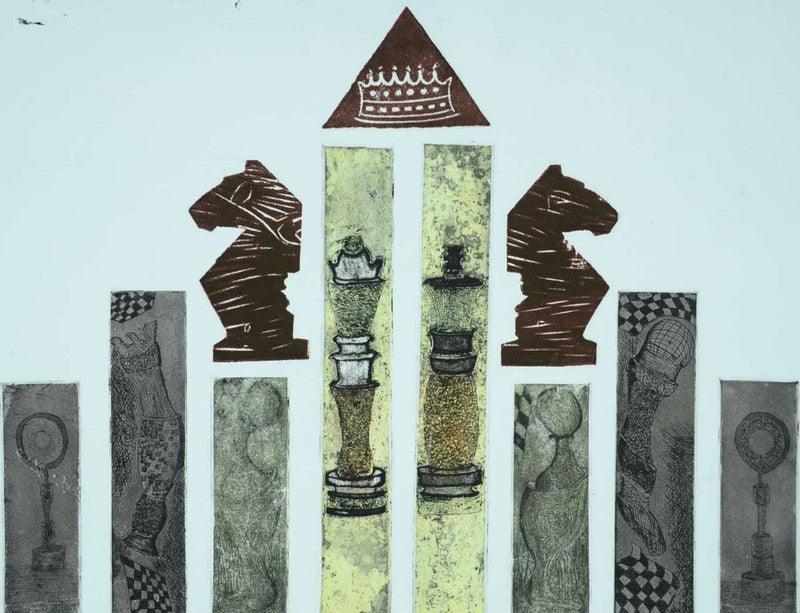
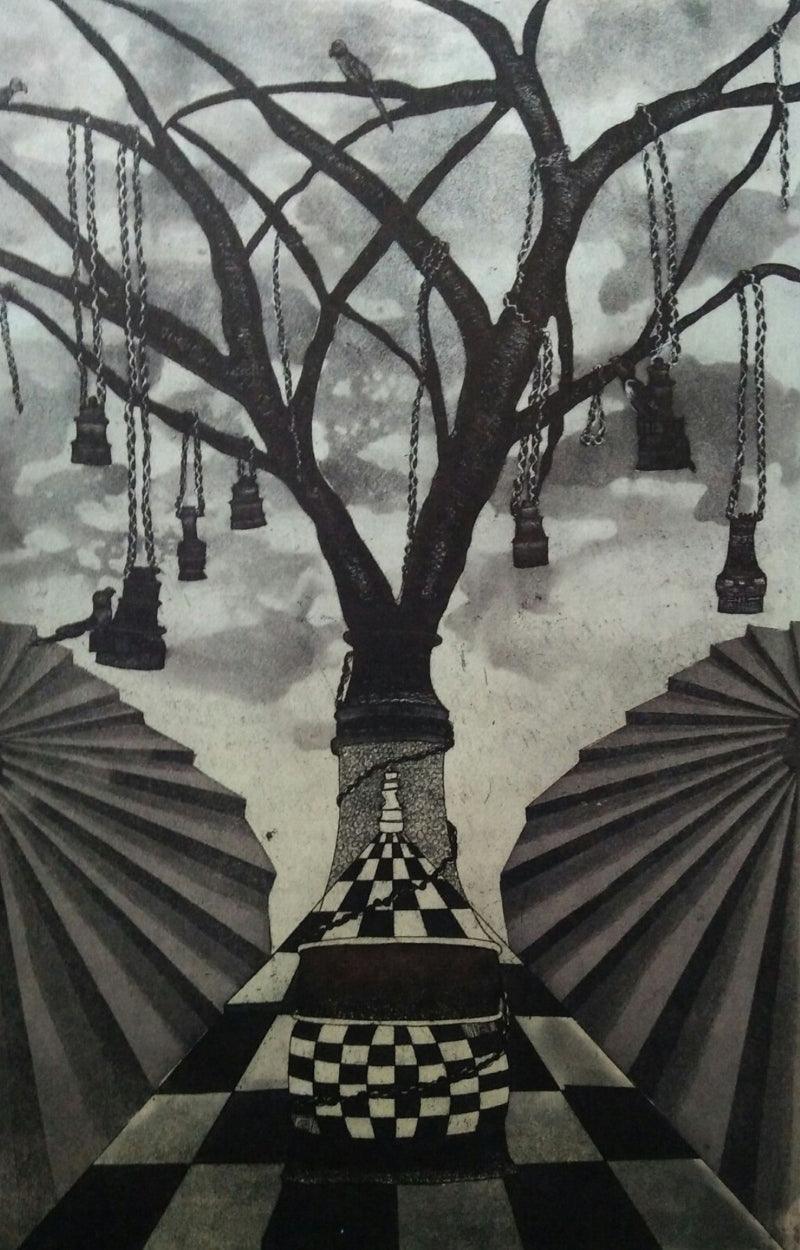
Different Types Of Chesspawn
₹0
Out of stock · ★ 5.0 (11)checking live price…
Size
24x36Type
OriginalMaterial
PaperThis work stages a quiet tribunal of symbols—knights, scepters, and crowned pillars—arranged like an altar of strategy where power is less proclaimed than measured. The central verticals, pale and luminous, read as twin columns of authority, while the flanking chess silhouettes press inward, turning the negative space into a tense corridor of decision. Muted greens and grays soften the severity of the iconography, suggesting that control here is psychological and ceremonial, a balance of ritual, intellect, and restraint. In the repeated motifs and mirrored forms, the piece intimates a timeless contest: not merely a game, but an architecture of hierarchy that asks who moves, who watches, and who is moved.
Delivery
You may also like
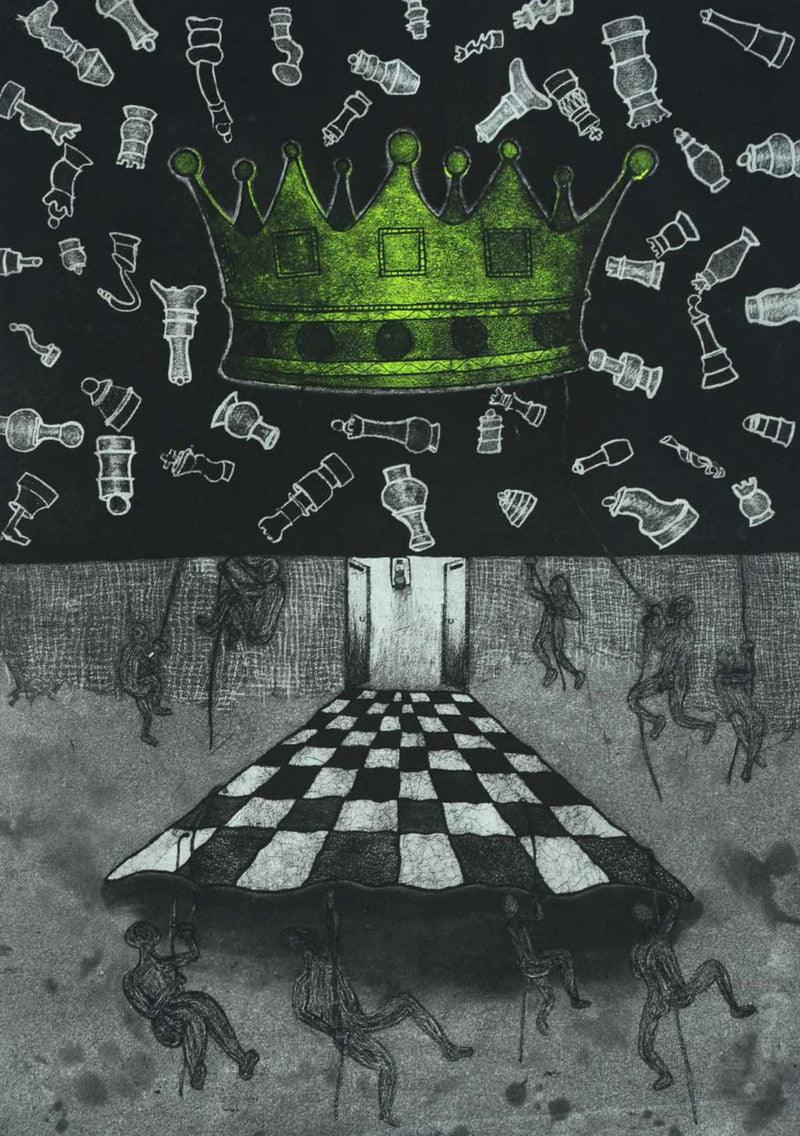
Door Of Heaven (Game of Power)
Artzolo
₹30,000
★ 4.0 (10)
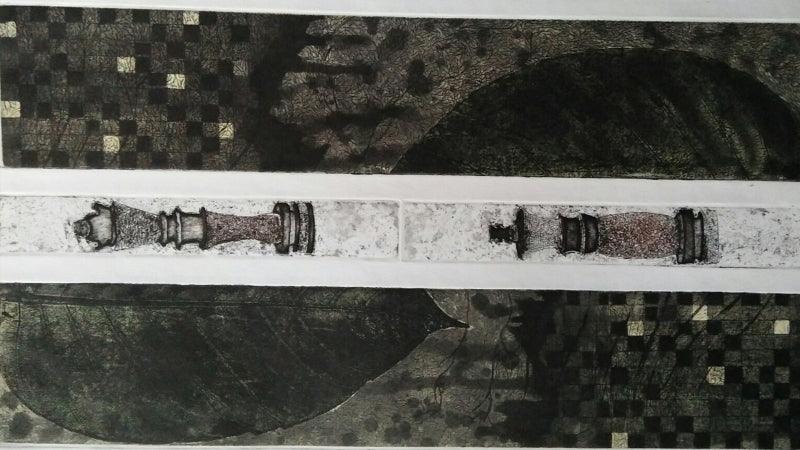
Nature Is A Game (Power Play)
Artzolo
₹18,000
★ 5.0 (8)
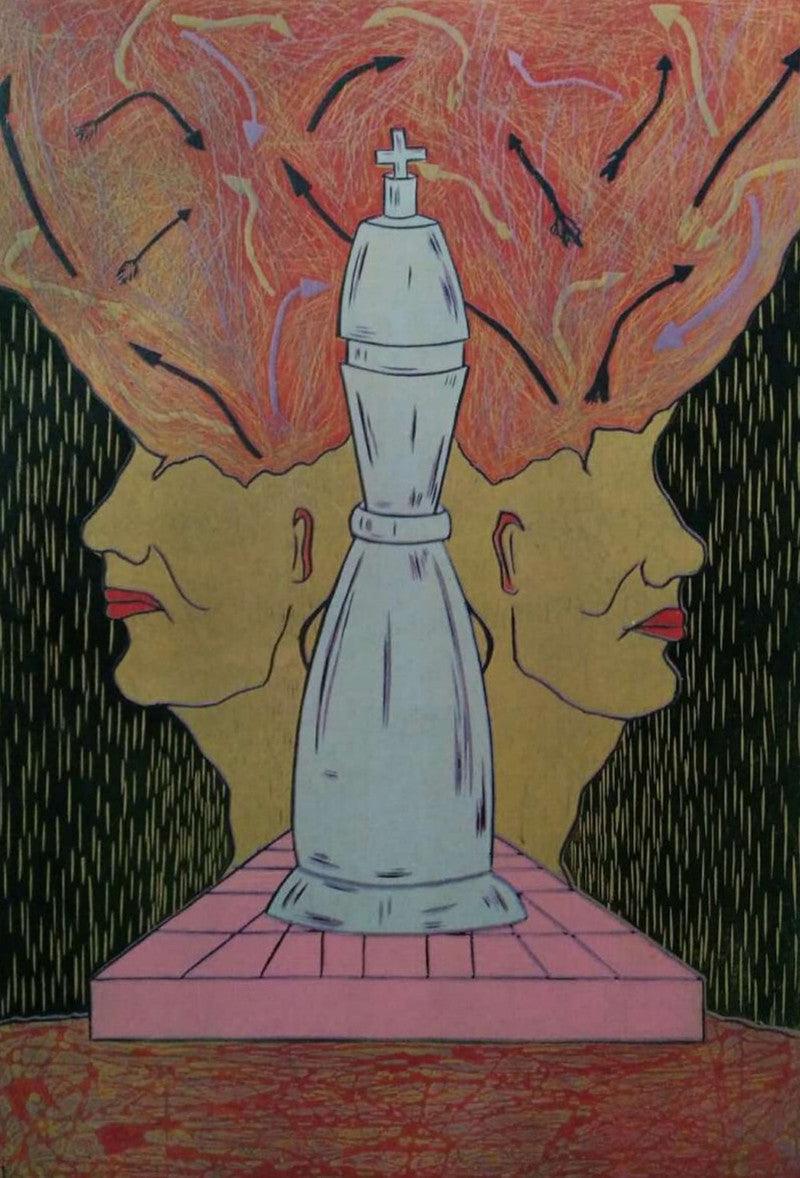
Mind Thoughts (The Weight of Power)
Artzolo
₹15,000
★ 5.0 (14)
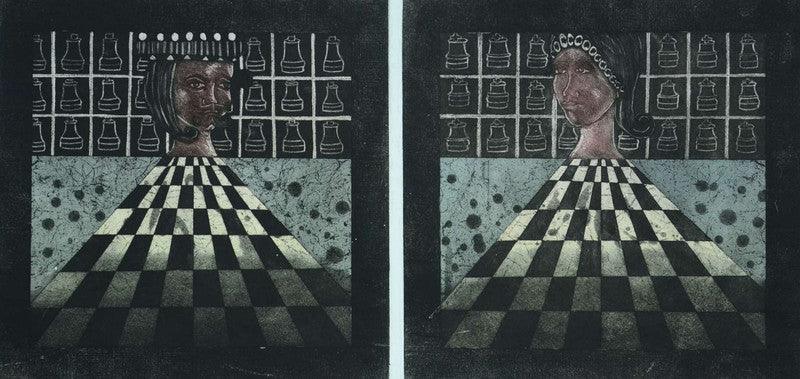
King And Queen (The Chessboard of Fate)
Artzolo
₹30,000
★ 4.0 (6)
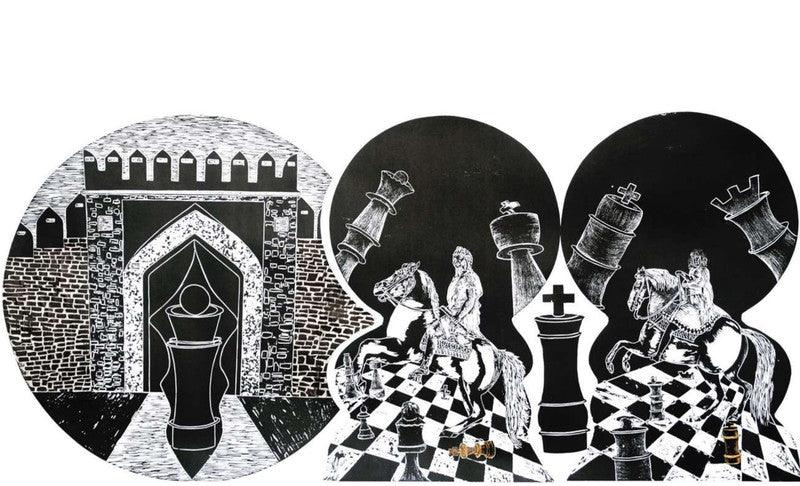
Ready For Triumph (The Game of Conquest)
Artzolo
₹22,000
★ 5.0 (12)
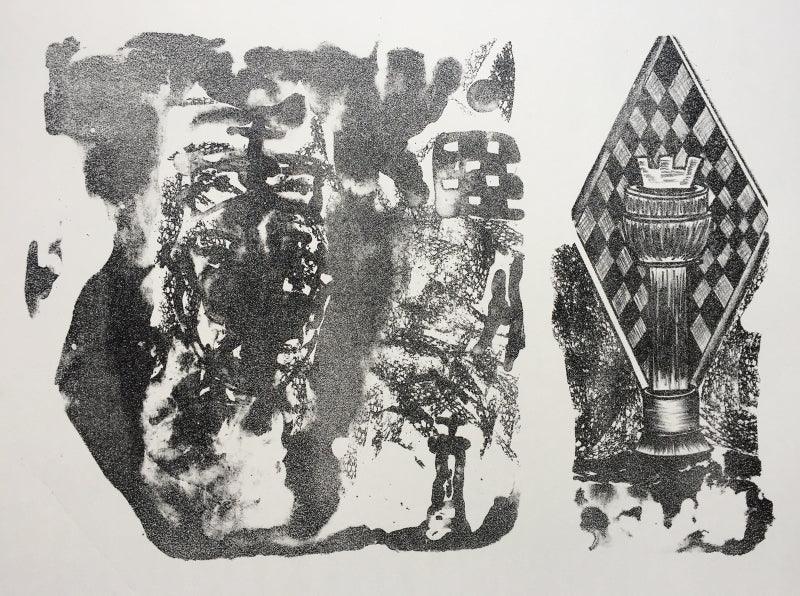
Untitled 1 (Power and Emptiness)
Artzolo
₹20,000
★ 4.0 (6)
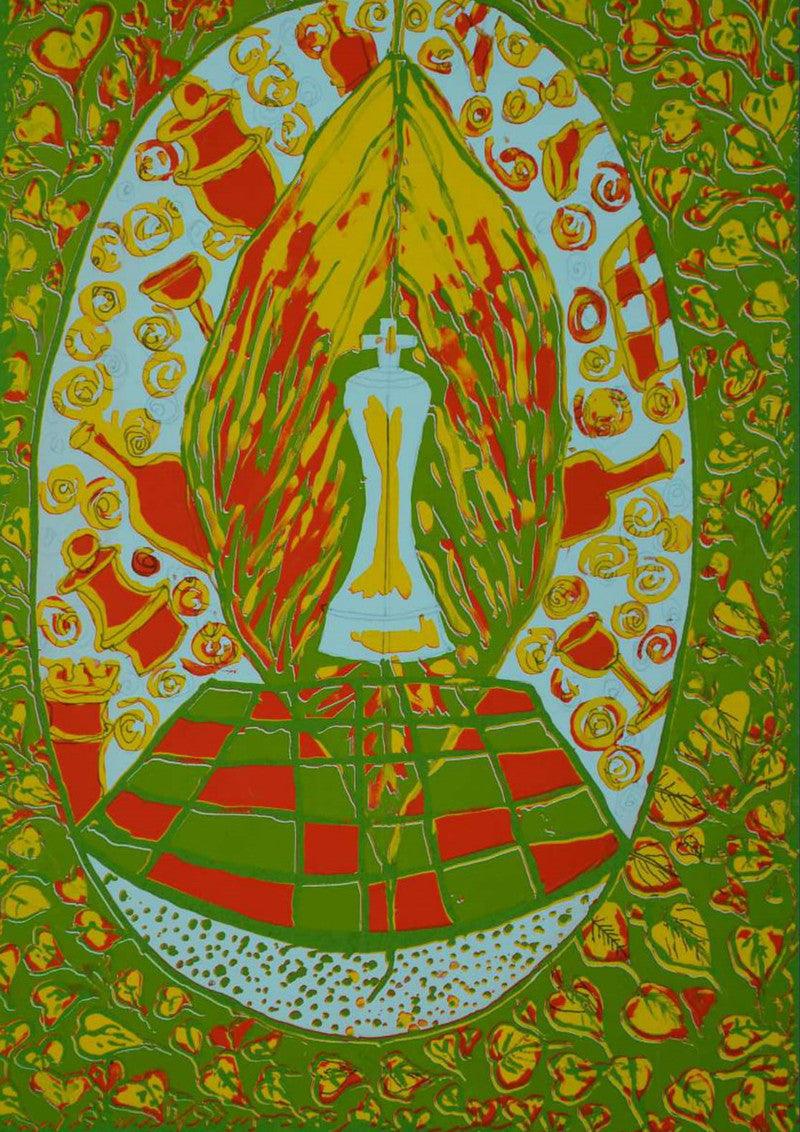
Untitled 3 (The King's Domain)
Artzolo
₹12,000
★ 4.0 (14)
Games Of Thrones (The Game of Life)
Artzolo
₹30,000
★ 4.0 (12)