Flower of Uttar Pradesh, Palash - Plant
Palash Plant - The Flower of Uttar Pradesh
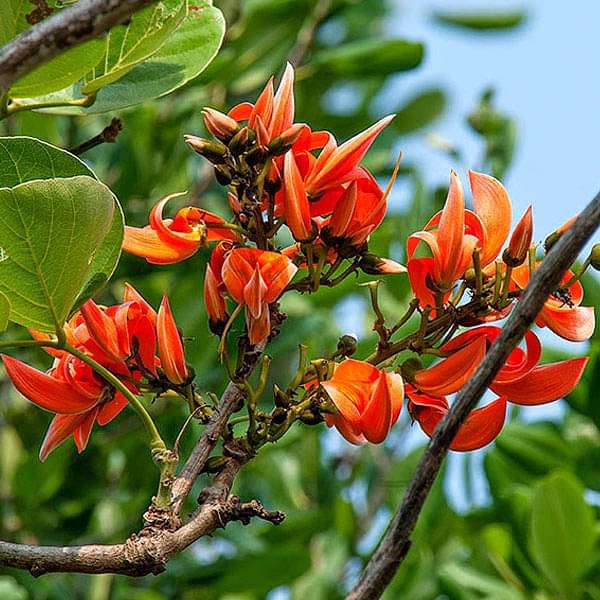
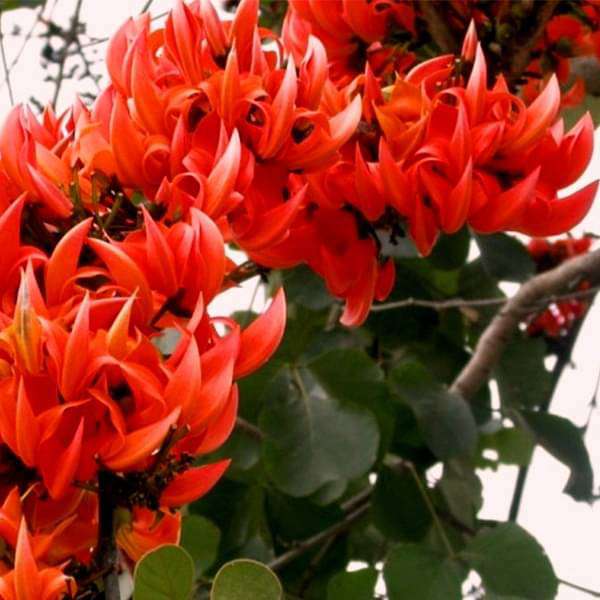
The Palash plant, scientifically known as *Butea monosperma*, is a stunning flowering tree native to the Indian subcontinent, particularly flourishing in Uttar Pradesh. Known for its vibrant orange-yellow flowers, it blooms in the spring, creating a breathtaking spectacle that attracts pollinators and enhances the beauty of any landscape. This hardy plant is not only visually appealing but also plays a crucial role in local ecosystems.
What makes the Palash special is its cultural significance and ecological benefits. Revered in Indian traditions, it is often associated with the festival of Holi, symbolizing the arrival of spring. The tree's flowers are also used in traditional medicine, showcasing its multifaceted importance in both cultural and health contexts.
One of the Palash's standout features is its ability to thrive in arid conditions, making it an excellent choice for sustainable landscaping. Its deep roots help prevent soil erosion, while its foliage provides shade and habitat for various wildlife, contributing positively to the environment.
Growing Instructions:
- Plant in well-drained soil with a pH of 6.0 to 7.5.
- Choose a sunny location, as Palash thrives in full sunlight.
- Space plants at least 10-15 feet apart to allow for growth.
- Water regularly during the first year; once established, it requires minimal watering.
Care Instructions:
- Prune in late winter to promote healthy growth and flowering.
- Fertilize with a balanced fertilizer during the growing season.
- Monitor for pests; use organic pesticides if necessary.
- Mulch around the base to retain moisture and suppress weeds.
Uses:
- Flowers can be used in traditional medicine for various ailments.
- Wood is used for making furniture and crafts due to its durability.
- Leaves can be used to make eco-friendly plates and bowls.
- Flowers are often used in religious ceremonies and festivals.
Fun Facts:
- The Palash tree can grow up to 15 meters tall and live for over 100 years.
- Its flowers are known to attract a variety of pollinators, including bees and butterflies.
- In ancient times, the Palash was considered sacred and was often planted near temples.
- The tree is also known as the "Flame of the Forest" due to its fiery blossoms.
Environmental Impact:
The Palash plant plays a vital role in combating soil erosion and improving soil fertility. Its deep root system helps stabilize the soil, while its foliage provides habitat for various species, promoting biodiversity. Additionally, it contributes to carbon sequestration, making it an excellent choice for eco-friendly landscaping.
Coupons
Delivery
You may also like