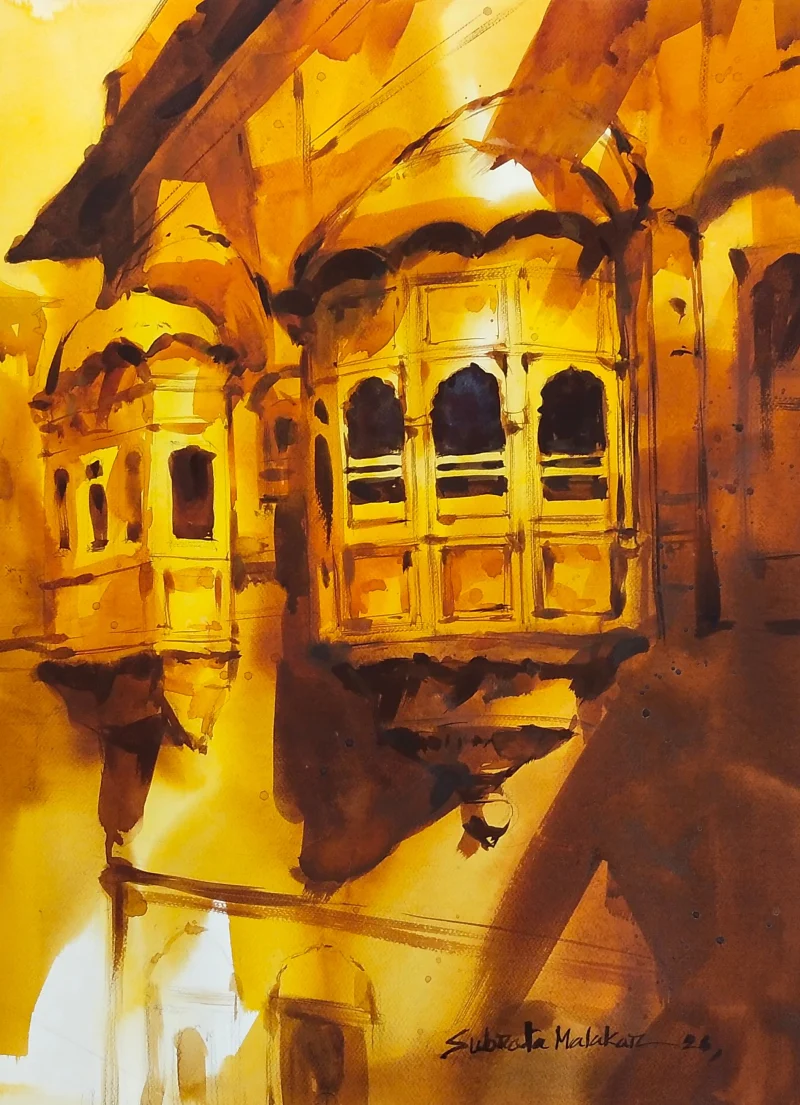
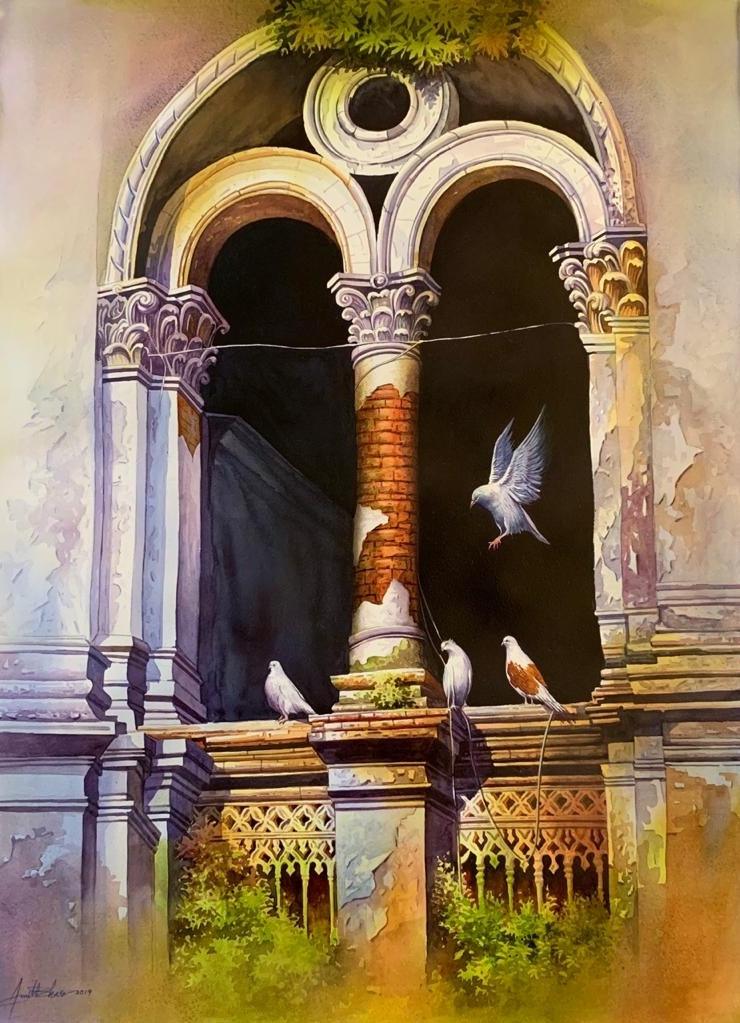
Fragments Of Heritage
₹40,000
● In stockchecking live price…
Size
30x22Type
OriginalMaterial
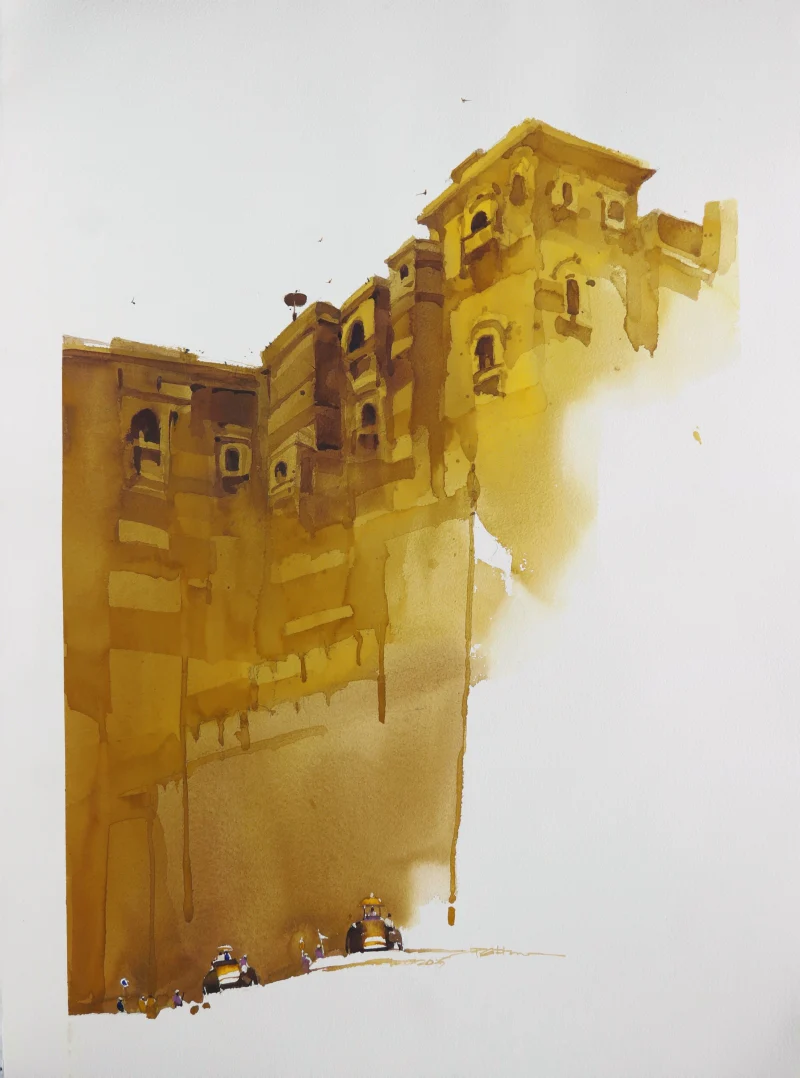
PaperBathed in a molten wash of saffron and umber, the façade emerges like a memory warmed by late-afternoon sun—architecture not merely observed but felt as an embered presence. The clustered arches and projecting jharokha window are articulated with spare, calligraphic strokes, letting pooled pigment and softened edges suggest time’s gentle erosion rather than precise stonework. Light becomes the true subject: it floods the surfaces, dissolving detail into atmosphere, and turns the building into a vessel of quiet reverence where history lingers in the glow between shadowed apertures.
You may also like
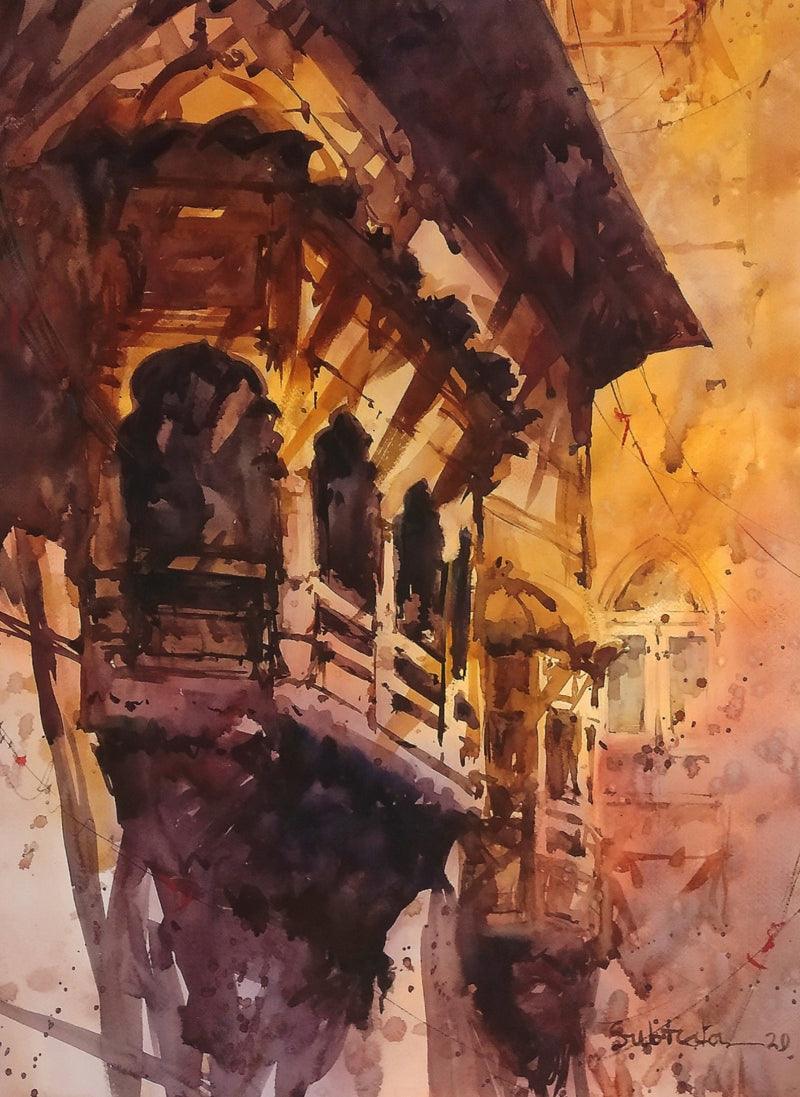
Untitled 1 (Echoes of the Past)
Artzolo
₹75,000
out of stock
★ 4.0 (10)
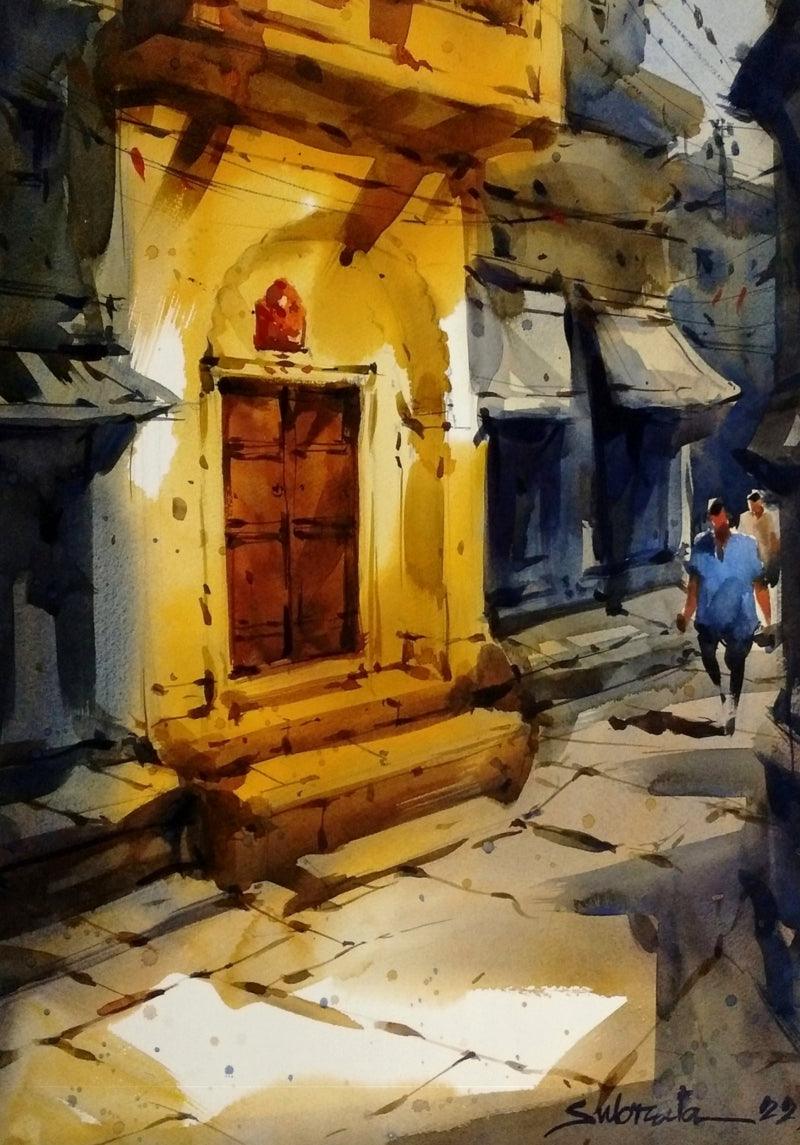
Yellow Door (Time Stands Still**)
Artzolo
₹45,000
★ 5.0 (8)
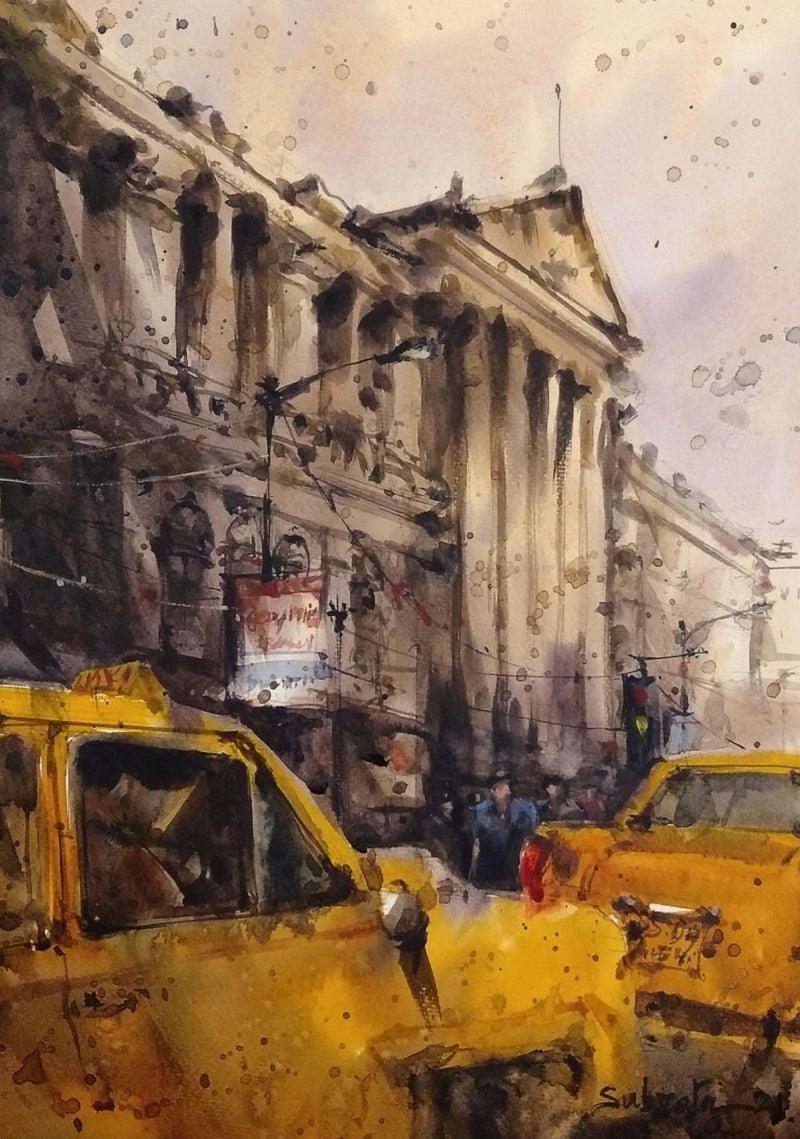
Kolkata
Artzolo
₹12,000
out of stock
★ 5.0 (11)
Sunshine Yellows
Artzolo
₹120,000
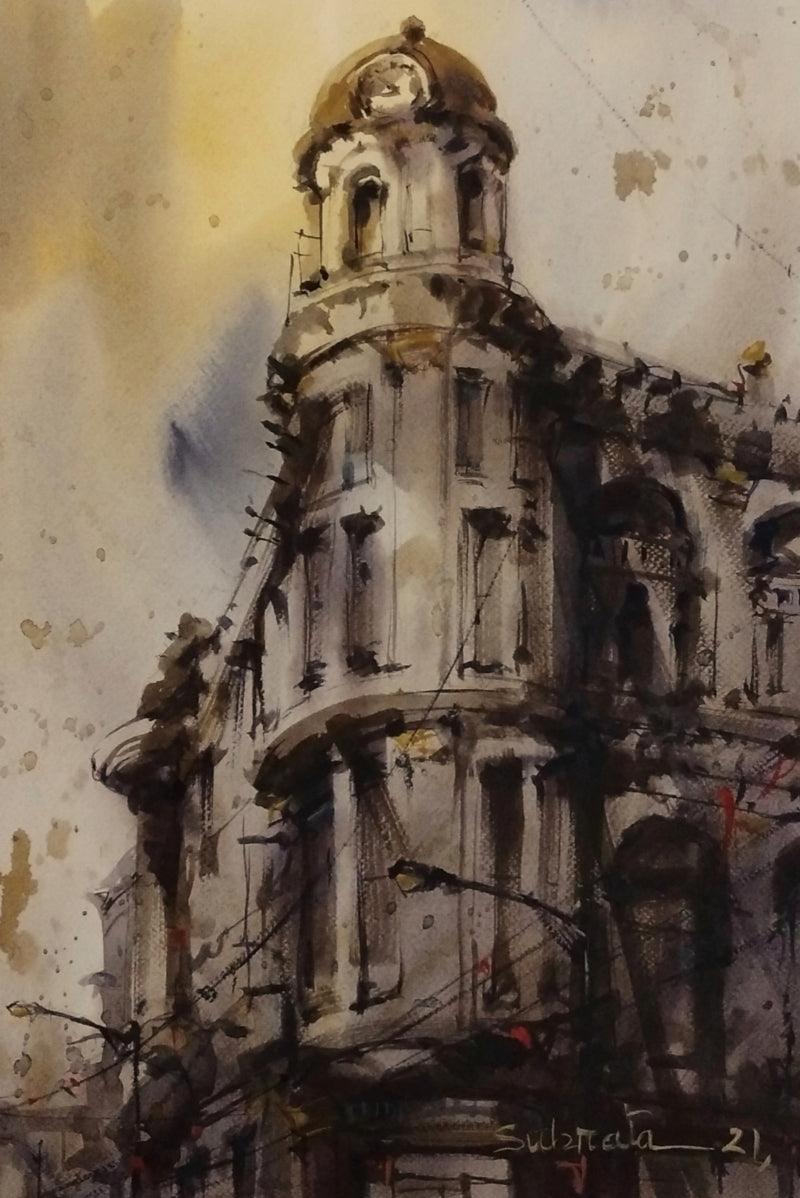
Untitled 1 (Time Stands Still**)
Artzolo
₹45,000
★ 4.0 (13)
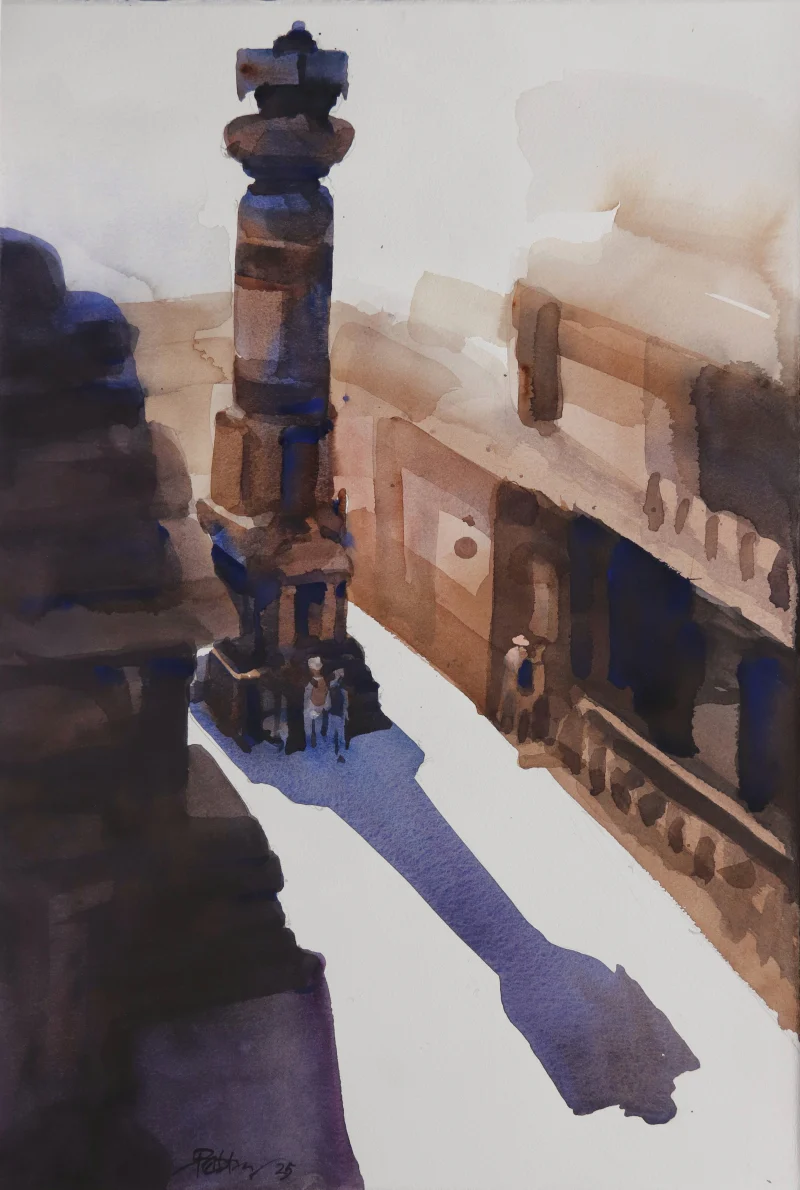
Shadows Of Times Past
Artzolo
₹0
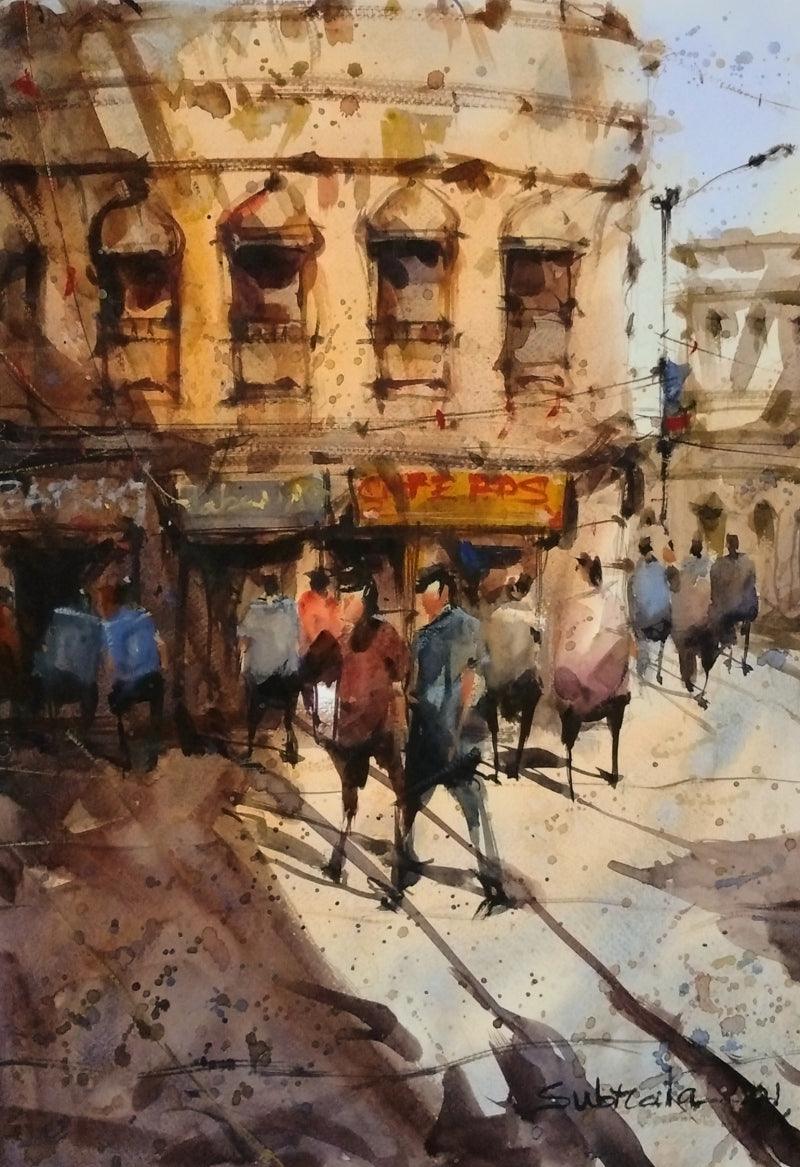
Untitled 1 (A Bustling Corner)
Artzolo
₹25,000
★ 4.0 (7)
Old Heritage 2
Artzolo
₹110,000
out of stock