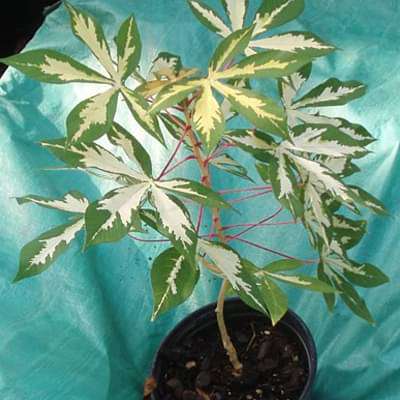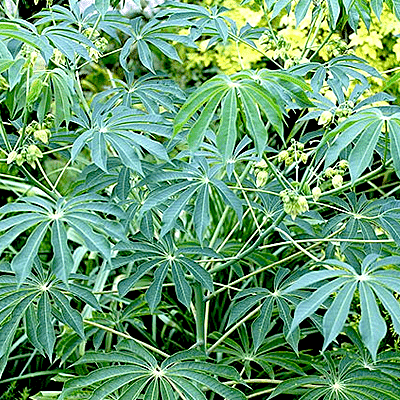
Manihot esculenta: The Versatile Cassava Plant
Manihot esculenta, commonly known as cassava or yuca, is a tropical root vegetable native to South America. This hardy plant thrives in poor soils and is a staple food source for millions worldwide, particularly in Africa, Asia, and Latin America. Rich in carbohydrates, cassava is a vital source of energy and is often processed into flour, tapioca, and other food products.
What makes Manihot esculenta special is its adaptability to various climates and its resilience against drought. This makes it an essential crop for food security in regions prone to climate change. Its ability to grow in marginal soils also contributes to sustainable agriculture practices, reducing the need for chemical fertilizers.
One of the unique features of cassava is its high starch content, which can be converted into biofuels and other industrial products. Additionally, cassava leaves are rich in protein and can be used as a nutritious vegetable. This dual-purpose plant not only supports food systems but also offers economic opportunities for farmers.
Growing Instructions
- Plant cassava cuttings in well-drained soil, ideally in a sunny location.
- Space cuttings about 3 feet apart to allow for growth.
- Water regularly, especially during dry spells, but avoid waterlogging.
- Harvest roots after 8-24 months, depending on the variety.
Care Instructions
- Fertilize with organic compost to enhance soil fertility.
- Monitor for pests like aphids and mealybugs; use organic pesticides if necessary.
- Mulch around the base to retain moisture and suppress weeds.
Uses of Manihot esculenta
- Processed into flour for baking and cooking.
- Used to make tapioca pearls for desserts and beverages.
- Leaves can be cooked and consumed as a nutritious vegetable.
- Utilized in the production of biofuels and industrial starches.
Fun Facts
- Cassava is the third-largest source of carbohydrates in the tropics, following rice and maize.
- It is known for its high resistance to pests and diseases, making it a reliable crop.
- In some cultures, cassava is used in traditional ceremonies and celebrations.
- Despite its many benefits, cassava must be properly processed to remove toxic compounds found in raw roots.
Environmental Impact
Manihot esculenta plays a significant role in sustainable agriculture. Its ability to thrive in poor soils reduces the need for chemical fertilizers, promoting healthier ecosystems. Additionally, cassava's drought resistance makes it a valuable crop in the face of climate change, helping to ensure food security for vulnerable populations.
Coupons
Delivery
You may also like