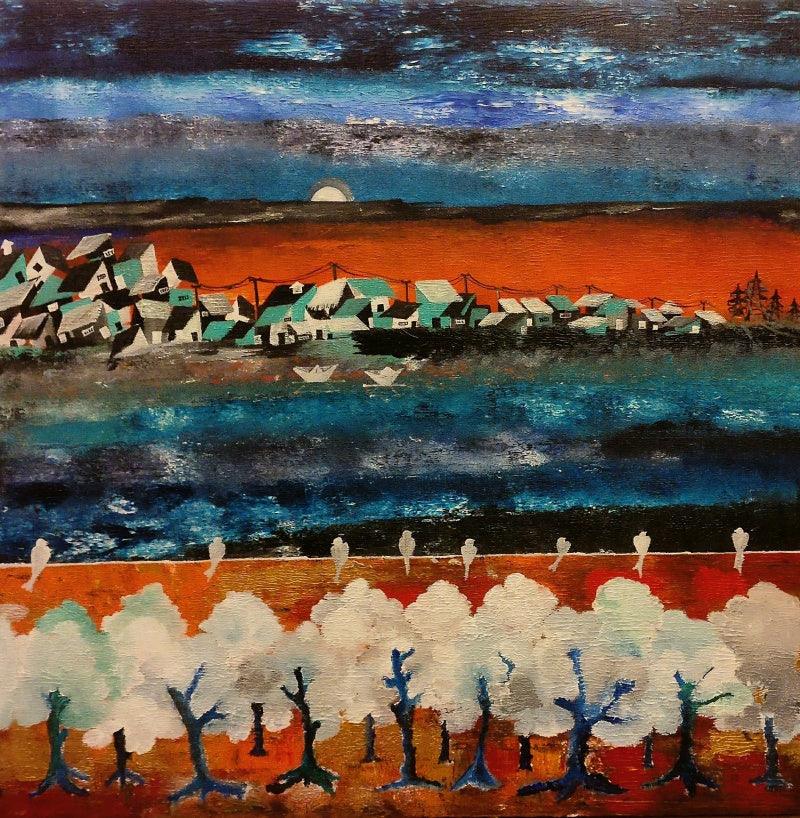
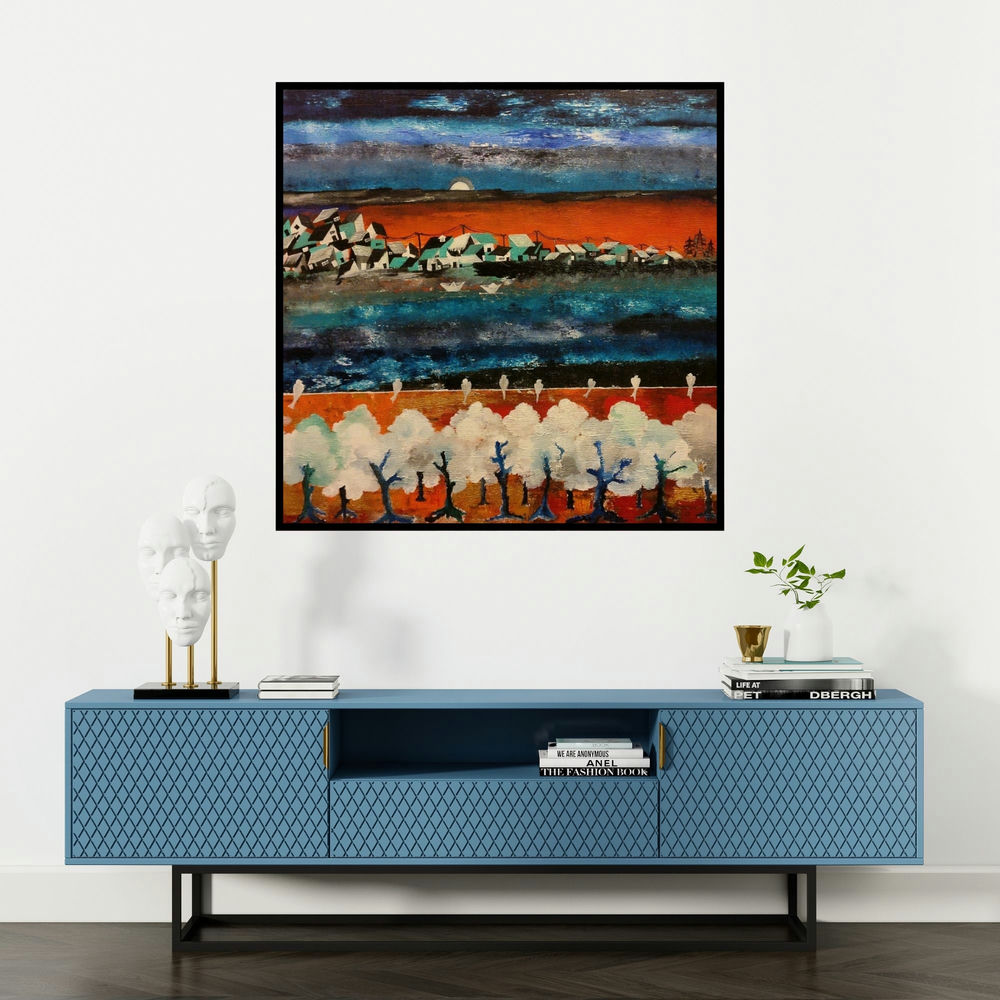
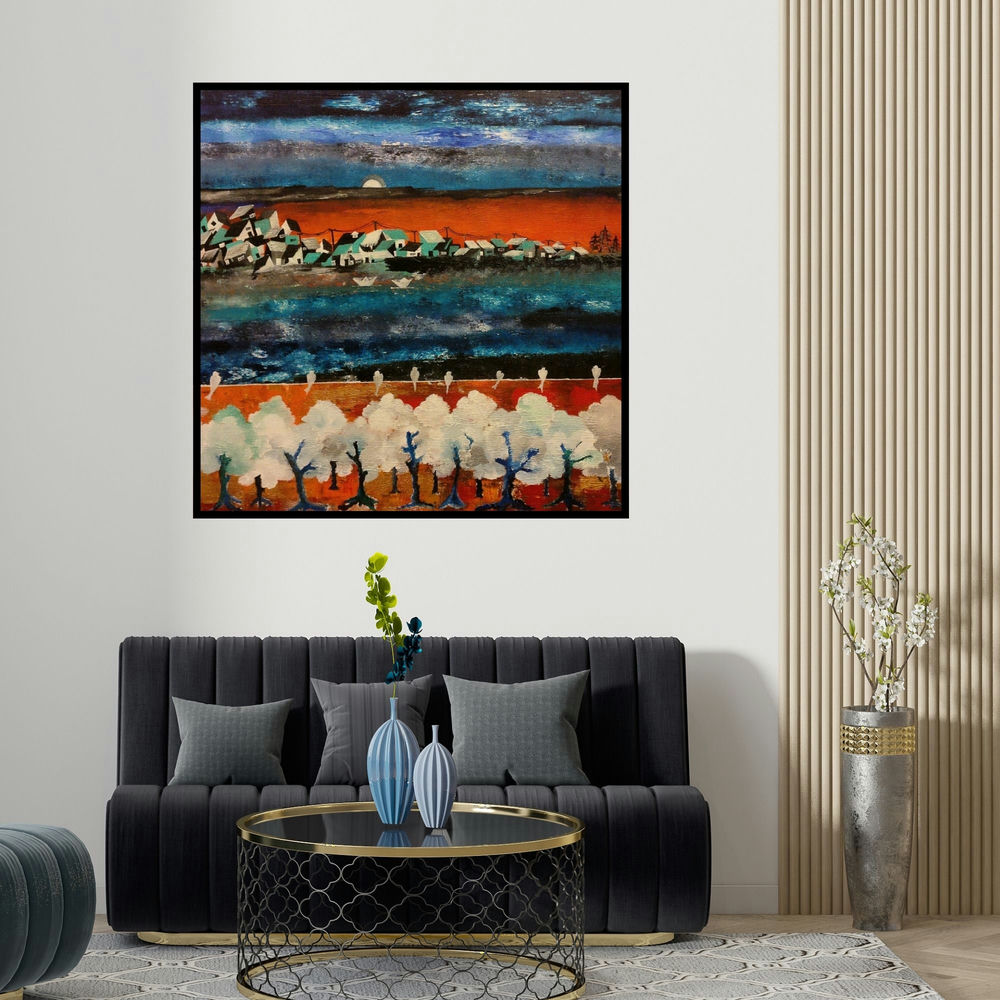
Paper Boat (Twilight Serenity)
₹1,482
Out of stock · ★ 4.0 (13)checking live price…
Size
14x1436x3615x1412x1118x1819x18Type
PrintOriginalMaterial
CanvasThe painting arranges the world in horizontal strata—storm-dark sky, embered horizon, and ink-blue water—so that the village becomes a fragile seam stitched between vast, indifferent elements. Teal rooftops and clipped silhouettes suggest a remembered place rather than a literal one, while the pale sun (or moon) hovers like a quiet witness to endurance and routine. Below, the white orchard reads as a procession of breath or ghosts, turning the foreground into a meditation on seasonality and the tenderness of what persists. The small paper boats drift as modest symbols of passage, carrying the eye—and the mind—through layers of distance, memory, and calm unease.
Delivery
You may also like
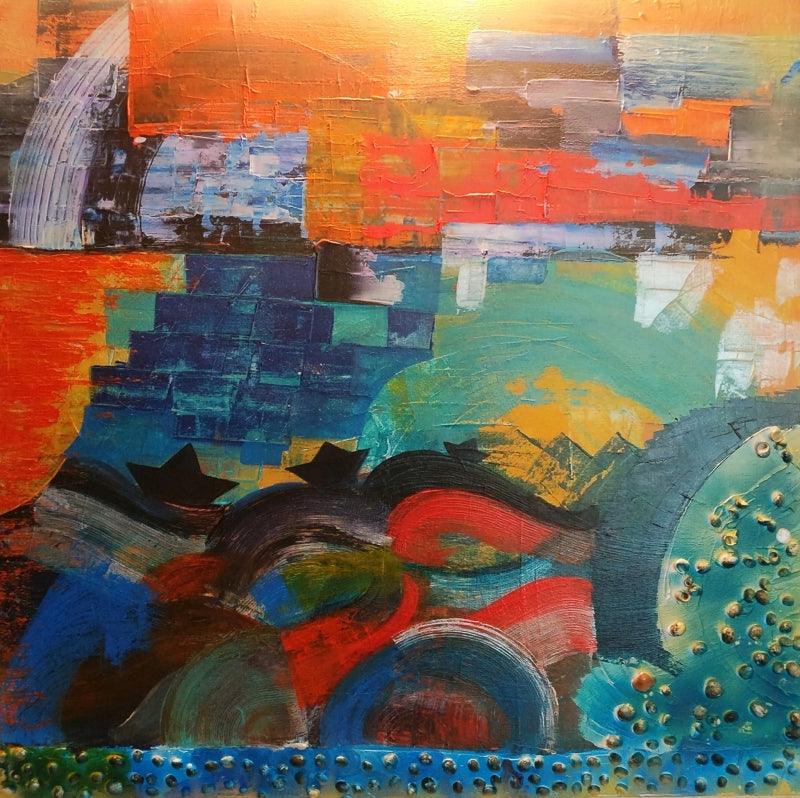
Paperboat (Emergence)
Artzolo
₹1,482
out of stock
★ 4.0 (12)
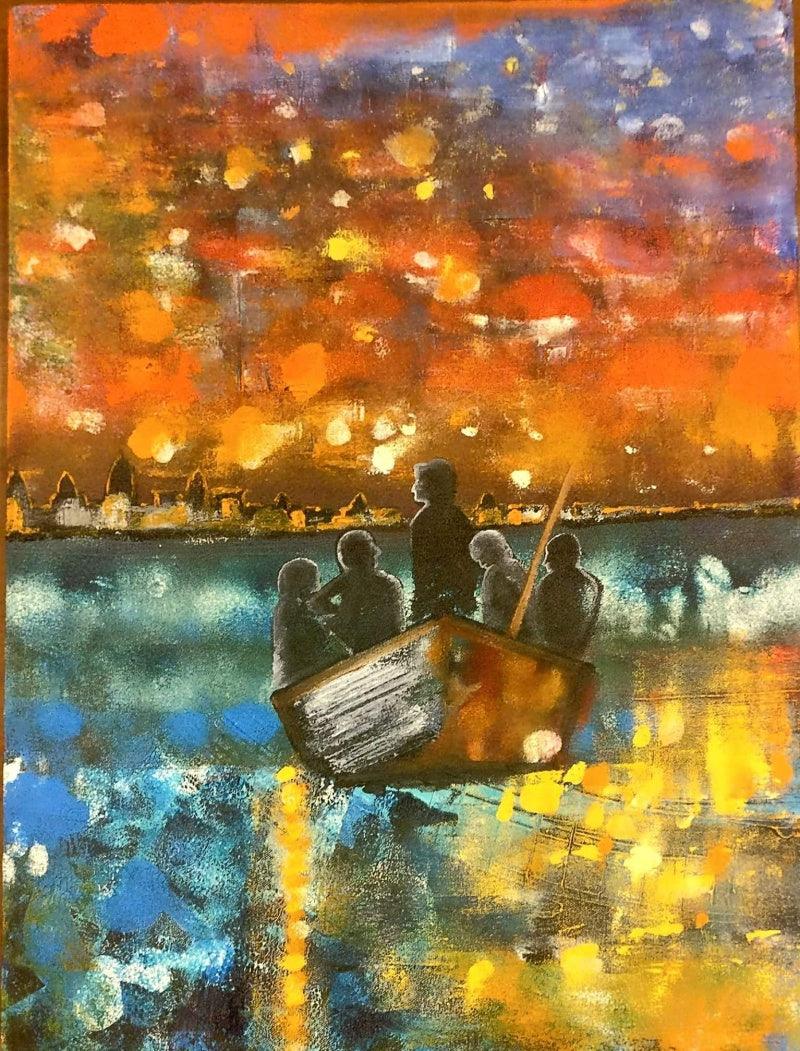
Transition (Sunset Voyage)
Artzolo
₹1,799
out of stock
★ 5.0 (9)
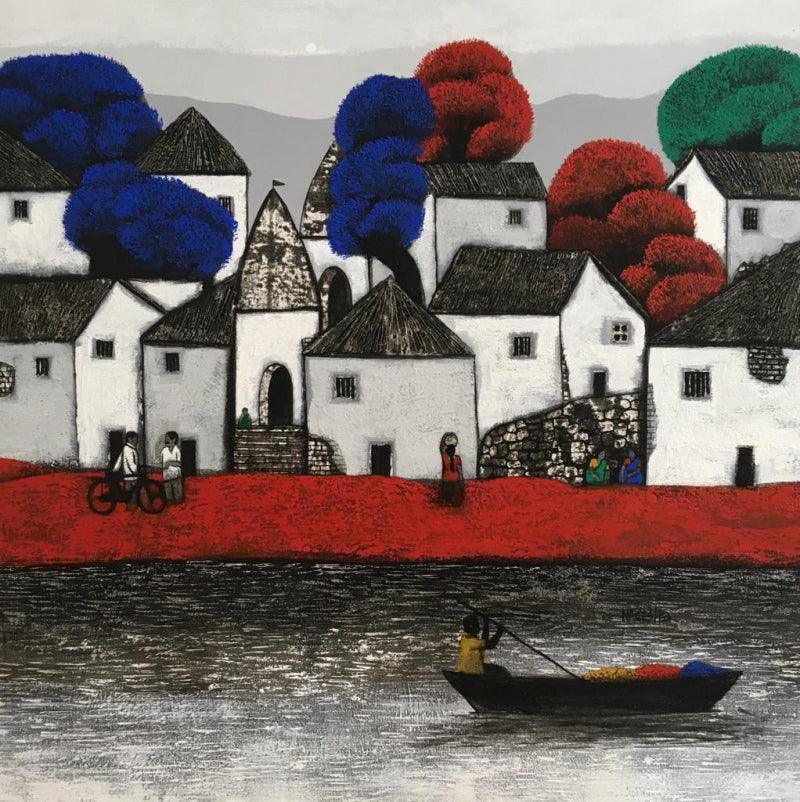
Untitled 52 (A Vibrant Village Scene)
Artzolo
₹135,000
out of stock
★ 4.0 (15)
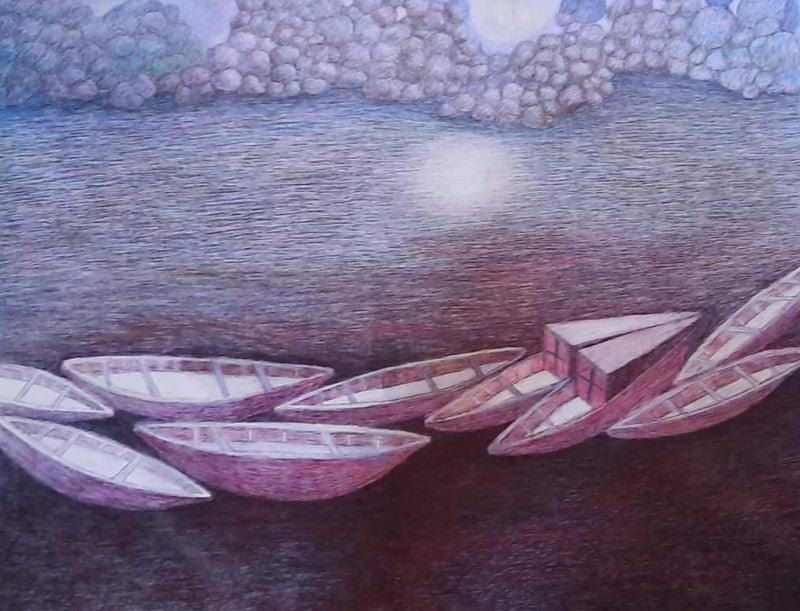
Untitled 1 (Serene Waters)
Artzolo
₹120,000
★ 4.0 (10)
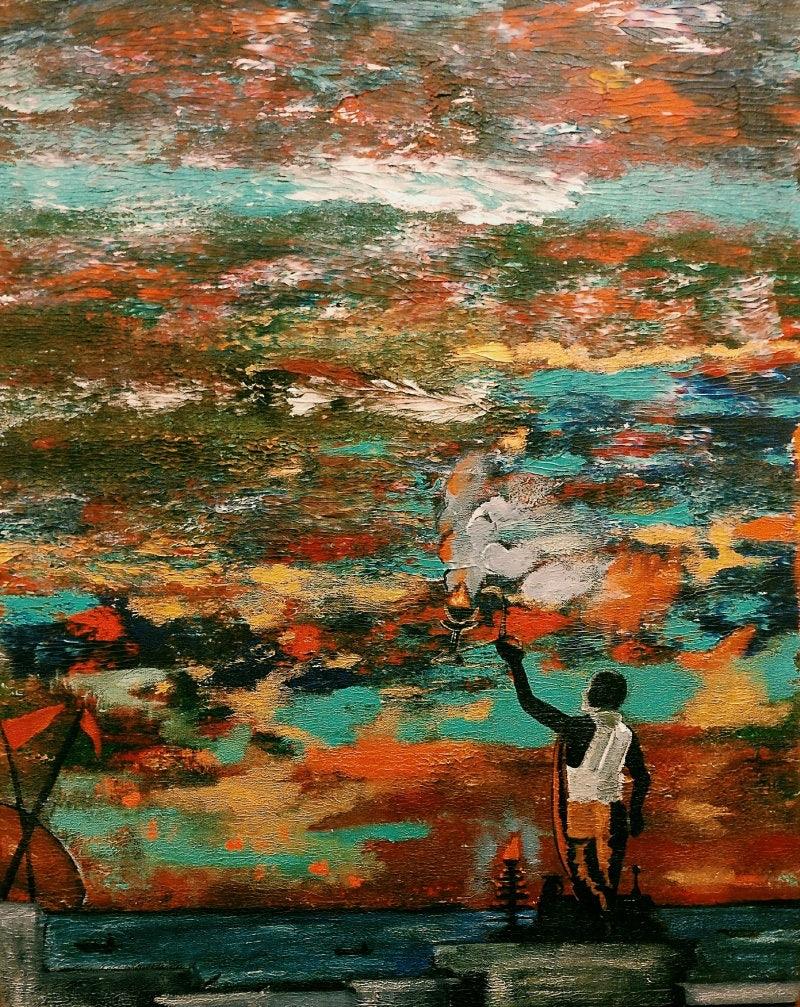
Devin Conversation (Ethereal Awakening)
Artzolo
₹10,000
out of stock
★ 4.0 (10)
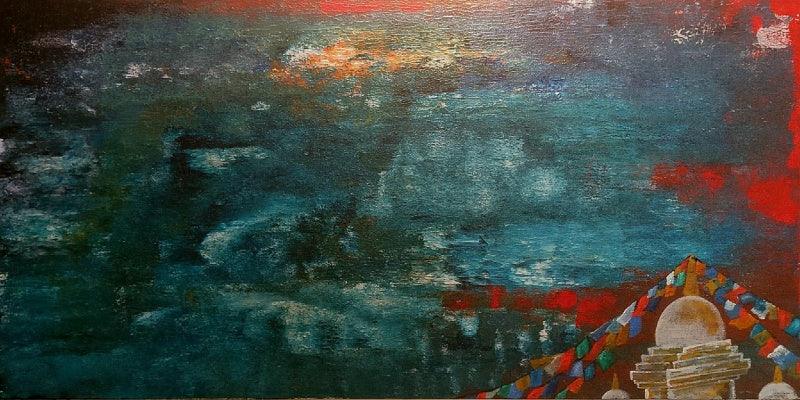
The Lake Of Mind
Artzolo
₹2,948
out of stock
★ 5.0 (15)
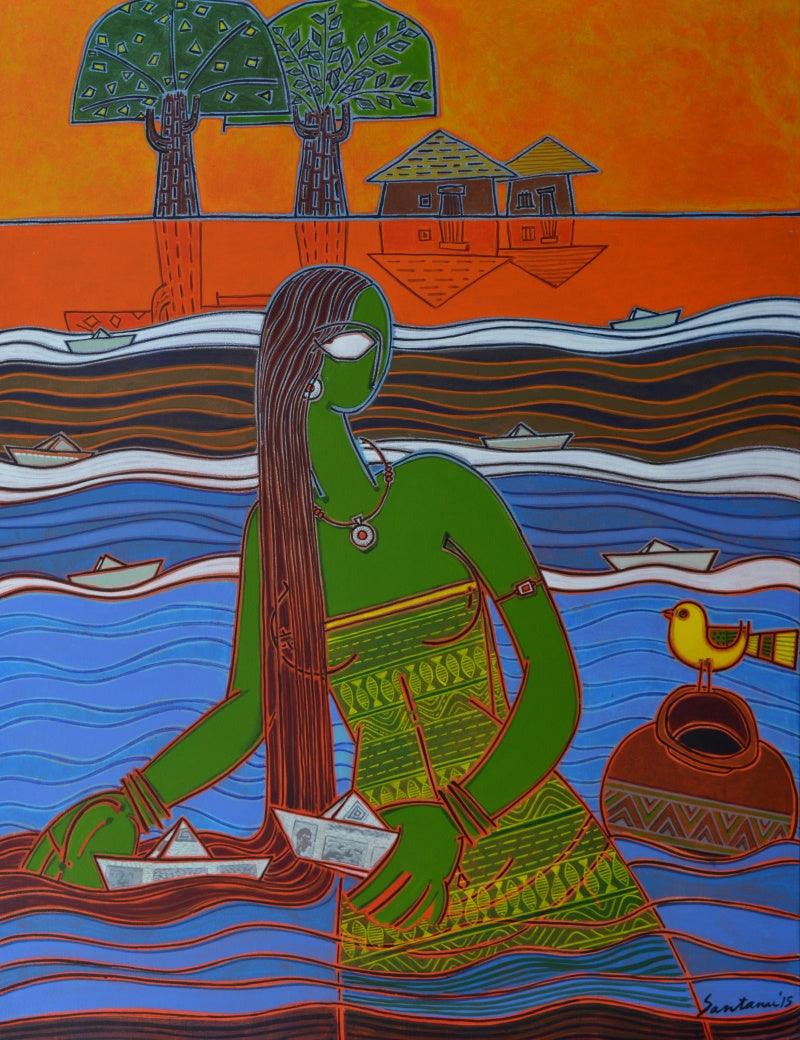
Boats (Floating Dreams)
Artzolo
₹150,000
★ 4.0 (14)
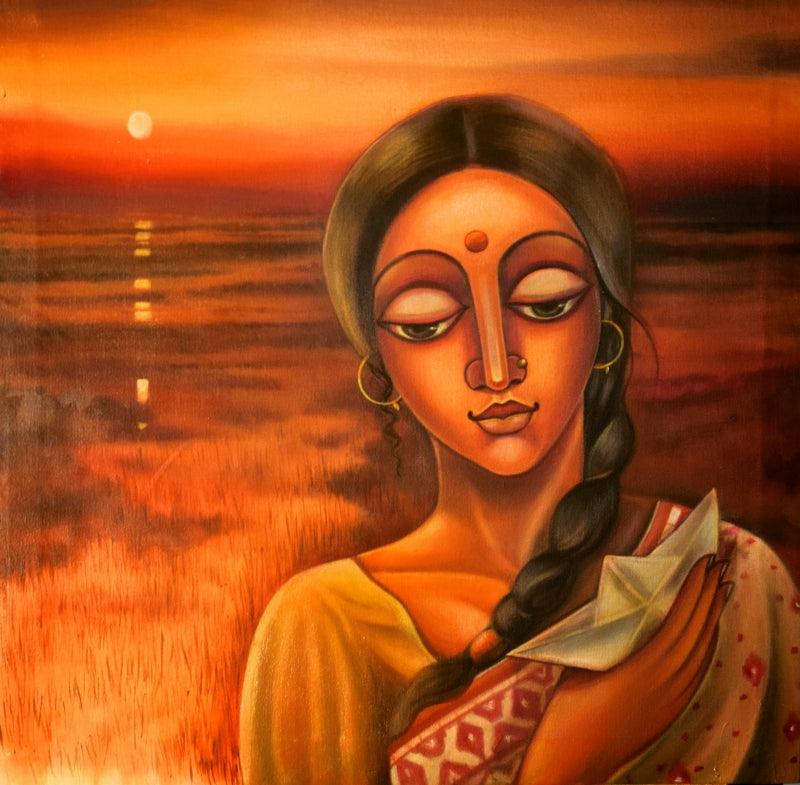
Ichhamati (A Bustling Bazaar)
Artzolo
₹22,400
out of stock
★ 4.0 (12)