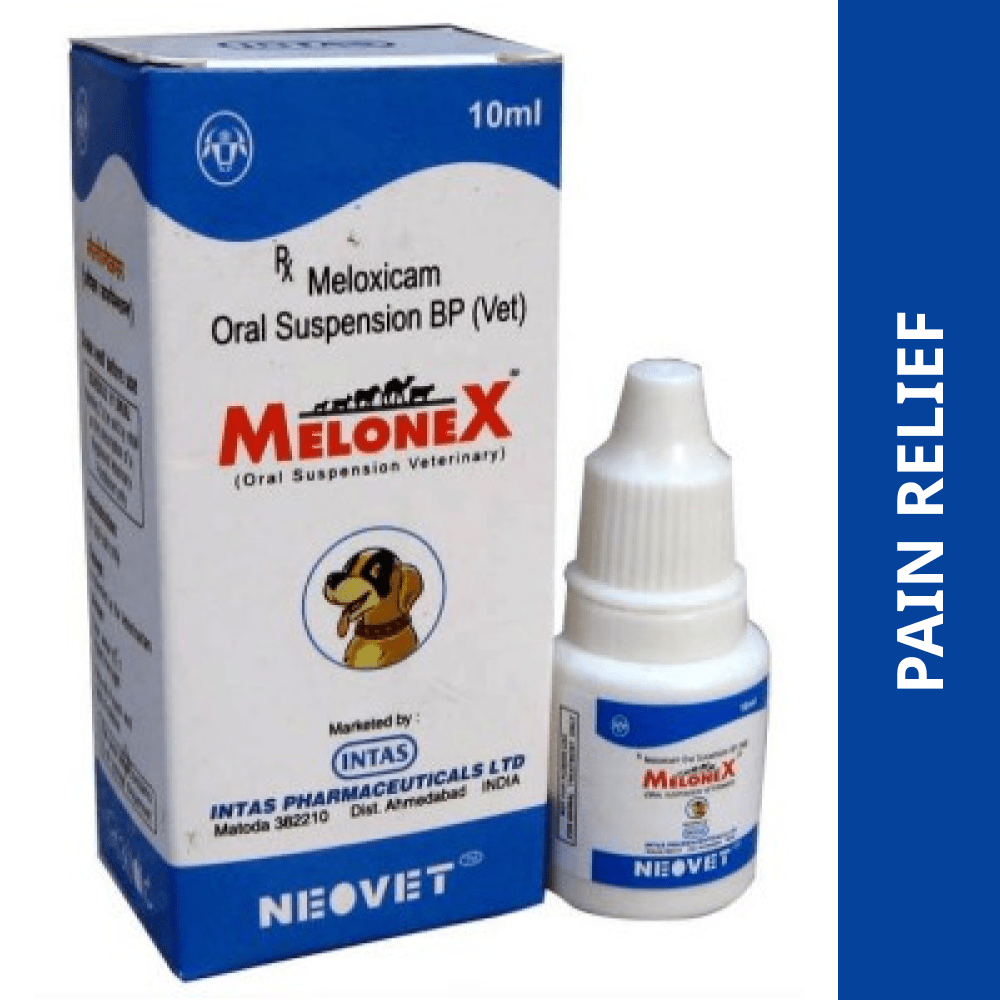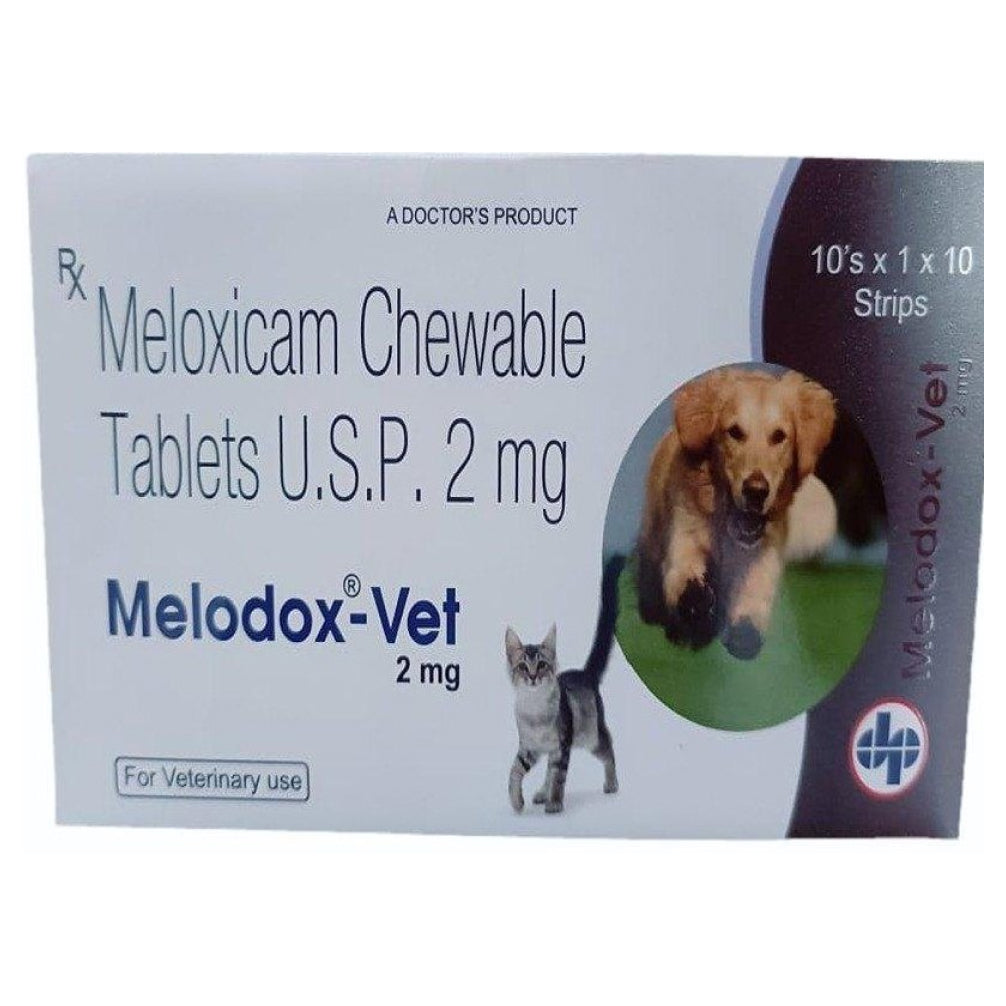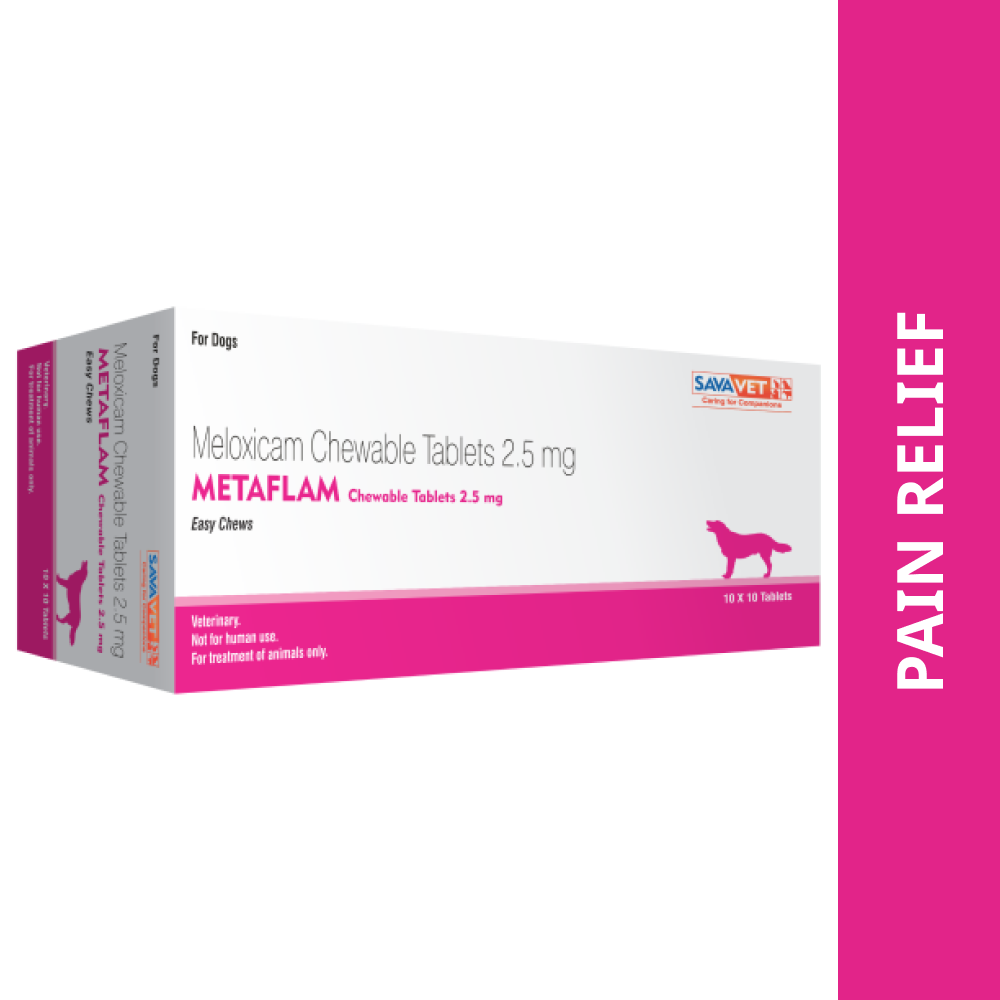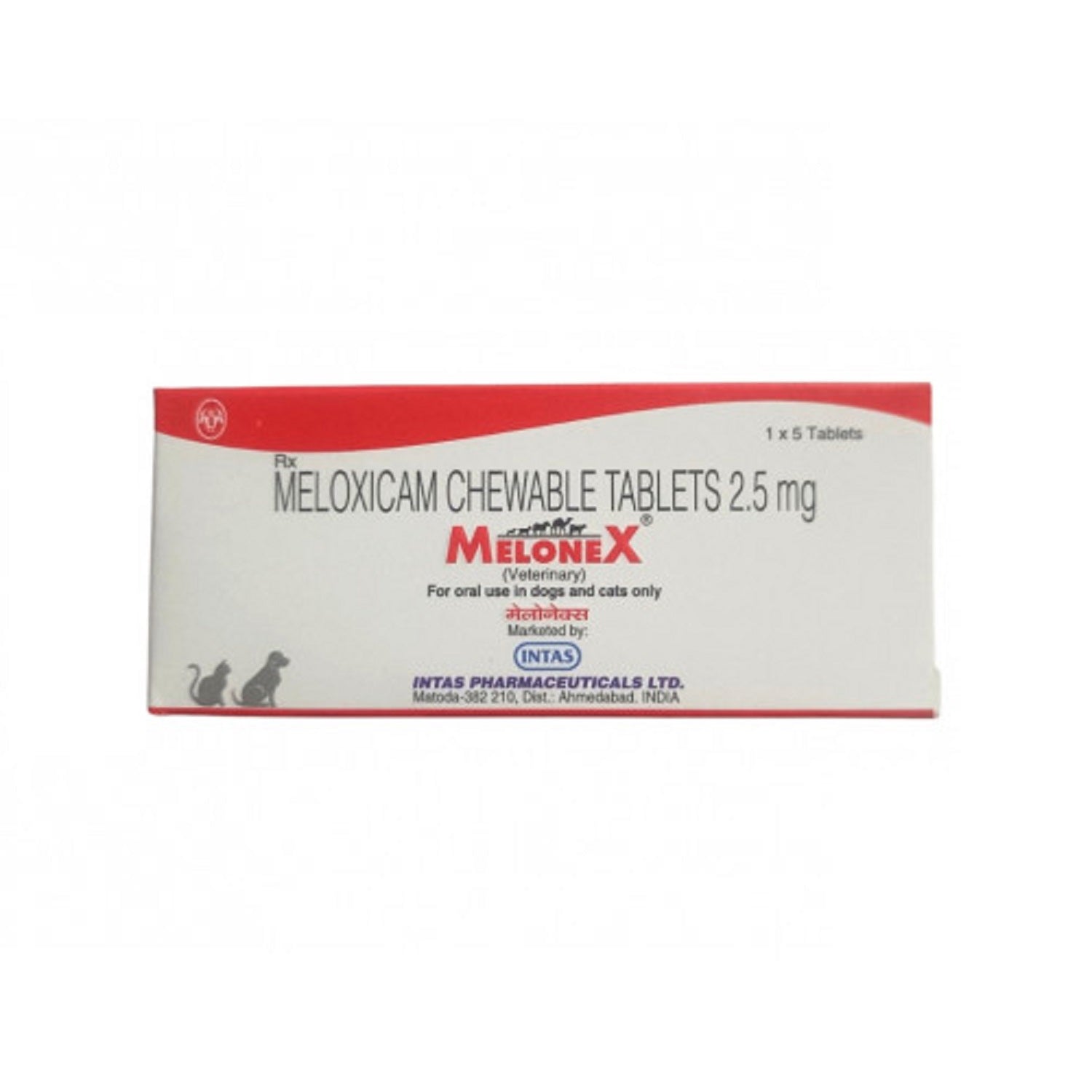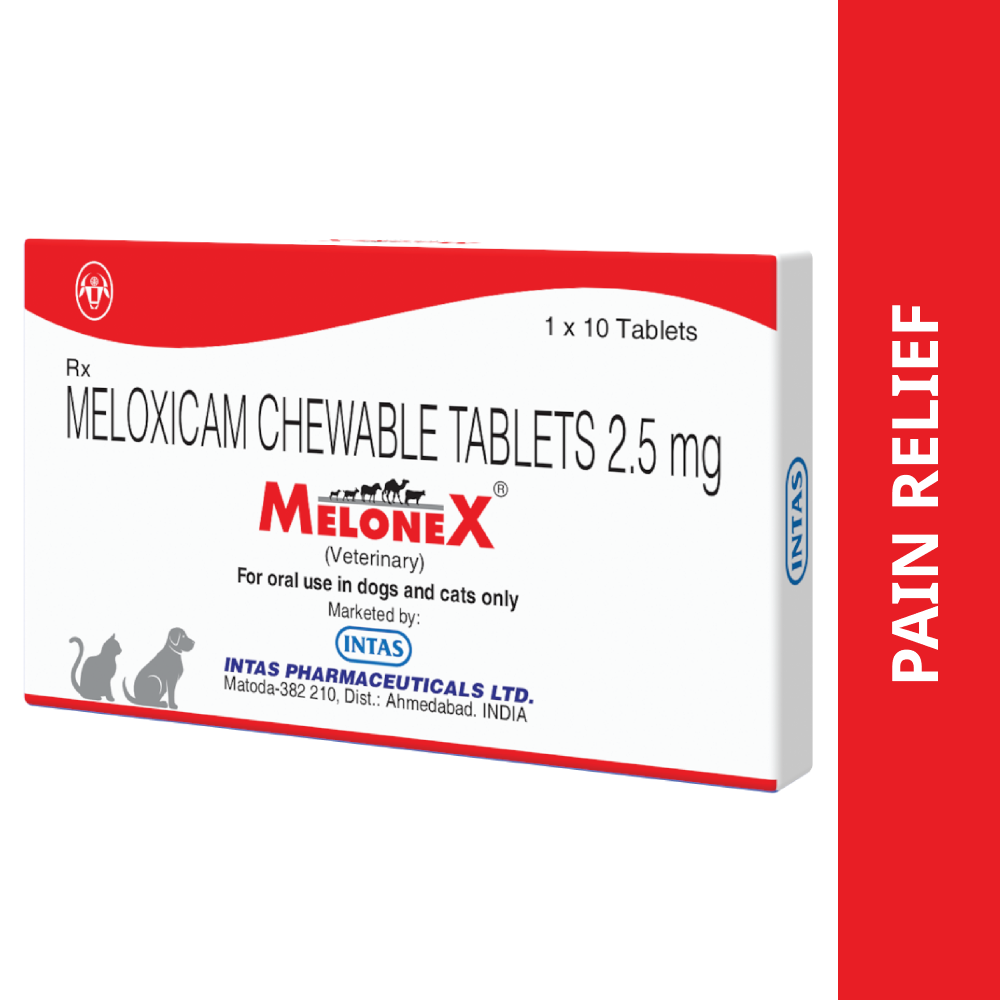
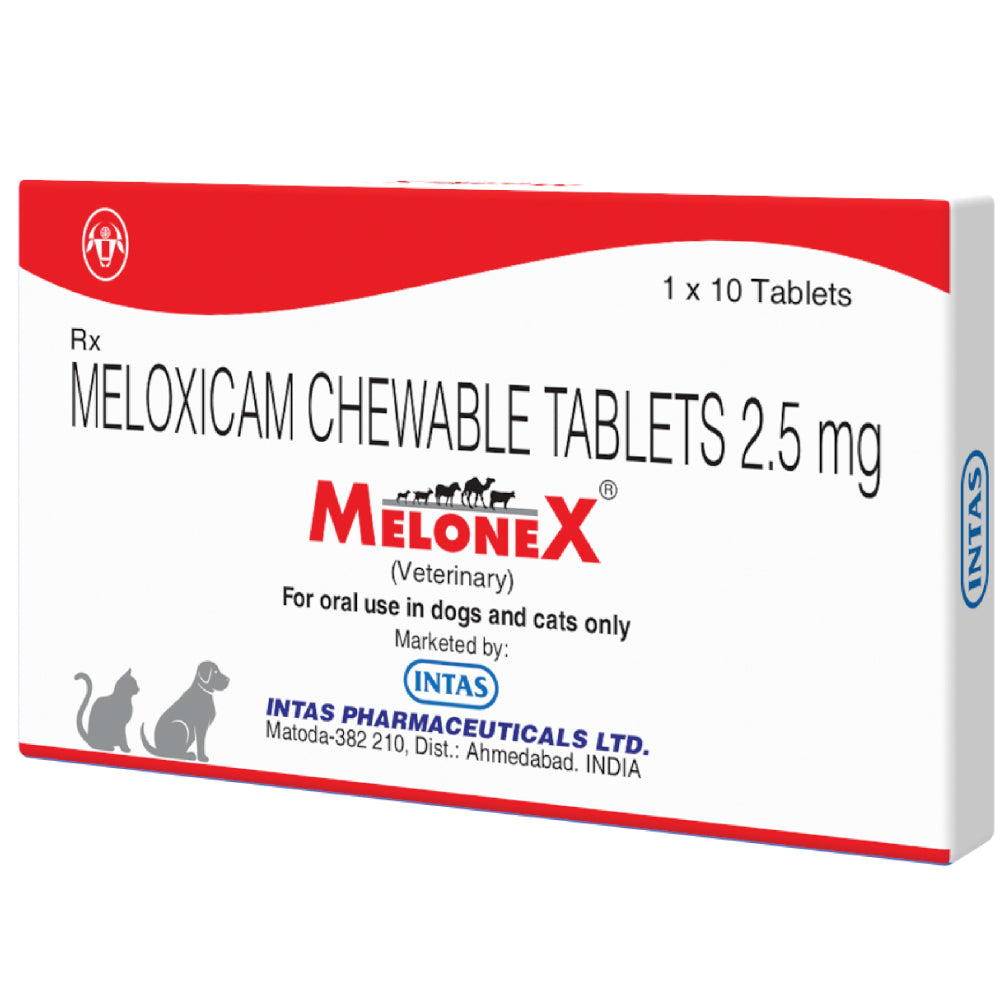
Intas Melonex (Meloxicam) 2.5mg Tablet for Dogs & Cats
Intas Melonex 2.5mg Meloxicam Tablet for Dogs - Prescription NSAID Pain Relief for Arthritis, Injury, and Post-Surgery Recovery
Intas Melonex is a vet-prescribed chewable tablet containing Meloxicam IP 2.5mg per tablet - a COX-2 selective non-steroidal anti-inflammatory drug (NSAID) for dogs that relieves pain, reduces inflammation, and controls fever. It is used for arthritis, musculoskeletal pain, post-surgical discomfort, and acute injury. Each pack contains 10 tablets. Available at ₹122 (₹12.20 per tablet). Schedule H - requires a valid vet prescription.
Here's a situation every pet parent of a senior dog eventually faces: your Labrador, who used to sprint to the gate when you came home, now gets up slowly from their bed. They still wag. They still want their walk. But you can see the hesitation before they use the stairs, the slight limp after a long afternoon, the way they shift their weight when they stand still too long. This is arthritis - and it's far more common in Indian dogs than most people realise. Melonex is one of the most widely prescribed first-line pain relief options for exactly this situation: a trusted, vet-approved NSAID that brings measurable relief to dogs living with joint pain, so they can get back to living their lives more comfortably.
Marketed by Intas Pharmaceuticals Ltd., S.G. Highway, Ahmedabad - one of India's largest and most trusted pharmaceutical companies, with a dedicated and extensive veterinary medicine division.
Uses and Benefits of Intas Melonex 2.5mg
Melonex is prescribed for a range of painful and inflammatory conditions in dogs. Specifically, your vet may prescribe it for:
- Osteoarthritis and degenerative joint disease - the most common long-term use. Arthritis in dogs is a progressive condition where cartilage between joints breaks down, causing bone-on-bone friction, inflammation, pain, and reduced mobility. Melonex reduces the inflammatory response driving this pain and significantly improves comfort and movement quality in affected dogs.
- Musculoskeletal pain - including sprains, strains, soft tissue injuries, disc-related back pain, and hip dysplasia-related discomfort.
- Post-operative pain management - after surgeries including spay, neuter, orthopaedic procedures, fracture repair, or any other procedure where tissue trauma and post-surgical inflammation need to be managed.
- Acute pain from injuries - trauma, falls, bite wounds with associated tissue inflammation, or any acute painful event requiring short-course pain relief.
- Fever (antipyretic use) - Meloxicam has demonstrated fever-reducing properties and is sometimes prescribed short-term for febrile conditions alongside the primary treatment.
- The practical benefit is visible within 1 to 3 days of starting the medication in most dogs - improved willingness to move, better appetite (pain suppresses appetite), easier rising from rest, more engagement with their environment, and a visibly more comfortable demeanour.
- For a thorough understanding of arthritis in dogs and how to manage it day-to-day, this expert-written Supertails blog on arthritis in dogs and managing chronic pain is one of the most practically useful reads available for Indian pet parents.
Composition and Product Details
| Detail | Specification |
|---|---|
| Active Ingredient | Meloxicam IP 2.5mg per tablet |
| Drug Class | NSAID - Oxicam class, preferential COX-2 inhibitor |
| Form | Chewable, uncoated tablet |
| Pack Size | 10 tablets per blister pack |
| Price | ₹122 MRP (₹12.20 per tablet) |
| Schedule | Schedule H - Prescription required |
| Marketed By | Intas Pharmaceuticals Ltd., Ahmedabad, Gujarat |
| For Use In | Dogs (see safety section for important cat-specific guidance) |
Side Effects of Intas Melonex
- Melonex is generally well-tolerated by healthy dogs when used at the correct dose under veterinary supervision. However, because Meloxicam is a pharmaceutical NSAID - not a supplement - its side effect profile deserves careful attention and honest discussion.
- Common and usually mild: Gastrointestinal upset is the most frequently reported reaction, including vomiting, soft stools or diarrhoea, and temporary reduction in appetite. These typically appear in the first few days of use and often resolve on their own, particularly when the tablet is given with food. In FDA field studies of meloxicam in dogs, approximately 25% of dogs experienced some vomiting - so while it's not rare, it's also not cause for alarm in most cases.
- Serious - watch for these: The kidney and liver are the organs most at risk during NSAID use, particularly with long-term administration. Watch for: significant changes in water intake (drinking much more or much less than usual), changes in urination frequency or colour, yellowing of the gums or inner ear flaps (jaundice, indicating liver stress), sudden lethargy or weakness, black or bloody stools (indicating gastrointestinal bleeding), or loss of appetite that doesn't resolve within 2 to 3 days. If you see any of these, stop the medication immediately and contact your vet.
- In cats specifically: This requires a separate, clear statement. Meloxicam use in cats is associated with a significantly higher risk of adverse reactions than in dogs, and repeated use has been linked to acute renal failure in cats internationally. The Supertails listing notes this product for dogs and cats, but use in cats should only be done under direct, active veterinary supervision - never at the dog dose, never long-term, and never without a vet's explicit instruction. If your cat is in pain, a vet consultation to confirm the appropriate approach is strongly advised before using any NSAID.
How to Use Intas Melonex?
- Melonex chewable tablets can be given directly by hand or mixed into food. Always give with or immediately after a meal - this meaningfully reduces the risk of gastric irritation and is one of the single most important practical steps for safe NSAID use.
- Dosing in dogs is weight-based and follows a two-phase protocol - a slightly higher loading dose on Day 1, followed by a lower daily maintenance dose thereafter:
| Phase | Dose |
|---|---|
| Day 1 - Loading Dose | 0.2mg/kg body weight (once) |
| Day 2 onward - Maintenance Dose | 0.1mg/kg body weight (once daily) |
Practical reference for a 2.5mg tablet:
| Dog's Weight | Day 1 Loading Dose | Daily Maintenance Dose |
|---|---|---|
| 12.5kg | 1 tablet | ½ tablet |
| 25kg | 2 tablets | 1 tablet |
| 37.5kg | 3 tablets | 1.5 tablets |
| 50kg | 4 tablets | 2 tablets |
- These are reference figures only. Your vet will prescribe the specific dose for your dog's weight, health status, and condition. Always follow your vet's exact prescription - do not self-adjust the dose based on this table alone. Give once daily, at approximately the same time each day, with food. Do not exceed the prescribed dose and do not extend the course beyond what your vet has recommended without a follow-up consultation.
How Does Melonex Work?
- Meloxicam belongs to the oxicam class of NSAIDs and is described as a preferential COX-2 inhibitor. Here's what that means in plain language.
- When the body experiences tissue damage, injury, or disease, it produces an enzyme called COX (cyclooxygenase) that manufactures prostaglandins - chemical messengers that trigger inflammation, pain, swelling, and fever. There are two main types: COX-1, which handles beneficial background processes like protecting the stomach lining, supporting kidney blood flow, and maintaining normal platelet function; and COX-2, which is primarily responsible for producing the prostaglandins that drive pain and inflammation.
- Most older NSAIDs inhibit both COX-1 and COX-2 indiscriminately - which is why they reduce pain but also damage the stomach lining. Meloxicam preferentially targets COX-2 at standard doses, meaning it reduces the pain-producing prostaglandins while causing less disruption to the beneficial COX-1 processes. The result is effective, measurable pain relief with a relatively more gastro-protective profile than older NSAIDs - which is why it has become one of the most widely prescribed veterinary pain relief options globally.
- That said, "preferential" does not mean "exclusive" - at higher doses or in prolonged use, meloxicam does affect COX-1 pathways too, which is why the dose must be precise and the duration vet-supervised.
Safety Advice
- Melonex is a Schedule H prescription medication. Never administer without a valid vet prescription.
- Never use the dog formulation on cats without explicit veterinary direction - the species-specific safety considerations are significant.
- Never give alongside other NSAIDs (carprofen, aspirin, deracoxib) or corticosteroids (prednisolone, dexamethasone) - combining these dramatically increases the risk of gastrointestinal ulceration, kidney failure, and bleeding.
- If switching from one NSAID to another, a washout period of at least 5 to 7 days with no pain medication is required before starting the new drug.
- Do not use in dogs with known kidney disease, liver disease, heart failure, bleeding disorders, or gastrointestinal ulcers.
- Do not use in dehydrated or hypovolaemic (low blood volume) dogs.
- Safety has not been established in puppies under 6 months, or in pregnant or lactating female dogs.
- Avoid use in dogs with a known hypersensitivity to meloxicam or any other NSAID.
- For dogs on long-term Melonex, your vet will likely recommend periodic blood tests to monitor kidney and liver function.
- Do not skip these follow-up checks - they are how serious side effects get caught early. Store below 30°C in a cool, dry place, away from direct light. Keep out of reach of children.
- If you have any uncertainty about whether Melonex is appropriate for your dog's specific condition or health history, consult a vet on Supertails before starting the course.
What If You Miss a Dose?
- This is more important with Melonex than with most supplements, so pay attention.
- If you miss a dose and remember the same day, give it as soon as you remember.
- If it is close to the time of the next scheduled dose, skip the missed one entirely and continue with the normal schedule.
- Never give two doses within a 24-hour period under any circumstances.
- Doubling up on an NSAID is not just ineffective - it can cause acute kidney damage and serious gastrointestinal complications.
- When in doubt: skip the missed dose. One skipped dose does not meaningfully affect the overall treatment outcome. Two doses in too-short a window can cause real harm.
All Substitutes
Melonex is one of several NSAID and pain relief options available on Supertails for dogs. Here are the key alternatives, confirmed live on the store:
| Product | Active Ingredient | Drug Class | Format | Key Distinction |
|---|---|---|---|---|
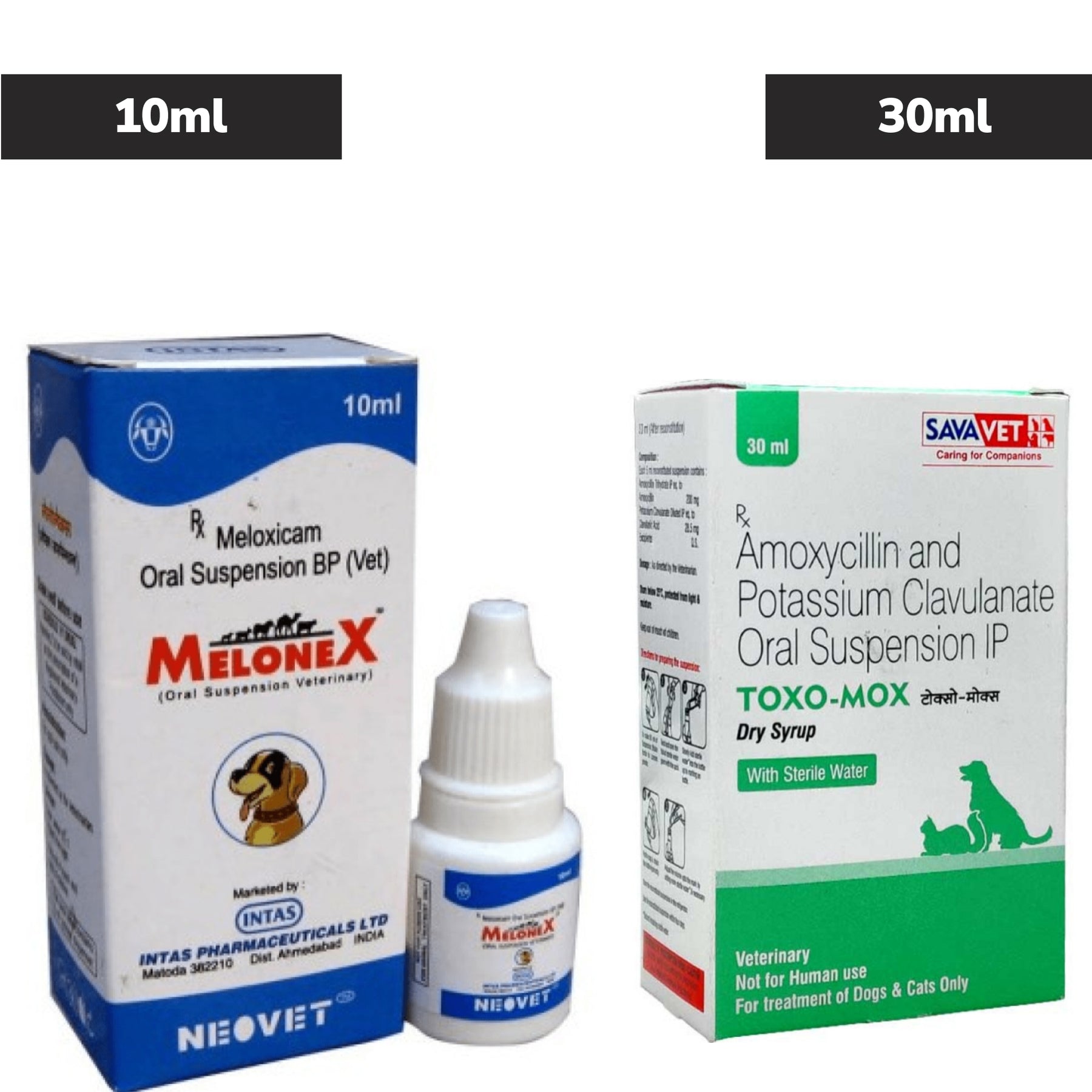
| Intas Melonex Oral Suspension for Dogs & Cats | Meloxicam | NSAID (COX-2 preferential) | Liquid | Same drug, liquid format for precise small-dog dosing |
| Oriheal Pet Paltra Tramadol Solution for Dogs & Cats | Tramadol HCl | Opioid analgesic | Liquid | For moderate-to-severe pain where NSAIDs are unsuitable |
An important clinical note on switching: if your dog has been on Melonex and your vet wants to transition to a different NSAID (Carprofen, Firocoxib), a washout period of 5 to 7 days with no NSAID is required before starting the new medication. Never switch directly between NSAIDs without this gap.
Quick Tips for Safe and Effective Use of Melonex
- Always give with food - this is not optional.
- It's the single most effective practical step to reduce gastric side effects.
- Use a proper measuring scale to confirm your dog's current weight before starting - the dose is weight-dependent, and a 3 to 5kg difference in body weight makes a meaningful difference in what constitutes the correct dose.
- Keep a simple daily log of your dog's response: appetite, stool consistency, water intake, and activity level.
- This makes it easy to spot early warning signs and gives your vet accurate information at follow-up.
- Never give Melonex alongside human pain medications such as ibuprofen, aspirin, or paracetamol - all of these are toxic to dogs and the combination with any NSAID is potentially fatal.
- Pair Melonex with joint support supplements for arthritis management - browse our dog joint care collection for glucosamine, chondroitin, and omega-3 supplements that support cartilage health alongside pain medication.
- For dogs on long-term Melonex, schedule blood tests as your vet recommends - early kidney or liver stress is detectable and manageable if caught before it progresses.
- Store the blister pack in a cool, dry place and keep it in its original packaging to avoid light degradation.
- Read this expert Supertails blog on arthritis in dogs for a complete picture of how to support a dog living with chronic joint pain beyond medication alone.
Vets Also Recommend...
- Explore all pain relief medications for dogs on Supertails.
- Browse our dog joint care supplements and medicines - glucosamine and omega-3 supplements are frequently co-prescribed alongside NSAIDs to support cartilage health and reduce the dose of pain medication needed long-term.
- Explore dog pharmacy and all medicines for your complete pet health toolkit.
- Browse the full pharmacy pain medication collection across brands and active ingredients.
- Support post-surgical recovery with our dog wound care range.
- If your dog's pain is linked to a recent injury with tissue damage, explore Vivaldis Relaxzyme wound care tablets - the systemic enzyme therapy that reduces post-injury swelling and aids tissue repair and is often used alongside NSAIDs.
- Not sure whether Melonex, Carprofen, or Firocoxib is the right NSAID for your dog's specific condition? Consult a vet on Supertails - a qualified vet can review your dog's health history, current medications, and symptoms to prescribe the most appropriate option.
Expert blogs to read alongside this product:
- Arthritis in Dogs: Causes, Symptoms & Effective Pain Relief
- Top 5 Reasons Why Your Dog Should Take a Joint Supplement
Disclaimer: Supertails' sole intention is to ensure that its consumers get information that is expert-reviewed, accurate, and trustworthy. However, the information contained herein should NOT be used as a substitute for the advice of a qualified physician. The information provided here is for informational purposes only. This may not cover everything about particular health conditions, lab tests, medicines, all possible side effects, drug interactions, warnings, alerts, etc. Please consult your doctor and discuss all your queries related to any disease or medicine. We intend to support, not replace, the doctor-patient relationship.
Bring Your Dog Back to the Life They Love
There is something quietly heartbreaking about watching a dog hold back from what they want to do - hesitating at the stairs, giving up on the walk earlier than usual, lying still when they should be playing. Pain does that. And in most cases, it doesn't have to. Intas Melonex gives your dog's vet a precise, trusted, and clinically well-established tool to address that pain - so your dog can get up more easily, move more freely, and be more fully themselves again.
Prescription required. Ten tablets. One of the most prescribed veterinary NSAIDs in India.
Add Intas Melonex 2.5mg Tablets to Cart - Shop Now
FAQs
What is Intas Melonex used for in dogs?
Melonex contains Meloxicam 2.5mg - a prescription NSAID that reduces pain and inflammation. It is used for arthritis and degenerative joint disease, musculoskeletal injuries, post-surgical pain management, and fever. It works by preferentially inhibiting COX-2 enzymes that produce pain-causing prostaglandins, providing targeted relief while being relatively more protective of the stomach lining than older NSAIDs.
How long does it take for Melonex to start working in dogs?
Most dogs show measurable improvement within 1 to 3 days of starting Melonex. You'll notice they get up more easily from rest, move more willingly, eat better, and seem more comfortable overall. For chronic arthritis management, the full benefit of consistent daily dosing typically becomes apparent over 1 to 2 weeks as the inflammation in the joints gradually reduces rather than fluctuating with each dose.
Can I give Melonex to my cat?
Only under direct, active veterinary supervision and never at the dog dose. Cats metabolise meloxicam very differently from dogs, and repeated use has been associated with acute renal failure internationally. The maximum safe dose in cats is significantly lower than in dogs, and long-term daily use is generally not recommended. If your cat is in pain, please consult a vet before giving any NSAID - a cat-appropriate pain management plan may look very different from a dog's.
My dog is already on joint supplements. Can I give Melonex at the same time?
Yes - glucosamine, chondroitin, and omega-3 supplements are generally considered safe to use alongside Melonex and are frequently co-prescribed. They work through different mechanisms: supplements support cartilage structure and reduce underlying joint degeneration, while Melonex addresses the immediate inflammatory pain. Always inform your vet of all supplements your dog is taking so they can confirm the combination is appropriate for your specific dog's health profile.
What should I do if my dog vomits after taking Melonex?
Mild, brief vomiting after the first dose or two is not uncommon and often resolves when the tablet is given with a full meal rather than on an empty stomach. If vomiting persists beyond 2 to 3 days, occurs alongside diarrhoea, or if the vomit contains blood, stop the medication immediately and contact your vet. These could be signs of gastrointestinal irritation that needs assessment before continuing treatment.
Can Melonex be given long-term for chronic arthritis?
Yes - meloxicam is one of the most commonly used NSAIDs for long-term arthritis management in dogs globally. However, long-term use requires periodic blood tests (typically every 6 to 12 months) to monitor kidney and liver function. Your vet will advise the appropriate monitoring schedule. Dogs on long-term Melonex should always have access to fresh water and be consistently dosed at the correct maintenance level - not the higher Day 1 loading dose.
Is it safe to give Melonex alongside other medicines my dog is on?
Never give Melonex alongside other NSAIDs (including aspirin), or alongside corticosteroids like prednisolone or dexamethasone - this combination significantly increases the risk of gastrointestinal ulceration and kidney damage. If your dog is on other medications such as antibiotics, heart medications, or diuretics, inform your vet before starting Melonex. Some medications affect how the kidneys handle meloxicam, which can alter both efficacy and safety.
My dog weighs 25kg. How many 2.5mg tablets should they get?
At the standard maintenance dose of 0.1mg/kg, a 25kg dog requires 2.5mg daily - which is one 2.5mg tablet. On Day 1, the loading dose of 0.2mg/kg for a 25kg dog would be 5mg - two tablets. After Day 1, one tablet daily. These are reference figures only - always follow your vet's specific prescription, as the dose may be adjusted based on your dog's health status, kidney function, and response to the medication.
My dog has been on Melonex for 3 weeks and it stopped seeming as effective. What's happening?
A gradual reduction in response can happen with any NSAID and doesn't necessarily mean the drug has "stopped working." It may indicate that the underlying condition has progressed, that the dose needs reassessment, or that a different NSAID class might be more appropriate. Do not increase the dose on your own - contact your vet for a reassessment. They may adjust the dose, switch to a different NSAID after a washout period, or add complementary management strategies like physiotherapy or joint injections.
Can I buy Melonex without a prescription on Supertails?
No - Melonex is a Schedule H prescription drug and requires a valid vet prescription for purchase on Supertails. This is a legal requirement and also genuinely important for your dog's safety, as NSAID dosing and suitability depend on weight, health history, and current medications. If you don't have an existing prescription, a Supertails vet consultation can assess your dog and provide a prescription if appropriate - it's quick, affordable, and expert-reviewed.
Delivery
You may also like