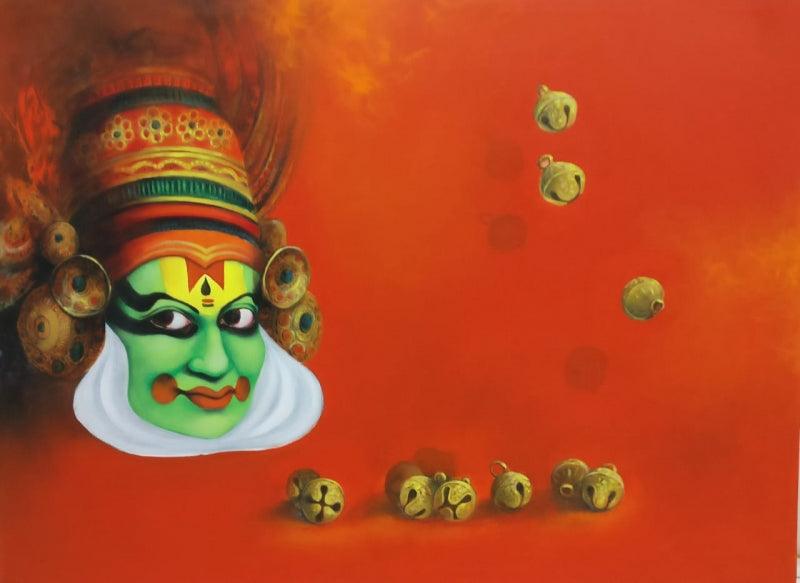
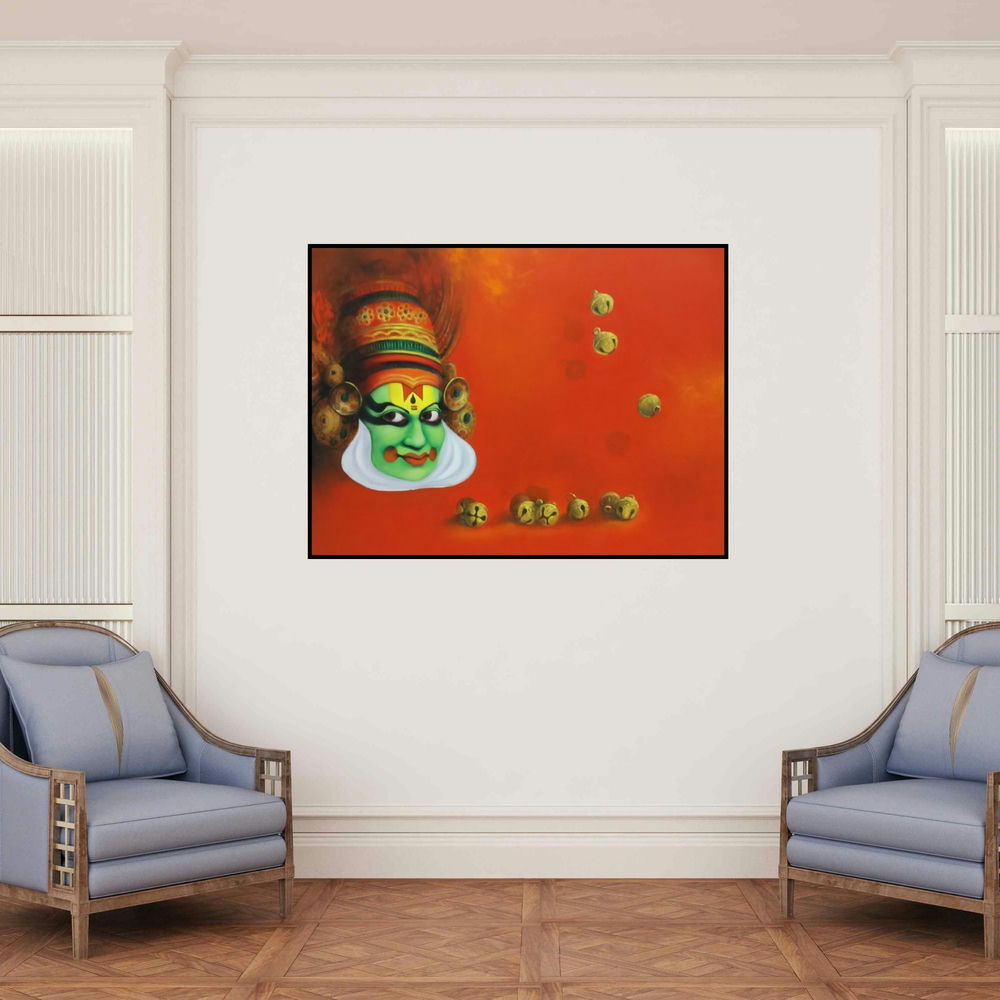
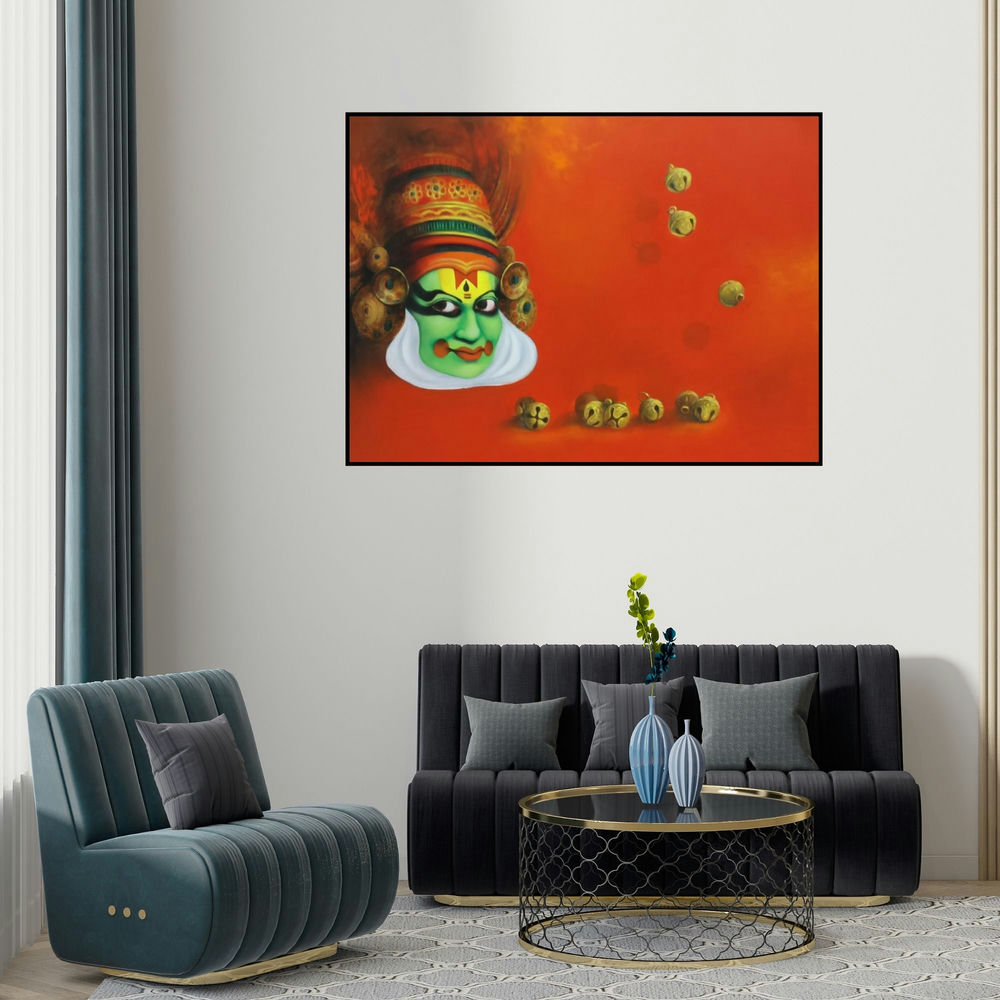
Classical Dancer Kathakali (The Dance of Rhythm)
₹122,000
● In stock · ★ 5.0 (13)checking live price…
Size
36x48Type
OriginalMaterial
CanvasSuspended in a vast vermilion field, the stylized Kathakali visage emerges like an icon half-remembered, its acidic green skin and razor-edged gaze cutting through the surrounding silence with theatrical authority. The scattered brass bells drift and settle as if sound has been made visible—ritual objects detached from the dancer’s body, suggesting a performance that lingers after the movement has ceased. This stark asymmetry and generous negative space turn celebration into contemplation, framing tradition as both living presence and echo, poised between spectacle and absence.
Delivery
You may also like
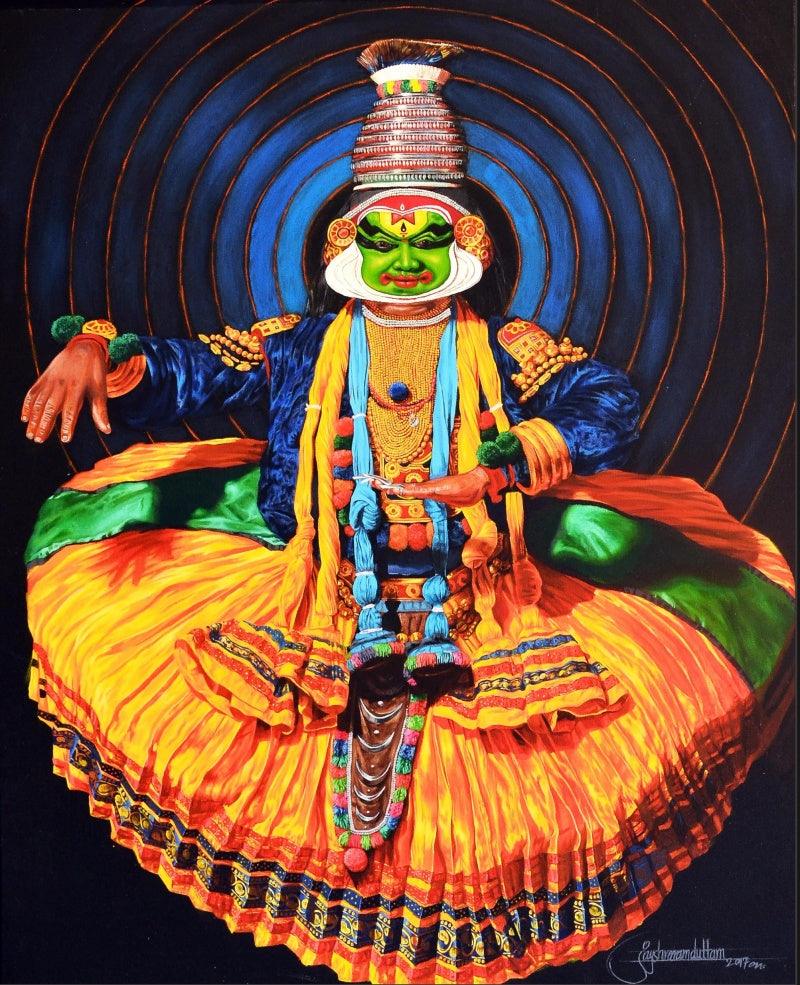
Dance Kathakali 2
Artzolo
₹160,000
out of stock
★ 4.0 (13)
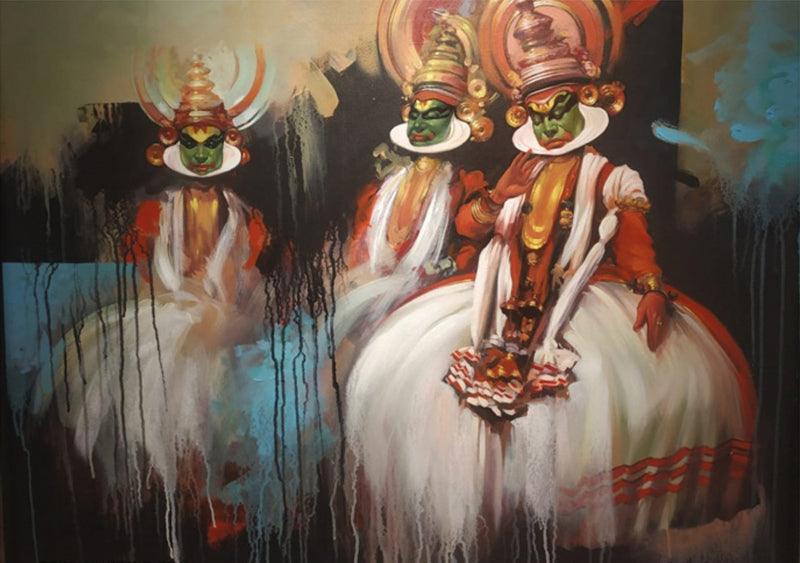
Rhythm New (The Graceful Dance of Kathakali)
Artzolo
₹60,000
★ 5.0 (11)
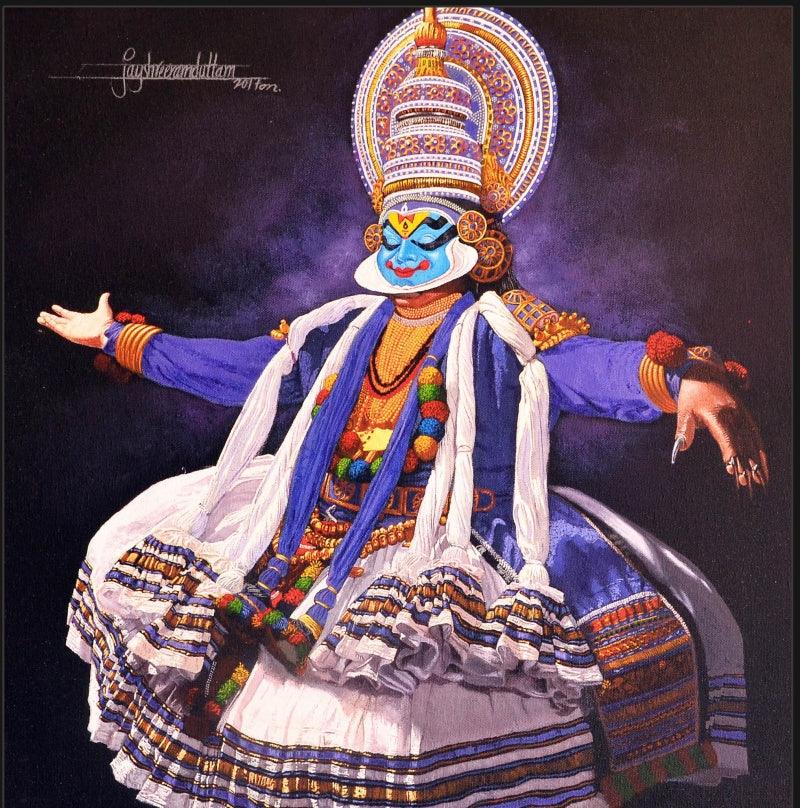
Dance Kathakali
Artzolo
₹85,000
★ 4.0 (15)
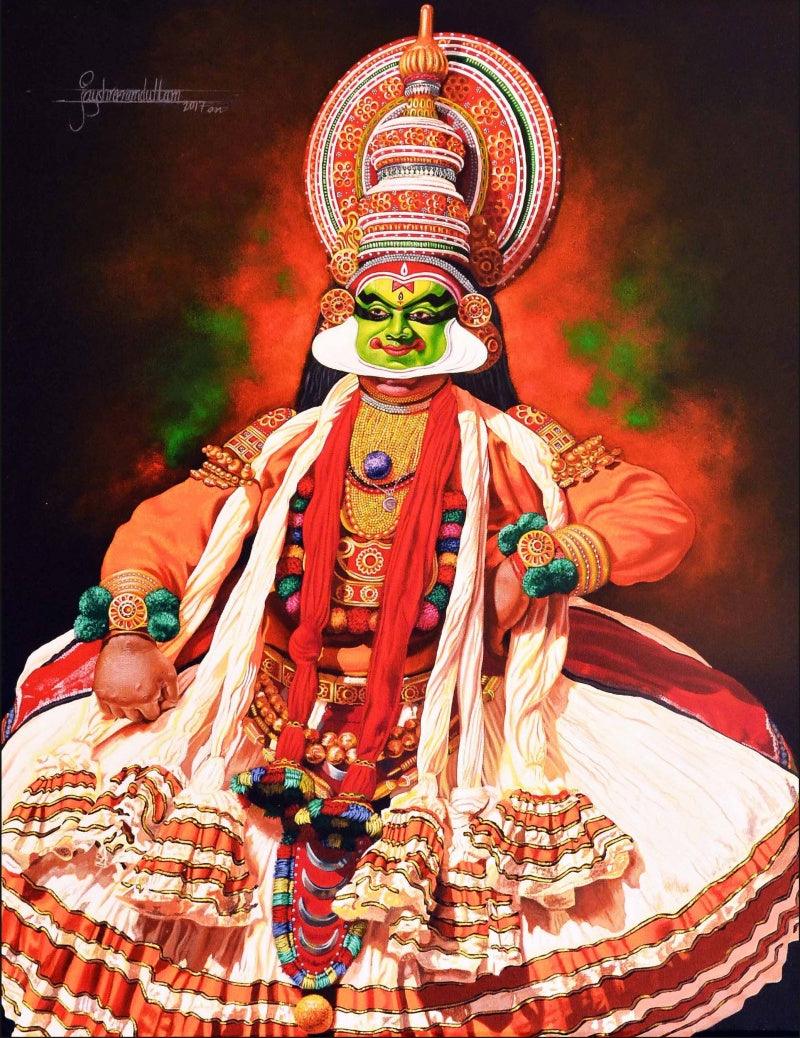
Rubab 4 (Kathakali)
Artzolo
₹160,000
★ 5.0 (6)
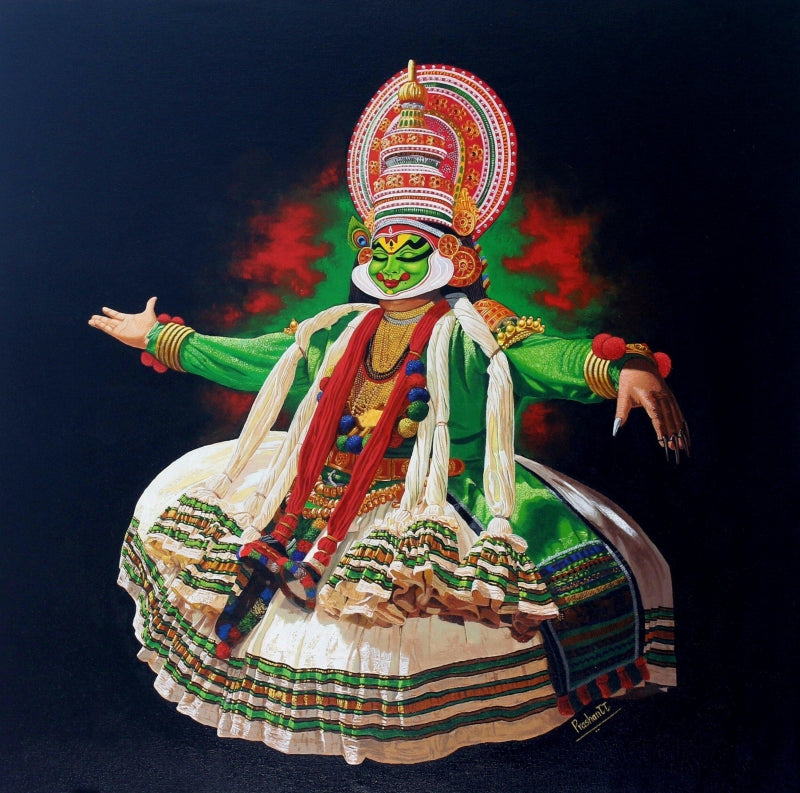
Green Kathkali 2
Artzolo
₹145,000
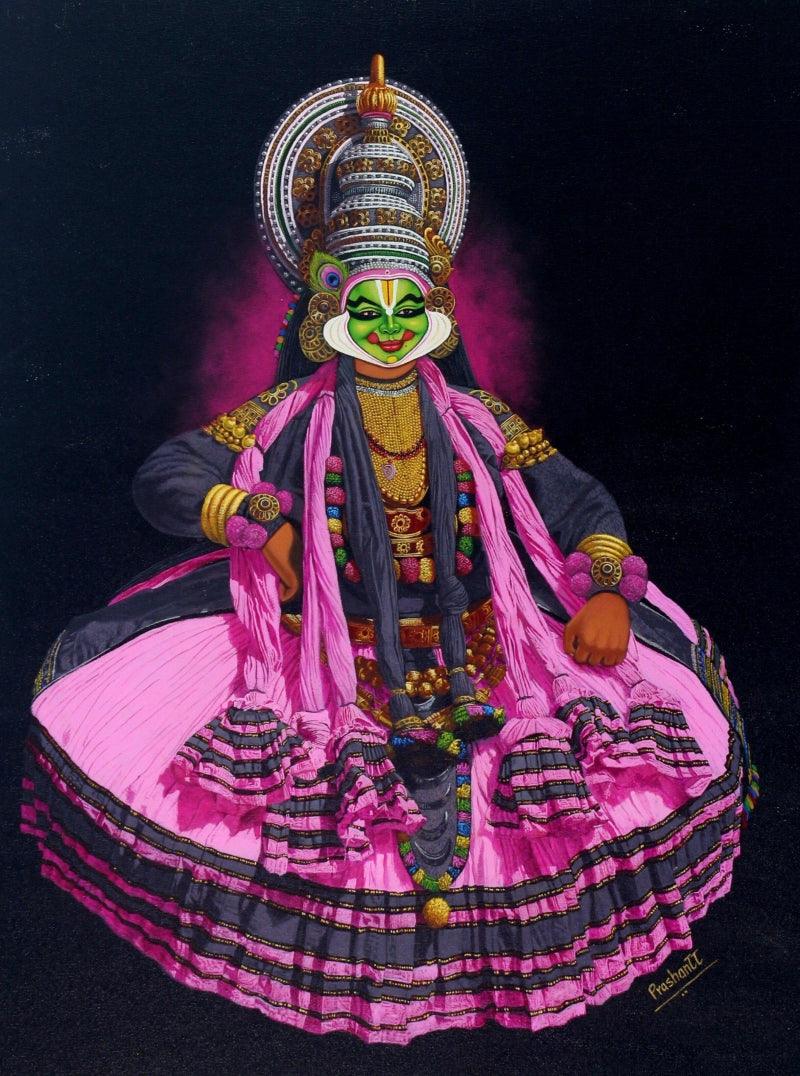
Pink Kathakali 2 (Kathakali Magnificence)
Artzolo
₹135,000
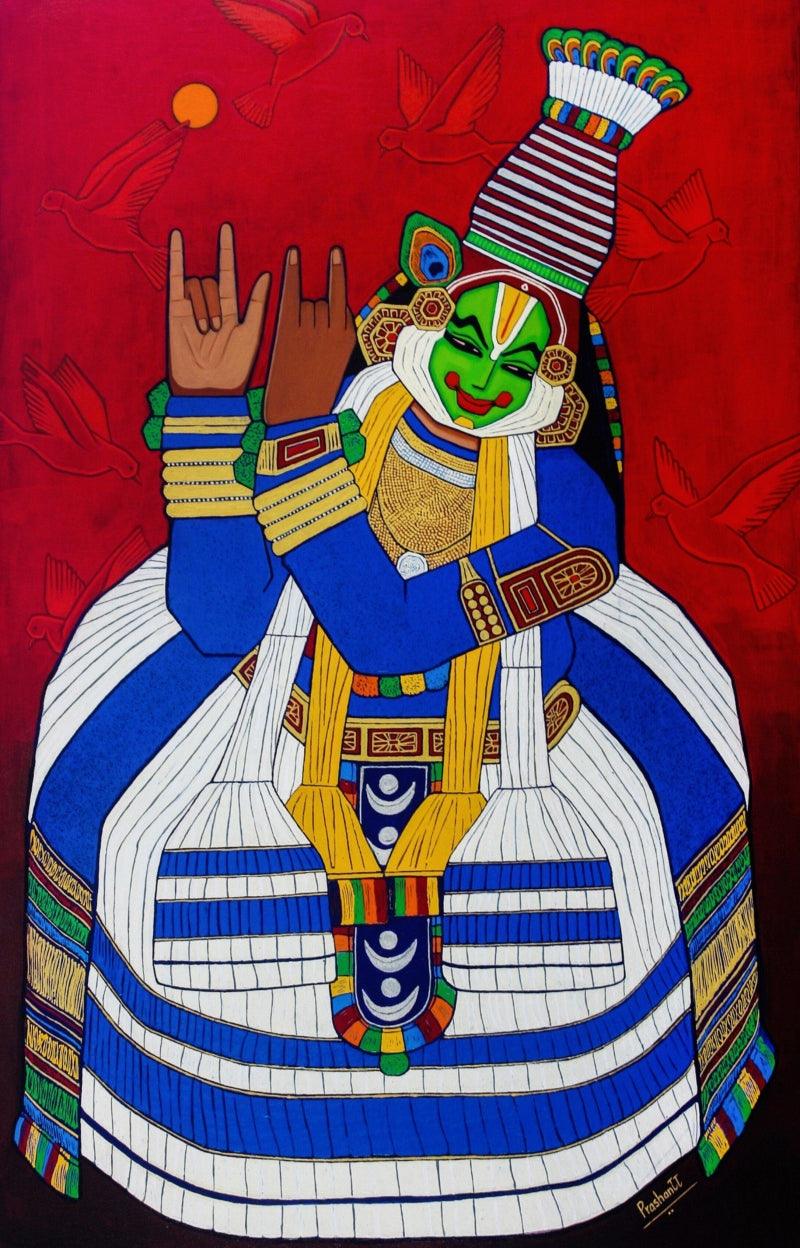
Basuri Krishna (Kathakali Rhapsody)
Artzolo
₹135,000
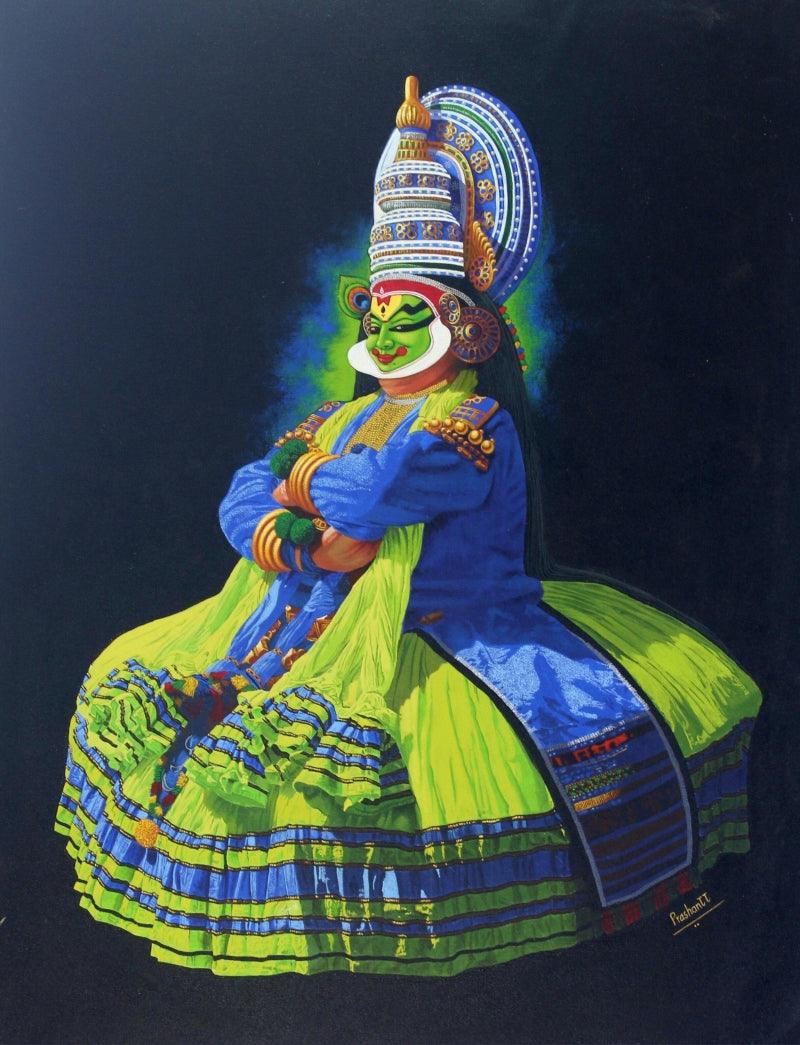
Green Kathakali (The Essence of Kathakali)
Artzolo
₹135,000