Cinchona - The Miracle Plant
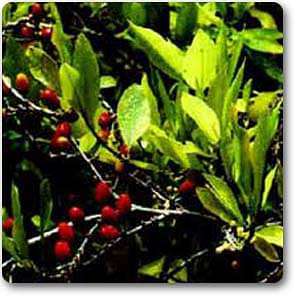
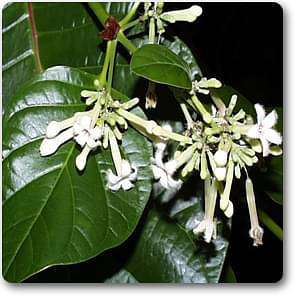
The Cinchona plant, native to the Andean forests of South America, is renowned for its bark, which contains quinine, a powerful compound historically used to treat malaria. This evergreen tree can grow up to 20 meters tall and features glossy, dark green leaves and fragrant white to pink flowers. Its medicinal properties have made it a cornerstone in traditional medicine, and it continues to be a vital resource in modern pharmacology.
What makes Cinchona special is its rich history and significant impact on global health. Once referred to as the "fever tree," it played a crucial role in combating malaria during the colonial era, saving countless lives. Today, it remains a symbol of natural healing and biodiversity, showcasing the importance of preserving our planet's flora.
One of the most remarkable features of the Cinchona plant is its ability to thrive in various environments, from tropical rainforests to mountainous regions. Its bark not only provides medicinal benefits but also contributes to the ecosystem by supporting local wildlife and maintaining soil health.
Growing Instructions
- Plant in well-draining soil with a pH of 5.5 to 7.0.
- Choose a location with partial shade to full sun exposure.
- Water regularly, ensuring the soil remains moist but not waterlogged.
- Fertilize with a balanced fertilizer every 4-6 weeks during the growing season.
Care Instructions
- Prune regularly to maintain shape and encourage bushier growth.
- Monitor for pests such as aphids and scale; treat with organic insecticides if necessary.
- Protect from frost; consider bringing potted plants indoors during colder months.
Uses
- Extract quinine from the bark for medicinal purposes.
- Use leaves in herbal teas for digestive health.
- Incorporate into landscaping for its ornamental value.
Fun Facts
- Cinchona bark was once so valuable that it was referred to as "the gold of the Incas."
- The plant's name is derived from the Countess of Chinchón, who was treated with its bark in the 17th century.
- Cinchona trees play a vital role in their ecosystem, providing habitat and food for various species.
Environmental Impact
Cinchona trees contribute to biodiversity and help prevent soil erosion in their native habitats. Their cultivation can promote sustainable practices and support local economies, making them an essential part of environmental conservation efforts.
Coupons
Delivery
You may also like