


Ayurveda and Transformational Well-Being Program
A 4-in-one collection of our most popular courses over 9 hours on Autoimmune diseases, Paleo diet, Brain health & Chronic stress, anxiety and depression with Ayurveda!
About the Courses
“One of the most powerful fundamental principles of Ayurveda is its emphasis on self-healing. Your body has the capacity to repair and heal itself, if provided the correct inputs and stimuli, no matter what its current state.”
- Dr. Akil Palanisamy
With over 9 hours of educational HD video content, this collection consists of 4 of our most popular courses:
Usually Sold at upto USD 699
1. Ayurveda & Autoimmune Diseases
Ayurvedic approach to dealing with autoimmune disorders like Hashimoto’s Thyroid Disease, Rheumatoid Arthritis, Inflammatory Bowel Disease, Celiac Disease, Eczema and Psoriasis. Strengthen your digestive fire. Change your diet and lifestyle to boost immunity. Increase energy, reduce inflammation, burn fat.
2. Ayurveda & The Paleo Diet
Ayurveda and The Paleo Diet is a one-of-a-kind guiding course, which combines the benefits of the Paleo Diet and Ayurvedic concepts that will help you lose weight, boost your energy and vitality, and begin to reverse any health challenges you might be facing.
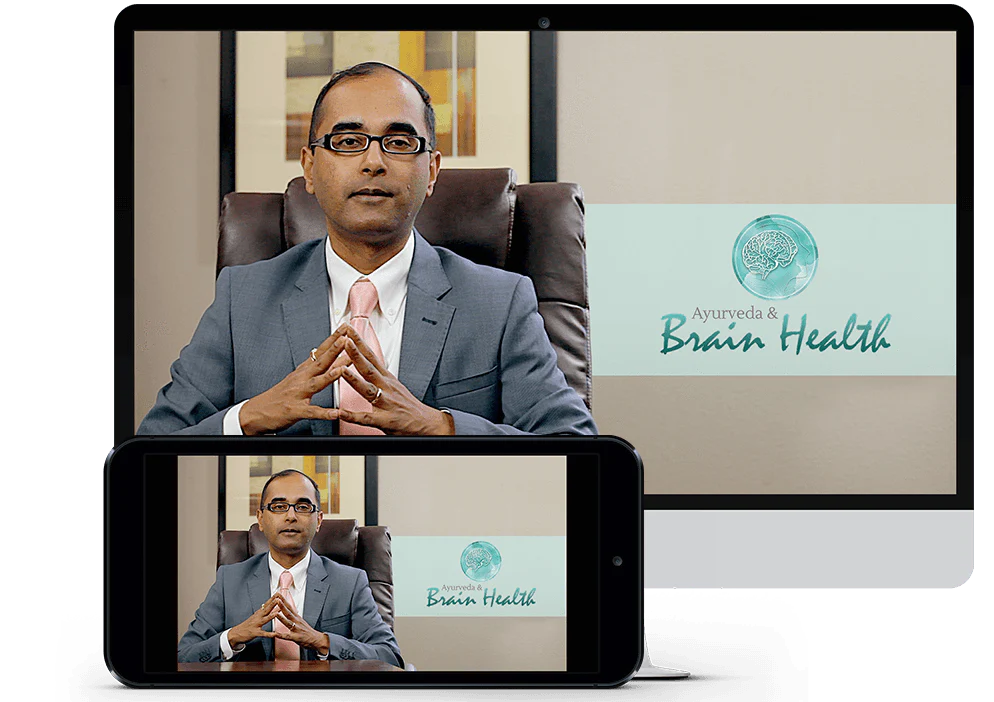
3. Ayurveda & Brain Health
Become a Super-Ager and Keep the Memory and Attention of an Active 25-Year-Old Through Your 50s, 60s, 70s and Learn the Ayurvedic Secrets for Mental Health and Minimize the Deterioration of Your Brain as You Age. Achieve Life Long Brain Health.
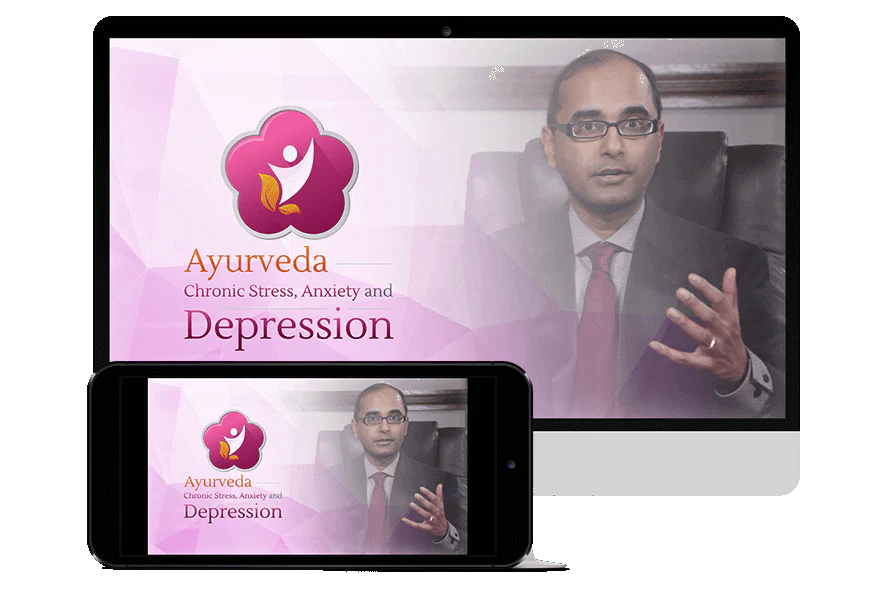
4. Ayurveda & Chronic Stress, Anxiety and Depression
Discover Some Unheard-Of Underlying Causes of Chronic Stress, Anxiety, and Depression And Address them Naturally Without Any Drugs So You Can Keep Stress-Related Disorders at Bay and Find the Way to Stay Happy, Upbeat and Energetic!
Free shipping + 60-day money back guarantee
About the Author
Dr. Akil Palanisamy, M.D.

Dr. Akil Palanisamy, a Harvard-trained physician practicing integrative medicine, combines Ayurveda and Western medicine in his clinical practice with patients in San Francisco.
After completing his undergraduate degree in biochemistry at Harvard, he performed clinical research at Harvard Medical School where he wrote his senior thesis. This was followed by medical school at the University of California, San Francisco, residency training at Stanford University, and fellowship in integrative medicine with Dr. Andrew Weil at the University of Arizona.
But that’s not it - what makes Dr. Akil unique is his in-depth study of the ancient Indian Science of Ayurveda which helps him take a holistic approach with his patients and show exceptional results of recovery and healing.
He studied Ayurveda in India at the Arya Vaidya Chikitsalayam in Coimbatore and completed clinical training with his guru Dr. L. Mahadevan in Derisanamcope, Tamil Nadu at the Sri Sarada Ayurvedic hospital.
As a Harvard trained MD, Dr. Akil integrates a strong scientific background in biochemistry and Western Medicine with training in Ayurveda and study of ancestral societies around the globe. This unique background enables him to seamlessly blend Ayurvedic principles with the latest research in nutrition, food science, and medicine. Dr. Akil is known to provide definitive, practical health information based on cutting-edge research and clinical experience.
Course Contents: Ayurveda & Autoimmune Diseases
Part 1: Introductory Module: Determining and Analyzing the Root Cause of Ill-Health
- An interesting case study about the transformative power of Ayurveda
- Why is it the nature of the body to heal itself?
- What even doctors don’t know about your body
- What is an autoimmune disease?
- Learn about the dhatus – our various tissues or organs
- How do energies interact to create our unique physiology – learn about Vata, Pitta and Kapha
- Why are autoimmune diseases rising at an alarming rate globally?
- The elephant in the room: Western medicine and its healing deficit
- How does Ayurveda work to close this deficit and heal gracefully?
- What are the six stages of pathogenesis or the way all disease progresses in the body?
- The correlation of Ayurveda pathogenesis with Allopathy
- Why is it already too late by the time allopathic medicine even catches a disease?
- What makes the Ayurvedic perspective on catching and healing a disease so distinct and effective?
- We are energy: the five crucial elements of heat flow in the body
- The paramount importance of Agni or the digestive fire
- What happens when the Agni grows weak?
- And what happens when toxins from your gut enter the bloodstream?
- The fallout of breakdown in cellular communication
- The role your genes play in disease
- Other factors that contribute to autoimmune disease
- Why stress is the spark to the tinder of nascent disease
- Leaky Gut: the one imbalance common to all pathways of autoimmune disease
- Hope begins when we begin to treat Agni imbalance and leaky gut syndrome.
Part 2: The Root Cause Leads Us Back to the Solution: Healing the Gut and the Immune System
2.1 Dietary Changes to Heal Your Leaky Gut and Restore Your Immune System
- Determining which elements dominate your prakruti or unique physiology
- Why the food you eat should be in-sync with your prakruti
- Learn which foods are unnatural for you and why you need to eliminate them NOW
2.2 Why Cleansing and Detoxification Are Step Two of Healing
- The role of toxins in blocking energy flow
- Eliminating the toxins that have accumulated in your body for decades through:
- Oil-pulling
- The neti pot and Nasya
- Abhyanga and the infused oils you ought to use
- Sweating
- Moving the rasa or lymph
- Hydrotherapy
2.3 How to Boost Your Immune System and Strategies to Keep Disease Away
- Secret and powerful strategies to build a formidable immunity
- Which rasayana or rejuvenating formula can kick-start your sluggish immune system
- Supplements and food habits that harness your Ojas or energy
- Learn the right daily routine to balance your body’s rhythms and cycles
2.4 Going Ga-ga Over Ghee: the Therapeutic Use of Ghee
- How to make your own ghee
- How to infuse key herbs and supplements into ghee
- Herbs with antifungal, antiviral and antibacterial properties
- Unique ghee recipes for your unique prakruti
2.4 The Power of Spices to Heal physiological Imbalances
- Incorporating spices for multiple health benefits
- The four disease-causing biochemical mechanisms and by-products of metabolism spices have been proven to reverse and neutralize
- Alpha spices you cannot omit from your diet
- Which oxygen product is bad for us and how spices can neutralize it
- How spices calm down chronic inflammation
- How spices fight the by-products of metabolism to lift energy levels and give you better skin
- Reversing the biochemistry of aging
- How excess of any kind is bad and how “sweet” energy must be balanced by spices
- Spice as medicine: the irreplaceable value of spices in healing the gut
2.5 Breathe Easy: The Right Way to Perform Pranayama and Unblock Energy Flows
- What is Prana
- Why is its flow such an important element of optimal bodily function?
- The benefits of strengthening Prana through pranayama
- Which pranayama techniques should you adopt and why
2.6 The Importance of Bringing Mind and Body into Synergy
- The role of stress in precipitating disease
- Purifying nadis or energy channels
- How mental and emotional health mirrors your physical being
- Learning how to calm the parasympathetic nervous system
- What is Neuroplasticity and why is it such an important concept
- Mind-body techniques
- How to practice meditation for better health
Part 3: A Detailed, Comprehensive and Intelligent Plan for Treating 5 Common Autoimmune Diseases
3.1 Hashimoto’s Thyroid Disease
- How Dr. Akil helped normalize one patient’s thyroid levels in six months, restored her energy levels and reversed her stubborn weight gain
- Botanical treatments for balancing Kapha – a key player in thyroid disorders
- Important herbal supplements
- Therapies and diet modifications
3.2 Rheumatoid arthritis
- Modify your diet according to affected doshas
- Eliminate food causing allergies and sensitivities
- The herbs and spices that heal the digestive tract in Thyroid disorders
- How topical therapies can get the energies moving and are absolutely essential
3.3 Inflammatory bowel disease (ulcerative colitis and Crohn's disease)
- How a patient with painful irritable bowel syndrome was healed, reporting an 80% relief in symptoms in three months of being on Dr. Akil’s treatment
- Which dosha absolutely needs to be balanced to heal all digestive disorders and how
- The role of intestinal bacteria in gut health
3.4 Celiac Disease
- How gluten affects the digestive tract
- Strategies to strengthen the gut
- How to achieve remission
3.5 Eczema and Psoriasis
- How food itself is medicine
- Powerful herbs that heal the skin
- Learn about the important concept of gut-skin axis
- Why healing your skin begins in the digestive tract
Course Contents: Ayurveda & Paleo Diet
- Paleo Is a Starting Point
- Paleo Must Be Individualized
- What the Caveman Really Ate
- Healthy Starches Were Part of the Paleolithic Diet
- Lessons from Weston Price
- The Blue Zones - Lessons for Living Longer
- Eat Anything You Want - Except a Western Diet
- The Power of Social Connection
Carbohydrates
- How Many Carbs Should You Eat?
- Removing Refined Carbs Helps Everyone
- Addiction to Wheat Is Biochemical
- Changes in the Microbiome Predispose to Gluten Sensitivity
- Not Your Grandmother’s Wheat
- Genetically Engineered Wheat
- Certain People Can Eat Wheat and Be Healthy
- Healthy Starches – What You Should Be Eating
Fats
- Good Fats vs. Bad Fats
- Is Saturated Fat Harmful?
- Coconut Oil
- Monounsaturated Fats
- Polyunsaturated Fats: Omega-3 vs. Omega-6
- Palm Oil
- Ghee
- How to Make Your Own Ghee
The Importance of Protein
- How Much Protein Should I Eat?
- Full-Fat Dairy Protects against Diabetes
- Low-Fat Dairy Can Be Harmful to Health
- Let’s Talk About Meat
- Can I Be a Healthy Vegetarian?
- Choosing the Best Quality Meats—How to Read Labels: Beef, Poultry,Eggs
- NUTRIENT DENSITY. (This is another area where the Paleo diet has a lot to offer because it is a very nutrient-dense diet. Here you’ll learn about maximizing the amount of nutrients you get out of your fruits and vegetables.)
Exercise
- 3 Paleo secrets to optimal physical activity and exercise
- High-intensity interval training (HIIT)
- Increasing Resistance to Reduce Injuries
- Customize Your Exercise According to Ayurveda
- Putting it all together
- My Philosophy on Food
- The Doctor’s Diet
- Foods to Avoid in the Paleovedic Diet
- Foods to Eat Every Day
- Foods to Eat Frequently (4 - 5 days/week)
- Foods to Eat Frequently for Some People (up to 4-5 days/week - these are gray-area foods that some people do not tolerate but others thrive on. You can consume these foods frequently if you tolerate them well.)
- Foods to Eat Rarely (1 day/week or less)
- How Much to Eat
- Portion Size for Meals
- Last Words on Diet
Course Contents: Ayurveda & Brain Health
Module 1: Superagers
- What are “superagers”?
- What brain scan research revealed about the difference between superagers and people of similar age
- The overlap between “cognitive” and “emotional” brain regions
- The relationship between the size of your cortex and your mental performance
- How do you become a superager?
Module 2: The Ayurvedic Approach
- The 3 Doshas and Prakruti
- The 7 Dhatus (vital tissues that provide nourishment, structure and growth to the human body
- The Srotas (the channels in the body)
- Subdoshas
- Samprapti: Ayurvedic Pathogenesis- A six-stage model that explains how disease develops
- Ayurvedic Psychology
- Khavaigunya: the defective space where Dementia and Alzheimer’s develop
- Dementia and Alzheimer’s
- Classical Treatments
Module 3: Integrative Medicine Approach to Brain Disorders
- Rise in Brain Disorders
- Contributing Factors to Dementia
- Chronic Inflammation
- Common Drugs that May Increase Risk of Dementia
- Solutions to Brain Dysfunction
- The Impact of Technology
- The MIND Diet
Module 4: Ayurvedic Perspective on Diet for Brain Health
- Ayurvedic Strategies to Strengthen Agni
- Diet and lifestyle guidelines
Module 5: Integrative Medicine Strategies for Optimal Brain Function
- Identify and Treat Depression
- Diagnose and Treat Chronic Infections
- Test for Food Sensitivities
- Balance Blood Sugar
- Optimize the Microbiome and Heal Leaky Gut Syndrome
- Leaky Gut – Leaky Brain
- Gut-Brain Axis
- Why Leaky Brain Matters
- My Top 5 Brain Foods
- Optimize Microbiome – Probiotics
- Sleep
- Exercise
- Intermittent Fasting
- The Role of Toxins in Brain Disease
- Detoxification
- Ayurvedic Detoxification
- The Effects of Chronic Stress on the Brain
- The Effects of Meditation on the Brain
- My Top 5 Ayurvedic Supplements for the Brain
- Challenge Your Brain
- Maintain a Positive Attitude
- Manage Your Emotions Well
- Gratitude and Forgiveness
- The Lesson of Placebos
- Spirituality
Module 6: Some Final Thoughts on Age
- Age is a Mental State
- As you age, you do not automatically have to lose brain function and develop dementia
- Age should not be used as an excuse for not feeling well
- In my practice, I do not accept the excuse “I must be getting old” as an explanation for any symptom
Course Contents: Ayurveda & Chronic Stress, Anxiety and Depression
1. Introduction
1.1 The state of mental health around the globe
1.2 Flaws in the pharmaceutical treatment of Depression
1.3 What is Depression and the criteria that you can use to identify it
1.4 Anxiety and its main symptoms explored
1.5 Chronic stress and how you can draw a line between 'good stress' and harmful stress
1.6 How stress affects your body
1.7 The Flight or Fight Reaction: Understanding your body's defense mechanism
2. Symptoms and causes of Depression, Anxiety, and Chronic Stress
2.1 What are the common causes of Depression and Anxiety
2.2 Understanding the 'inflammation model' of Depression and LPS
2.3 What you did not know about the 'Leaky Gut Syndrome' and its relation to Depression and Anxiety
2.4 What Ayurveda tells you about Depression
2.5 Vata-type Depression: What are the causes and how you can identify it through the symptoms
2.6 Pitta-type Depression: What causes it and how does it manifest in an individual
2.7 The causes behind the Kapha type of Depression and how you can identify it
2.8 Understanding the implications of Weill Cornell Medicine's collaborative study on biomarkers in Depression
3. Treatment of Depression, Anxiety, and Chronic Stress
3.1 Diet Changes: How can people of all doshas fight these ailments by making informed diet modifications
3.2 What changes you can make in your lifestyle to deal with Depression, Anxiety and Chronic Stress
3.3 General guidelines for you to follow
3.4 Cognitive Behavioral Therapy (CBT), Transcranial Magnetic Stimulation (TMS), Electroconvulsive Therapy (ECT): Medicinal treatments for depression explained
3.5 Individualized treatment of Vata type Depression
3.6 The diet and herbs you should consume, the lifestyle and exercise recommendations you should follow for Pitta type Depression
3.7 Individualized treatment recommendations that provide a personalized plan to fight Kapha-type Depression
4. Symptomatic Relief
4.1 How you can treat the symptoms rather than the cause for short term relief
4.2 Herbal remedies and traditional therapies that you did not know about
Details
| Net Quantity | for Meals Last Words on Diet |
Delivery
You may also like