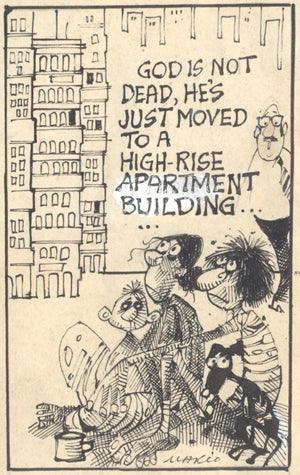
Untitled 72
₹65,000
Out of stock · ★ 5.0 (11)checking live price…
Size
5x3Type
OriginalMaterial
PaperRendered with the economy of a newspaper cartoon and the bite of a street-side sermon, the cramped composition stacks anonymous windows into a silent monument of modern faith—an architecture that replaces transcendence with tenancy. The handwritten proclamation, hovering like a billboard of doubt, turns theology into real estate, while the clustered figures at the bottom read as both congregation and casualties of the city’s vertical indifference. In this tension between towering façade and compressed humanity, the work suggests that divinity hasn’t vanished so much as been bureaucratized—relocated into the same crowded systems that govern daily survival.
Delivery
You may also like
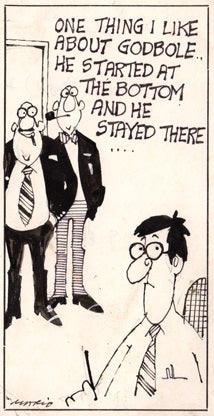
Untitled 157
Artzolo
₹65,000
out of stock
★ 4.0 (14)
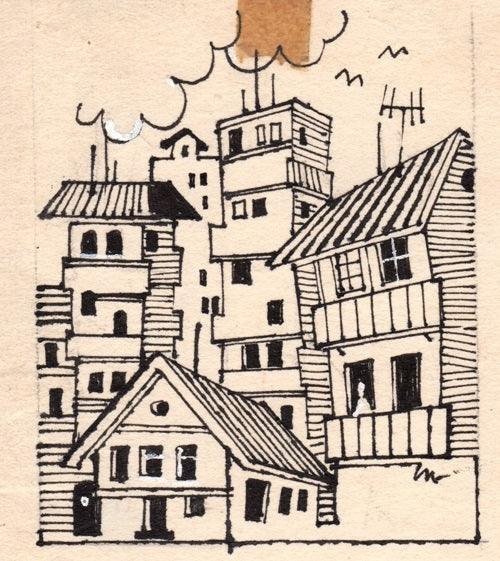
Untitled 83
Artzolo
₹40,000
out of stock
★ 5.0 (11)

Untitled 73
Artzolo
₹75,000
out of stock
★ 4.0 (13)
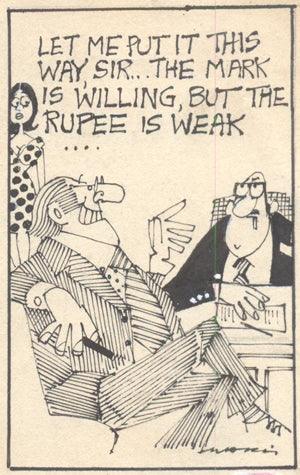
Untitled 87
Artzolo
₹75,000
out of stock
★ 4.0 (14)
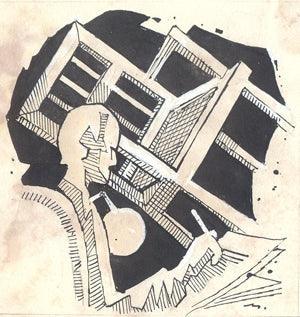
Untitled 256
Artzolo
₹80,000
out of stock
★ 5.0 (13)

Untitled 221
Artzolo
₹50,000
out of stock
★ 5.0 (6)
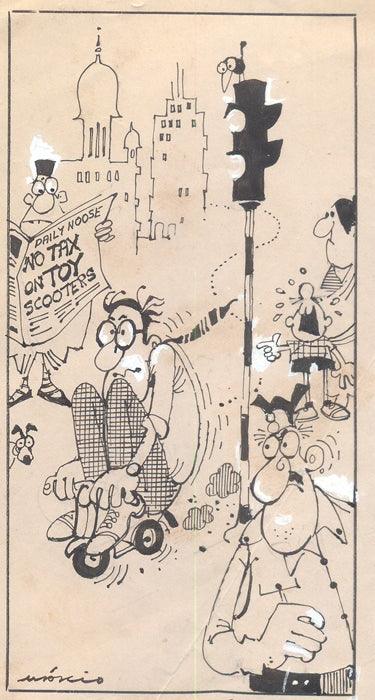
Untitled 93
Artzolo
₹80,000
out of stock
★ 4.0 (7)
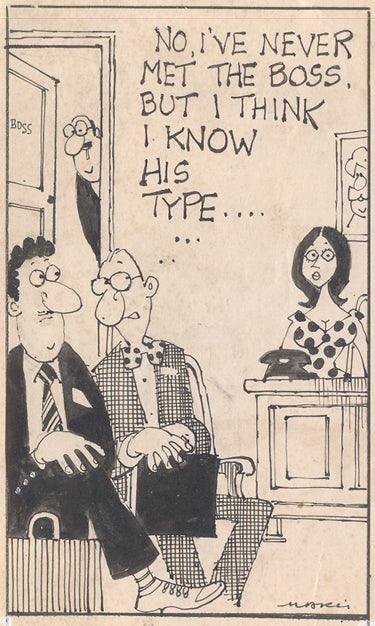
Untitled 148 (Knowing the Boss's Type)
Artzolo
₹78,000
★ 4.0 (5)