Long Pepper, Pippali - Plant
Long Pepper, Pippali - Plant
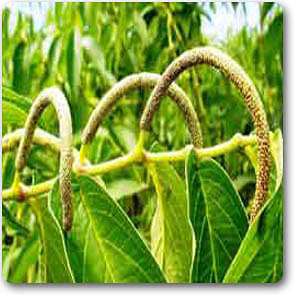
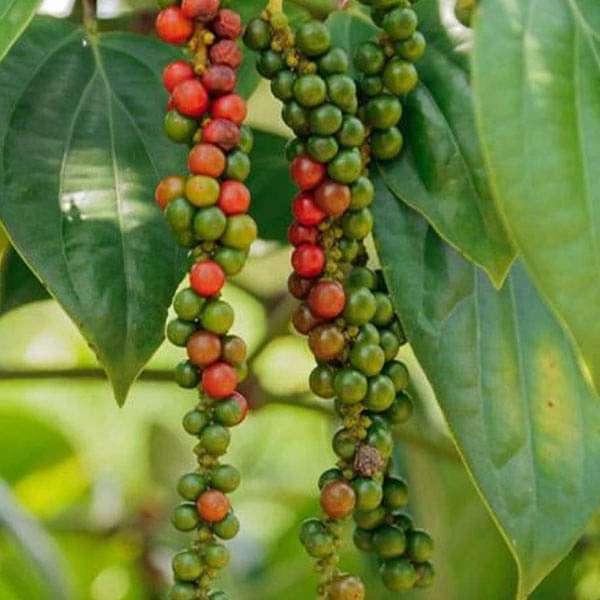
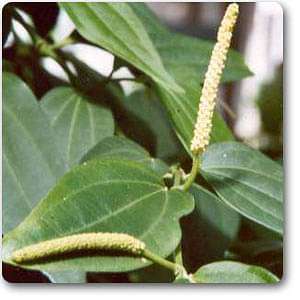
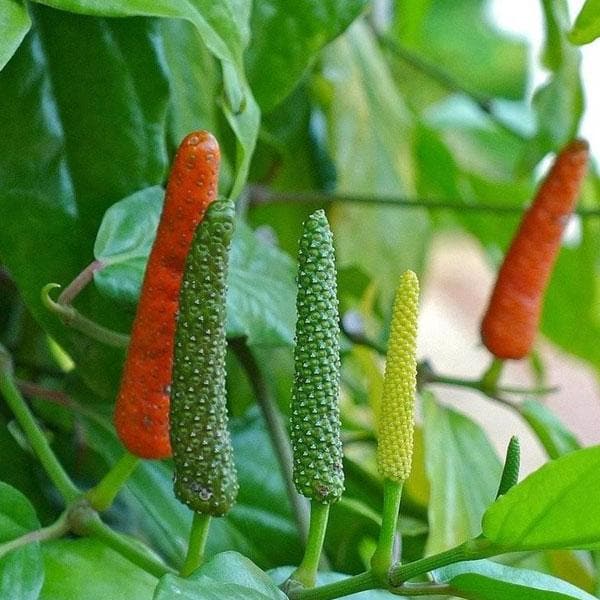
Long Pepper, scientifically known as Piper longum, is a perennial climbing vine native to the tropical regions of India and Southeast Asia. Renowned for its unique flavor profile, this spice has been a staple in traditional Ayurvedic medicine for centuries. The plant produces elongated, spiky fruit that is harvested for its aromatic and pungent qualities, making it a sought-after ingredient in culinary and medicinal applications.
What makes Long Pepper special is its complex flavor, which combines heat with a hint of sweetness and a touch of earthiness. Unlike black pepper, Pippali is less common but offers a distinctive taste that elevates dishes and provides numerous health benefits. Its historical significance dates back to ancient trade routes, where it was valued as a spice and a medicinal herb.
One of the special features of Long Pepper is its ability to thrive in diverse environments, making it an excellent choice for home gardeners and spice enthusiasts alike. Its adaptability and resilience contribute to its popularity, while its rich phytochemical profile supports various health benefits, including digestive health and respiratory support.
Growing Instructions:
- Plant in well-draining, fertile soil with a pH of 6.0 to 7.0.
- Provide partial shade; ideal temperatures range from 20°C to 30°C (68°F to 86°F).
- Water regularly to keep the soil moist but not waterlogged.
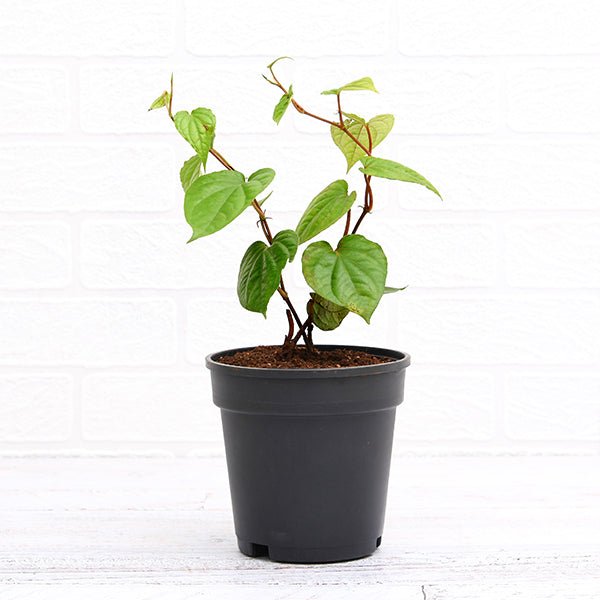
- Support the vine with a trellis or stake as it grows.
Care Instructions:
- Fertilize every 4-6 weeks with a balanced organic fertilizer.
- Prune regularly to encourage bushier growth and remove any dead or diseased leaves.
- Monitor for pests like aphids and spider mites; treat with organic insecticidal soap if necessary.
Uses:
- Use in cooking to add depth to curries, soups, and marinades.
- Incorporate into herbal teas for digestive and respiratory benefits.
- Utilize in traditional Ayurvedic remedies for its anti-inflammatory properties.
Fun Facts:
- Long Pepper was once more popular than black pepper in ancient times.
- It is known for its potential to enhance the bioavailability of other herbs and spices.
- The plant can live for several years, producing fruit annually once established.
Environmental Impact:
Long Pepper cultivation promotes biodiversity and can be grown in agroforestry systems, contributing to soil health and ecosystem balance. Its ability to thrive in various climates makes it a sustainable choice for spice production, reducing the need for chemical fertilizers and pesticides.
Coupons
Delivery
You may also like