Bitter Truth Of Humanity
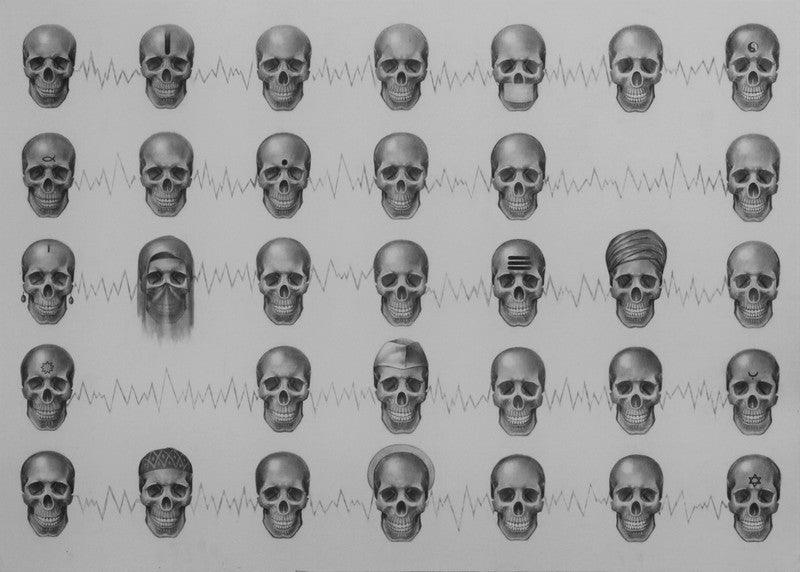
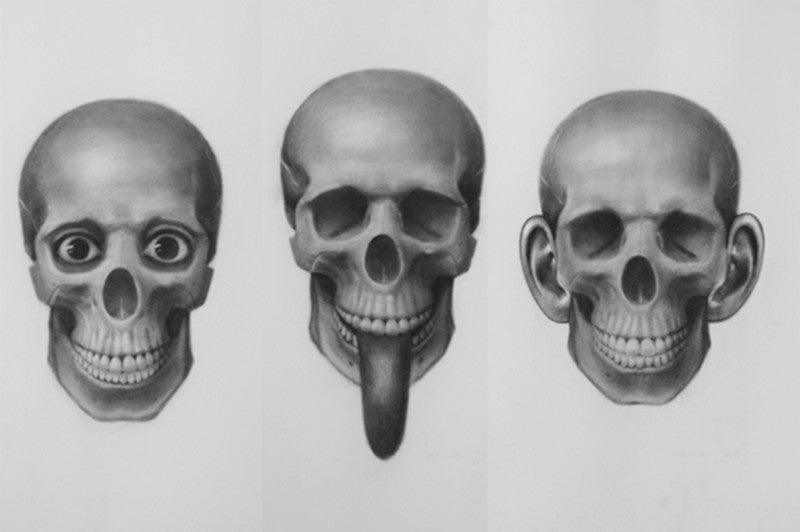
Rendered with clinical grayscale precision, the triptych presents three skulls as a study in how identity persists even after the body is reduced to structure—each visage subtly altered, yet equally insistent. The left skull’s widened, almost childlike ocular voids introduce a disquieting animation, while the central skull’s protruding tongue interrupts the memento mori with a gesture that reads as both mockery and last breath. Against the blank field, light glides over bone like a quiet spotlight, turning anatomical exactitude into a meditation on perception: we project personality, humor, and vulnerability onto what should be mute. The repetition becomes a rhythm of variation, suggesting that mortality is a constant, but the ways we perform ourselves—fearful, defiant, resigned—are infinitely rehearsed.
Delivery
You may also like