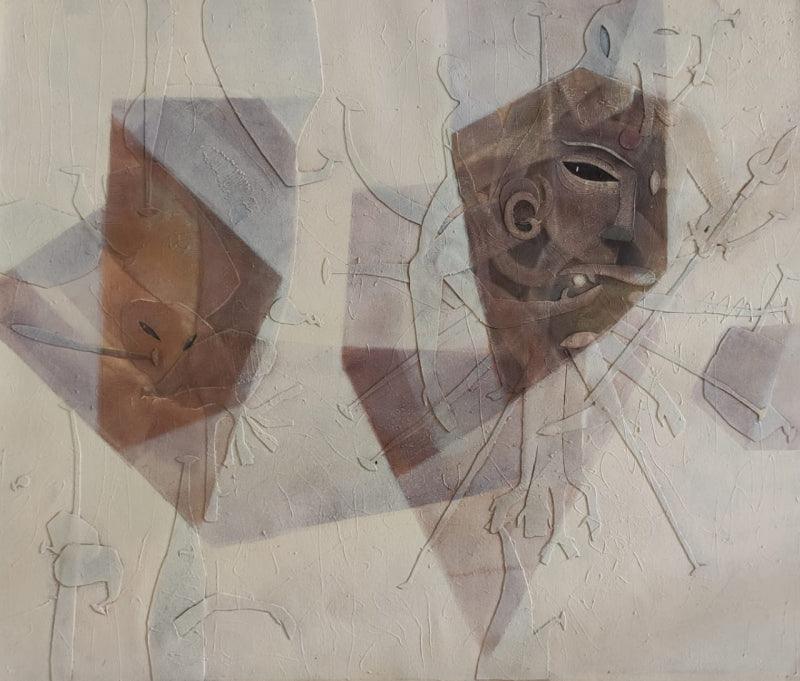
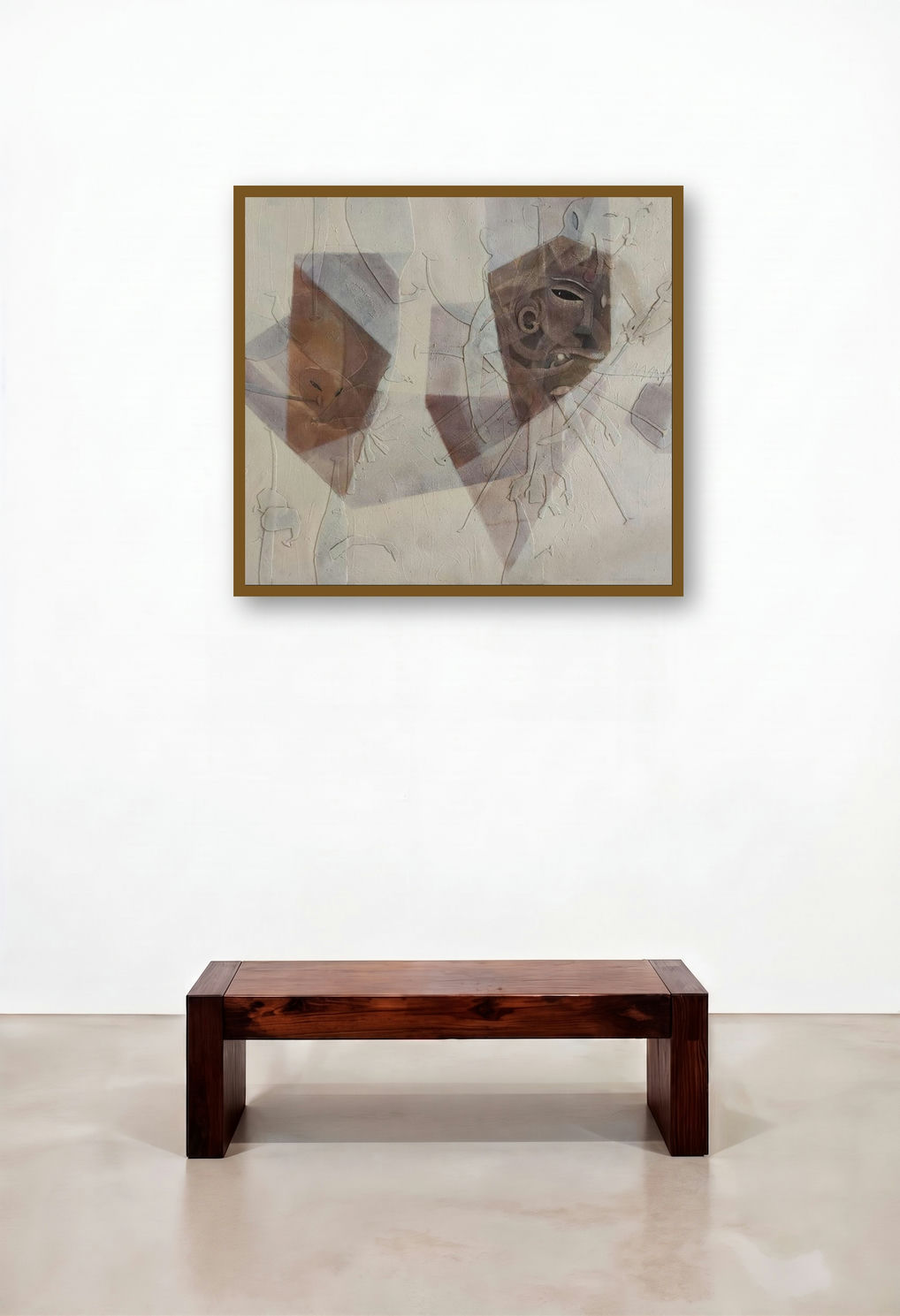
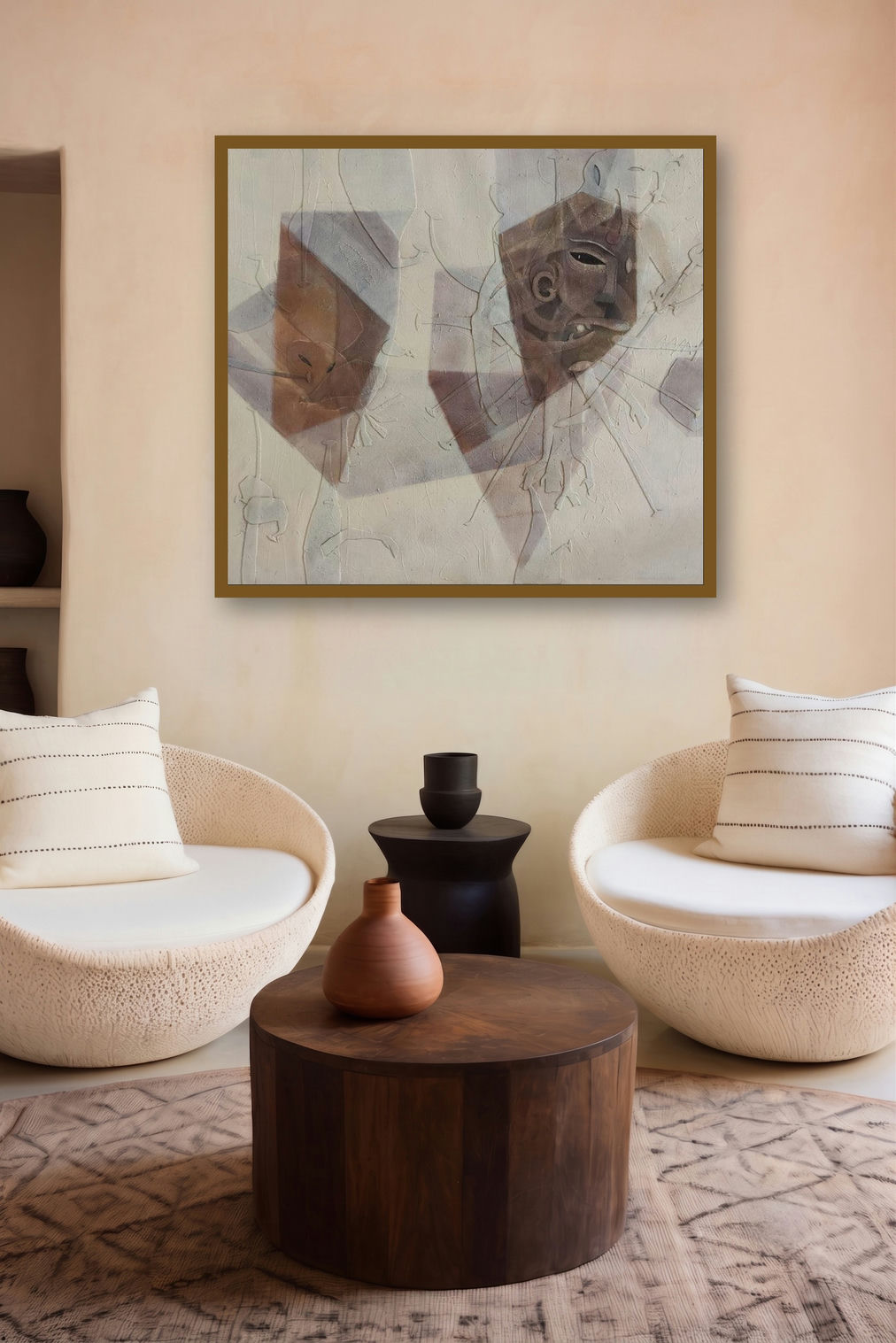
Hide And Seek 2 (Interconnected Forms**)
₹36,000
● In stock · ★ 5.0 (15)checking live price…
Size
30x36Type
OriginalMaterial
CanvasSuspended within a pale, stucco-like field, two mask-like faces emerge as if excavated from memory—one receding into silence, the other meeting the viewer with a guarded, enigmatic calm. The limited palette of ash, sand, and bruised umber turns light into a veil rather than illumination, while etched, wandering lines fracture the space like hairline cracks in time. This tension between apparition and erasure suggests an inner archaeology: identity not as a fixed portrait, but as a layered surface repeatedly inscribed, abraded, and remade.
Delivery
You may also like
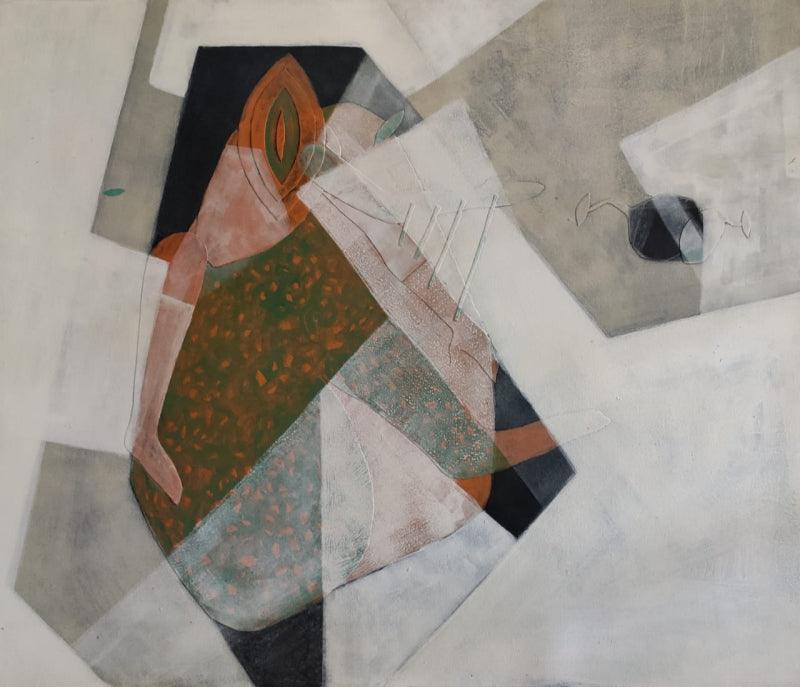
Hide And Seek (Fragments of Form)
Artzolo
₹40,000
★ 4.0 (5)
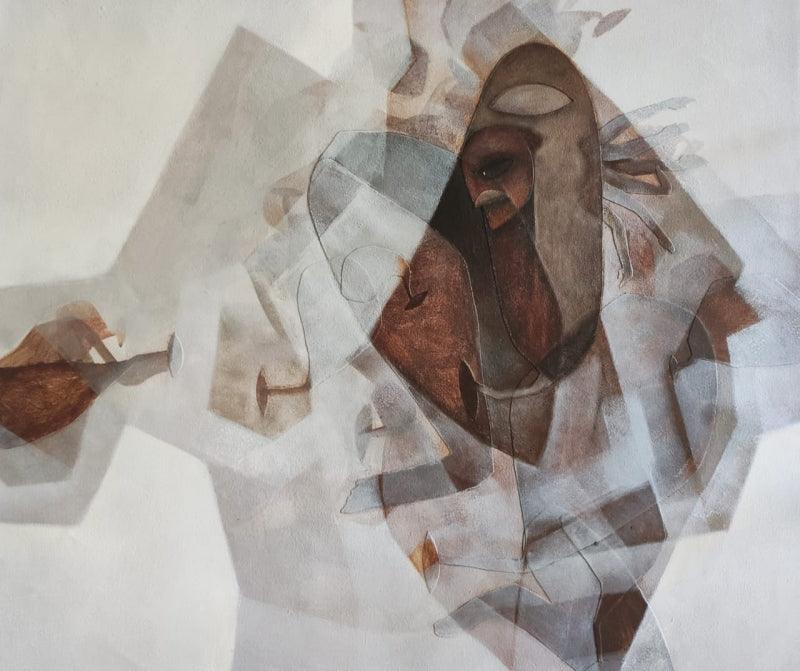
Multiple Reality (Interconnected Forms**)
Artzolo
₹36,000
★ 5.0 (6)
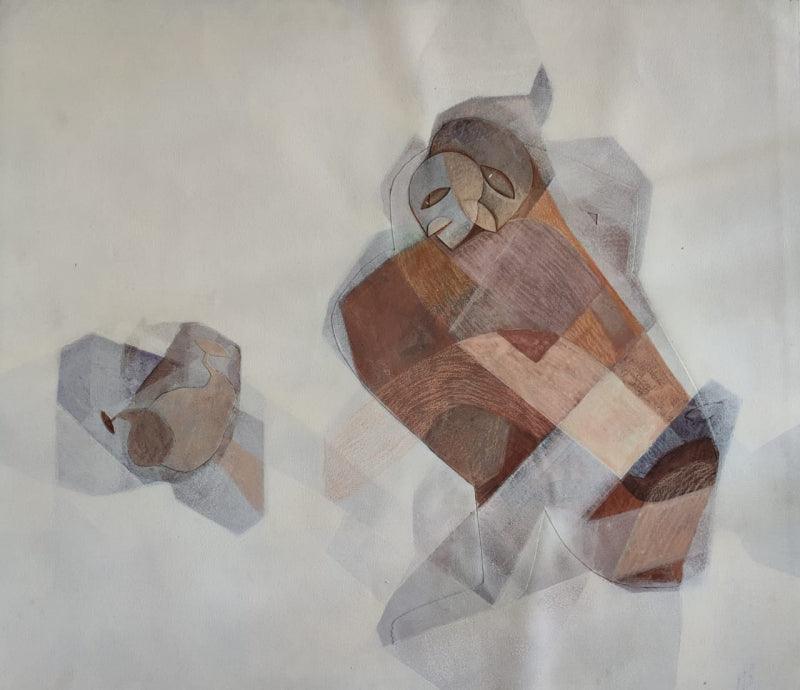
Function (Interconnected Forms**)
Artzolo
₹37,500
★ 4.0 (6)
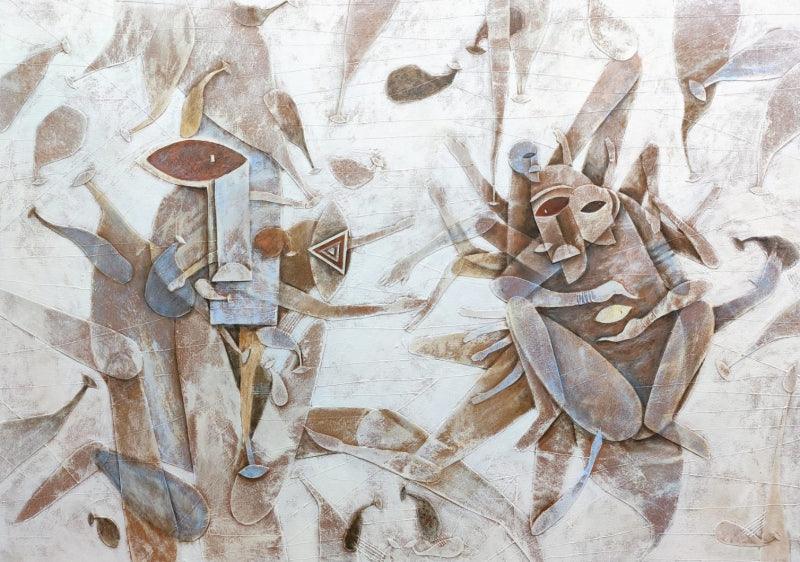
Preservation Of Soul (The Dance of Existence)
Artzolo
₹53,000
★ 5.0 (12)
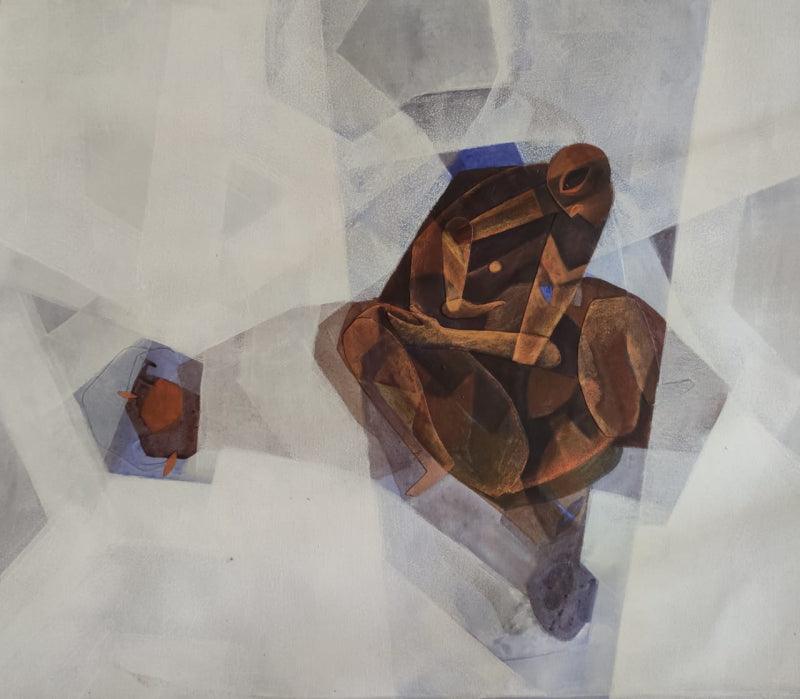
Cosmic Play (Hidden Depths)
Artzolo
₹30,000
★ 5.0 (9)
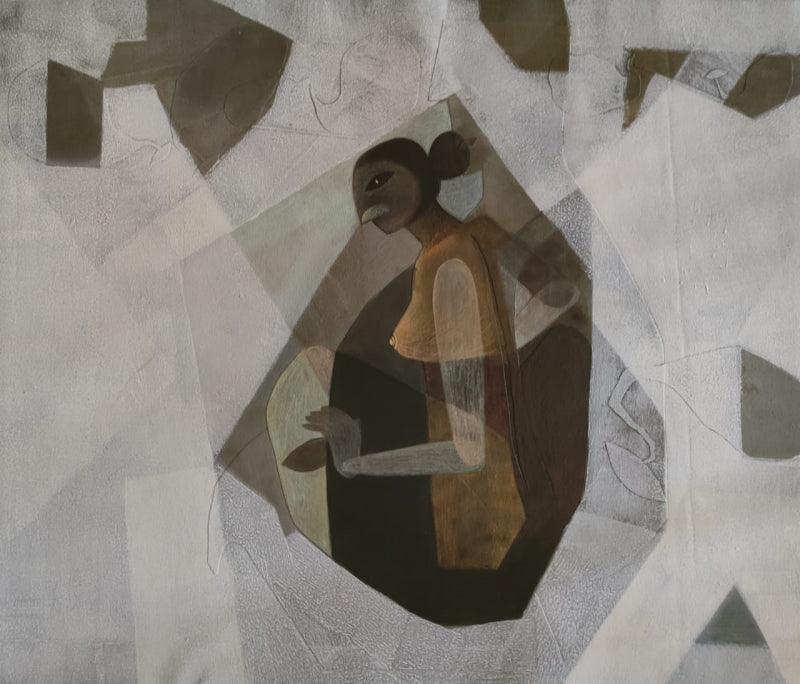
Untitled 2 (Hidden Depths**)
Artzolo
₹38,000
★ 4.0 (15)
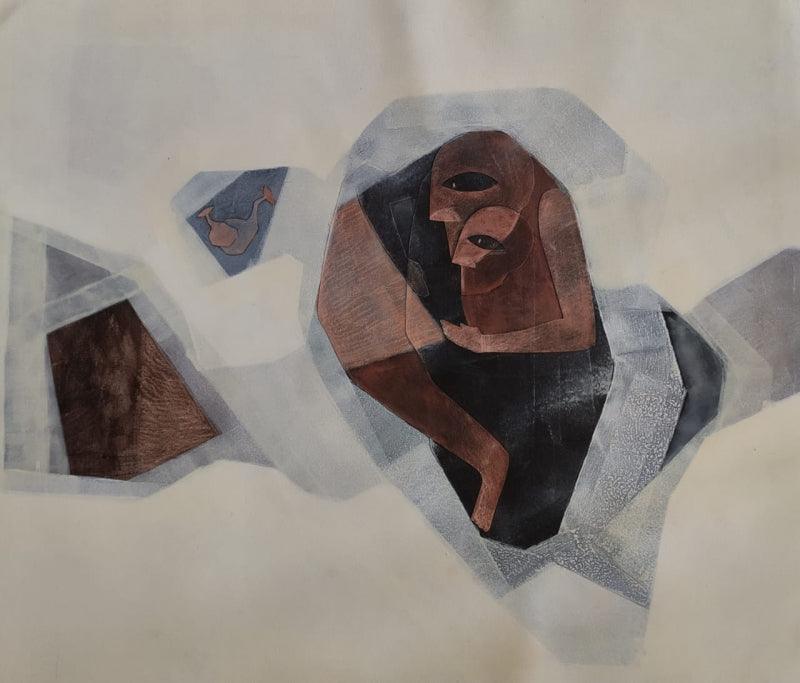
The Find (Interconnected Forms**)
Artzolo
₹38,000
★ 5.0 (14)
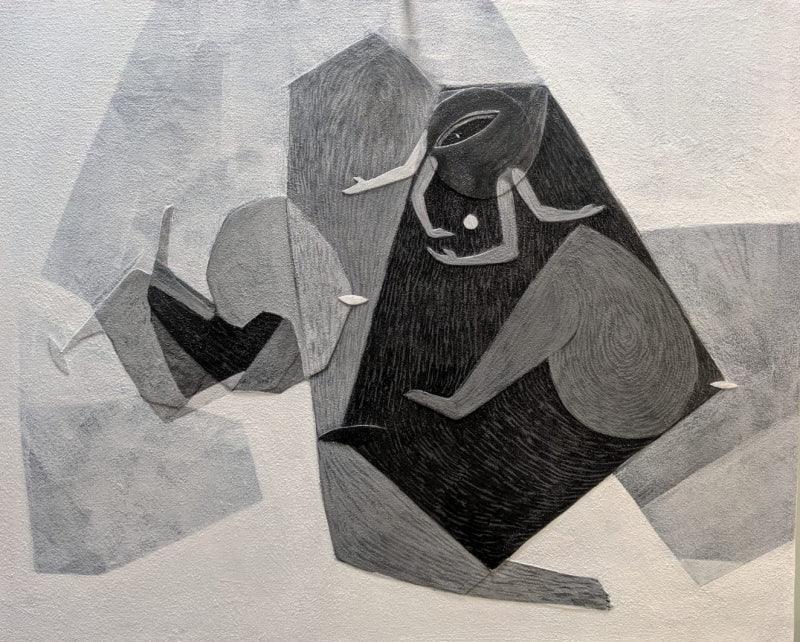
The Exchange (Lost in Thought)
Artzolo
₹38,000
★ 5.0 (6)