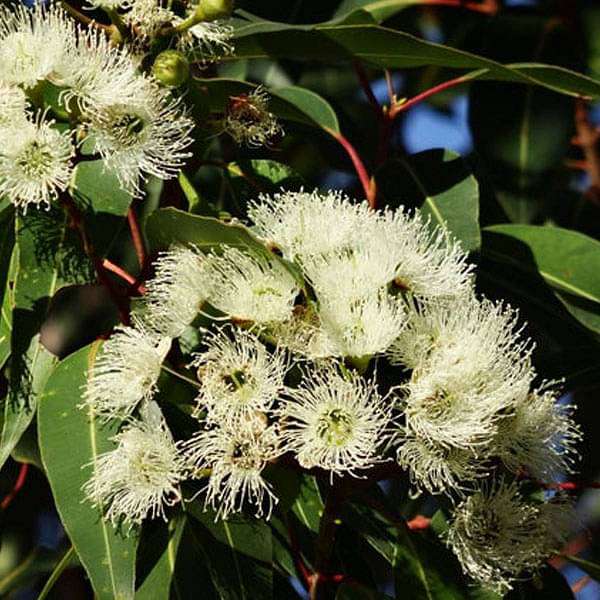
Description
Eucalyptus citriodora, commonly known as Lemon Eucalyptus, is a tall tree native to Australia, renowned for its aromatic leaves that emit a refreshing lemon scent. This evergreen tree can grow up to 50 meters in height and features smooth, pale bark that peels away in strips. The leaves are lance-shaped and rich in essential oils, making them a popular choice for both ornamental and practical uses.
With its striking appearance and invigorating fragrance, Eucalyptus citriodora is not only a beautiful addition to gardens but also serves as a natural insect repellent. Its essential oil is widely used in aromatherapy and natural health products, making it a versatile plant for various applications.
Why It's Special
Lemon Eucalyptus stands out for its unique combination of beauty and utility. The essential oil extracted from its leaves contains citronellal, a compound known for its insect-repelling properties, making it a natural alternative to chemical repellents. Additionally, its fast growth and adaptability to various soil types make it an excellent choice for landscaping and reforestation projects.
Special Features
This remarkable tree not only enhances the aesthetic appeal of any landscape but also contributes positively to the environment. Eucalyptus citriodora is known for its ability to absorb carbon dioxide, thus playing a role in combating climate change. Its drought-resistant nature makes it suitable for arid regions, promoting biodiversity and providing habitat for various wildlife.
Growing Instructions
- Plant in well-draining soil with a pH of 6.0 to 7.5.
- Choose a sunny location, as Lemon Eucalyptus thrives in full sunlight.
- Space trees at least 10-15 feet apart to allow for their mature size.
- Water regularly during the first year to establish roots; reduce frequency once established.
Care Instructions
- Prune regularly to maintain shape and remove any dead or diseased branches.
- Fertilize with a balanced fertilizer in early spring to promote healthy growth.
- Monitor for pests such as aphids and scale; treat with organic insecticides if necessary.
- Mulch around the base to retain moisture and suppress weeds.
Uses
- Extracted essential oil is used in aromatherapy and natural insect repellents.
- Leaves can be used to make herbal teas with potential health benefits.
- Wood is suitable for crafting and construction due to its durability.
- Can be used in landscaping for windbreaks and privacy screens.
Fun Facts
- Eucalyptus citriodora is often mistaken for other eucalyptus species due to its similar appearance.
- The tree can grow up to 3 feet per year under optimal conditions.
- Historically, Indigenous Australians used the leaves for medicinal purposes.
- Its essential oil is a key ingredient in many natural cleaning products.
Environmental Impact
Eucalyptus citriodora plays a significant role in improving air quality by absorbing carbon dioxide and releasing oxygen. Its ability to thrive in poor soil conditions makes it an excellent candidate for reforestation efforts, helping to restore degraded landscapes. Additionally, the tree provides habitat for various species, promoting biodiversity in its native and introduced environments.
Benefits
You may also like