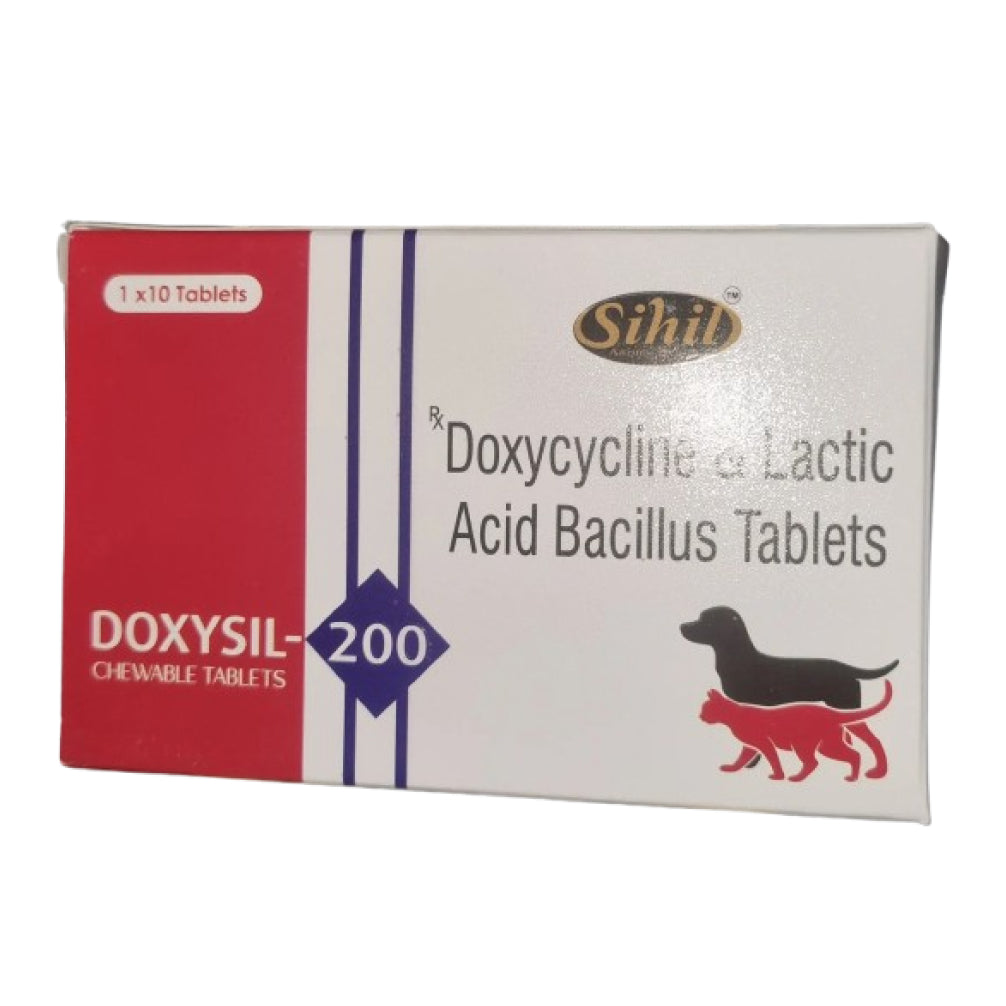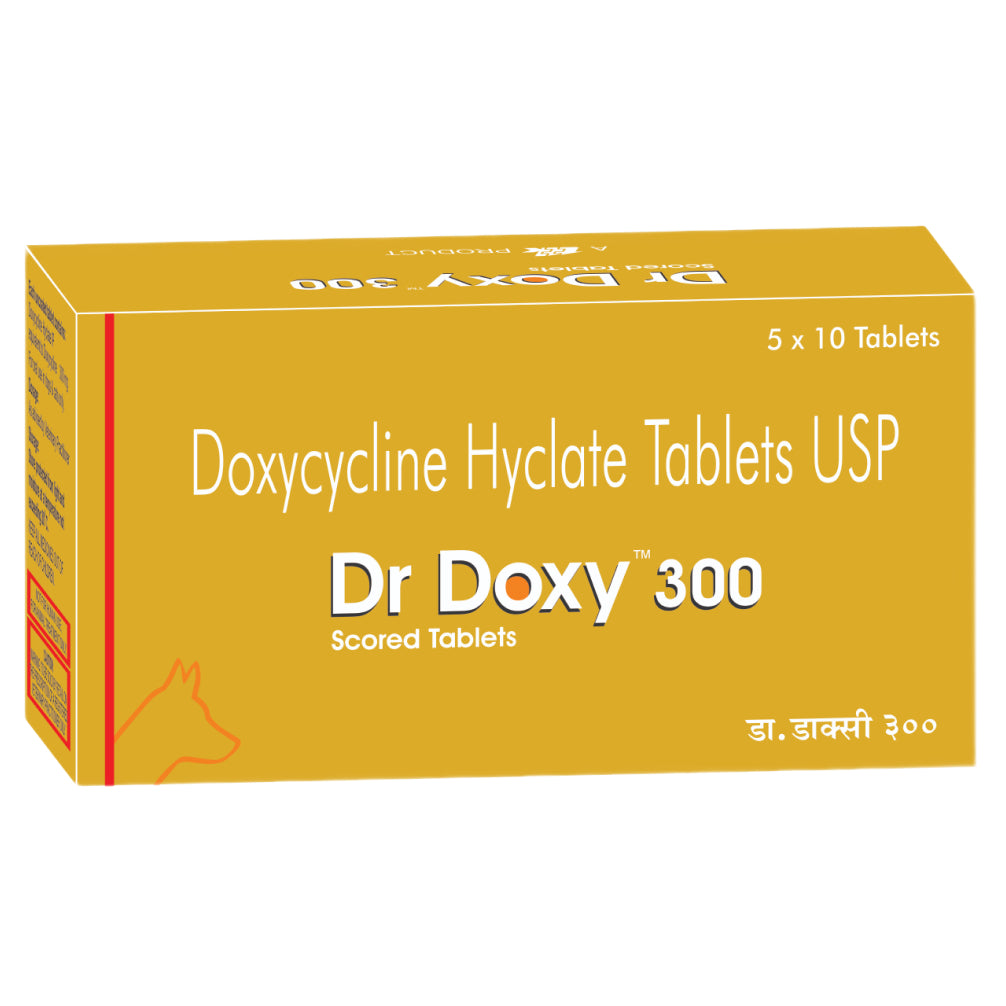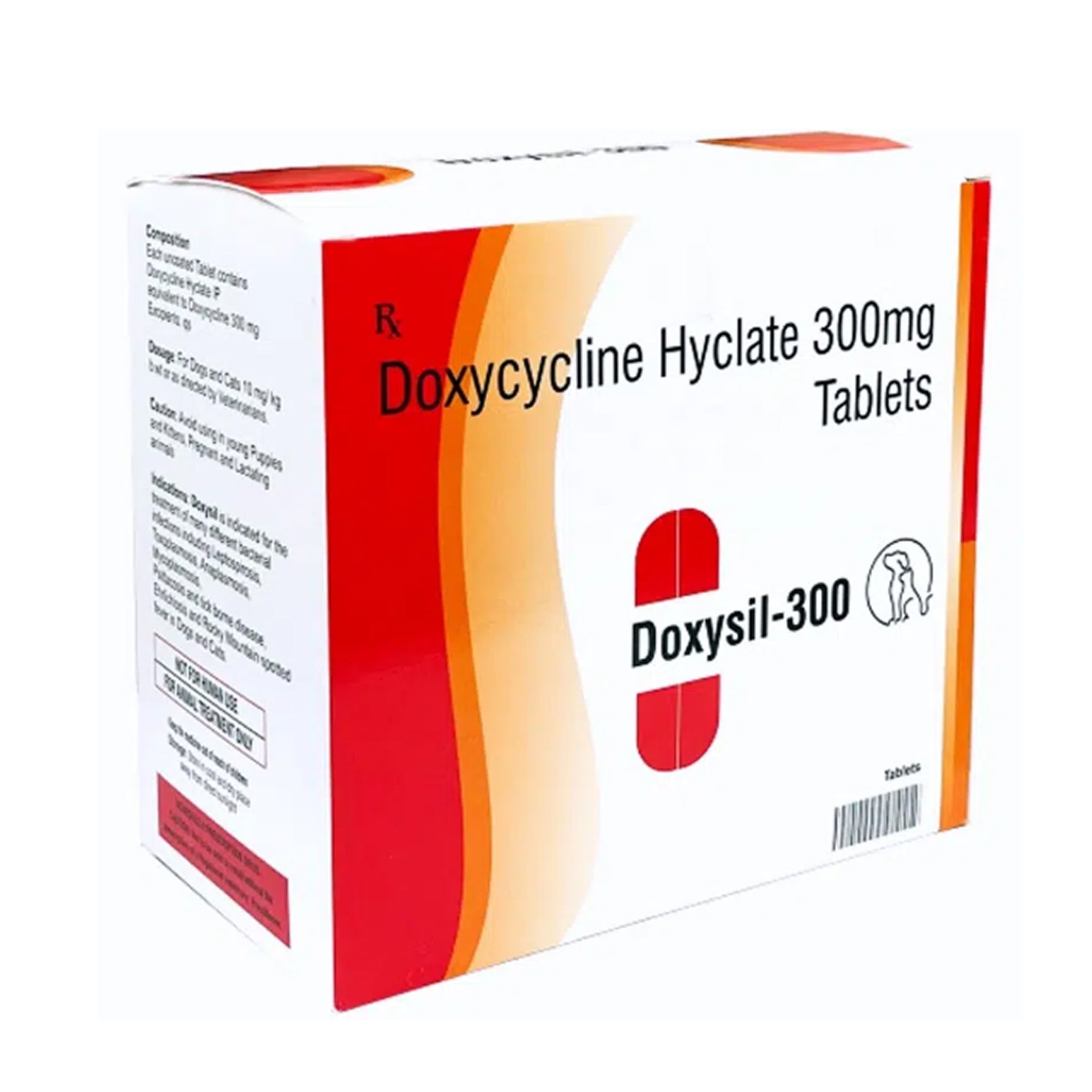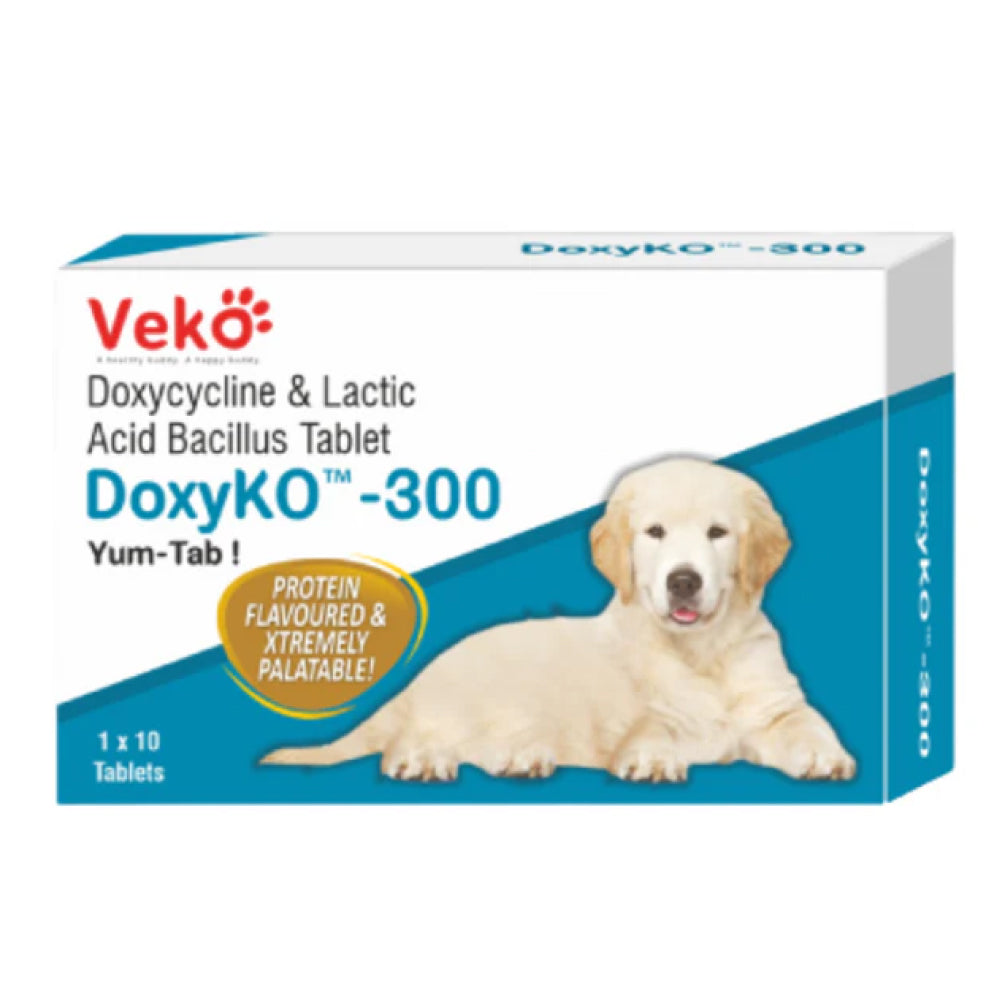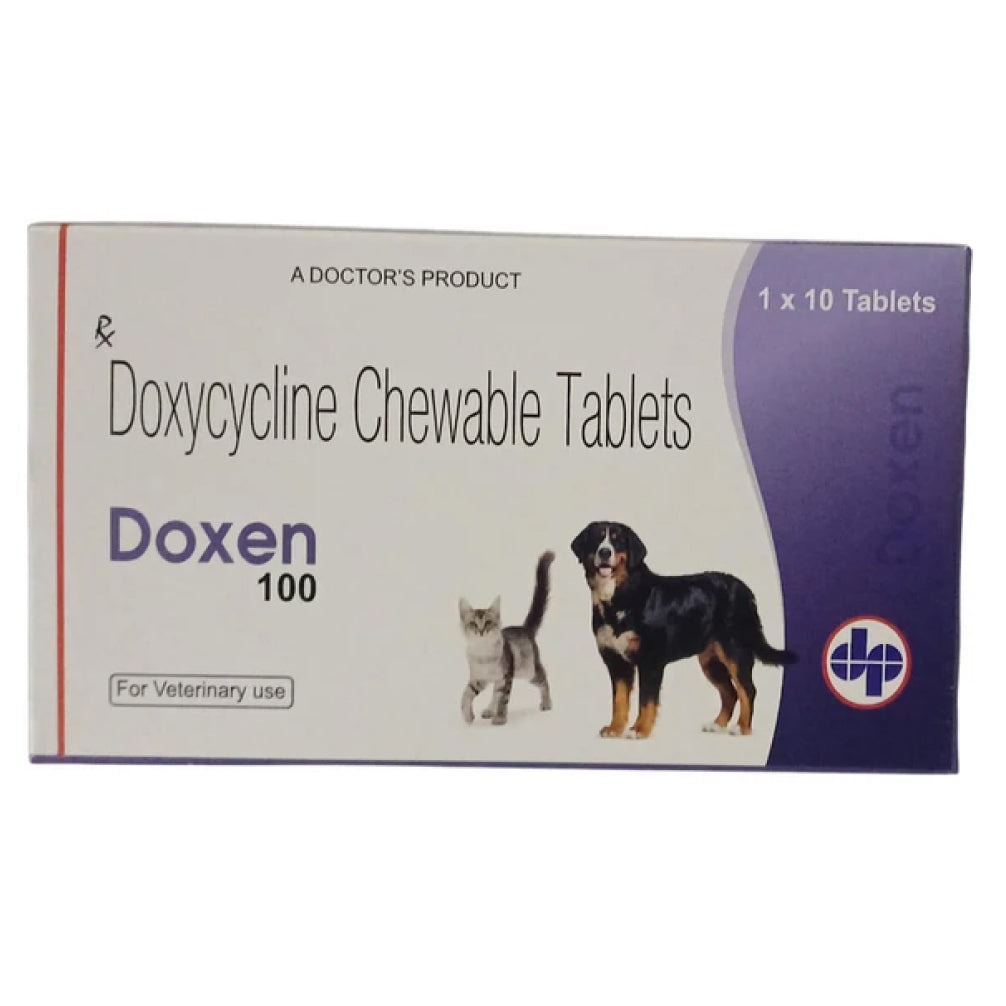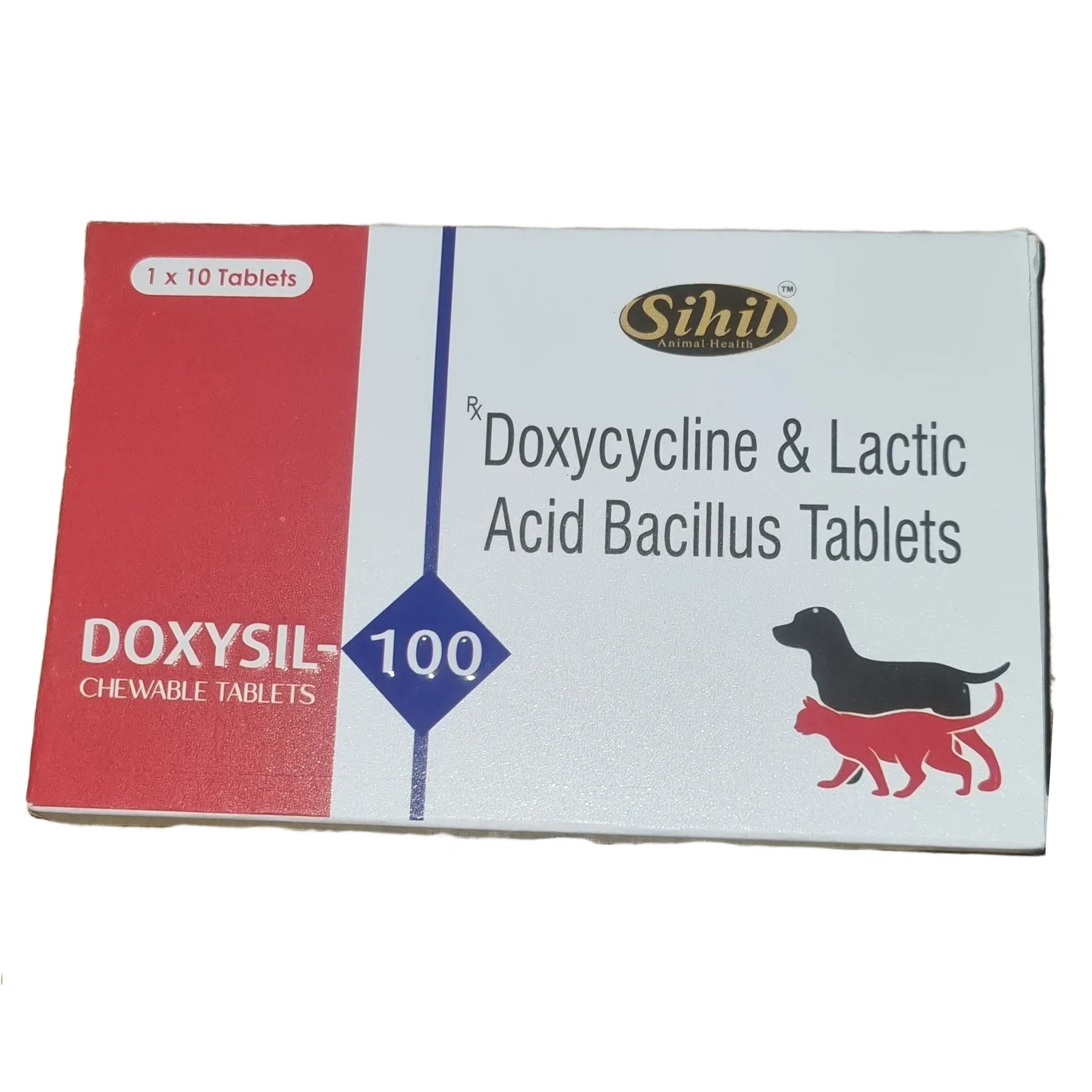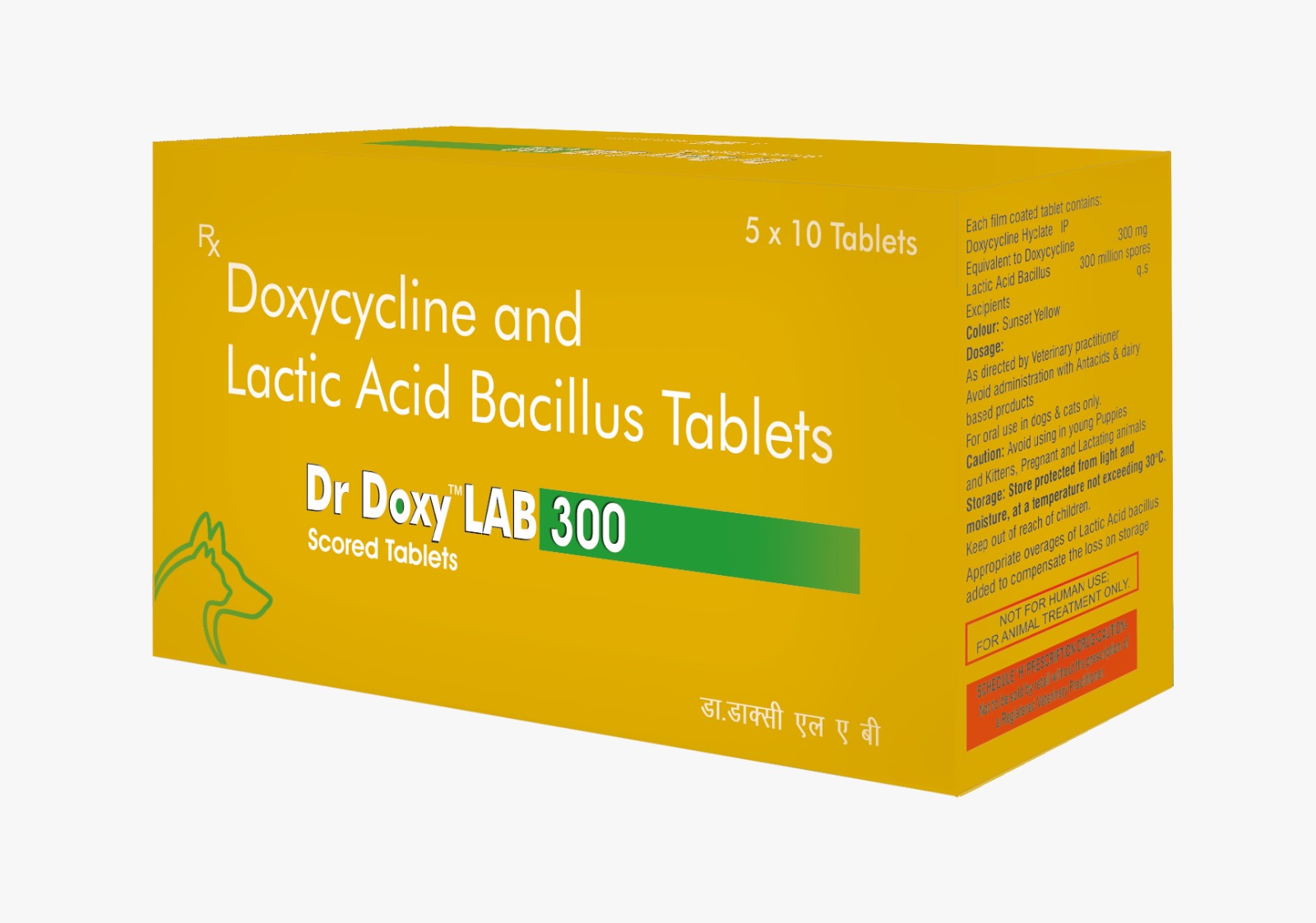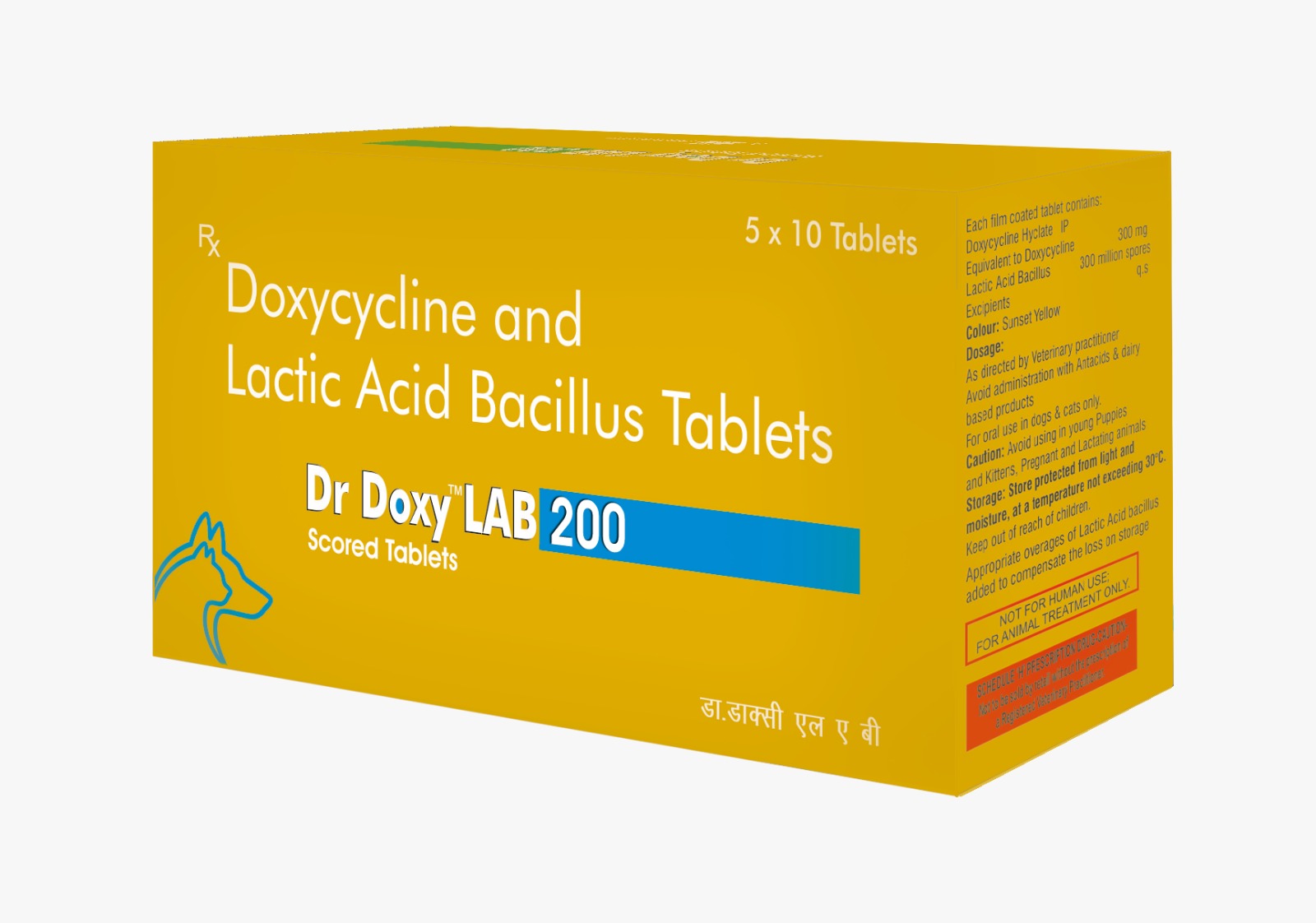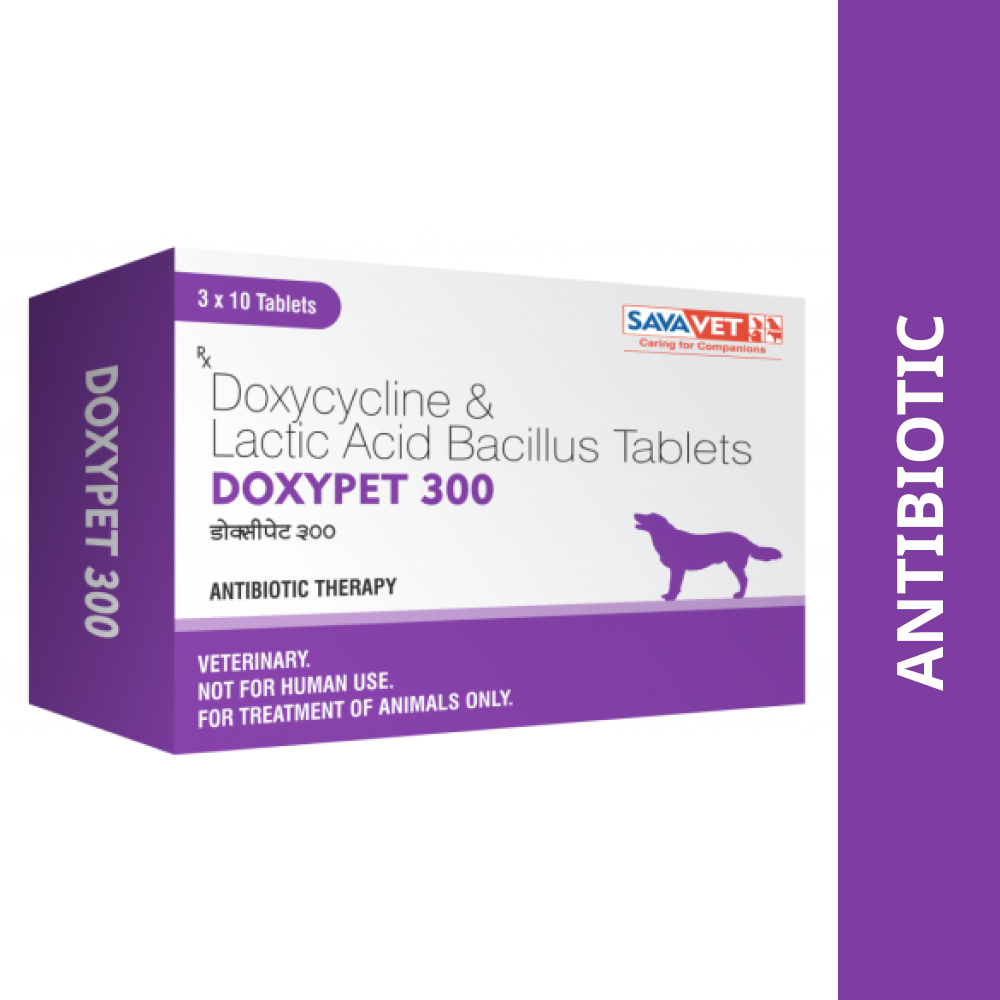
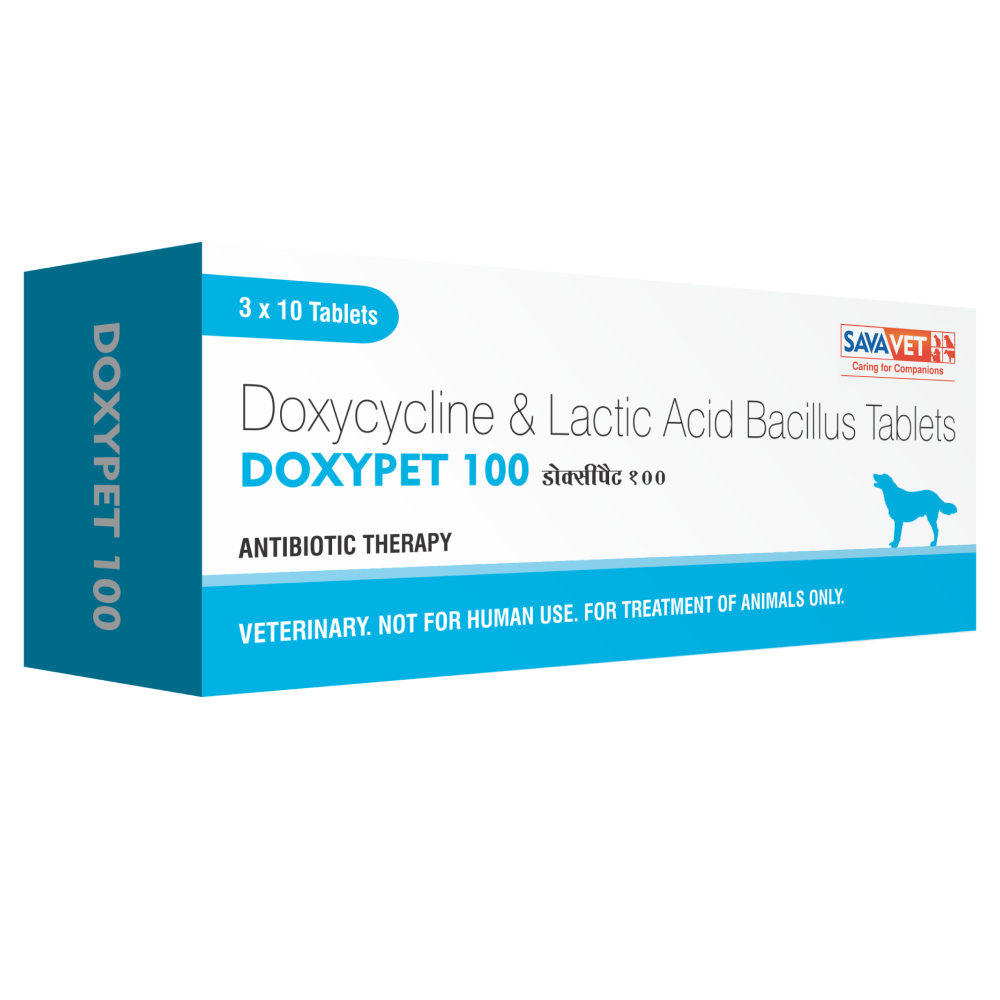
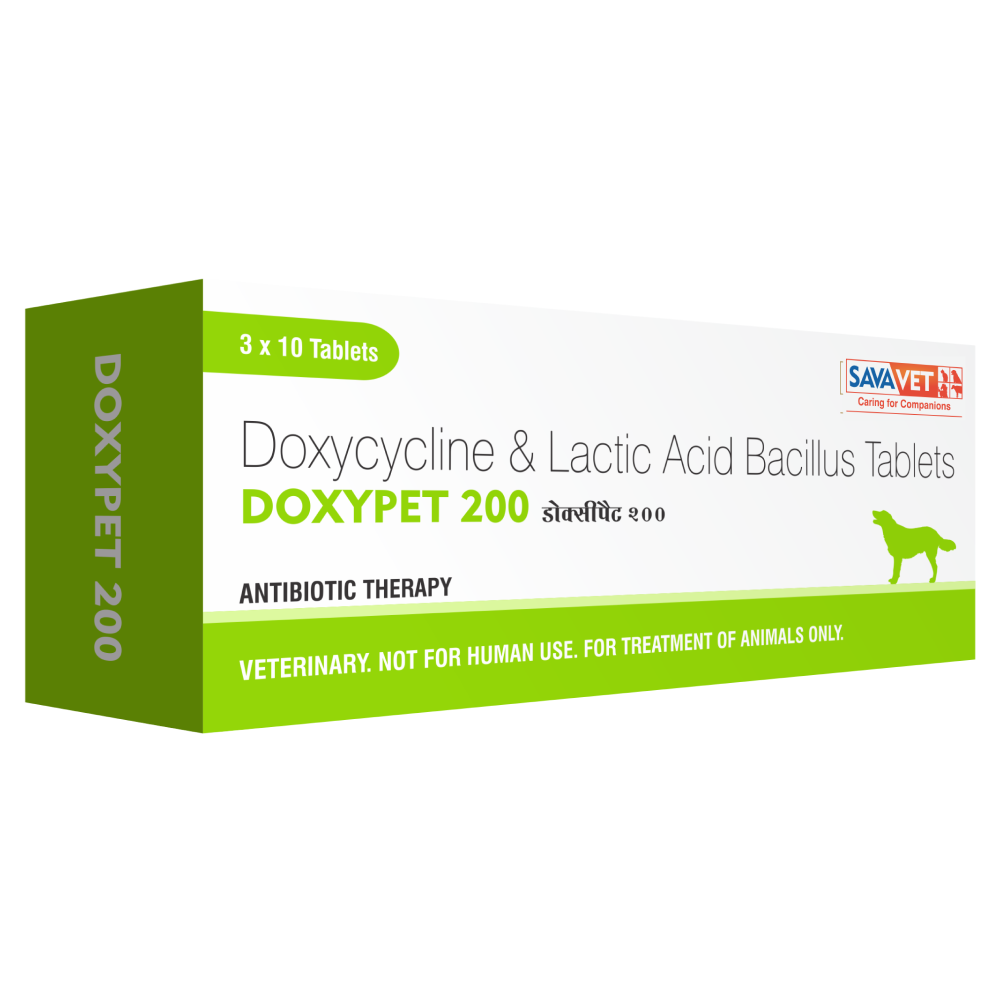
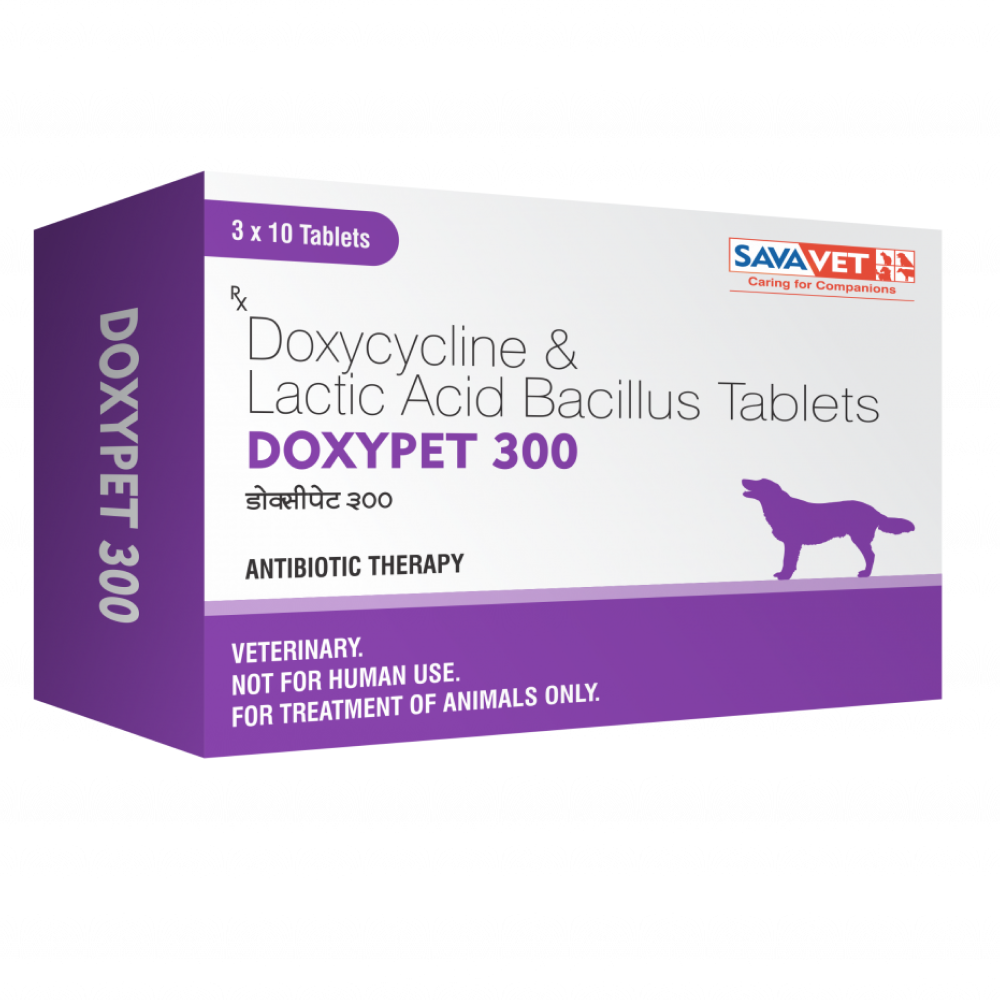
Savavet Doxypet (Doxycycline) Tablet for Dogs and Cats (pack of 10 tablets)
Savavet Doxypet Doxycycline Tablet for Dogs and Cats - The Antibiotic Indian Vets Reach for Most When Tick Fever Hits
If there is one antibiotic that Indian vets prescribe more than almost any other for dogs managing tick-borne illness, it is Doxycycline. Ehrlichiosis, Babesiosis, Hemotrophic Mycoplasmosis, Leptospirosis, Anaplasmosis - these are the vector-borne diseases that Indian dogs face year-round, and Doxycycline is the drug of choice for most of them, with decades of clinical evidence behind it.
Savavet Doxypet is a veterinary Doxycycline tablet from one of India's most trusted veterinary pharmaceutical companies - formulated with a feature that sets it apart from most generic doxycycline tablets on the market: Lactic Acid Bacillus spores built directly into every tablet. This means the probiotic that helps protect your pet's gut during an antibiotic course is already there, in the same tablet, without needing a separate supplement alongside.
Available in three strengths to match any dog's weight accurately, and also used in cats under veterinary guidance.
Manufactured by Finecure Pharmaceuticals Ltd. Marketed in India by Sava Healthcare Limited, Sava House, Lalwani Plaza, B Wing, Off New Airport Road, Sakore Nagar, Viman Nagar, Pune - 411014.
Available in three strengths, each as a pack of 10 tablets:
| Strength | Price | Best suited for |
|---|---|---|
| 100 mg | ₹70 | Dogs 10-20 kg and cats |
| 200 mg | ₹115 | Dogs 20-40 kg |
| 300 mg | ₹184 | Dogs 30-60 kg |
Each tablet contains: Doxycycline Hydrochloride IP (equivalent to Doxycycline 100 mg / 200 mg / 300 mg) and Lactic Acid Bacillus - 100 million spores.
This is a prescription medication. Use only under veterinary supervision.
What Are the Uses and Benefits of Savavet Doxypet?
Doxypet is a tetracycline-class broad-spectrum antibiotic used to treat bacterial, rickettsial, and protozoal infections in dogs and cats. Here's what makes it one of the most clinically versatile antibiotics in Indian veterinary practice:
- Tick-borne diseases are where Doxycycline is most distinctively effective in the Indian context. Ehrlichiosis (caused by Ehrlichia canis, transmitted by Rhipicephalus sanguineus), Anaplasmosis, Hemotrophic Mycoplasmosis, and Leptospirosis are all doxycycline-first conditions - no other single antibiotic covers this spectrum. For Indian pet parents in cities and towns where tick exposure is year-round, Doxypet is the prescription that follows a positive tick fever diagnosis with striking consistency. For more on tick fever in dogs and its warning signs, the blog on tick fever in dogs - symptoms, treatment and prevention is essential reading.
- Respiratory tract infections - including rhinitis, tonsillitis, bronchopneumonia, and upper respiratory infections involving atypical organisms like Mycoplasma - are effectively treated by Doxycycline. It is particularly useful for respiratory infections where standard beta-lactam antibiotics like Amoxicillin have limited efficacy against the causative organism.
- Urinary tract infections caused by susceptible bacteria respond to Doxycycline, which achieves good concentrations in urinary tissue.
- Skin and soft tissue infections including wound infections, pyoderma, and abscesses caused by susceptible organisms are treated by Doxypet.
- Lyme disease, though less commonly reported in India than in Western countries, is caused by Borrelia burgdorferi - a Spirochete that is one of Doxycycline's classic indications.
- The inclusion of Lactic Acid Bacillus (100 million spores per tablet) is what distinguishes Doxypet from a standard generic Doxycycline tablet. Antibiotics disrupt the gut microbiome alongside the targeted infection - Lactic Acid Bacillus helps maintain healthy gut bacteria during the treatment course, reducing the antibiotic-associated diarrhoea and digestive disruption that commonly occurs when a probiotic supplement isn't given alongside the antibiotic.
- For a broader guide on when antibiotics are appropriate for pets, the blog on antibiotics for dogs and cats - a pet parent's complete guide is a thorough reference.
What Are the Possible Side Effects?
- Doxycycline is well tolerated by most dogs and cats at the correct prescribed dose. Serious side effects are uncommon.
- Gastrointestinal effects - nausea, vomiting, loose stools, and reduced appetite - are the most commonly reported side effects. These are significantly reduced by the Lactic Acid Bacillus in the Doxypet formulation and by giving the tablet with food. Always give with a meal rather than on an empty stomach.
- Oesophageal irritation can occur if the tablet becomes lodged in the oesophagus, particularly in cats. Always follow the tablet with a small amount of water or a food bolus to ensure it reaches the stomach. Do not give a dry tablet to a cat without a liquid chaser or food to wash it down.
- Photosensitivity - increased sensitivity to sunlight - has been reported. Avoid prolonged direct sun exposure during the treatment course.
- Dental staining and effects on bone development: do not use in pregnant animals during the last 3 weeks of pregnancy, and avoid in kittens under 1 month of age. Tetracyclines bind to calcium and can affect developing teeth and bones.
- Do not combine with antacids, dairy products, calcium, magnesium, iron, or zinc supplements within 2 hours of dosing - these significantly reduce Doxycycline absorption by forming insoluble chelate complexes.
Vet Tip - Dr Swathi Hareendran, MVSc (10+ years)
"In India, Doxycycline is the single most important antibiotic I prescribe for Ehrlichiosis - but the duration is where I see the most mistakes. A 5-day course will make your dog feel better by day 3. But Ehrlichia can persist subclinically if the course is too short, and I've seen relapse cases 3-4 months later in dogs whose owners stopped the medication early. For acute Ehrlichiosis, I prescribe a minimum of 28 days - not 5 or 7. For chronic Ehrlichiosis in dogs who've had the disease a long time before diagnosis, the course can be even longer. The other thing I always tell pet parents: give Doxycycline with food, not on an empty stomach, and follow it with a small amount of water. Particularly in cats, dry tablets can cause oesophageal ulceration if they sit there without being washed down."
How Should You Give Doxypet to Your Pet?
- Give with food or immediately after a meal. Follow with a small amount of water - particularly important in cats to prevent oesophageal irritation.
- The tablet can be broken along the score line to achieve fractional doses for smaller dogs or for precise weight-based dosing.
| Body Weight | Dose |
|---|---|
| Up to 10 kg | 100 mg once or twice daily |
| 10-20 kg | 100-200 mg once or twice daily |
| 20-40 kg | 200-300 mg once or twice daily |
| Above 40 kg | 300 mg once or twice daily (or as prescribed) |
- General veterinary dosing guidance is 5-10 mg/kg body weight once or twice daily - always follow your vet's specific prescription, which will be based on your pet's weight, the condition being treated, and the severity of the infection.
- Duration varies significantly by indication - 5-7 days for simple respiratory or skin infections, and a minimum of 28 days for tick-borne diseases like Ehrlichiosis. Always complete the full prescribed course.
- Do not give within 2 hours of antacids, dairy products, calcium, magnesium, iron, or zinc supplements.
How Does Doxypet Work?
- Doxycycline Hydrochloride is a second-generation tetracycline antibiotic - more lipid-soluble and better absorbed than older tetracyclines like Oxytetracycline, which is why it has largely replaced them in veterinary practice.
- It works by inhibiting bacterial protein synthesis at the ribosomal level - specifically by binding to the 30S ribosomal subunit and blocking the attachment of aminoacyl-tRNA to the mRNA-ribosome complex. Without this step, bacteria cannot build the proteins they need to function and reproduce. This makes Doxycycline bacteriostatic - it stops bacteria from multiplying, allowing the immune system to clear the infection.
- Doxycycline's particular advantage over other tetracyclines and many other antibiotic classes is its activity against intracellular organisms - pathogens that live and replicate inside cells, where many antibiotics cannot reach. Ehrlichia, Anaplasma, Rickettsia, Mycoplasma, and Chlamydia are all intracellular organisms, which is why Doxycycline is the treatment of choice for tick-borne diseases caused by these organisms in India.
- After oral administration, Doxycycline is well absorbed even when given with food - unlike older tetracyclines, which have significantly reduced absorption when given with food. It distributes broadly through body tissues, achieving effective concentrations in the lung, skin, urinary tract, and importantly, intracellularly in infected tissues.
- The Lactic Acid Bacillus (100 million spores per tablet) is included to maintain gut microbiome balance during the antibiotic course. Lactic Acid Bacillus produces lactic acid that creates an unfavourable environment for harmful bacteria, competing with them for colonisation space and supporting the recovery of the gut's natural bacterial balance throughout and after the treatment course.
What Safety Advice Should You Know Before Using Doxypet?
- Always use under veterinary supervision. The correct dose, frequency, and duration vary significantly between conditions - tick-borne disease treatment requires a minimum of 28 days; respiratory infections may be treated in 5-7 days. Never self-prescribe or use a previous prescription for a new condition without a fresh vet assessment.
- Do not use in pregnant animals during the last 3 weeks of pregnancy - Doxycycline can affect fetal bone and tooth development.
- Do not use in kittens under 1 month of age or in puppies where tooth or bone development could be affected.
- Do not use in lactating dogs - Doxypet is specifically contraindicated in nursing females as it passes into milk.
- Do not combine with antacids, dairy products, calcium, iron, magnesium, or zinc supplements within 2 hours of dosing - these dramatically reduce absorption through chelate formation.
- Do not combine with penicillin-type antibiotics (such as Amoxicillin) - Doxycycline's bacteriostatic action (slowing bacterial growth) can oppose penicillins' bactericidal action (killing bacteria), reducing the effectiveness of both.
- Always give with food and follow with a small amount of water, particularly in cats where dry tablet administration can cause oesophageal irritation.
- Store below 25°C in a cool, dry place away from direct sunlight. Keep out of reach of children.
What Should You Do If You Miss a Dose?
- Give the missed dose as soon as you remember. If the next dose is close, skip the missed one and continue as normal. Never give a double dose.
- For tick-borne disease treatment - where the course is a minimum of 28 days - consistency is critical. Missing doses during this extended course interrupts the sustained therapeutic blood level that keeps Ehrlichia suppressed throughout treatment. Set a daily alarm for the duration of the full course.
- For shorter courses (respiratory, skin infections), a single missed dose has less clinical impact, but consistency remains important for achieving full clearance of the infection.
What Are All the Substitutes for Savavet Doxypet?
If Doxypet is unavailable or your vet recommends a different option, here are other Doxycycline formulations available on Supertails:
| Product | Active Ingredient | Notes |
|---|---|---|
| TTK Dr Doxy 100mg Doxycycline Tablet for Dogs and Cats | Doxycycline Hyclate 100 mg | Same drug, TTK brand, no probiotic |
| TTK Dr Doxy 200mg Doxycycline Tablet for Dogs and Cats | Doxycycline Hyclate 200 mg | Same drug, TTK brand, no probiotic |
| TTK Dr Doxy 300mg Doxycycline Tablet for Dogs and Cats | Doxycycline Hyclate 300 mg | Same drug, TTK brand, no probiotic |
| TTK Dr Doxy LAB 200mg Tablets for Dogs and Cats | Doxycycline + Lactic Acid Bacillus 200 mg | Same combination formula, TTK brand |
| Wellpet Welldoxy 100mg Tablet for Dogs | Doxycycline 100 mg | Same drug, Wellpet brand |
| Wellpet Welldoxy 50 Syrup Doxycycline Oral Suspension for Dogs and Cats | Doxycycline 50 mg/5ml | Liquid format; useful for cats and small dogs who cannot take tablets |
What Are Some Quick Tips for Using Doxypet Effectively?
- Always give with food - unlike older tetracyclines, Doxycycline's absorption is not meaningfully reduced by food, and the reduction in GI side effects from feeding with the tablet makes this the standard recommendation. Never give on an empty stomach.
- Follow with water, especially for cats. A dry tablet that sits in the oesophagus causes irritation and in some cases ulceration. Giving the tablet with food or washing it down with 3-5 ml of water immediately after is a simple way to prevent this.
- Do not give within 2 hours of antacids, dairy, or mineral supplements. This is one of the most commonly overlooked administration details with tetracyclines. Even a splash of milk in your dog's food bowl at the time of dosing can reduce Doxycycline absorption by 50% or more.
- For tick-borne disease: complete the full 28-day minimum course, even when your dog appears completely recovered by day 5 or 7. The feeling of recovery comes from the bacterial load dropping below the threshold where symptoms appear - not from complete eradication of the organism. Stopping early is the most consistent driver of Ehrlichiosis relapse.
- After the course, support the gut microbiome with a dedicated probiotic supplement - even though Doxypet includes Lactic Acid Bacillus in the tablet, a full-spectrum multi-strain probiotic for 2-4 weeks post-course helps restore the broader gut bacterial balance. Explore the probiotics for dogs and cats collection on Supertails.
What Do Vets Also Recommend?
- The full antibiotics and antifungals for dogs collection and antibiotics and antifungals for cats collection bring together all prescription antibiotic options in one place.
- For dogs recovering from tick-borne illness alongside antibiotic treatment, the dog health and wellness collection has immune support, liver support, and recovery supplements worth discussing with your vet during the extended treatment course.
- The probiotics for dogs and cats collection has gut microbiome support supplements to use alongside and after the antibiotic course for complete gut recovery.
- For tick prevention to prevent future tick-borne disease after your dog recovers, the dog fleas and ticks collection has vet-approved monthly spot-ons, oral chewables, and collars - because treating tick fever without addressing tick prevention means the cycle can repeat.
- And for a vet consultation to confirm the right dose, course duration, and overall management plan for your dog's tick-borne illness or bacterial infection - Supertails' online vet consultation service is available whenever you need it.
Disclaimer: Supertails' sole intention is to ensure that its consumers get information that is expert-reviewed, accurate, and trustworthy. However, the information contained herein should NOT be used as a substitute for the advice of a qualified physician. The information provided here is for informational purposes only. This may not cover everything about particular health conditions, lab tests, medicines, all possible side effects, drug interactions, warnings, alerts, etc. Please consult your doctor and discuss all your queries related to any disease or medicine. We intend to support, not replace, the doctor-patient relationship.
The Antibiotic Indian Vets Choose for Tick Fever - Now With a Built-In Probiotic
When the diagnosis is Ehrlichiosis, Hemotrophic Mycoplasmosis, Leptospirosis, or any tick-borne disease, the prescription is almost always Doxycycline. Savavet Doxypet gives you that same clinical-strength Doxycycline in a formulation that goes one step further - Lactic Acid Bacillus spores built into every tablet, protecting your pet's gut from the inside while the antibiotic does its work.
Three strengths for every size. Three packs of 10 tablets each. Starting from ₹70. Shop Savavet Doxypet Doxycycline Tablets for Dogs and Cats on Supertails - with a valid veterinary prescription, delivered to your door.
FAQs
What is Savavet Doxypet used for in dogs and cats?
Doxypet is a broad-spectrum veterinary antibiotic containing Doxycycline Hydrochloride and Lactic Acid Bacillus spores. It is primarily prescribed for tick-borne diseases including Ehrlichiosis, Hemotrophic Mycoplasmosis, Anaplasmosis, and Leptospirosis - conditions where Doxycycline is the drug of first choice. It also treats respiratory tract infections, skin and soft tissue infections, and urinary tract infections caused by susceptible bacteria. The Lactic Acid Bacillus component supports gut health during the antibiotic course.
What makes Doxypet different from other doxycycline tablets for dogs?
Most doxycycline tablets for dogs contain only the antibiotic. Doxypet includes Lactic Acid Bacillus - 100 million spores per tablet - a probiotic that helps maintain gut flora balance during the antibiotic course. This reduces the antibiotic-associated diarrhoea and digestive disruption that commonly occurs when no probiotic is given alongside an antibiotic course, without needing a separate supplement.
How long should I give Doxypet to my dog for tick fever?
For tick-borne diseases like Ehrlichiosis, the minimum recommended course is 28 days - not the 5 to 7 days that would be appropriate for a respiratory or skin infection. Stopping early because your dog appears recovered is the most common cause of Ehrlichiosis relapse, since the organism can persist subclinically below the symptom threshold if the course is insufficient. Always follow your vet's prescribed duration exactly, and do not shorten the course based on visible improvement.
Which Doxypet strength should I buy for my dog?
Choose based on your dog's body weight. The 100 mg tablet is most appropriate for dogs up to 20 kg and for cats. The 200 mg tablet suits dogs between 20 and 40 kg. The 300 mg tablet is designed for larger dogs between 30 and 60 kg. All three are scored and can be broken for fractional dosing. Your vet's prescription will specify the strength and dose in mg/kg - typically 5-10 mg/kg once or twice daily.
Can I give Doxypet to my cat?
Yes - Doxycycline is used in both dogs and cats. However, cats have a specific risk that dogs don't: dry tablet administration without adequate liquid can cause oesophageal irritation or ulceration. Always give the tablet with food or immediately follow it with 3-5 ml of water to ensure it reaches the stomach. The 100 mg strength is most commonly used in cats. Do not use in kittens under 1 month of age or in pregnant or lactating cats.
Can I give Doxypet with milk or calcium supplements?
No. Dairy products, calcium supplements, antacids, iron, magnesium, and zinc all significantly reduce Doxycycline absorption by forming insoluble chelate complexes with the drug. Even a small amount of milk in your dog's food at dosing time can reduce absorption by 50% or more. Give Doxypet with plain food - not dairy-based food - and separate any mineral supplements by at least 2 hours from the dose.
Delivery
You may also like