Mario Miranda Original D6
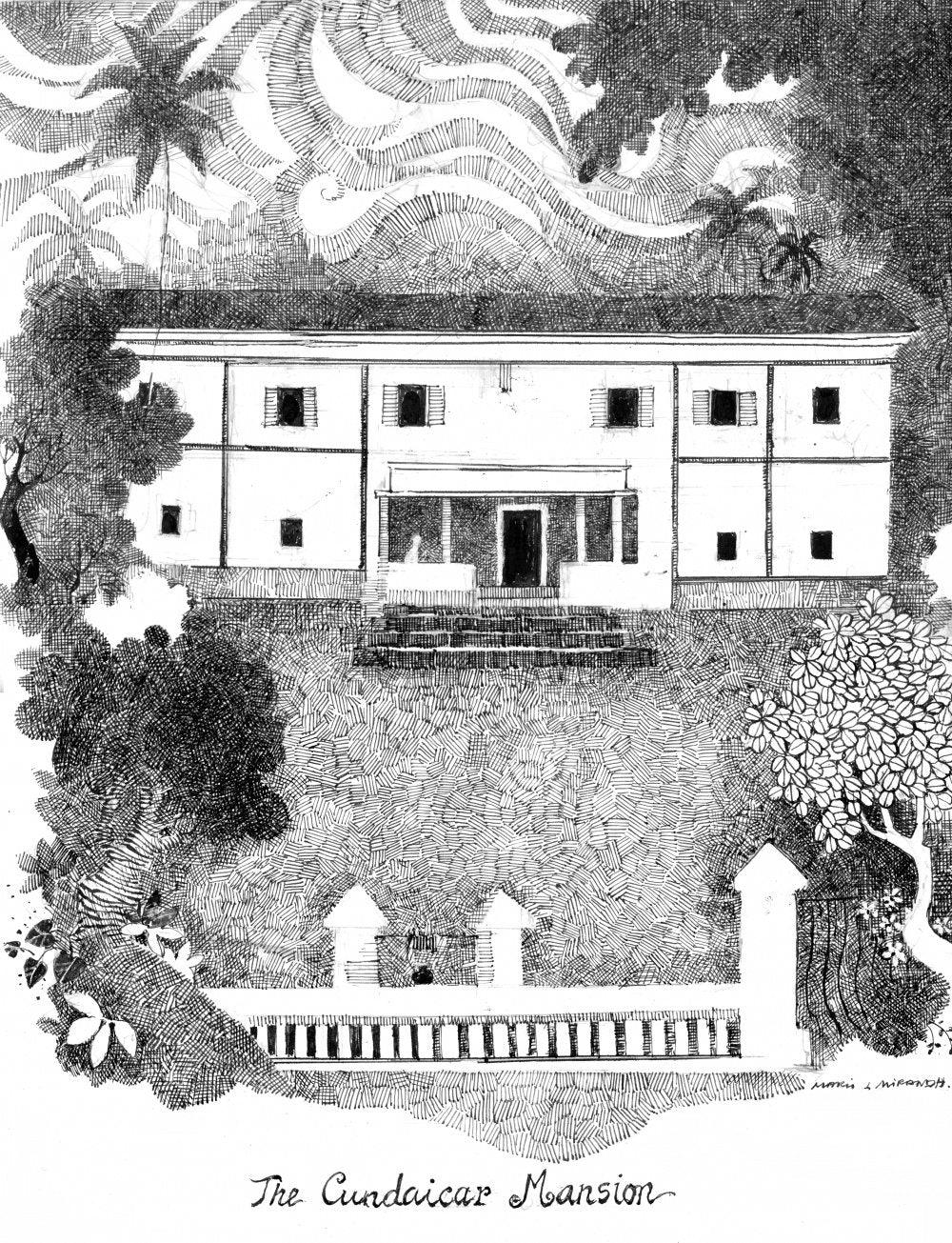
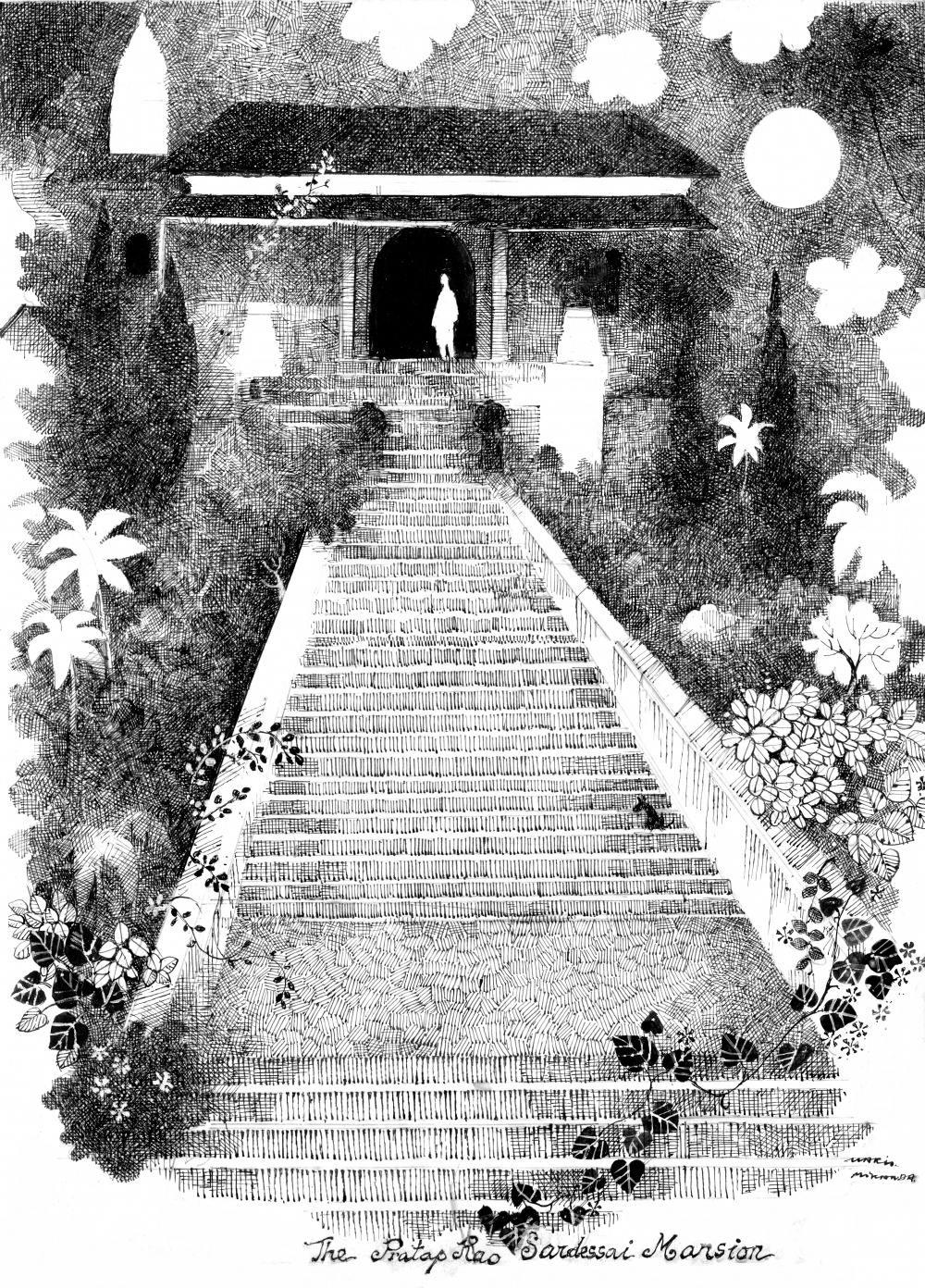
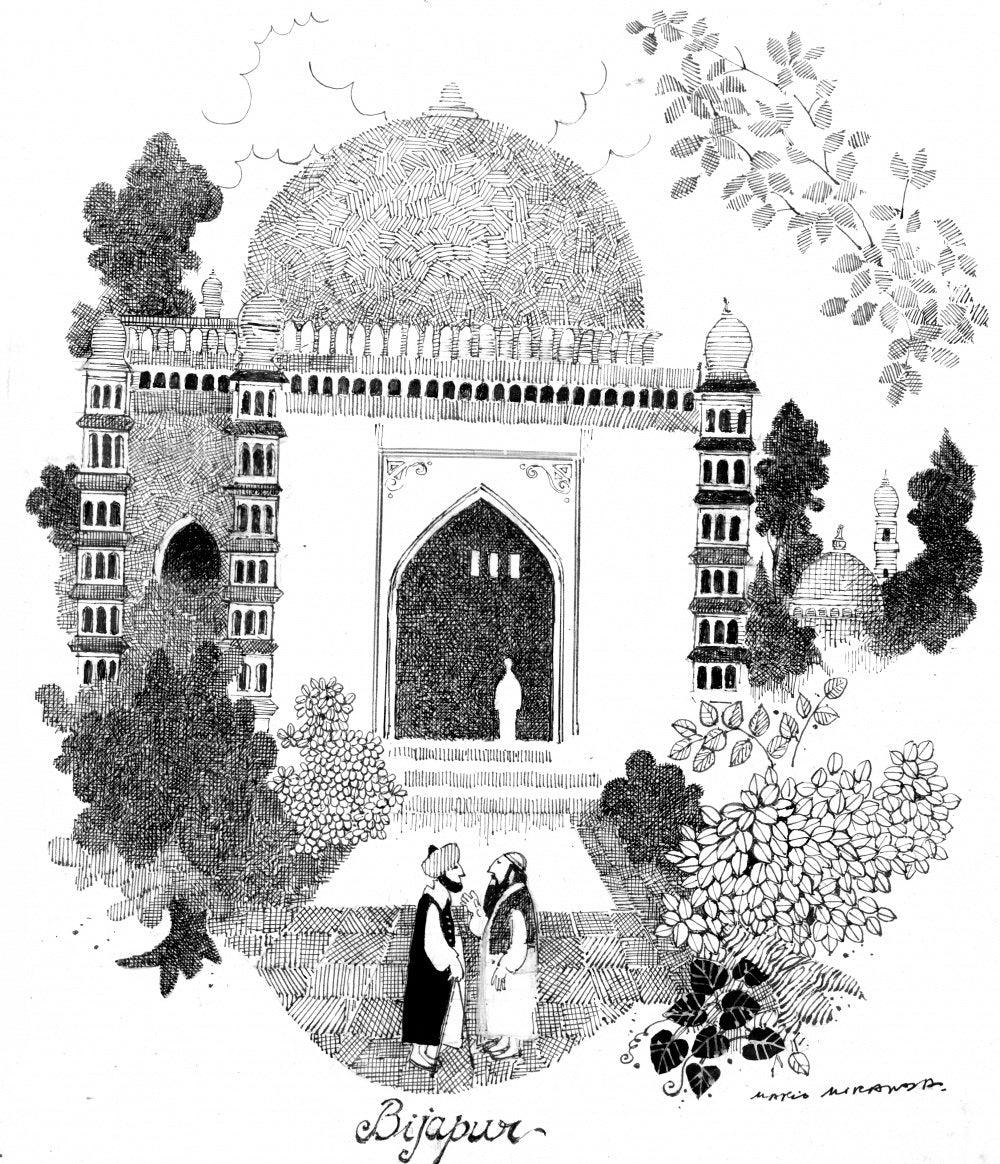
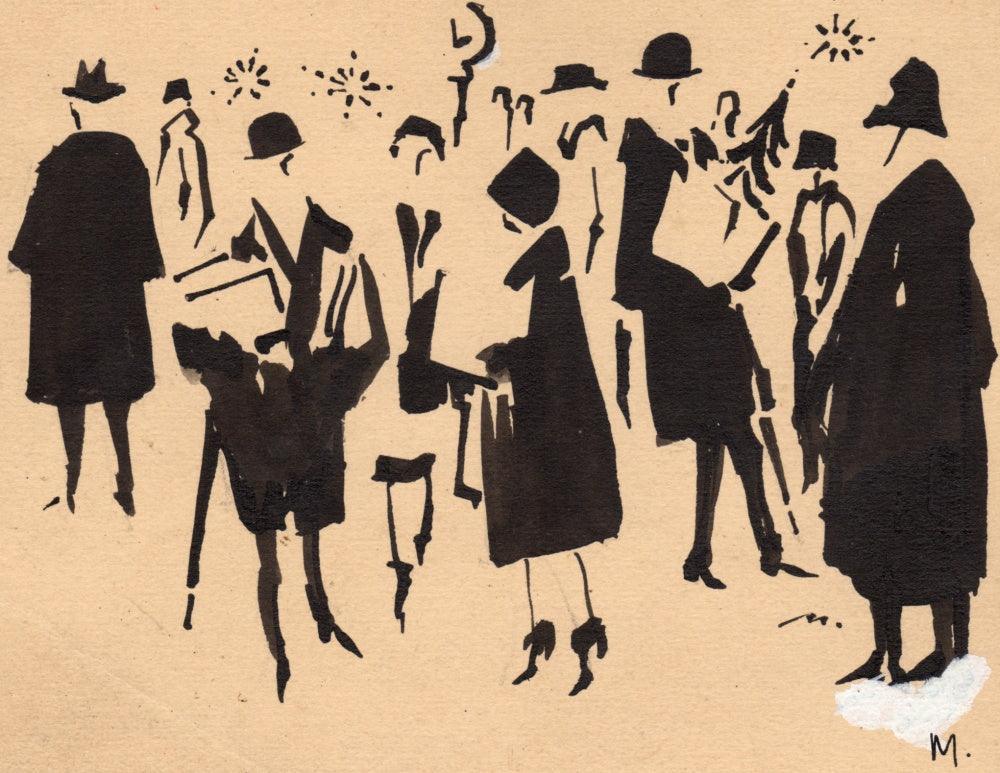
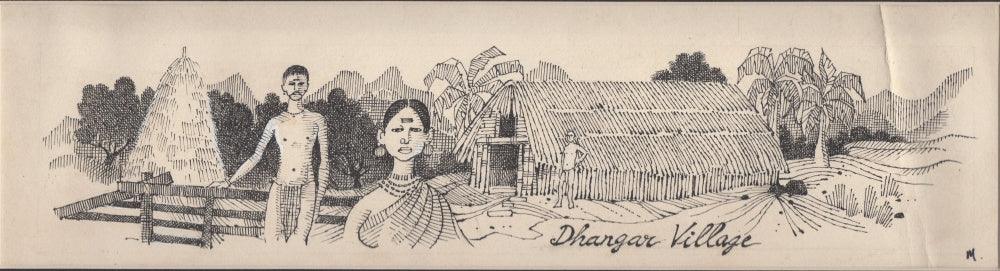
Rendered in spare, disciplined line, this vignette of “Dhangar Village” turns ethnographic observation into a quiet lyric of belonging, where human figures stand not as portraits but as anchors of continuity within a working landscape. The thatched roofs and clustered trees are built from repeated hatching that feels almost like woven fiber, letting light enter as blank paper and suggesting a life structured by breath, labor, and season rather than spectacle. Perspective opens laterally across fences and dwellings, guiding the eye as if along a footpath, while the calm faces and grounded postures propose dignity as the village’s true architecture. In its monochrome restraint, the scene reads as both document and homage—an image of cultural memory held gently against time.
You may also like