Description
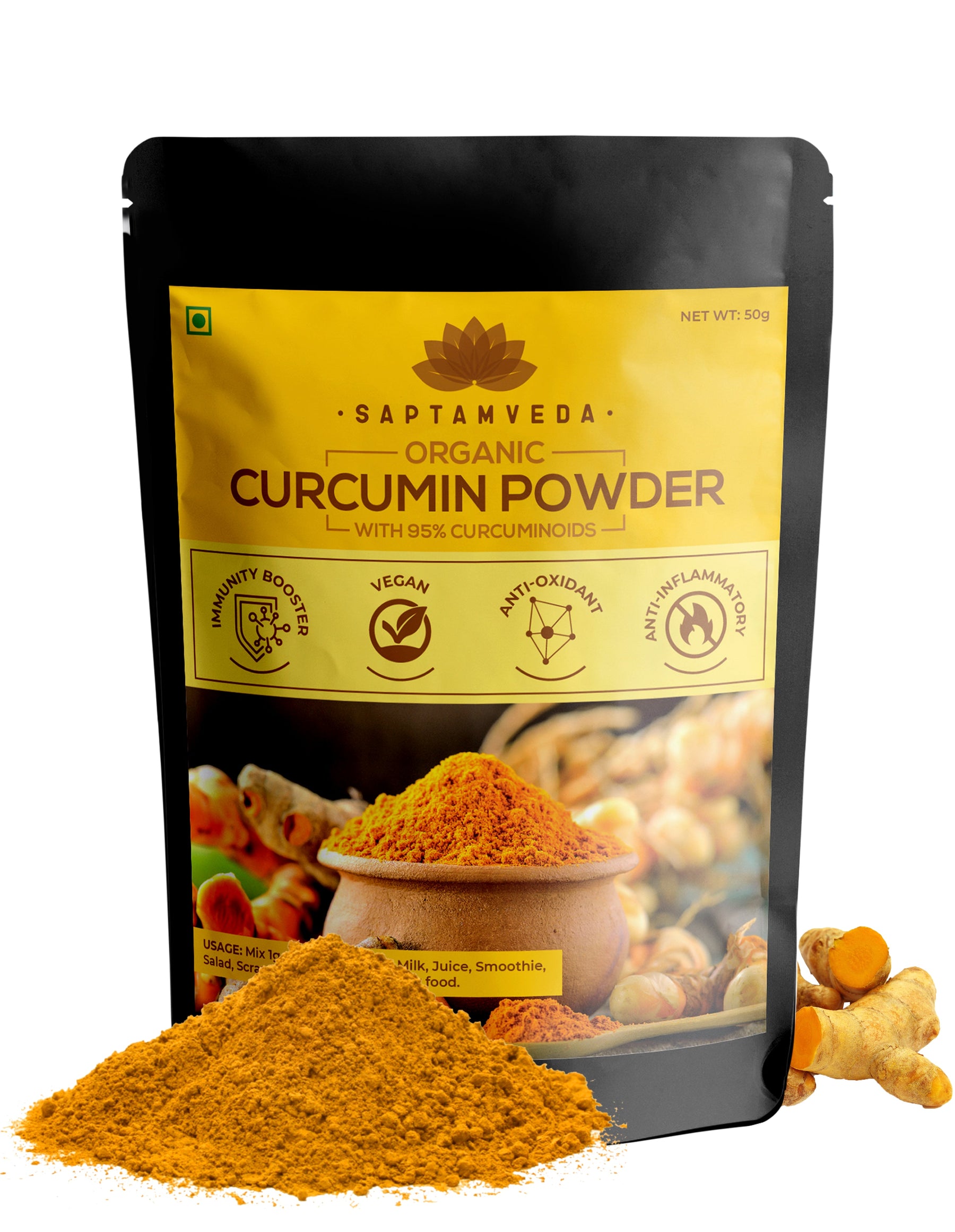
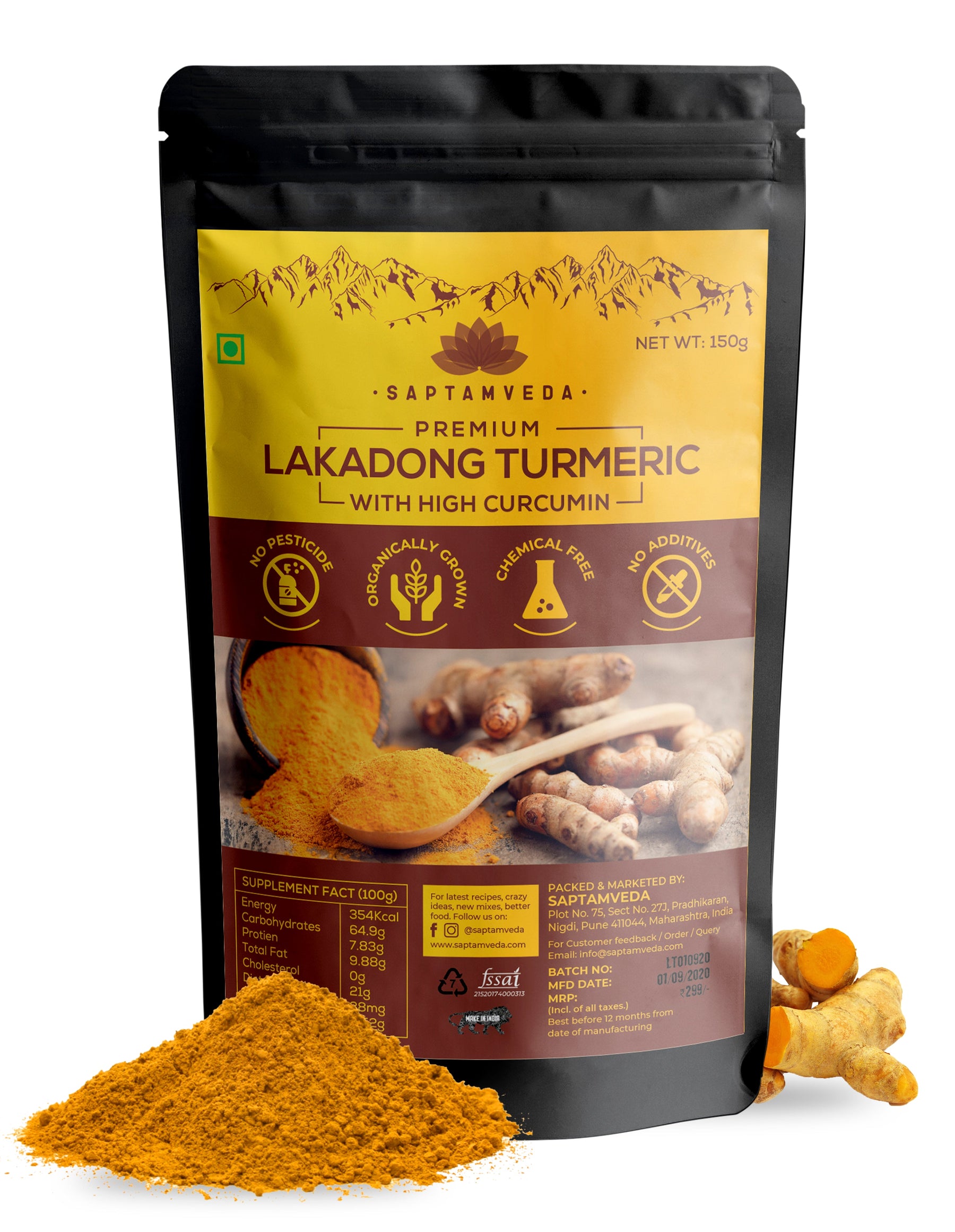
Turmeric Powder, derived from the roots of the Curcuma longa plant, is an indispensable kitchen spice and a remarkable herbal supplement. Known as 'Indian Saffron' due to its vibrant yellow color, Turmeric has a rich history in culinary, cosmetic, and medicinal applications. Its primary active compound, curcumin, is renowned for its antioxidant, anti-inflammatory, and antimicrobial properties. Turmeric powder can be easily incorporated into your diet, aiding in inflammation reduction, brain function enhancement, and overall wellness.
Common Name
The common names for this supplement are Turmeric, Indian Saffron, and Haldi (in Hindi).
Facts
- Turmeric is a perennial, rhizomatous plant native to tropical South Asia.
- It belongs to the ginger family, Zingiberaceae.
- The plant is widely cultivated for its rhizomes which are dried and ground into a vibrant yellow powder.
Uses
- Anti-Inflammatory: Turmeric's key compound, curcumin, has potent anti-inflammatory properties.
- Antioxidant: Turmeric is rich in antioxidants that help combat oxidative damage.
- Culinary: Turmeric powder is widely used as a spice in many cuisines, especially Indian.
Benefits
- Reduces Inflammation: Curcumin in Turmeric helps lower inflammation in the body.
- Boosts Antioxidant Capacity: Turmeric enhances the body's antioxidant capacity, protecting from oxidative damage.
- Supports Brain Function: Turmeric can boost levels of the brain hormone BDNF, potentially improving memory and reducing risks of brain diseases.
How to Use
Turmeric powder can be used in cooking or added to drinks like milk or tea. It can also be used in a variety of homemade skincare recipes.
Dosage
While there's no official consensus on the optimal dosage, it's generally suggested to have around 500 to 2000 mg of Turmeric powder per day, ideally in combination with some black pepper to enhance absorption.
Precautions
Turmeric is generally safe but can cause stomach upset in some individuals, particularly in high doses. Those with gallbladder disease should avoid turmeric. Pregnant or breastfeeding women and individuals on medication should consult their healthcare provider before use.
History
Turmeric has been used for over 4000 years in Ayurvedic and Chinese medicine, cooking, and even religious ceremonies.
Etymology
The name 'Turmeric' is derived from the Latin term 'terra merita', meaning 'meritorious earth', referring to the color of ground turmeric.
Phytochemistry
Turmeric is rich in curcuminoids, primarily curcumin, which is known for its powerful anti-inflammatory and antioxidant effects.
Recipe
A simple and popular recipe with Turmeric Powder is the Turmeric Latte or 'Golden Milk':
Ingredients:
- 1 cup of milk (any variety)
- 1/2 teaspoon of Turmeric Powder
- A pinch of black pepper (to enhance curcumin absorption)
- Honey or sweetener of choice (optional)
Directions:
- Heat the milk in a pan.
- Add the Turmeric Powder and a pinch of black pepper.
- Simmer for a couple of minutes, then turn off the heat.
- Add sweetener to taste, if desired.
- Enjoy warm.
Benefits
Ingredients
How To Use
Coupons
Delivery
You may also like