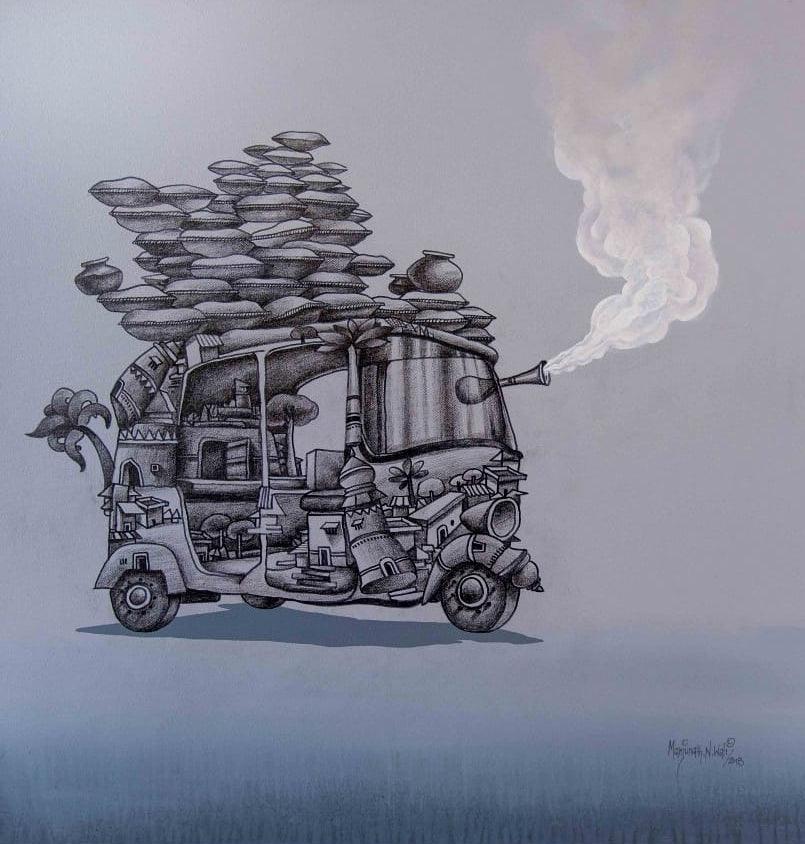
Journey 2 (Weight of the World)
₹40,000
Out of stock · ★ 5.0 (11)checking live price…
Size
30x30Type
OriginalMaterial
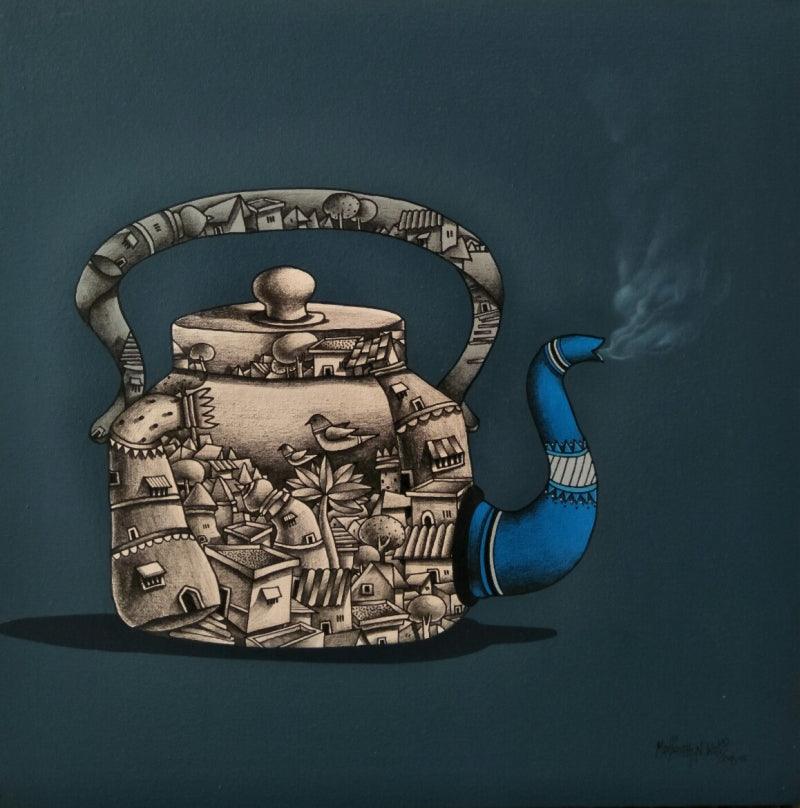
CanvasRendered in restrained monochrome, the overloaded tuk-tuk becomes a roaming microcosm—part vehicle, part dwelling—where stacked vessels and domestic fragments accrue like memories precariously balanced against motion. The meticulous linework compresses multiple interiors into a single silhouette, transforming negative space into corridors of lived experience and suggesting how necessity invents architecture on the move. A soft plume of steam rises like an exhalation, lending the machine a near-sentient tenderness and quietly framing migration, labor, and resilience as everyday poetry rather than spectacle.
Delivery
You may also like
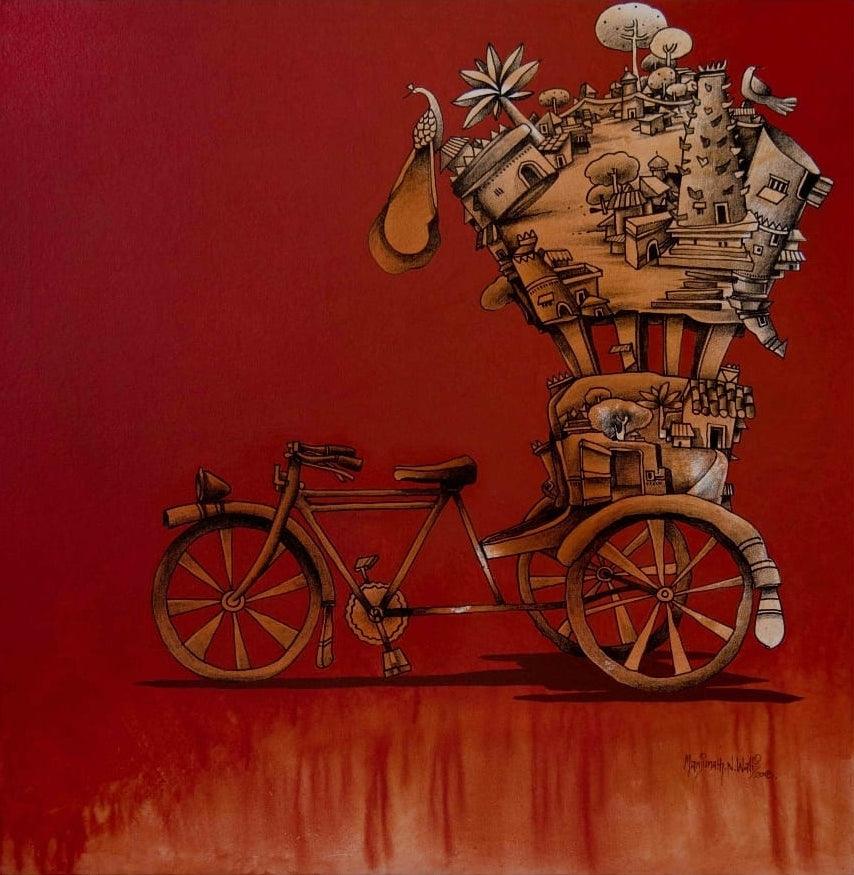
Work Is Workship
Artzolo
₹40,000
out of stock
★ 4.0 (14)
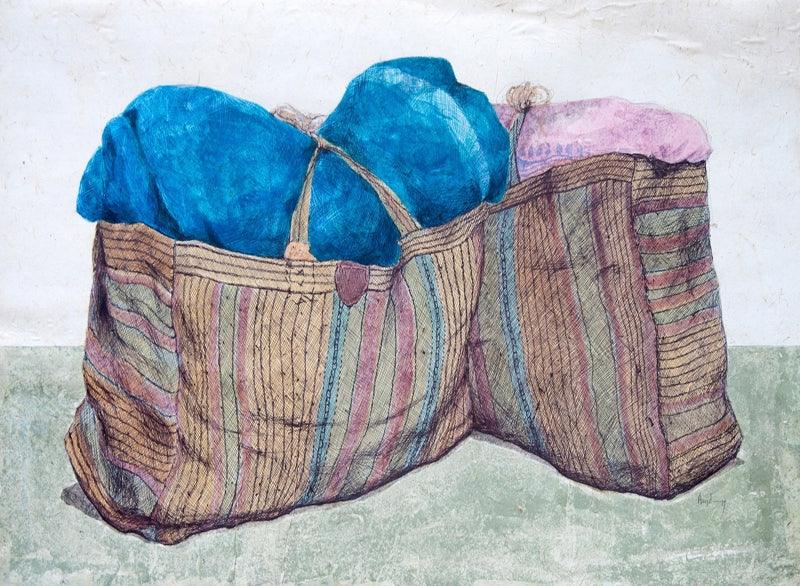
The Journey (The Weight of Time)
Artzolo
₹35,000
★ 5.0 (15)
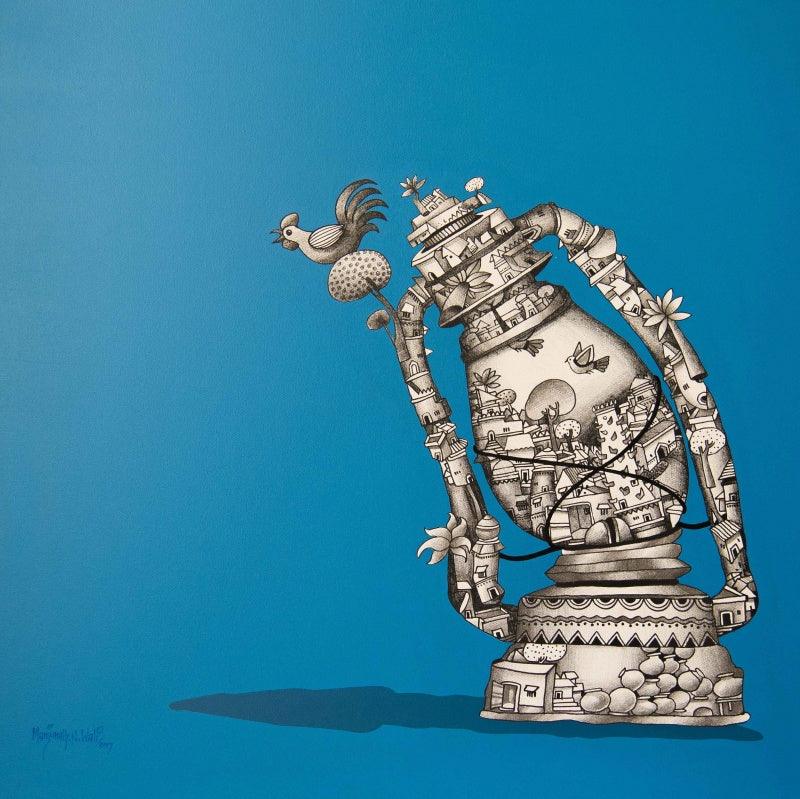
Inner Light 1
Artzolo
₹50,000
out of stock
★ 4.0 (8)
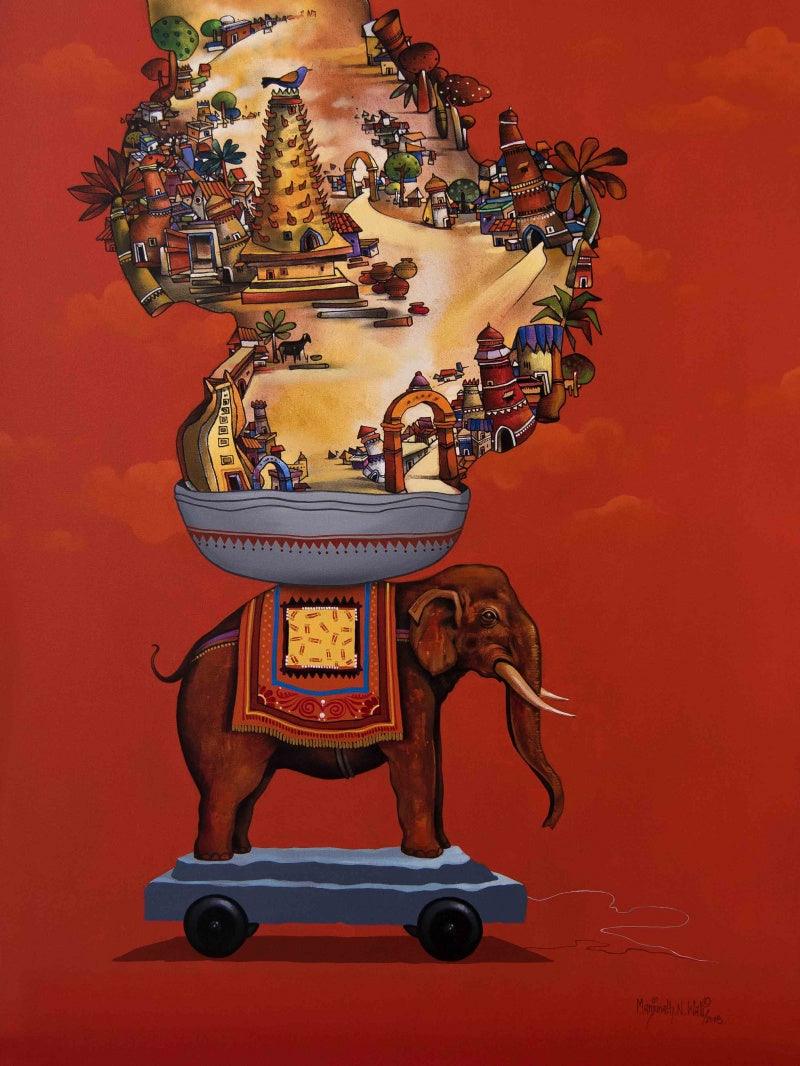
Unforgettable Memories (Elephant Carrying Village)
Artzolo
₹71,500
out of stock
★ 5.0 (8)
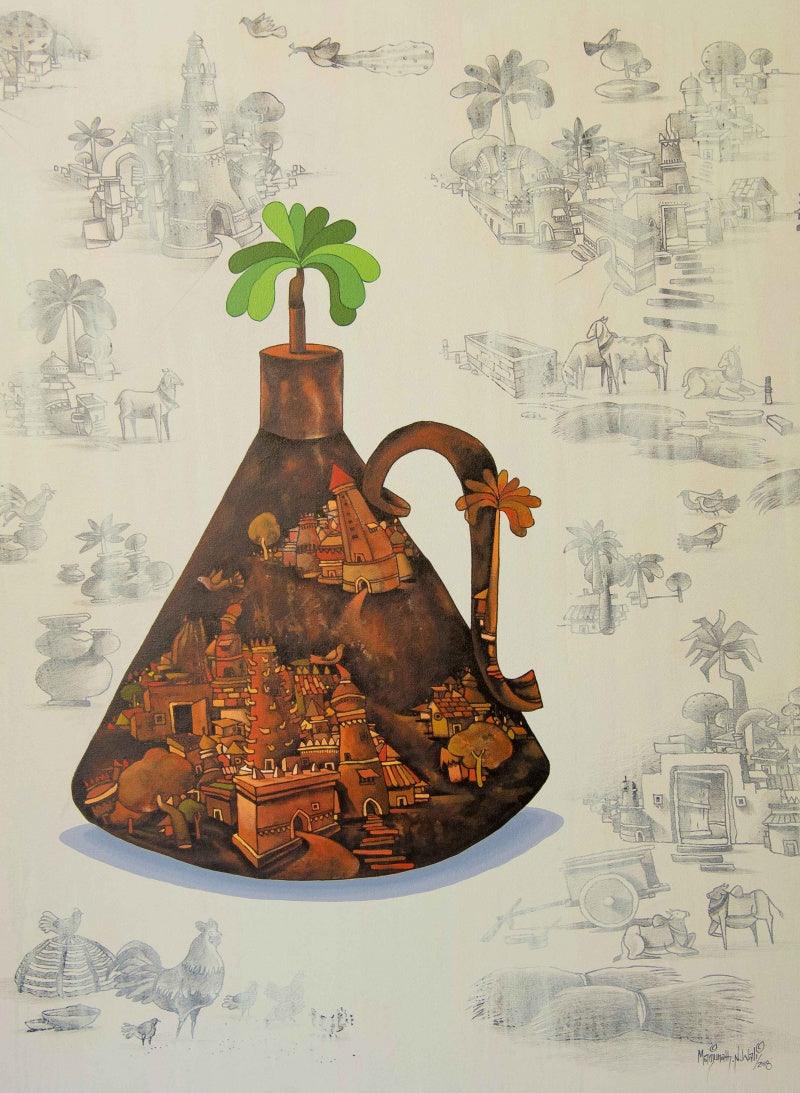
Inner Light 2 (Pot of Memories)
Artzolo
₹71,500
out of stock
★ 5.0 (6)
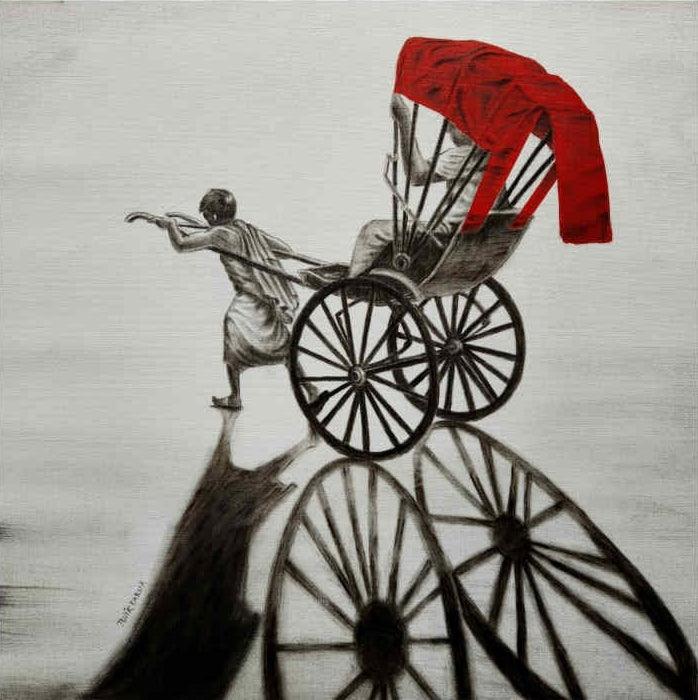
Old Memories In Kolkata 1 (Urban Toil)
Artzolo
₹25,000
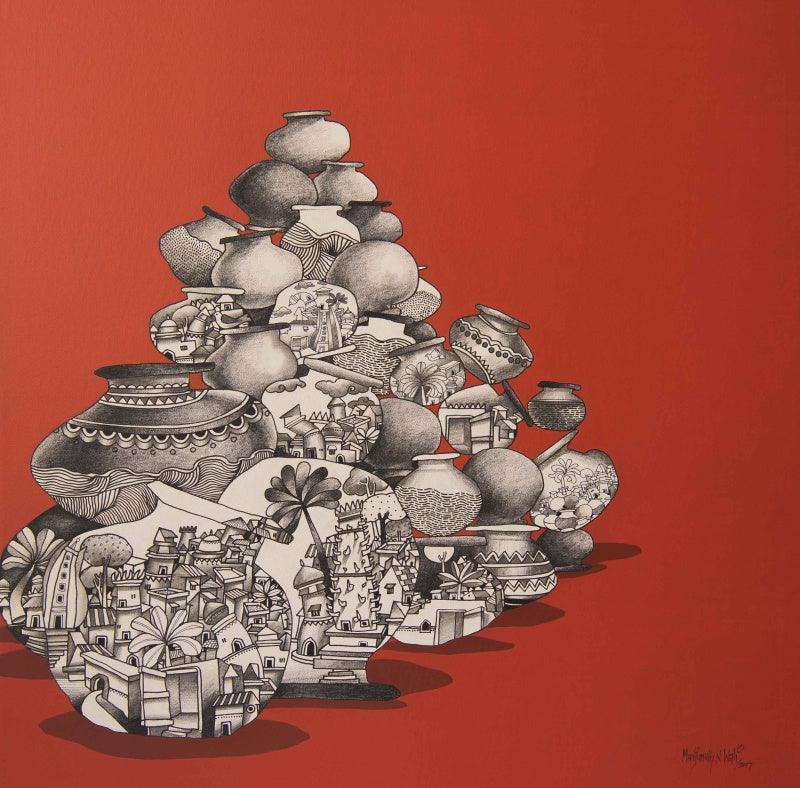
Balance
Artzolo
₹50,000
out of stock
★ 4.0 (14)
Tea Pot
Artzolo
₹45,000
out of stock
★ 4.0 (7)