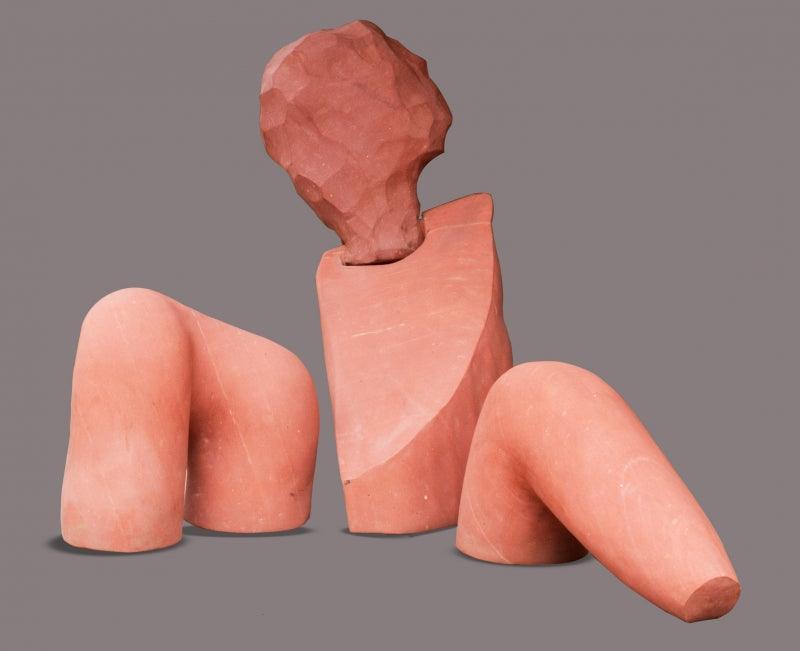
Untitled 2 (Abstract Figure II)
₹70,000
● In stock · ★ 5.0 (15)checking live price…
Size
30x36x37Type
OriginalMaterial
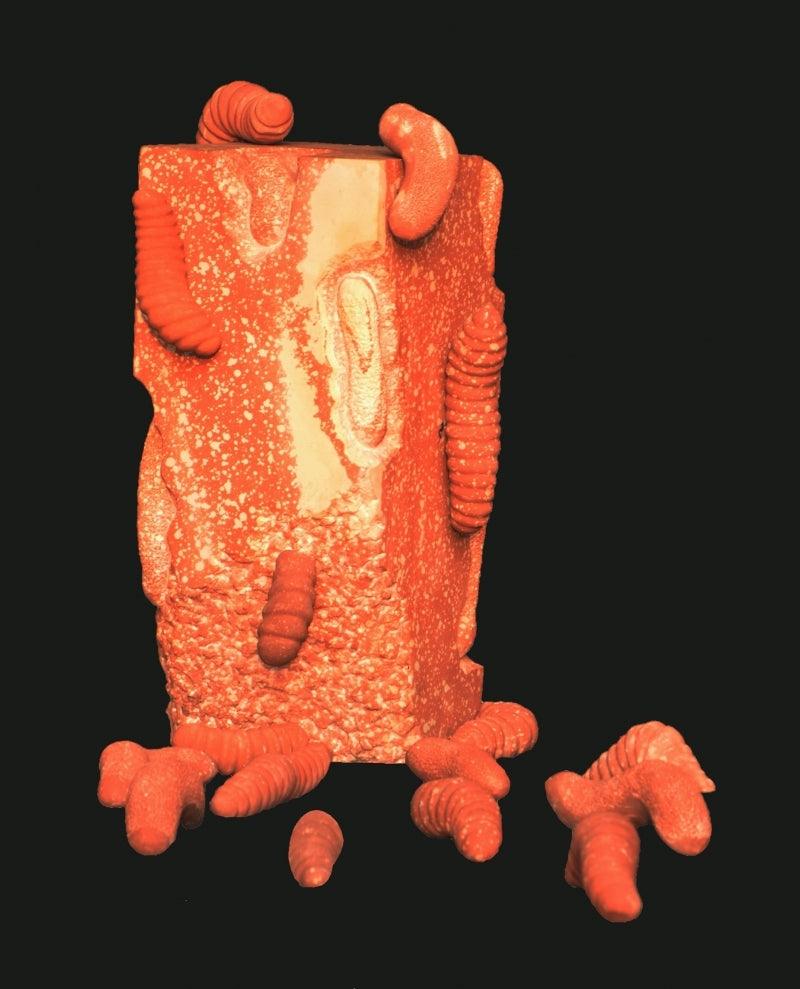
SandstoneThis sculptural arrangement of severed, monumental forms reads like a body translated into archeology—limbs and a head reduced to essential volumes, yet still charged with an intimate, human vulnerability. The warm terracotta-pink surface catches light softly, allowing subtle planes and tool marks to become a kind of breath across the stone, while the neutral ground isolates the fragments like specimens suspended in thought. By withholding wholeness and identity, the work turns absence into its central presence, suggesting memory, injury, and reconstruction as parallel acts of looking. The composition’s quiet asymmetry—one upright, others reclining—creates a slow, ritual rhythm that hovers between repose and aftermath.
Delivery
You may also like
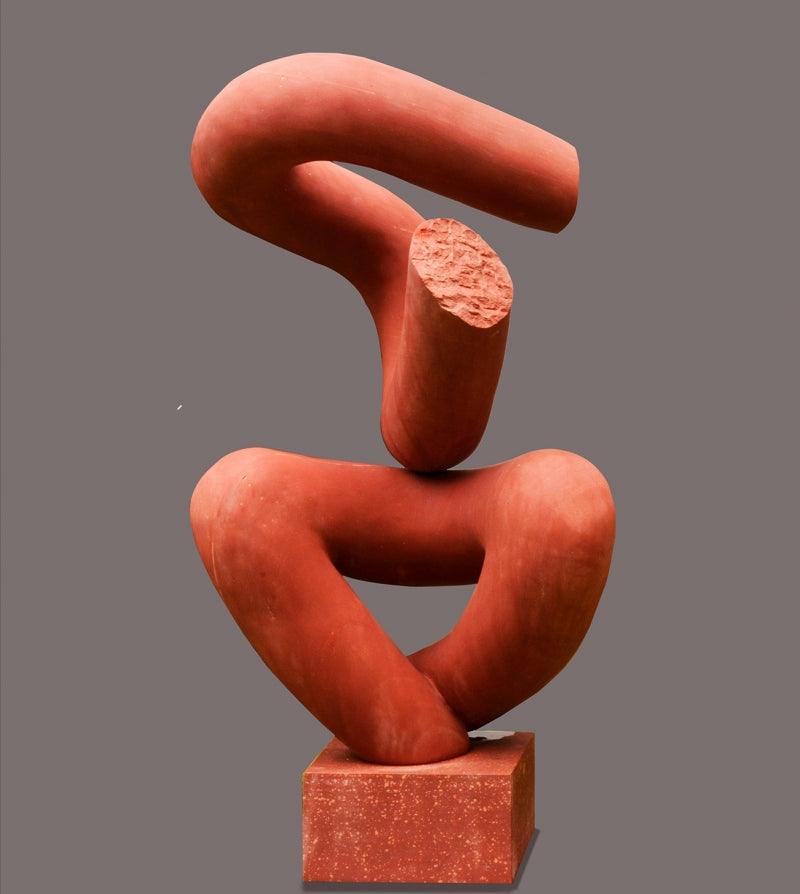
Dancing Shiva 1
Artzolo
₹0
out of stock
★ 5.0 (8)
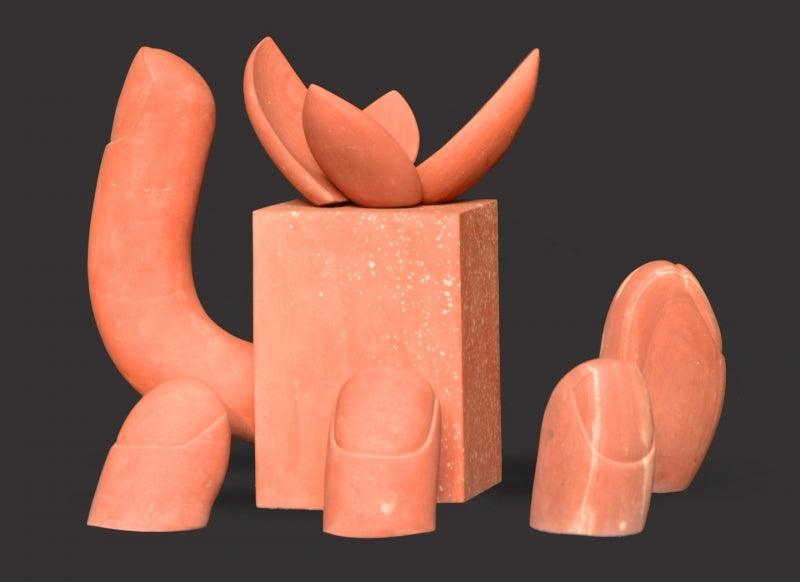
Relationship Between Human And Nature (Abstract Organic Forms)
Artzolo
₹85,000
★ 4.0 (15)
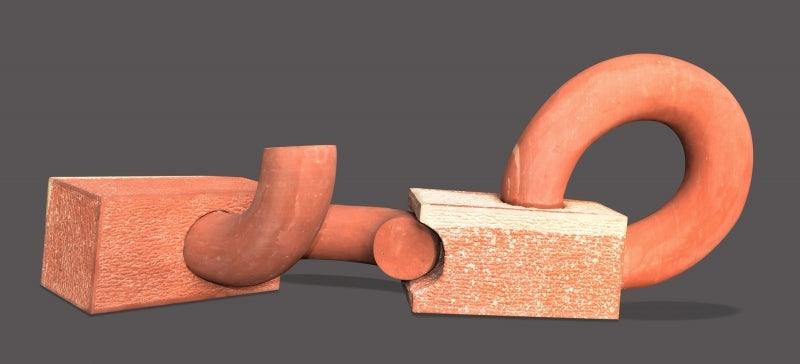
Relationship (Abstract Terracotta Forms)
Artzolo
₹85,000
★ 4.0 (14)
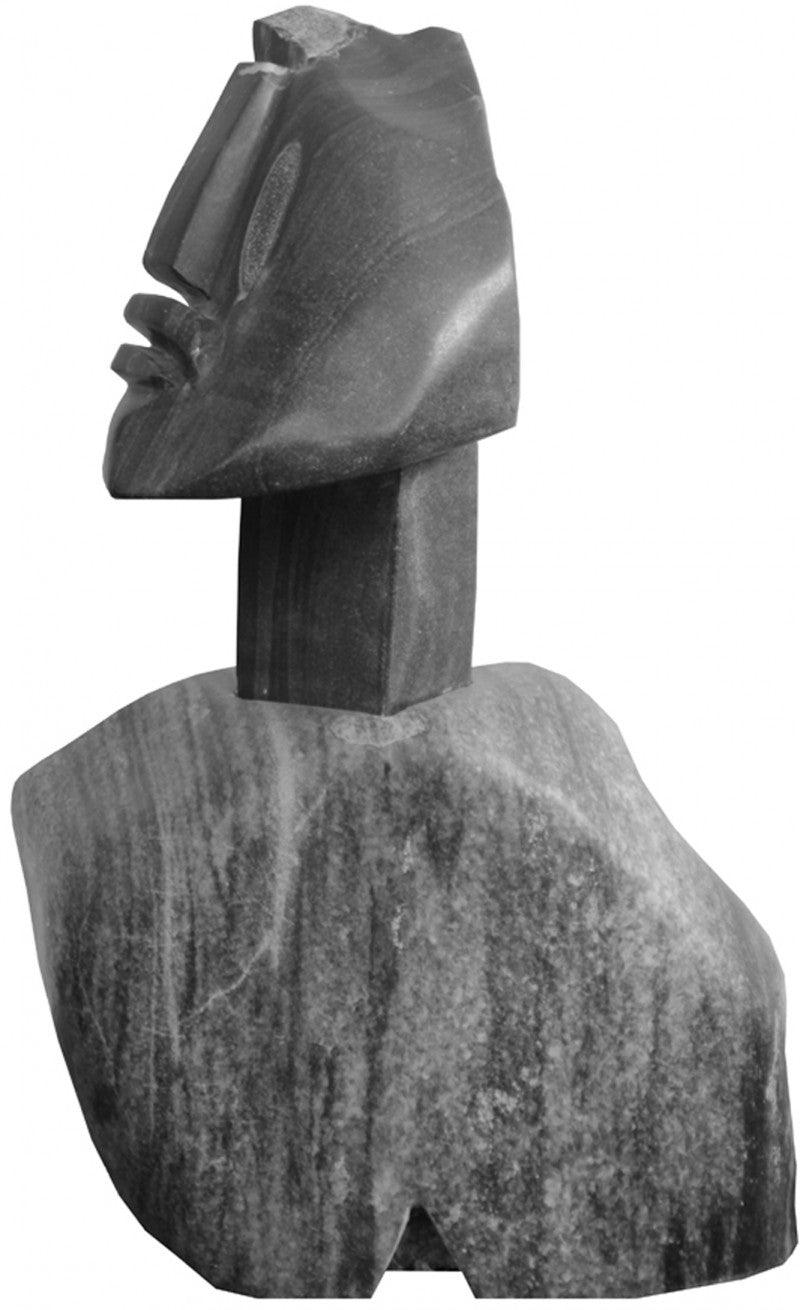
Untitled 2
Artzolo
₹55,000
out of stock
★ 5.0 (11)
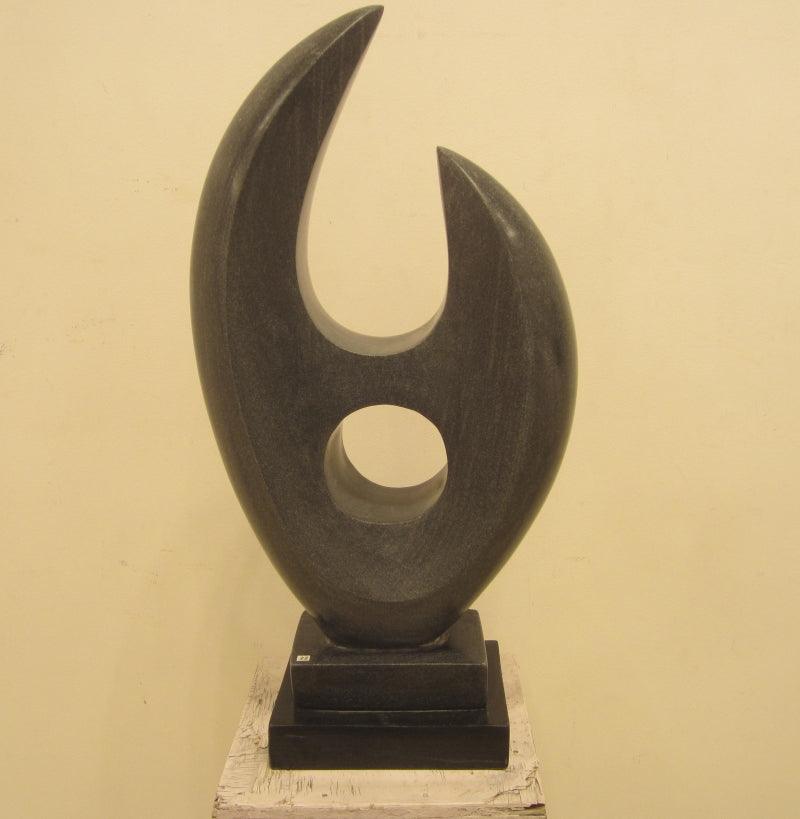
Untitled 2 (Abstract Stone Form III)
Artzolo
₹60,000
★ 5.0 (10)
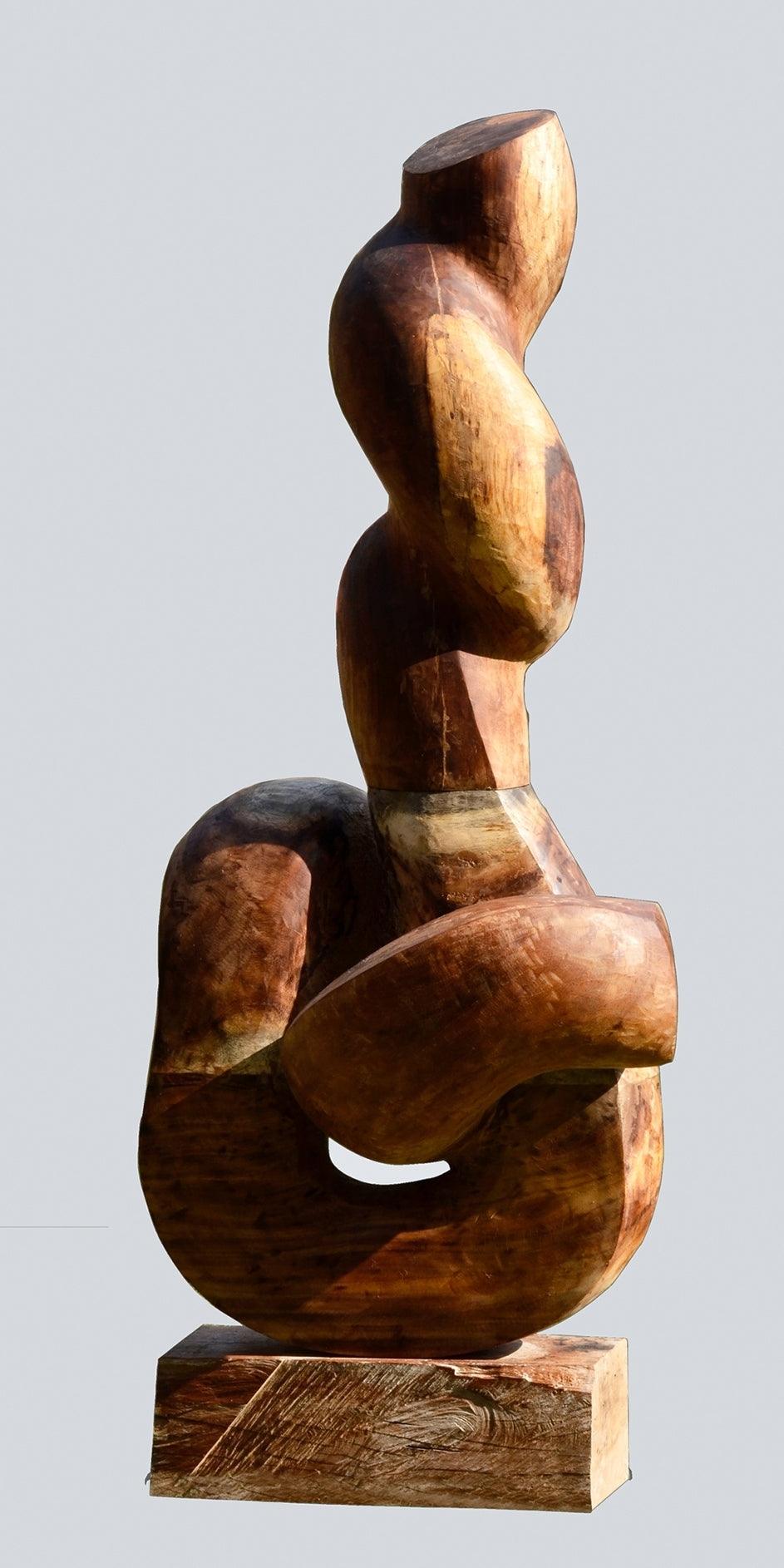
Nature 2 (Abstract Wooden Form II)
Artzolo
₹70,000
★ 4.0 (11)
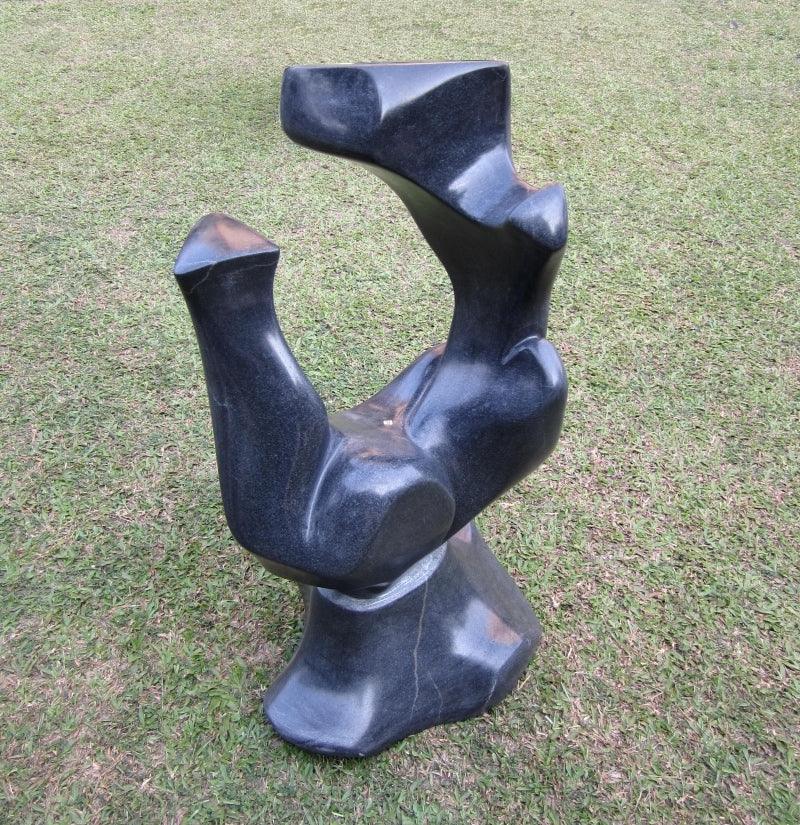
Abstract (Abstract Stone Form II)
Artzolo
₹150,000
★ 5.0 (9)
Nature 3 (Worms and Stone Sculpture)
Artzolo
₹55,000
★ 4.0 (9)