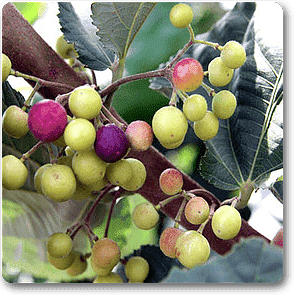
Borassus flabellifer - Plant
Borassus flabellifer - The Palmyra Palm
Borassus flabellifer, commonly known as the Palmyra Palm, is a majestic tropical tree native to the Indian subcontinent and Southeast Asia. This iconic palm can grow up to 30 meters tall and is characterized by its fan-shaped leaves and thick trunk. The Palmyra Palm is not only a stunning addition to any landscape but also serves multiple purposes, making it a vital resource in its native regions.
What makes Borassus flabellifer special is its versatility and cultural significance. Often referred to as the "Tree of Life," it provides food, shelter, and materials for local communities. Its sap is harvested to produce a sweet syrup, while its leaves are used for thatching roofs and crafting baskets. This palm is also known for its resilience, thriving in arid conditions and contributing to soil conservation.
One of the standout features of the Palmyra Palm is its ability to sequester carbon, making it an environmentally friendly choice for landscaping. Its deep root system helps prevent soil erosion, while its large canopy provides shade and habitat for various wildlife. This tree not only enhances biodiversity but also plays a crucial role in combating climate change.
Growing Instructions:
- Plant in well-drained soil with full sun exposure.
- Space trees at least 10 meters apart to allow for growth.
- Water regularly during the first year to establish roots.
- Fertilize with a balanced fertilizer during the growing season.
Care Instructions:
- Prune dead or damaged fronds to promote healthy growth.
- Monitor for pests such as scale insects and treat as necessary.
- Mulch around the base to retain moisture and suppress weeds.
- Ensure adequate drainage to prevent root rot.
Uses:
- Harvest sap for sweet syrup and alcoholic beverages.
- Utilize leaves for thatching, baskets, and mats.
- Use the trunk for construction and furniture making.
- Plant as an ornamental tree in gardens and parks.
Fun Facts:
- The Palmyra Palm can live for over 100 years, making it a long-term investment for landscaping.
- In some cultures, the tree is considered sacred and is used in religious ceremonies.
- Its fruit, known as "toddy palm fruit," is edible and highly nutritious.
- The Palmyra Palm is the state tree of Tamil Nadu, India, symbolizing resilience and sustainability.
Coupons
Delivery
You may also like