Ziffi
πŸ›’
Nursery Live

Lilium Lancifolium, Tiger Lily (Mix Color) - Bulbs (set of 5)

β‚Ή219
Out of stock Β· β˜… 4.67 (6)checking live price…
View on Nursery Live store β†—

Lilium Lancifolium, Tiger Lily (Mix Color) - Bulbs (Set of 5)

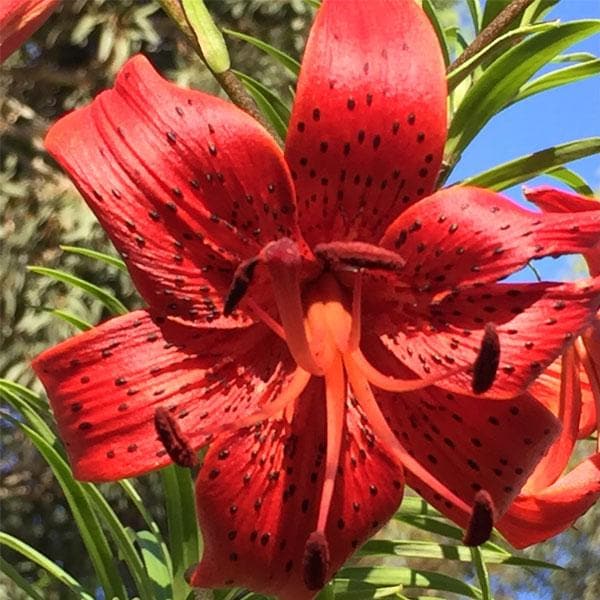
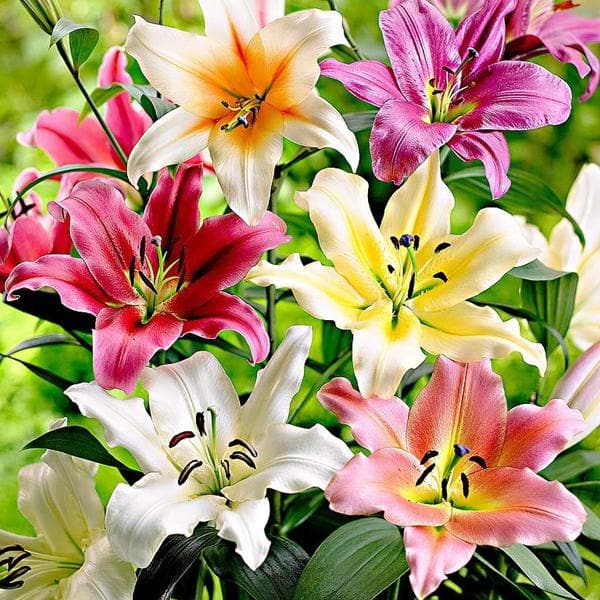
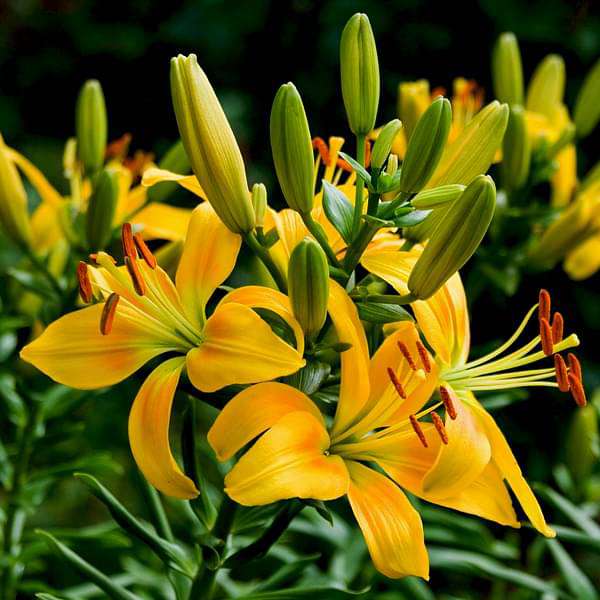
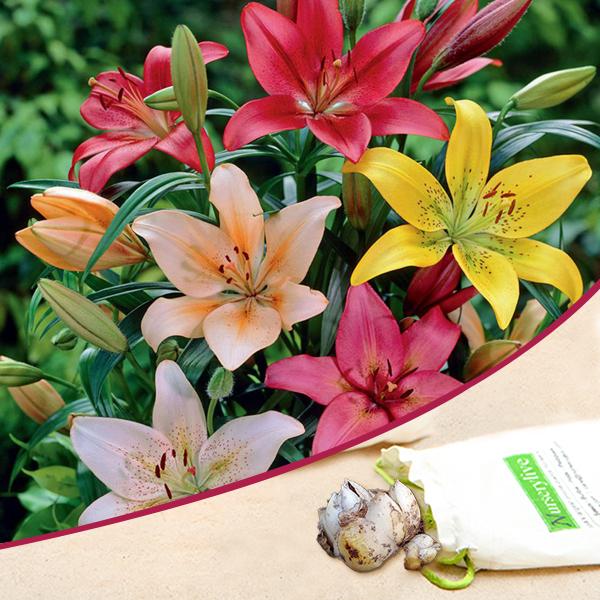
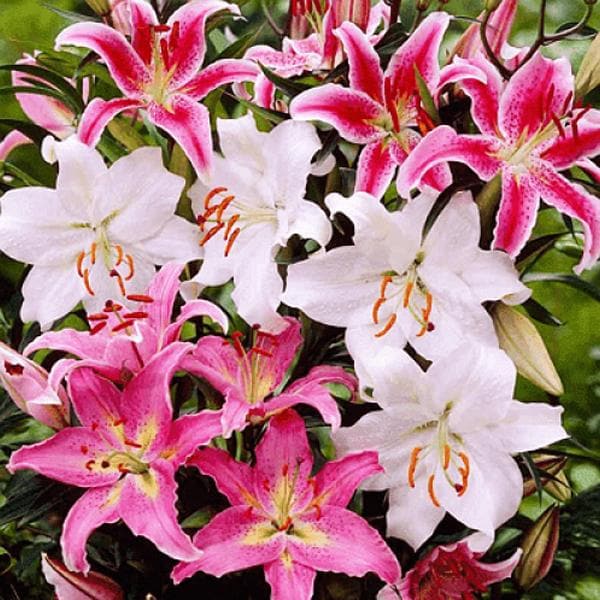
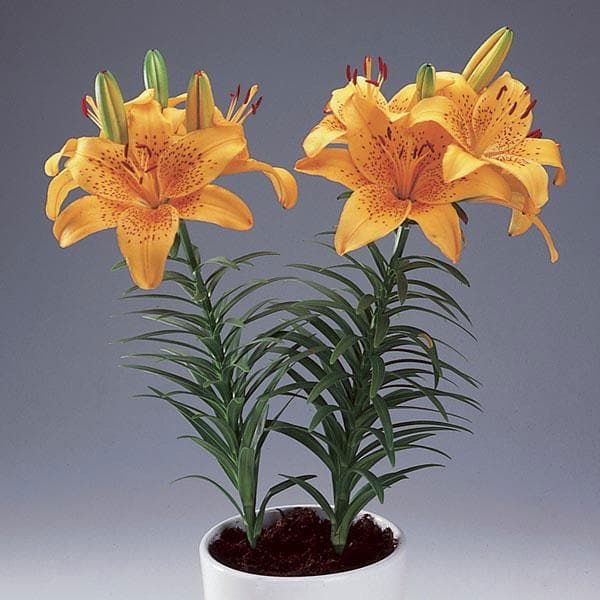
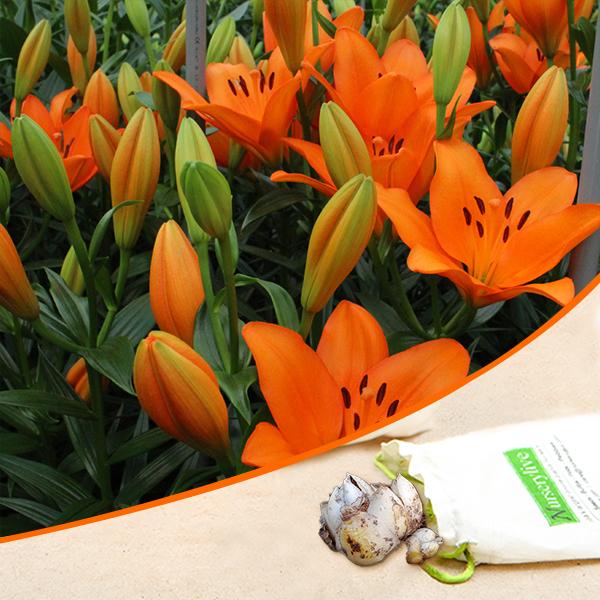
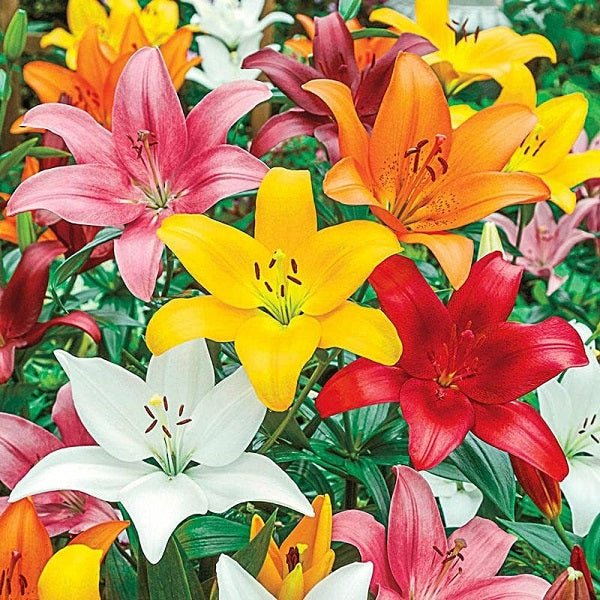
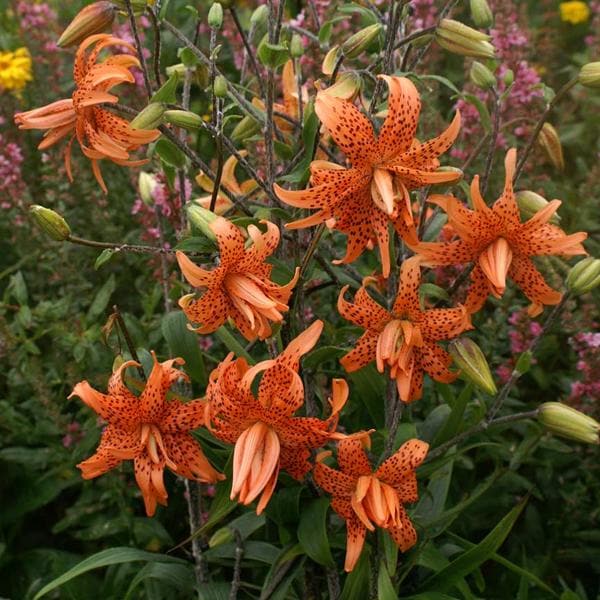
Discover the enchanting beauty of the Lilium Lancifolium, commonly known as the Tiger Lily. This stunning mix of vibrant colors will transform your garden into a breathtaking spectacle. Each bulb produces tall, elegant stems adorned with striking, trumpet-shaped flowers that bloom in shades of orange, yellow, and red, often with dark spots. Perfect for borders, cut flower arrangements, or naturalizing, these bulbs are a must-have for any garden enthusiast.

Why It's Special

The Tiger Lily is not just a feast for the eyes; it also holds historical significance. Native to Asia, this perennial has been cultivated for centuries for its beauty and medicinal properties. Its resilience and adaptability make it a favorite among gardeners, thriving in various climates and soil types.

Special Features

One of the most remarkable features of the Tiger Lily is its ability to attract pollinators, such as bees and butterflies, contributing to a healthy ecosystem. Additionally, these bulbs are deer-resistant, ensuring that your garden remains vibrant and untouched by wildlife.

Growing Instructions

  • Plant bulbs in well-drained soil, 6-8 inches deep.
  • Choose a sunny location with at least 6 hours of sunlight daily.
  • Space bulbs 12-18 inches apart for optimal growth.
  • Water thoroughly after planting and keep the soil moist but not soggy.

Care Instructions

  • Fertilize with a balanced fertilizer in early spring.
  • Remove spent flowers to encourage further blooming.
  • Cut back foliage after it has yellowed in the fall.
  • Mulch in winter to protect bulbs from extreme temperatures.

Uses

  • Ideal for garden borders and flower beds.
  • Perfect for cut flower arrangements, adding a splash of color indoors.
  • Great for naturalizing in wildflower gardens.

Fun Facts

  • Tiger Lilies can grow up to 4 feet tall, making them a striking addition to any garden.
  • These flowers have been used in traditional medicine for their anti-inflammatory properties.
  • The name "Tiger Lily" comes from the unique spotted pattern on its petals, resembling a tiger's coat.

Environmental Impact

By planting Tiger Lilies, you contribute to biodiversity, providing essential habitats for pollinators. Their ability to thrive in various conditions also makes them a sustainable choice for gardeners looking to enhance their landscapes while supporting local ecosystems.

Benefits

The Tiger Lily is not just a feast for the eyes; it also holds historical significance. Native to Asia, this perennial has been cultivated for centuries for its beauty and medicinal properties. Its resilience and adaptability make it a favorite among gardeners, thriving in various climates and soil types. Special Features One of the most remarkable features of the Tiger Lily is its ability to attract pollinators, such as bees and butterflies, contributing to a healthy ecosystem. Additionally, these bulbs are deer-resistant, ensuring that your garden remains vibrant and untouched by wildlife. Growing Instructions Plant bulbs in well-drained soil, 6-8 inches deep. Choose a sunny location with at least 6 hours of sunlight daily. Space bulbs 12-18 inches apart for optimal growth. Water thoroughly after planting and keep the soil moist but not soggy. Care Instructions Fertilize with a balanced fertilizer in early spring. Remove spent flowers to encourage further blooming. Cut back foliage after it has yellowed in the fall. Mulch in winter to protect bulbs from extreme temperatures. Uses Ideal for garden borders and flower beds. Perfect for cut flower arrangements, adding a splash of color indoors. Great for naturalizing in wildflower gardens. Fun Facts Tiger Lilies can grow up to 4 feet tall, making them a striking addition to any garden. These flowers have been used in traditional medicine for their anti-inflammatory properties. The name "Tiger Lily" comes from the unique spotted pattern on its petals, resembling a tiger's coat. Environmental Impact By planting Tiger Lilies, you contribute to biodiversity, providing essential habitats for pollinators. Their ability to thrive in various conditions also makes them a sustainable choice for gardeners looking to enhance their landscapes while supporting local ecosystems.

Coupons

FIRST β€” β‚Ή570 off
FLAT20 β€” β‚Ή570 off
WELCOME15 β€” β‚Ή427 off
NURSERYLIVE10 β€” β‚Ή285 off
WELCOME10 β€” β‚Ή285 off
FIRSTBUY β€” β‚Ή200 off

Delivery

COD available

uid sha:9604f737c52826136fc966550776bc2cc25ec8c3

You may also like

Lilium Lancifolium, Tiger lily ( Red ) - Plant
Nursery Live
β‚Ή314
out of stock
β˜… 4.14 (144)
Lilium (Mix Color) - Bulbs (set of 5)
Nursery Live
β‚Ή279
out of stock
β˜… 4.57 (7)
Lilium ( Mix Color ) - Plant
Nursery Live
β‚Ή244
out of stock
β˜… 4.21 (111)
Asiatic Lilies (Mix Color) - Bulbs (set of 5)
Nursery Live
β‚Ή269
out of stock
β˜… 4.5 (10)
Oriental Lilies (Mix Color) - Bulbs (set of 5)
Nursery Live
β‚Ή349
out of stock
β˜… 4.5 (6)
Lilium Hybrid ( Orange ) - Plant
Nursery Live
β‚Ή454
out of stock
β˜… 4.22 (147)
Asiatic Lily, Amiga Lily (Orange) - Bulbs (set of 5)
Nursery Live
β‚Ή259
out of stock
β˜… 4.5 (6)
Asiatic Lily (Random Color) - Bulbs
Nursery Live
β‚Ή199β‚Ή28430% off
out of stock